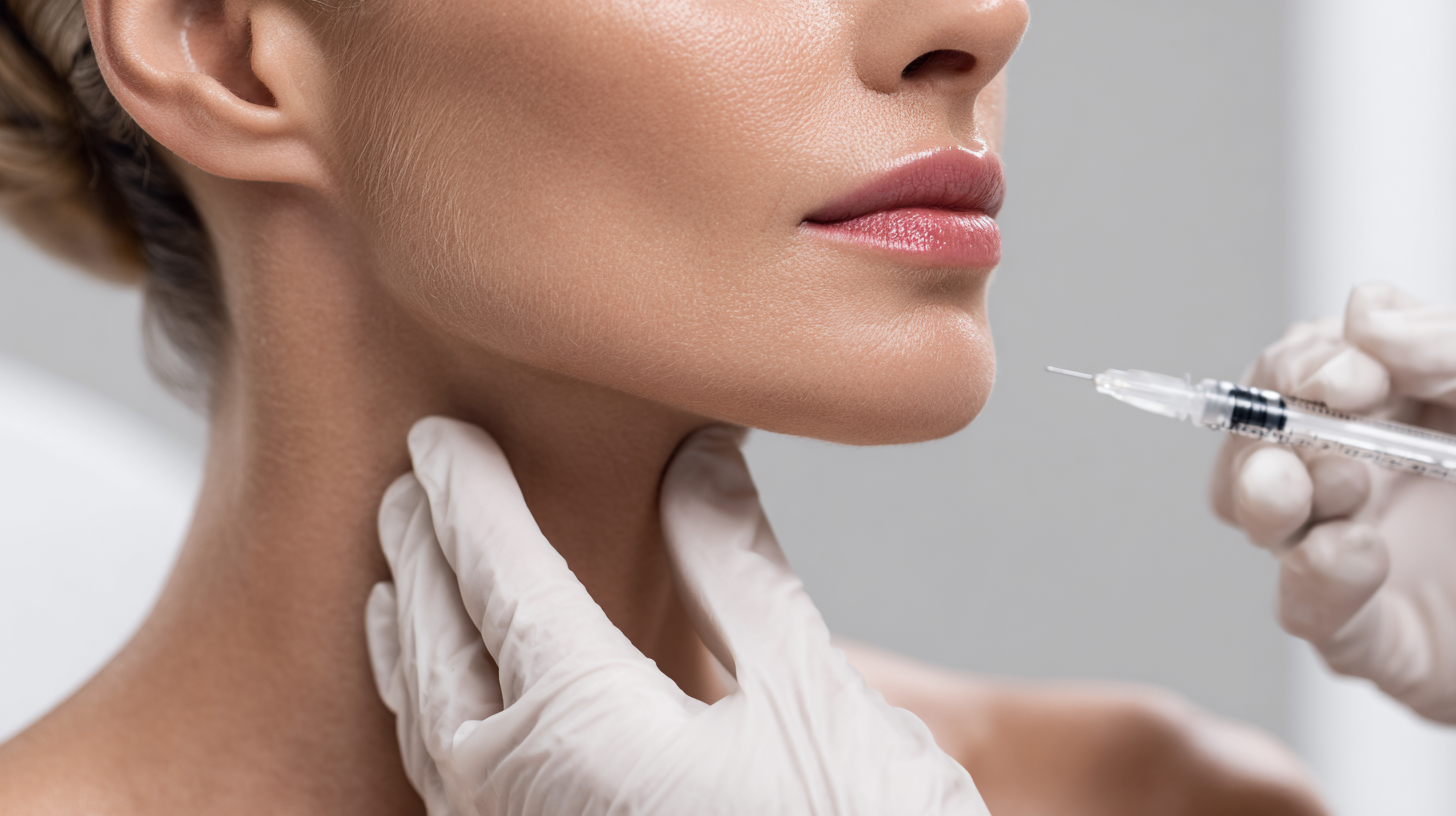
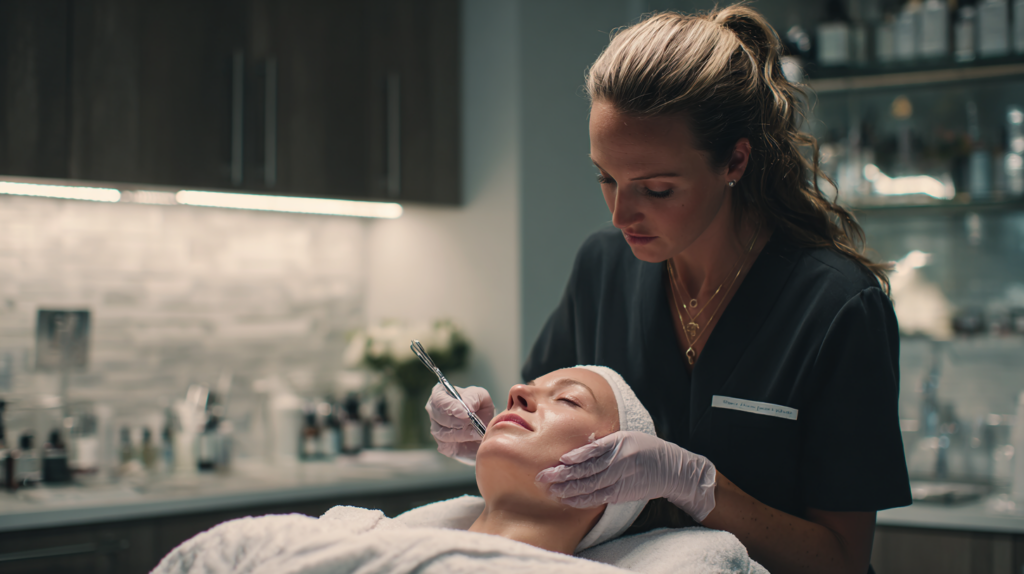
Patients often notice their skin changing before they understand why it is happening. Texture may feel rougher, pores may appear more visible, or products that once worked well may no longer feel appropriate. For people researching whether customized facial treatments create better outcomes for changing skin needs, the real question is often how to care for skin that no longer responds predictably.
A professional facial setting allows patients to discuss concerns in a structured, guided way. Instead of guessing from product labels or trends, patients receive care based on their skin health, current goals, and visible response during treatment. This matters because skin is affected by age, environment, stress, hormones, sun exposure, medications, and daily routines.
At BluePoint Medical Spa, aesthetic facial care is elective and personalized. The goal is not to promise one outcome for everyone, but to support a thoughtful plan that respects the patient’s skin, comfort level, and medical history. A licensed provider or trained professional oversight is important because even gentle services should be matched carefully to the patient’s needs.
One-Size-Fits-All Facials May Miss Important Skin Details
Patients often begin looking for customized facial treatments when their usual routine stops giving them the look or feel they want. Some notice dryness, roughness, congestion, or visible dead skin cells that make makeup apply unevenly. Others may feel that their skin tone looks less even, their pores feel congested, or their skin looks tired despite consistent home care.
A generic facial may feel relaxing, but it may not be specific enough for patients with layered concerns. Someone with oily skin and clogged pores may need a different approach than someone with dehydration, redness, or sensitive skin. For persistent breakout patterns, some patients may benefit from an acne-focused bootcamp program for clear, healthy skin. A customized approach allows the treatment to focus on specific skin concerns while still considering comfort, tolerance, and realistic expectations.
Surface Buildup and Dehydration Can Affect Radiance
Dull skin can appear when surface buildup, dryness, and everyday stress affect how light reflects from the skin. Professional exfoliation may support a smoother-looking surface by helping address visible buildup and removing dead skin cells when appropriate for the patient. Understanding why skin can lose its natural glow with age may help patients make more informed decisions about long-term care. Hydration, sleep, nutrition, and lifestyle factors also influence how refreshed the skin appears between appointments.
Pore Congestion Needs Careful Technique Choices
Patients with acne-prone skin often need thoughtful care because overly aggressive products may increase irritation. A deep cleansing facial may support clearer-looking pores when performed carefully, but the method should match the patient’s sensitivity and current breakouts. If acne scars or post-inflammatory marks are a concern, the provider may discuss facial treatments for long-term skin texture improvement rather than relying on one facial session.
Reactive Skin Often Responds Better to Conservative Planning
Sensitive skin may react to fragrance, exfoliation, heat, pressure, or active ingredients. A conservative treatment plan may include calming steps, shorter contact times, and careful observation of the skin’s response during the appointment. This approach may support comfort while still allowing the patient to work toward healthy skin in a measured way.
Professional Skin Assessment Creates a Smarter Starting Point
A personalized facial is not simply a standard service with different products added at the end. The process usually begins with conversation, observation, and skin analysis to understand the patient’s goals, history, and current skin condition. This helps the provider determine whether the focus should be on hydration, congestion, texture, tone, comfort, or age-related changes.
This matters because skin concerns often overlap. A patient may have dryness and excess shine, visible pores, and sensitivity, or fine texture changes and uneven tone at the same time. A custom facial allows the provider to adjust techniques and select from different professional facial options so the session reflects the patient’s skin’s unique needs instead of assuming one pathway fits all.
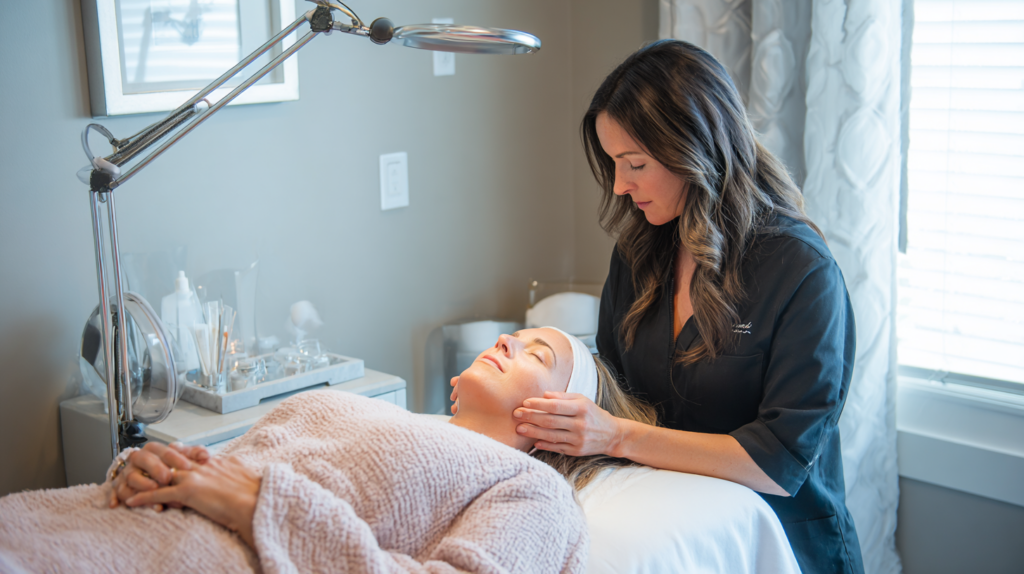
Consultation Detail:s Shape the Right Facial Approach
A careful skin analysis may include reviewing oil levels, dryness, redness, visible congestion, texture, and product tolerance. The provider may also ask about medications, recent procedures, sun exposure, and current skincare routine because these details influence safety and comfort. This step helps avoid overly aggressive choices and supports a more realistic, ic customized plan, including how often facials and other skin treatments should be scheduled to balance results with skin recovery.
Preparation and Cleansing Set the Foundation
Many treatments begin with deep cleansing to remove surface oil, sunscreen, makeup, and debris. This step prepares the skin for the rest of the session and allows the provider to better evaluate texture, congestion, and hydration. At BluePoint Medical Spa, these steps are part of a broader approach to skin, body, and wellness care. When appropriate, cleansing may be followed by steam, gentle exfoliation, or extractions based on the patient’s tolerance.
Mask Selection Should Reflect Hydration, Oil, and Comfort Goals
Targeted treatment masks may be chosen for hydration, calming, oil balance, or brightness, depending on the patient’s needs. Hydrating masks may support a softer, more comfortable feel for dry or tight skin, while clarifying options may be considered for excess oil and visible congestion. The provider should explain why each step is being used so the patient understands the purpose of the session.
Trained Guidance Makes Facial Care More Responsive
A professional facial differs from at-home care because it is guided by training, observation, and the ability to adjust during the session. While home products play an important role, professional care may provide deeper cleansing, structured exfoliation, and careful product selection in a controlled setting. Planning the right frequency for facials and chemical peels can support overall skin health when used as part of a realistic maintenance plan.
Customized care also helps patients avoid chasing too many trends at once. Some patients combine strong exfoliants, active serums, and frequent treatments without realizing that irritation may slow their progress. Professional guidance may help patients simplify their approach and choose tailored treatments that fit their skin’s tolerance.
Safety Screening Supports Realistic Aesthetic Decisions
Aesthetic treatments should be performed or overseen by licensed providers when appropriate. This is especially important for patients with recent procedures, active irritation, chronic skin conditions, medication use, or a history of sensitivity. Professional oversight by a board-certified medical director, such as Dr. Danka K. Michaels, supports informed consent, risk discussion, and appropriate timing between facial treatments and other elective services.
Daily Habits Shape Maintenance Between Appointments
Facials may support refreshed-looking skin, but long-term skin health depends heavily on daily habits. Gentle cleansing, moisturizer, and sun protection are often more important than complicated product routines. Patients who want to keep learning may find ongoing skincare education useful through expert articles and treatment updates on the spa’s blog. A provider may recommend adjustments that help keep the skin healthy between appointments without overwhelming the patient.
Avoiding Over-Treatment Protects Skin Comfort
Personalized care also means knowing when not to do too much. Some patients may benefit from a gentler session rather than aggressive exfoliation, extractions, or multiple active ingredients. Respecting the skin barrier may support comfort and help the patient maintain consistency over time.
Different Facial Approaches Support Different Skin Goals
Customized facials may include several techniques depending on the patient’s priorities. A session may focus on hydration, pore refinement, surface smoothness, visible brightness, relaxation, or maintenance. The most appropriate choice depends on the patient’s skin’s specific needs, current tolerance, and long-term aesthetic goals, and may be combined with advanced medical spa treatments available at Blue Point.
A tailored facial may also be adjusted across seasons or life changes. Skin that feels oily in summer may feel dry in winter, while travel, stress, or hormonal changes may affect breakouts and texture. This flexibility is one reason personalized facial treatments are often chosen by patients who want ongoing support rather than a one-time, generic service.
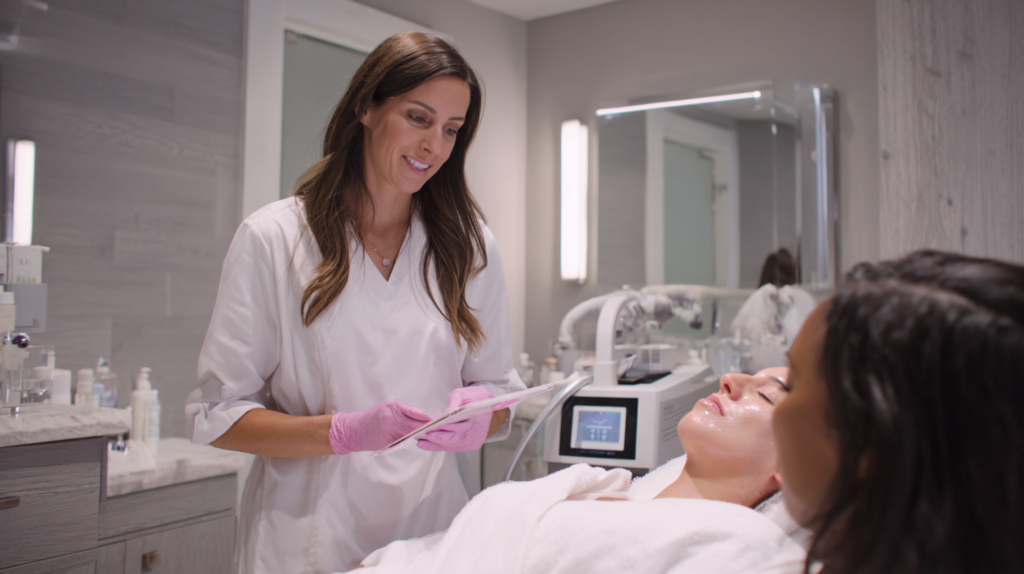
Congested Pores May Need a More Focused Facial Method
For patients with congestion, a deep cleansing facial may focus on removing surface buildup, softening debris, and addressing visible clogged pores. Extractions may be considered when appropriate, but they should be performed carefully to reduce unnecessary irritation. Patients with inflamed breakouts may need a gentler approach or medical guidance before more active treatments.
Moisture-Focused Care May Improve Comfort and Glow
Hydrating facials may be appropriate for skin that feels tight, rough, or tired. These sessions often use moisture-supporting products and hydrating masks to improve the feel of the skin’s surface. Patients may notice a temporary softer look, a more comfortable texture, or a subtle glowing skin effect, although results vary.
Controlled Exfoliation Requires Careful Timing and Selection
Chemical peels are elective treatments that use controlled exfoliation to address texture, tone, and visible buildup. They vary in strength and downtime, so they should be selected based on the patient’s history, skin type, goals, and tolerance. Some patients may be candidates for specific options such as The Perfect Derma Peel. Patients should discuss aftercare, sun exposure, and timing before choosing a peel.
Light-Based Add-Ons Should Fit the Broader Skin Plan
LED light therapy is commonly used in aesthetic settings as an add-on or supportive step. Depending on the device and protocol, it may be included for patients focused on redness, congestion, or general maintenance. It should be presented as one part of a broader plan, not as a guaranteed solution for every concern.
Realistic Benefits Depend on Skin Type, Goals, and Tolerance
Customized treatments may support a more precise experience because each step is chosen for the patient’s current skin. For some patients, this may mean a calmer session with fewer irritating ingredients. For others, it may mean a more active approach to texture, visible buildup, or uneven skin tone. Patients who want to explore additional options and education can review more skincare tips and treatment insights on the Blue Point blog.
Realistic expectations are essential. A facial may make the skin feel refreshed, smoother, or more hydrated, but deeper concerns, such as deeper wrinkles, significant skin laxity, or pronounced discoloration,n may require a different treatment plan. Patients should understand what a facial may reasonably support and when other professional treatments may be discussed.
Texture and Aging Concerns Often Need Consistency
Patients concerned about fine lines and wrinkles may benefit from consistent skin maintenance and professional guidance. Facials may support a smoother-looking texture by addressing dryness, buildup, and surface dullness. However, changes related to collagen production, skin elasticity, and aging skin often require a broader plan and realistic timelines.
Relaxation Can Be Part of a Patient-Centered Facial Experience
Gentle massage techniques and facial massage are often included to create a calmer experience and support product application. A relaxing facial massage may also provide stress relief, which many patients value as part of their wellness routine. Pressure and technique should be adjusted for sensitivity, recent procedures, and patient comfort.
Individual Skin Goals Should Guide Targeted Care
Targeted solutions are most useful when they match the patient’s unique skin concerns. A patient seeking radiant skin may need hydration and exfoliation, while someone with visible oiliness may need pore-focused care. The goal is to support the skin’s appearance in a way that respects individual differences rather than forcing every patient into the same service.
Maintenance Planning Helps Skin Respond over Time
Optimal results are more likely when professional care and home care work together. Patients should ask how often treatments are appropriate, which products to avoid afterward, and how their skin may respond in the days following care. Many customized facials work best as part of a maintenance regimen rather than a single isolated appointment, which can be discussed further during a free consultation at Blue Point Medical Spa.

FAQ
How often should I schedule a professional facial?
The right schedule depends on your skin type, goals, sensitivity, and provider recommendations. Some patients choose monthly maintenance, while others schedule facials seasonally or before special events. A consultation helps determine a rhythm that is appropriate for your skin.
Can a customized facial help with acne scars or uneven skin tone?
A customized facial may support smoother-looking, brighter-looking skin, but acne scars and uneven tone often need a longer-term plan. Your provider may discuss facials, chemical peels, skincare adjustments, or other elective options depending on your skin’s condition and goals.
What should I avoid after a facial?
Patients are often advised to avoid harsh exfoliants, excessive sun exposure, and strong active ingredients for a short period after treatment. Your provider should give aftercare instructions based on the facial performed and your skin’s response.
Is a customized facial safe for sensitive skin?
A customized facial may be appropriate for sensitive skin when products and techniques are selected carefully. Patients should share their history of reactions, allergies, medications, and recent procedures before treatment. Results and tolerance vary, so consultation is important.
Conclusion
A customized facial is most useful when it begins with careful listening and realistic planning. Patients deserve to understand what their skin is showing, which options may be appropriate, and how each treatment fits their broader goals. How customized facials are planned matters because the same concern may require different choices depending on the patient’s history, tolerance, and lifestyle.
Individual results vary, and elective aesthetic treatments may involve risks, irritation, temporary redness, or contraindications depending on medical history and skin sensitivity. Consultation with a licensed provider is required before choosing a service, especially for patients with active skin conditions, recent procedures, pregnancy, medication use, or significant sensitivity. Cosmetic facial treatments are optional and should be selected based on personal goals, not medical necessity.
Contact BluePoint Medical Spa to schedule a consultation with a licensed provider and discuss whether an elective aesthetic treatment plan is appropriate for your goals, skin type, and medical history. Flexible payment plans and financing options may also help patients access care that fits their budget. A thoughtful plan may support natural beauty, a more consistent youthful glow, and better confidence in how your skin responds over time. The right approach should feel informed, measured, and aligned with your comfort.