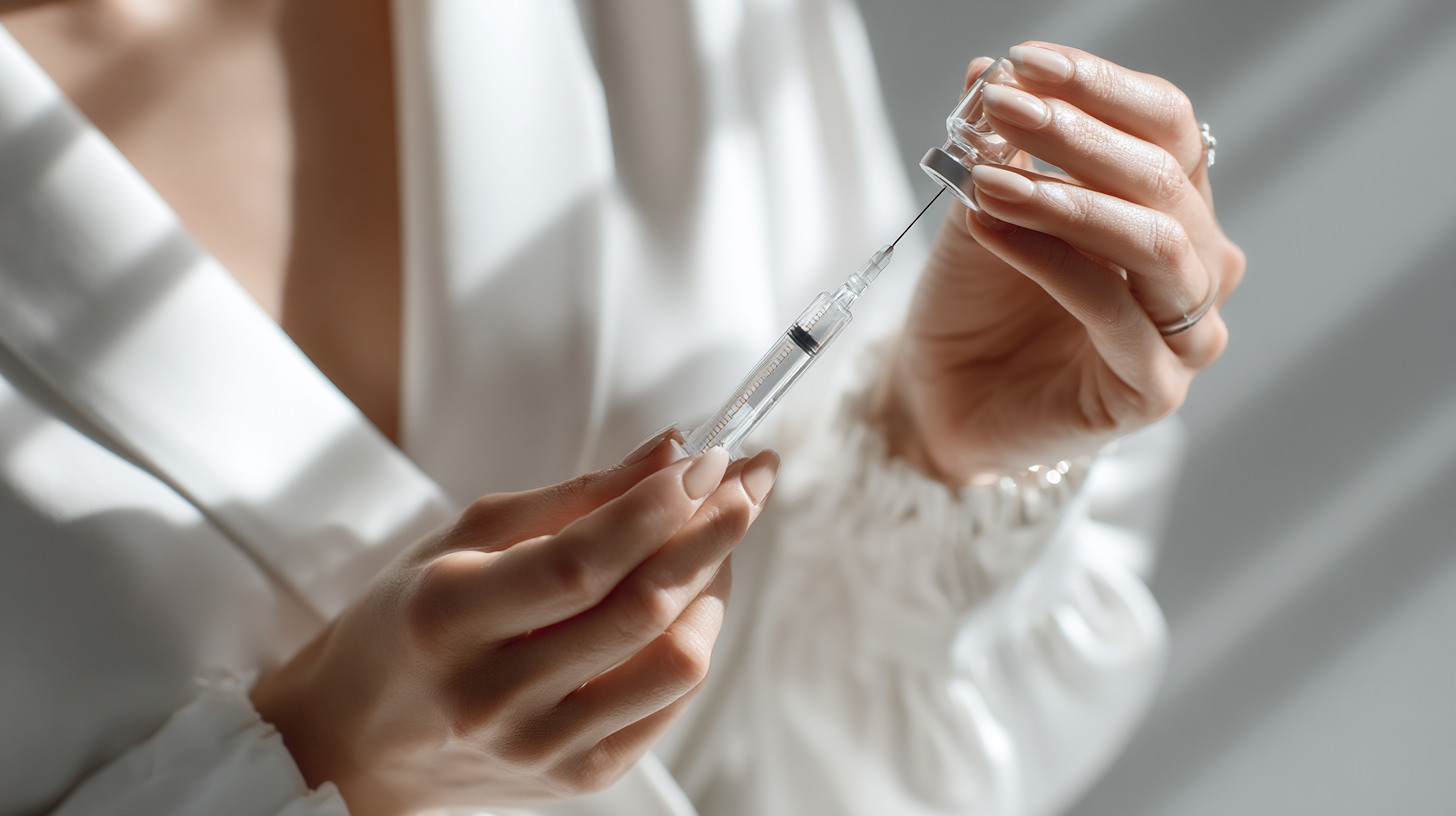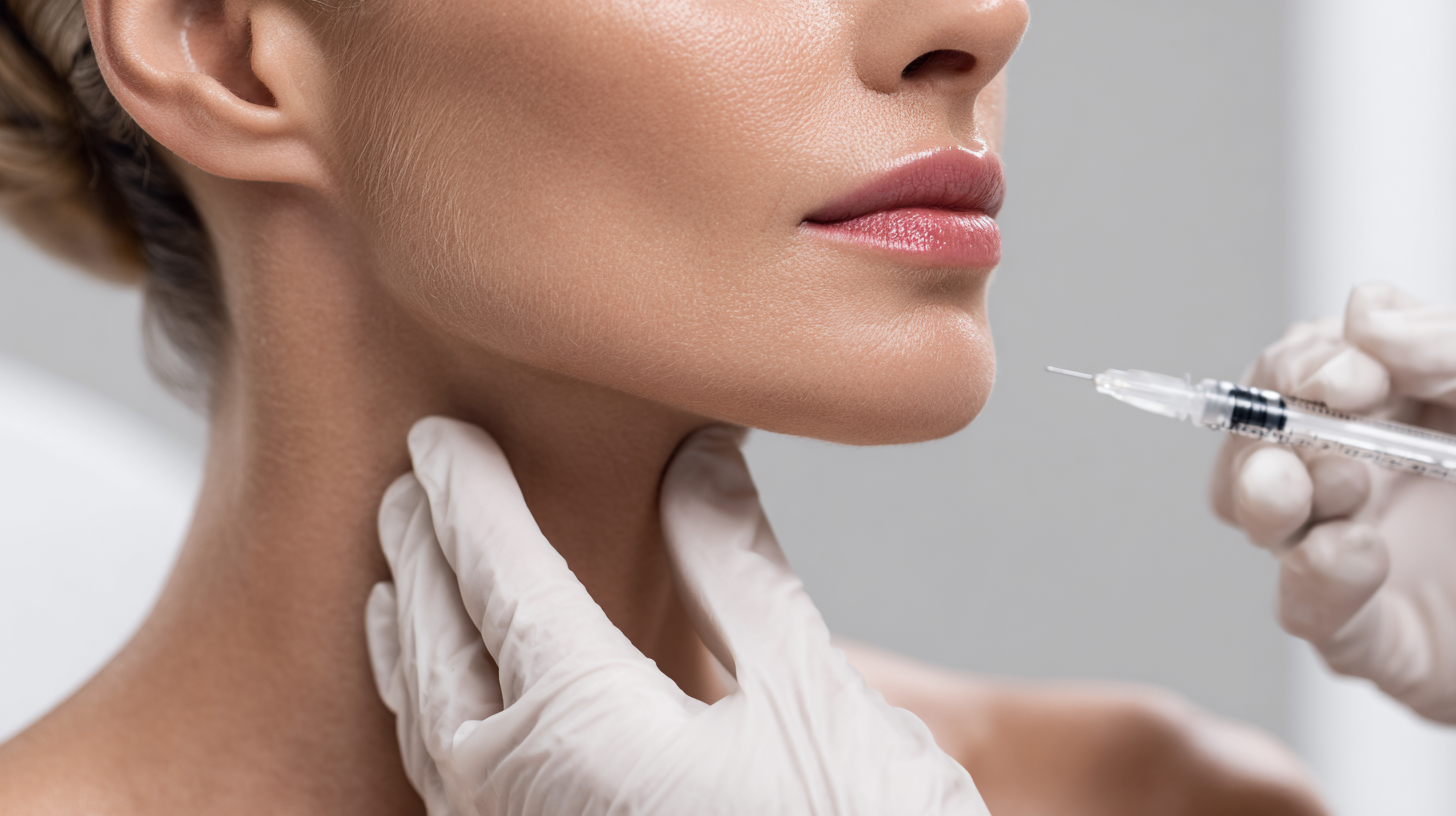
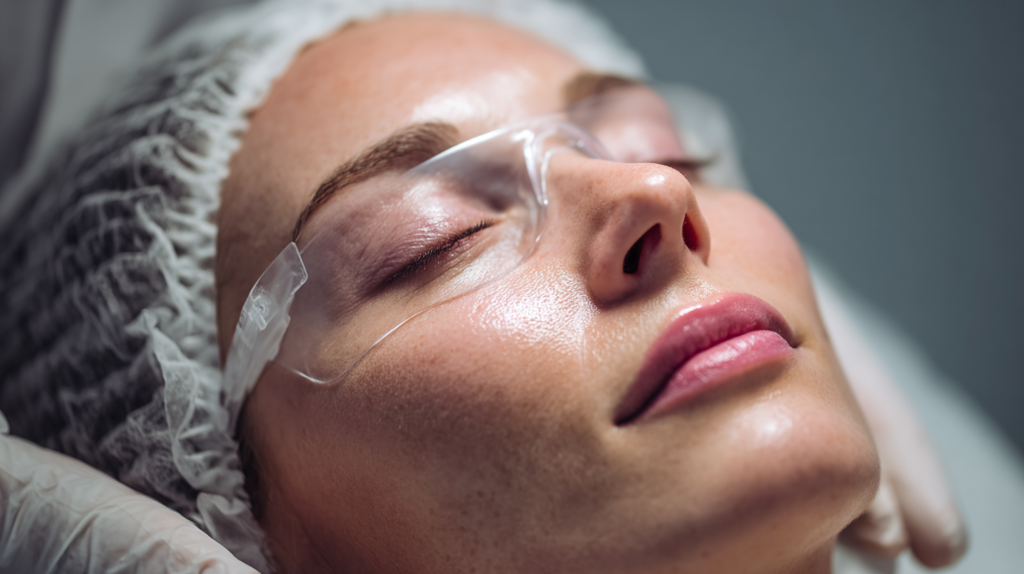
The approach to elective aesthetic care has evolved considerably over the past decade, moving away from purely reactive treatment toward a more thoughtful, proactive model. Patients are increasingly arriving at aesthetic clinics not to address dramatic visible changes but to support long-term skin health before significant concerns become established. This shift reflects a deeper understanding of how facial aging progresses at the cellular level and how laser treatments, energy-based treatments, and other non-invasive treatments may, when applied consistently, contribute to more predictable outcomes than waiting for visible deterioration to occur.
Today’s trends reflect a meaningful departure from the reactive model that once defined much of aesthetic medicine. Rather than reserving treatment for advanced aging signs or significant volume loss, many patients—particularly younger patients—are choosing to begin preventative care earlier, working with licensed providers to design treatment plans that align with their skin type, lifestyle, and long-term goals. Preventative aesthetics is not about altering natural beauty; it is about supporting and preserving it through informed, measured choices made in partnership with qualified medical specialists.
A New Philosophy in Elective Cosmetic Care
Preventative aesthetics—the practice of using elective treatments proactively to moderate visible signs of aging before they become pronounced—has moved from a niche concept to a major trend within modern aesthetics. Patients who once associated aesthetic treatments with dramatic transformations are now more likely to seek natural-looking results that reflect their goals for natural beauty and sustained skin quality. This change has been driven by broader access to information, evolving cultural attitudes toward self-care, and the expansion of non-invasive and minimally invasive treatments that require minimal downtime compared to traditional surgical procedures.
Provider education has also contributed meaningfully to this evolution. As medical specialists across medical specialties—including dermatology, plastic surgery, and aesthetic medicine—have developed a deeper understanding of how the skin ages structurally, treatment options have diversified to address concerns at earlier stages. Medical school curricula and postgraduate training in aesthetic medicine now place greater emphasis on collagen stimulation, photoaging, and tissue remodeling, equipping providers with tools to offer more predictable outcomes for patients across a wide range of skin type profiles.
Earlier Intervention Is Redefining the Aesthetic Patient Profile
Younger patients—broadly those in their mid-twenties to early forties—are increasingly choosing to begin preventative treatments before expression lines, skin laxity, or uneven skin quality become firmly established. Addressing the early stages of facial aging through collagen production support, pigmentation correction, and non-invasive skin tightening may contribute to a more gradual and natural-appearing aging trajectory over time, generally requiring less intervention than waiting until more aggressive treatments become necessary. This approach reflects a broader appreciation for long-term skin health over single-session results.
Gaining popularity among younger patients, preventative aesthetics is not driven by pressure to appear younger but by a desire to have greater agency over how skin health evolves. An elective consultation with a licensed provider helps patients understand how lifestyle factors and their specific skin type interact with the timeline of facial aging, and how aesthetic services can be incorporated thoughtfully and sustainably.
The Biology behind the Push toward Proactive Skin Care
Facial aging is a multidimensional process involving changes in skin quality, collagen framework density, subcutaneous volume, and soft tissue position—all of which begin earlier than most patients expect. The gradual reduction in collagen production that begins in the mid-twenties, combined with cumulative lifestyle factors such as sun exposure and oxidative stress, means that the skin’s structural foundation changes long before visible signs appear on the surface. Preventive care that begins during this phase may help slow and moderate this process more effectively than corrective approaches initiated later.
Understanding the biology of facial aging also helps patients set patient expectations that are grounded in reality rather than aspirational comparisons. Non-invasive treatments and minimally invasive treatments used preventatively tend to produce natural results that are subtle, cumulative, and highly personal—a different kind of outcome than the dramatic transformations sometimes associated with plastic surgery or aggressive treatments, but one that many patients find more aligned with their goals for natural beauty.
What Makes Laser Technology Central to Preventive Protocol
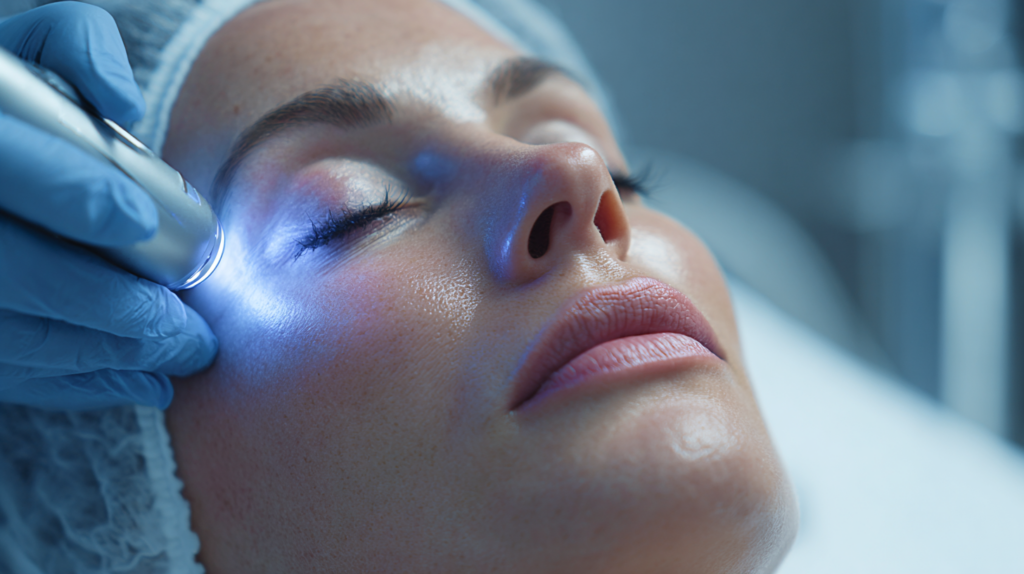
Laser skin treatments are among the most studied and widely applied tools in preventative care within aesthetic medicine. These elective procedures use focused light energy to address concerns ranging from uneven tone and texture to early skin laxity and expression lines, working within the skin’s natural repair processes rather than against them. When incorporated into a consistent treatment plan, laser treatments may contribute to sustained improvements in skin quality that accumulate across multiple sessions rather than producing a single isolated result.
A key advantage of energy-based treatments is their capacity to work at multiple tissue depths depending on the technology selected. Device-based treatments targeting the dermis support tissue remodeling and the collagen framework, while those focused on the epidermis address concerns such as pigmentation correction and surface texture. A licensed provider can determine which combination of different treatments most effectively addresses a patient’s specific profile, goals, and skin type.
The Structural Role of Collagen in Aging and Aesthetic Care
Collagen production—the body’s synthesis of structural proteins that give skin firmness, elasticity, and resilience—naturally declines beginning in the mid-twenties. Laser treatments and other energy-based treatments designed to stimulate collagen work by delivering controlled thermal or light energy to dermal tissue, triggering a repair response that encourages new collagen fiber formation. Over time, this process may support a denser, more organized collagen framework and contribute to improved skin quality with a firmer structural foundation.
Boosting collagen production is among the most commonly cited goals among patients pursuing preventative treatments, and it is a realistic one when treatment plans are designed with individualized expectations. Collagen stimulation from laser treatments is gradual and cumulative—clinical results typically develop over weeks to months following each session—and are influenced by age, sun exposure history, medical-grade skincare maintenance, and consistent sun protection.
Ablative Lasers and Skin Quality Improvement
Ablative lasers—devices that remove the outer layers of skin in a controlled manner to stimulate regeneration and remodeling—represent one of the more established categories within laser skin treatments. These effective treatments are commonly chosen for patients with textural irregularities, surface pigmentation, or early to moderate aging signs, and they generally require a defined recovery period compared to fully non-invasive procedures. Patient safety and thorough candidacy assessment are essential before pursuing ablative procedures, as skin type, photosensitivity, and prior treatments significantly influence how skin responds.
Ablative lasers typically deliver more pronounced clinical results per session than non-ablative alternatives, making them a practical option for patients who prefer fewer sessions with more visible change in skin quality. They are not appropriate for every patient, which underscores why consultation with a licensed provider trained in patient care and patient safety protocols is a required first step.
Device Technologies That Work below the Surface
Energy-based treatments extend well beyond surface improvements, addressing deeper structural concerns such as skin laxity and early tissue redistribution. Technologies including radiofrequency, focused ultrasound, and near-infrared devices deliver energy to subdermal tissue, promoting collagen stimulation and structural support without the recovery profile of surgical procedures. These non-invasive procedures are increasingly incorporated into preventative care plans for patients who want to maintain skin tightening and tissue resilience before laxity becomes more pronounced.
Non-surgical treatments in this category are growing in both sophistication and accessibility at qualified aesthetic clinics, where licensed providers assess patient safety and skin suitability before recommending a protocol. As regenerative medicine informs device development, non-invasive skin tightening options are producing more predictable outcomes for a wider range of patients than earlier generations of technology allowed.
Managing Skin Laxity with Non-Invasive Procedures
Non-invasive skin tightening is among the most requested aesthetic services for patients looking to address concerns about jawline definition, neck laxity, or subtle changes in facial rejuvenation without surgery. These non-invasive treatments stimulate the body’s own collagen-remodeling response, producing results that develop gradually across multiple sessions rather than appearing immediately. Managing skin laxity proactively—before significant structural change has occurred—is generally associated with natural results and fewer interventions needed over time.
Patient expectations are central to satisfaction with non-invasive skin tightening outcomes. Patients who understand that these elective procedures differ from surgical procedures in tissue repositioning capacity—and who approach treatment with individualized, realistic goals—tend to report more positive patient outcomes than those expecting dramatic transformations. Open communication with a licensed provider during consultation is essential for aligning expectations with realistic aesthetic procedure outcomes.
Pigmentation Correction and Smoother Texture
Pigmentation correction is a frequent goal among patients integrating laser treatments into a preventative aesthetics plan. Sun-induced discoloration, uneven tone, and early hyperpigmentation respond well to targeted laser treatments and energy-based treatments when matched appropriately to skin type and concern severity. Addressing pigmentation early tends to support natural-looking results and typically requires less intensive intervention than correcting established discoloration that has deepened over years of cumulative exposure.
Achieving a smoother texture is a related benefit of several non-invasive and mildly ablative lasers. Many patients report gradual improvements in surface uniformity and skin smoothness across multiple sessions, with clinical results that develop progressively. Patient safety protocols—including pre-treatment evaluation and diligent sun avoidance—are necessary for consistent patient outcomes and minimizing risk.

Building a Daily Foundation That Supports In-Office Results
Medical-grade skincare forms a critical foundation for patients pursuing preventative care as part of a comprehensive aesthetic medicine plan. Products formulated with clinically active ingredients—including retinoids, peptides, antioxidants, and growth factors—support and extend the clinical results achieved through in-office laser treatments and other aesthetic procedures. A licensed provider can recommend medical-grade skincare tailored to the patient’s skin type, treatment history, and goals for long-term skin health.
Regenerative therapies and regenerative medicine approaches have introduced new dimensions to modern aesthetics, offering patients elective options that harness biological processes to support tissue quality. These new treatments are gaining traction among patients who prefer approaches that work in concert with natural physiology, though candidacy varies and results are never guaranteed.
Platelet-Rich Plasma and Growth Factors in Modern Aesthetics
Platelet-rich plasma—a concentrated preparation derived from the patient’s own blood that contains proteins and growth factors associated with tissue support—is used in aesthetic medicine as an elective complement to laser treatments, resurfacing procedures, or as a standalone service. Growth factors within platelet-rich plasma preparations may support collagen production, skin hydration, and overall skin quality, making it a consideration for patients focused on preventative and regenerative aesthetic goals. Individual response varies considerably, and outcomes are typically gradual rather than dramatic.
Regenerative therapies such as platelet-rich plasma are not appropriate for all patients, and candidacy depends on health history and specific goals. A thorough consultation with a licensed provider is necessary to assess whether these elective services align with a patient’s overall treatment plans and patient expectations.
Chemical Peels as Part of a Preventive Treatment Plan
Chemical peels—treatments that apply a controlled exfoliating solution to promote cellular turnover and surface renewal—are among the most established preventative treatments in aesthetic care. When incorporated consistently into treatment plans, chemical peels may support pigmentation correction, smoother texture, and overall skin quality improvements that complement laser treatments in a broader aesthetic protocol. Selecting the appropriate peel depth and formulation requires careful evaluation of skin type, lifestyle factors, and current skin condition by a licensed provider.
Chemical peels range from superficial to medium-depth formulations within preventative care protocols, offering gradual, cumulative natural results with a risk profile generally lower than aggressive treatments or deeper procedures. Patient safety considerations and post-treatment care guidance should be clearly communicated before treatment begins.
Complementary Aesthetic Services That Support Facial Rejuvenation
Facial rejuvenation through preventative aesthetics rarely relies on a single modality. Comprehensive treatment plans often integrate laser treatments, non-invasive skin tightening, chemical peels, medical-grade skincare, and selective injectable options to address texture, tone, volume, and skin laxity in a coordinated way. This integrative approach is increasingly characteristic of aesthetic clinics that hold a deeper understanding of patient care and individual anatomy.
When different treatments are thoughtfully combined, the overall effect tends to feel more natural than any single treatment would produce in isolation. Licensed providers who understand the science of aesthetic medicine alongside the nuances of facial anatomy are best positioned to develop treatment plans that deliver natural beauty outcomes aligned with patient expectations.
Dermal Fillers and Addressing Significant Volume Loss
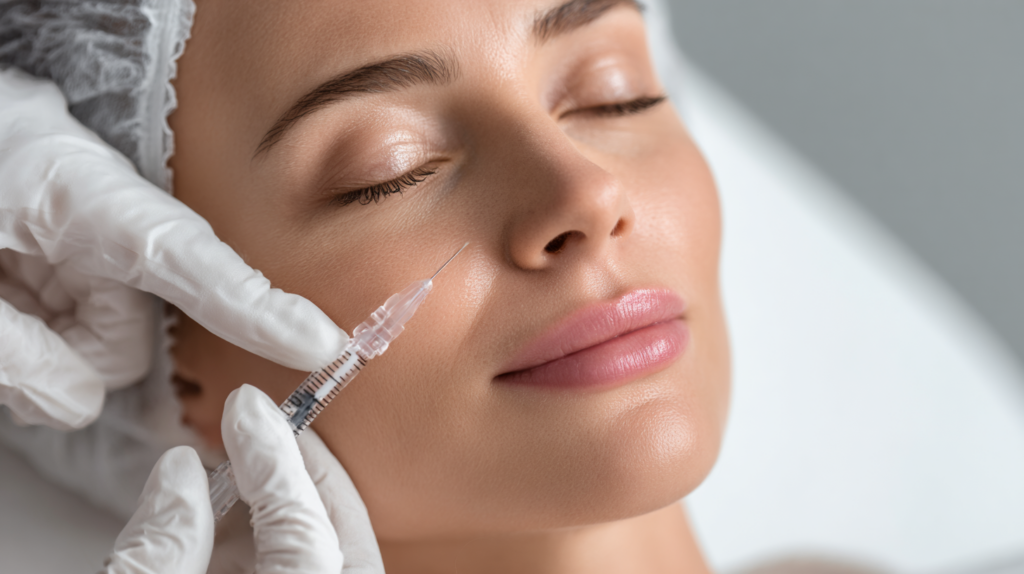
Dermal fillers—injectable gels used to restore volume, define contours, or soften the appearance of lines and hollows—are among the most widely used elective aesthetic treatments across both preventative care and restorative contexts. When used to address significant volume loss in areas such as the temples, midface, or perioral region, dermal fillers may contribute to a balanced, rested appearance that complements the textural and tonal benefits of laser treatments. Skilled and trained providers approach dermal fillers with attention to anatomy, proportion, and patient safety to support outcomes that appear individualized rather than altered.
Natural looking results with dermal fillers depend significantly on technique, product selection, and volume relative to each patient’s anatomy. Patients seeking facial rejuvenation that appears personally appropriate—rather than overfilled—are encouraged to discuss patient expectations openly during consultation and to confirm that their provider holds formal training in aesthetic medicine and non-invasive procedures.
Laser Hair Removal and Hair Restoration in Aesthetic Care
Laser hair removal is one of the most frequently requested elective aesthetic services and represents one of the most established applications of energy based treatments in aesthetic medicine. It is a non-invasive procedure that uses focused light to selectively target hair follicles, and many patients incorporate it as a long-term personal care solution alongside their broader aesthetic care plan. Appropriate skin type assessment and device selection are essential patient safety considerations that support consistent clinical results.
Hair restoration treatments—including platelet rich plasma applied to the scalp—represent a gaining popularity category within elective aesthetic services, often chosen by patients noticing early thinning who wish to address concerns before more significant loss occurs. This preventative intent mirrors the broader philosophy of preventative care increasingly guiding aesthetic procedures across categories, including non-invasive treatments and energy based treatments for the face and body contouring.
FAQ
Are laser treatments appropriate for younger patients?
Laser treatments and preventative treatments are increasingly considered for younger patients as part of a proactive approach to long term skin health and facial aging management. Candidacy depends on skin type, concern severity, and goals, and a licensed provider can assess whether non-invasive or minimally invasive treatments align with an individual’s current skin condition. Patient safety and realistic patient expectations are always the starting point for any elective aesthetic care conversation.
How many sessions are typically needed for preventive laser treatments?
Multiple sessions are generally recommended for laser skin treatments used in a preventative care context, with the number depending on the technology used, the treatment plans designed by a licensed provider, and individual patient outcomes. Clinical results from energy-based treatments and non-invasive procedures typically develop gradually over weeks to months, and ongoing treatment plans are often preferred for long-term skin health maintenance. A licensed provider will outline a realistic session plan based on skin type and specific goals during consultation.
Can non-invasive treatments replace surgical procedures?
Non-invasive treatments and minimally invasive treatments address different degrees of aesthetic change than surgical procedures or plastic surgery, and they are not appropriate substitutes when structural repositioning or significant correction is required. They are, however, well-suited to preventative care, early intervention, and maintenance for patients with more moderate goals and a preference for minimal downtime and natural results. A licensed provider can clarify which approach—non-surgical or surgical—is most appropriate based on anatomy, concerns, and patient expectations.
Conclusion
Preventative aesthetics represents a meaningful evolution in how patients and providers approach elective cosmetic care—one grounded in biology, individualization, and long-term thinking rather than single dramatic interventions. Laser treatments, energy-based treatments, non-invasive skin tightening, regenerative therapies, and medical-grade skincare each offer distinct contributions to a comprehensive aesthetic care plan, and their value compounds when incorporated consistently over time with appropriate clinical oversight. Patients who approach these aesthetic services with clear goals, informed patient expectations, and a commitment to supporting results through lifestyle factors are best positioned to experience durable, personally meaningful outcomes.
Individual results vary based on skin type, anatomy, health status, and adherence to post-treatment guidance, and all elective aesthetic procedures carry potential risks and contraindications that must be assessed before treatment begins. A licensed provider consultation is not a formality—it is the foundation of responsible aesthetic medicine and the most reliable path to more predictable outcomes aligned with each patient’s goals. Contact BluePoint Medical Spa to schedule a consultation with a licensed provider and discuss whether an elective aesthetic treatment plan is appropriate for your goals, skin type, and medical history.