
Body sculpting is an elective aesthetic approach designed to address localized stubborn fat in targeted areas that have not responded to diet and exercise. For patients considering these treatments, understanding the metabolic factors at play is an important part of setting realistic expectations and making informed decisions about which approach aligns with their personal goals and overall health. Body sculpting focuses not on overall weight loss but on reshaping specific zones where fat accumulation persists despite consistent lifestyle efforts.
Metabolic health plays a more prominent role in body sculpting outcomes than many patients initially expect. A patient’s metabolic rate, hormonal environment, fat distribution patterns, and commitment to long-term maintenance all influence how effectively fat reduction treatments deliver optimal results and how sustainably those results are preserved. Working with a licensed provider to assess individual needs before treatment begins is an essential step in building a realistic and personalized plan.
How Metabolic Rate Shapes Fat Reduction Treatment Outcomes
Metabolic rate, the speed at which the body converts nutrients into energy, directly affects how quickly the body processes and clears disrupted fat cells following a body sculpting treatment. A slower metabolism may extend the timeline over which results in the treated area becoming visible, since the lymphatic system requires adequate circulation and cellular activity to carry away naturally eliminated fat, and understanding how body sculpting compares with exercise for stubborn fat can help clarify which changes to expect from treatment versus training. Patients with underlying metabolic concerns may find that their response to body contouring treatments differs from generalized expectations, reinforcing why individualized consultation matters before committing to a treatment course.
Leptin Levels and Hormone Balance After Body Sculpting
Leptin levels, a hormone that regulates appetite and communicates the body’s energy status to the brain, play a meaningful role in fat loss and long-term weight management following elective treatment. When hormone balance is disrupted, often due to inadequate sleep, chronic stress, or inconsistent nutrition, the body may compensate by increasing fat accumulation in untreated areas, gradually offsetting the visual results achieved in targeted areas. Patients are encouraged to discuss hormonal and metabolic health considerations with their provider as part of a comprehensive treatment plan, particularly if prior efforts to lose weight or reduce stubborn fat have been inconsistent.
Understanding Fat Cells and How Body Sculpting Targets Them
Fat cells, referred to clinically as adipocytes, do not multiply significantly after early adulthood; instead, existing fat cells expand or contract as a person gains or loses weight, and many patients find it helpful to review in more depth what happens to fat cells after body sculpting when planning their contouring journey. Body sculpting treatment options are designed to disrupt a defined population of fat cells in stubborn areas such as the abdomen, flanks, or thighs, without affecting surrounding tissue. Importantly, new fat cells do not regenerate in the treated area, meaning the cells addressed during treatment are permanently reduced through programmed cell death—a controlled biological process in which targeted cells are naturally broken down and cleared—provided that weight remains stable following the procedure.
Visceral Fat, Stubborn Fat, and Targeted Areas
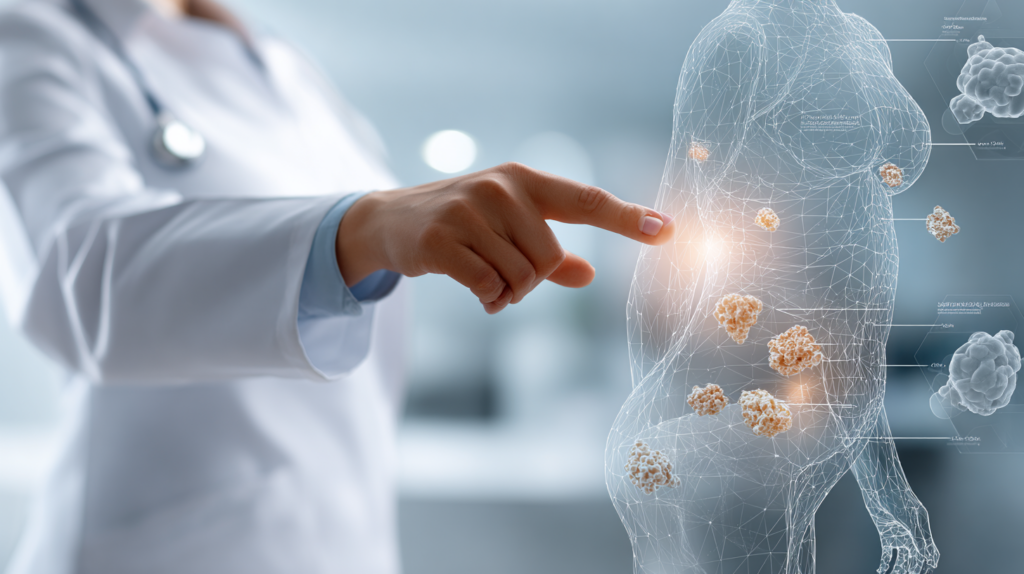
Visceral fat, deeper fat stored around internal organs, is not the primary focus of elective body sculpting technologies, which instead target subcutaneous stubborn fat sitting closer to the skin’s surface in specific stubborn areas. Non-surgical fat removal approaches such as TruSculpt ID use radiofrequency thermal energy to disrupt existing fat cells in the treated area, after which the lymphatic system processes and clears cellular debris over several weeks, similar to other methods that explain what happens to fat after body sculpting and how the body gradually reshapes over time. Understanding the distinction between visceral and subcutaneous body fat helps patients clarify which concerns nonsurgical methods are designed to address and which may require a broader approach to metabolic health and lifestyle habits.
Diet and Exercise as Foundations for Long-Term Maintenance
Diet and exercise are not prerequisites for undergoing elective body contouring, but they are the most reliable foundations for maintaining the long-term results of body sculpting that those treatments produce over time. Remaining fat cells throughout the body retain the capacity to expand if a patient begins to gain weight after treatment, gradually diminishing the definition achieved in targeted areas. A healthy diet built around whole foods, adequate protein, and consistent regular exercise supports the stable metabolic environment in which fat reduction outcomes tend to be most durable and most satisfying, especially for patients who wonder why they’re not losing fat after body sculpting as quickly as they expected.
Why Weight Remains Stable After Body Contouring Treatments
Sustaining a stable weight after a body sculpting procedure is one of the most important factors in allowing patients to enjoy long-lasting benefits from their treatment investment, particularly when combining lifestyle habits with body sculpting for fat reduction and muscle tone as part of a comprehensive plan. A starvation diet is counterproductive and can undermine results by triggering muscle mass loss, disrupting leptin levels, and creating an energy deficit that destabilizes metabolic health and shifts fat distribution patterns unfavorably. Instead, a sustainable approach that combines a healthy diet with strength training and regular physical activity supports both muscle tone and overall body composition, creating a more defined and lasting aesthetic outcome.
Nonsurgical Treatments and Their Metabolic Considerations
Nonsurgical treatments and nonsurgical methods for fat reduction work within the body’s own biological processes rather than mechanically removing tissue as surgical procedures do, and patients often turn to expert articles—such as those on our body sculpting and skincare blog—to better understand how these options fit into their overall plan. These elective options rely on the lymphatic system to clear naturally eliminated fat cells over time, which means results develop gradually, typically over several weeks, and the pace of clearance is influenced by metabolism, circulation, hydration, and metabolic rate. Multiple sessions are commonly recommended to achieve the intended aesthetic goal, and a licensed provider can outline a realistic session plan based on the patient’s anatomy, body fat distribution, and individual needs.
Radiofrequency Treatments, Collagen Production, and the Lymphatic System
Radiofrequency treatments deliver controlled thermal energy to subcutaneous tissue, disrupting fat cells in the treated area while simultaneously stimulating collagen production, the body’s natural process of generating structural proteins that support skin firmness and elasticity, and are part of the advanced, clinically guided care available at our Las Vegas medical spa. As fat cells undergo programmed cell death, the lymphatic system processes and clears cellular debris, which is why patients are encouraged to stay hydrated and maintain regular physical activity to support circulation during the reduction phase. The combined effect of fat reduction and collagen production makes radio frequency treatments a commonly chosen elective option among patients seeking to address both localized stubborn fat and overlying skin quality within the same treatment course, guided by a medical spa team of aesthetic experts who can tailor settings and session plans.
FAQ
Will I gain weight back after a body sculpting treatment?
Remaining fat cells in untreated areas can still expand if a patient gains weight after treatment, which may gradually diminish results in targeted areas. The fat cells addressed during treatment are permanently reduced, but this does not prevent the body from storing fat elsewhere when more calories are consumed than expended over time. Maintaining a stable weight through a consistent diet, exercise, and regular physical activity is the most reliable strategy for preserving long-term outcomes.
How many sessions are typically needed for optimal results?
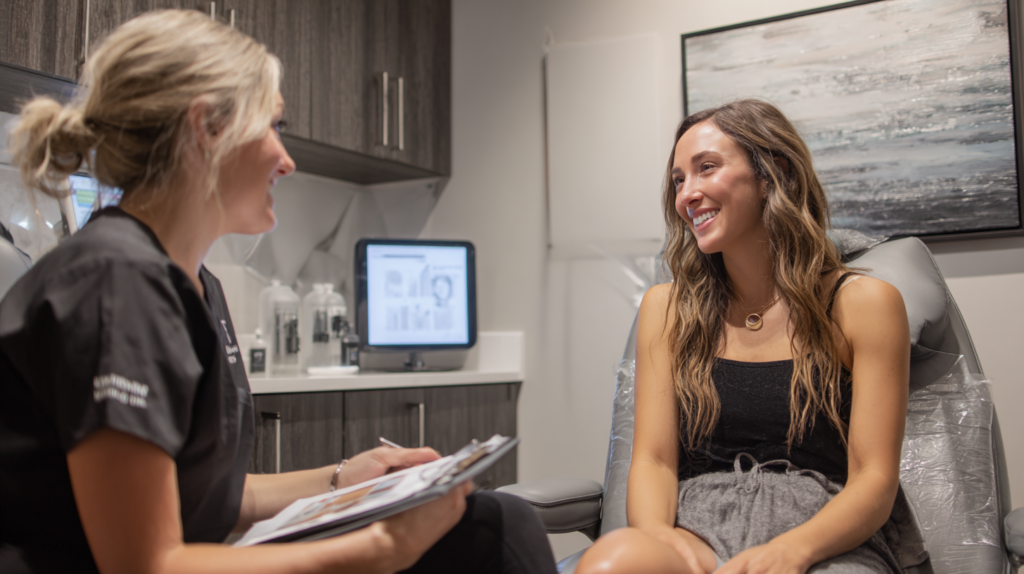
Multiple sessions are commonly recommended for body sculpting and body contouring treatments, with the exact number depending on the treated area, the technology selected, and the patient’s individual needs. Metabolism and lymphatic system clearance rates influence how gradually results develop, so patients should expect visible changes to appear over several weeks rather than immediately. A licensed provider will outline a personalized session plan during consultation based on anatomy and fat reduction goals, and you can begin this process by booking a free medical spa consultation to review your options.
Can body sculpting replace a healthy diet and exercise routine?
Body sculpting focuses on reducing localized stubborn fat in targeted areas and is not designed as a substitute for diet and exercise or a method to achieve overall weight loss. Nonsurgical treatments deliver the most durable outcomes when combined with a healthy diet, strength training, muscle preservation habits, and regular physical activity, especially when they are part of a comprehensive skin, body, and wellness program tailored to the individual. Patients who approach body sculpting as a complement to—rather than a replacement for—a healthy lifestyle consistently report more satisfying and long-lasting reduction results, particularly when they work within a personalized skincare and body treatment plan.
Conclusion
Body sculpting outcomes are shaped by biology, lifestyle, and the metabolic environment each patient brings to their treatment, which is why working with a medical director like Dr. Danka K. Michaels, M.D. to align treatment with health status can be so valuable. Fat reduction treatments and body contouring are elective services that perform best when supported by adequate sleep, a healthy lifestyle, and realistic expectations—all central to our approach to luxury medical spa skin treatments. Remaining fat cells in untreated areas retain the capacity to expand with weight gain, which is why long term maintenance through diet and exercise remains a core part of the patient’s responsibility after treatment.
Individual results vary based on metabolic health, hormone balance, anatomy, and skin condition—and tailored guidance is especially important for those seeking skincare aligned with their skin tone. A licensed provider consultation is an essential first step because the most meaningful outcomes emerge when treatment is matched to individual needs, health history, and practical considerations such as medical spa payment plans and financing options. Contact BluePoint Medical Spa to schedule a consultation, explore our skin and body services, and stay informed through our skincare and wellness blog.