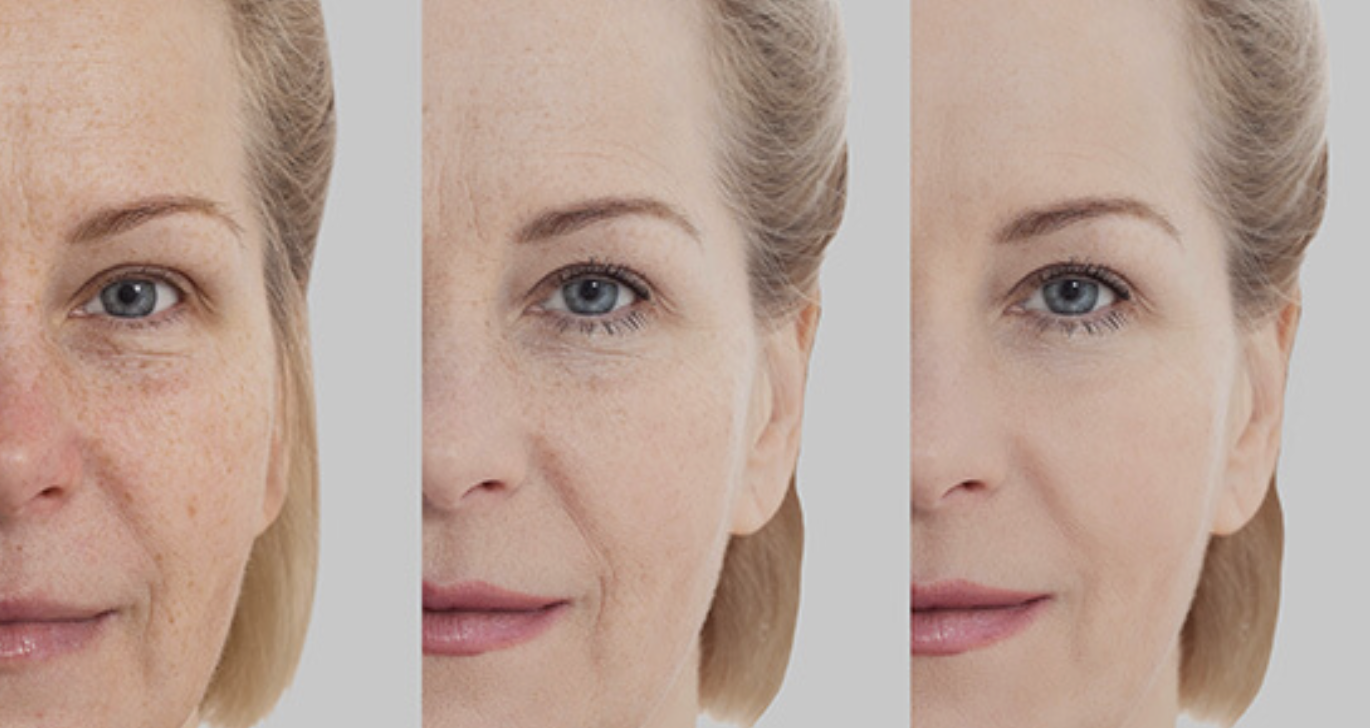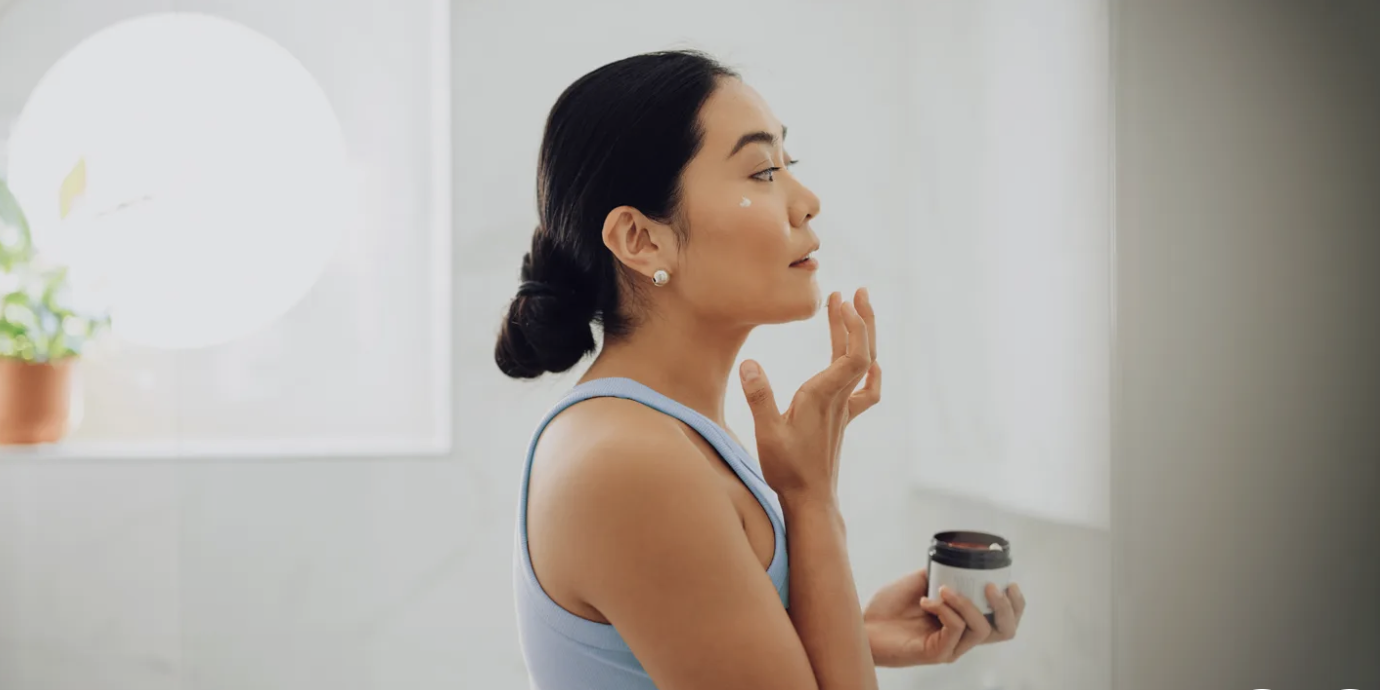
Many patients want glowing skin, smoother texture, and a healthier appearance, but long-term change usually comes from what happens throughout the day and over time, not from one product or one appointment. The skin is a living organ that responds to repetition, environment, and overall health.
That is why understanding how daily skincare habits influence long-term skin quality matters in a med spa setting. Patients often focus on visible treatments, yet their daily routine plays a major role in maintaining healthy skin, supporting comfort, and protecting results between visits.
At BluePoint Medical Spa, this topic aligns with real patient goals. People are often not asking for perfection. They are asking why their skin looks dull, reactive, uneven, or older than expected, and whether better habits can support healthier, more radiant skin over time.
The answer is usually yes, but in a realistic way. Daily habits do not stop time, yet they strongly influence skin health, barrier stability, hydration, tone, and how well skin tolerates both home care and professional treatments.
Why Skin Quality Changes Despite Product Use
One common reason is inconsistency. Patients may buy good formulas, then use them irregularly, switch too often, or stop when they do not see a quick change. Skin usually responds better to repeated support than to constant disruption.
Another reason is a mismatch. A routine may include trendy ingredients, but not address the patient’s skin type, sensitivity, or actual specific skin concerns such as dry skin, congestion, or uneven tone. When that happens, irritation may replace progress.
There is also the issue of expectation. Many people hope for immediate changes, yet most improvement depends on skin renewal, gradual skin repair, and the time it takes for skin cells to cycle and respond to treatment.
Daily choices outside the bathroom matter too. Poor sleep, stress, inconsistent sun protection, dehydration, and diet patterns may influence how the skin looks and feels, even when the product shelf seems impressive.
What Healthy Skin Needs Daily
Healthy skin needs cleansing that removes buildup without stripping the surface. Gentle cleansing supports the skin barrier and reduces the chance that routine care itself becomes a source of irritation.
It also needs a moisture balance. Proper hydration and a suitable moisturizer help support the skin’s protective barrier, which is important for comfort, resilience, and a smoother feel.
Protection is another daily need. Regular sun protection reduces exposure to harmful UV rays, which are linked to premature aging, uneven pigmentation, and increased skin cancer risk.
Finally, skin benefits from routine rather than intensity. A calm, repeatable plan is often more effective than aggressive cycles of over-treatment followed by long gaps.
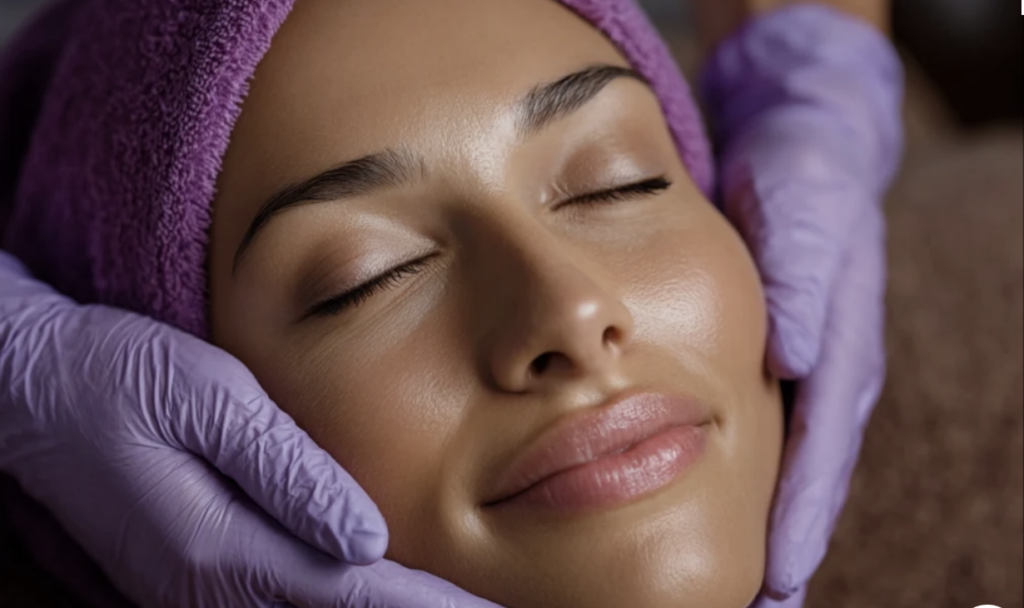
How the Skin Barrier Affects Long-Term Health
The skin barrier is the outer defensive layer that helps hold moisture in and keep irritation out. When it is stable, skin tends to look calmer, feel more comfortable, and tolerate active ingredients more predictably.
When the barrier is disrupted, patients may notice tightness, redness, flaking, or increased reactivity. This can make almost any product feel harsher, including formulas that were meant to improve the skin.
Barrier health also influences appearance. Skin that is less inflamed and better hydrated often looks more even, smoother, and more naturally luminous, which many patients describe as a natural glow or healthy radiant skin.
Because of this, the best skin strategy is not always stronger treatment. Sometimes it is restoring balance so the skin becomes more resilient over time.
How Lifestyle Habits Influence Skin Aging
Lifestyle habits shape inflammation, repair, and recovery in ways patients often underestimate. The skin does not function separately from the rest of the body.
For example, quality sleep supports repair and normal physiologic rhythms, while chronic sleep deprivation has been associated with impaired barrier function and changes in visible skin quality.
Stress matters too. Chronic stress and ongoing stress can disrupt barrier function and may worsen inflammatory tendencies, which affect texture, comfort, and the way skin recovers from daily exposure.
In that sense, skin reflects overall patterns. Good care supports the face, but sleep habits, emotional strain, and general wellness still influence long-term skin health.
Why Sun Protection Is Essential Daily
Daily sun protection is central because repeated sun exposure adds up. Even when patients are not sunburned, cumulative UV rays can contribute to skin aging, spots, laxity, and a rougher texture.
A broad-spectrum sunscreen helps protect against UV-related damage, and it works best when used consistently rather than only at the beach. This is especially important for patients investing in brightening care, resurfacing, or pigmentation-focused treatment.
Other daily tools matter too. Protective clothing, shade, and mindful outdoor habits give extra support when exposure is higher.
Without regular protection, patients may feel they are working against themselves. Good products may support repair, but unprotected UV exposure keeps adding new stress.
How Cleansing and Hydration Shape Skin
A balanced cleanse removes sweat, sunscreen, makeup, and particles that may clog pores without unnecessarily drying the surface. This matters because over-cleansing may leave skin more reactive and less comfortable.
Hydration supports flexibility and visual smoothness. Well-moisturized skin often appears softer and more even, while dehydration can make skin texture, dullness, and fine lines more noticeable.
This does not mean every patient needs the same formula. The goal is a routine that respects skin type and keeps the surface calm enough to support skin renewal rather than constant recovery from irritation.
Over time, these small steps influence how skin feels in the mirror. Consistent basics often do more for even skin tone and daily comfort than frequent routine changes.
Do Active Ingredients Improve Skin Over Time
They often do, but only when chosen thoughtfully. Vitamin C is commonly used to support brightness and defend against environmental exposure, while retinoids may support smoother texture and improvement in visible signs of aging over time.
These ingredients are powerful because they work gradually. They do not create a permanently youthful appearance overnight, but their repeated use may support a brighter tone, a refined texture, and more stable progress.
The challenge is tolerance. Strong formulas can irritate the skin when introduced too quickly, especially in patients with sensitive skin or an already weakened barrier.
That is why an effective skincare routine depends on pacing, not just potency. The strongest formula is not always the smartest one.
How Over-Exfoliation Harms Skin
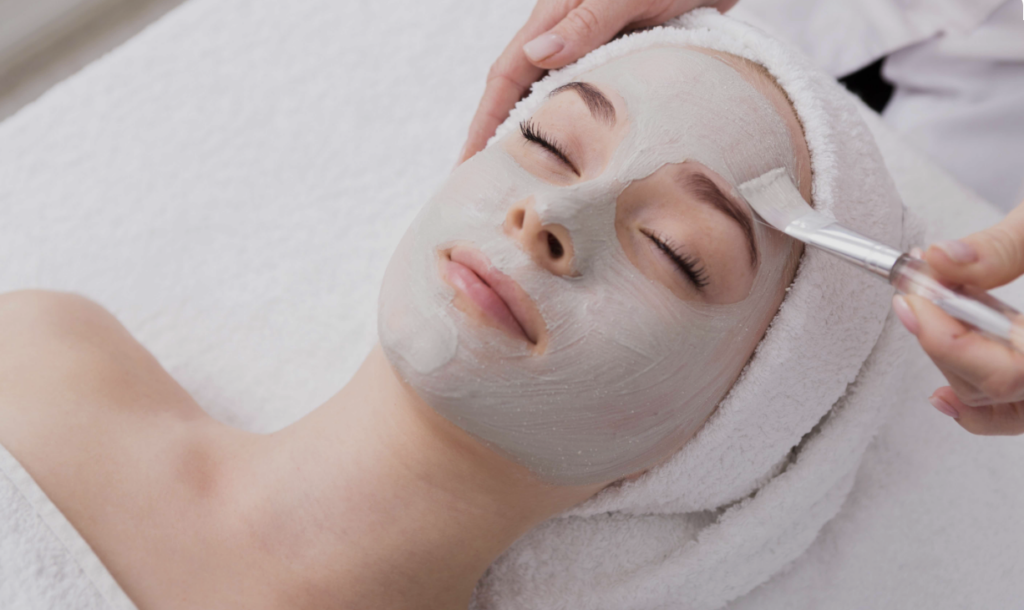
Excessive exfoliation is a common reason patients experience burning, dryness, peeling, and rebound sensitivity. It may temporarily make skin feel smooth, then leave it more vulnerable afterward.
This happens because over-exfoliation can disrupt the skin’s natural protective function. Instead of encouraging a healthy skin renewal process, it may keep the surface in a state of irritation.
Patients sometimes interpret that irritation as proof that a product is working. In reality, chronic inflammation can interfere with comfort and make texture or uneven pigmentation harder to manage. A more sustainable approach is controlled exfoliation with enough recovery time between stronger products or treatments.
How Diet and Health Support Skin Repair
Skin depends on internal support as well as topical care. A balanced diet that includes nutrient-rich foods, healthy fats, and adequate protein supports normal repair and barrier function. This does not mean there is one perfect menu for all patients. It means that a balanced diet rich in whole foods, along with adequate fluids, is part of how the body supports collagen production, inflammation control, and tissue maintenance.
Blood flow matters as well. The body has to deliver water, oxygen, and nutrients where they are needed, and that is part of why general health habits influence the appearance of the skin over time. In practical terms, overall health, stable body weight, hydration, and daily nourishment all contribute to the environment in which the skin functions.
How Sleep and Stress Affect Skin Health
Sleep is when repair pathways and recovery processes have a chance to operate more effectively. When rest is inconsistent, patients may notice dullness, increased sensitivity, or slower recovery after irritation or treatment.
Stress management matters because the skin and nervous system are closely connected. When patients are under strain, inflammation and barrier disruption may become more noticeable.
That does not mean skincare has to become another source of pressure. Often, the best strategy is a realistic routine that supports both appearance and mental health by reducing friction in daily life.
Small, repeatable habits usually outperform perfect intentions. Consistency in sleep and stress care often supports the same long-term goals patients want from products.
How Environmental Stressors Affect Skin
Skin faces repeated exposure to environmental pollutants, dry air, temperature shifts, and sunlight. These environmental stressors can increase irritation, dullness, and barrier strain over time.
This is one reason a morning routine matters. Protection applied early supports the skin before exposure accumulates throughout the day.
It is also why skin may seem unpredictable from season to season. Changes in weather, indoor heating, air conditioning, and city exposure all influence how the barrier behaves.
When patients understand this, they tend to choose routines that are steadier and less reactive to short-term trends.
Where Treatments Fit in Skincare Plans
Professional treatments often work best when they are part of a broader plan rather than a substitute for daily care. In-office services may address specific skin concerns, but home habits affect how long results feel maintained.
This is especially true for patients focused on brightness, tone, or texture. Treatments can move progress forward, yet the day-to-day routine often protects that investment.
That does not mean every patient needs expensive or complex care. Some benefit from carefully chosen over-the-counter products, while others may be guided toward medical-grade products depending on goals and skin history.
The key is alignment. The most useful plan is one that patients can actually follow consistently.

FAQ
How long does it take for a skincare routine to show visible results?
Many routines need several weeks of regular use before changes become easier to notice. Some ingredients, especially retinoids, may take longer than patients expect.
Can I still improve my skin if I already have signs of aging?
Yes, but realistic expectations matter. Daily sun protection, barrier support, and consistent use of appropriate ingredients may improve tone, texture, and overall skin appearance over time.
Do professional treatments replace a daily skincare routine?
Usually no. In-office treatments and daily care tend to work best together, because home habits influence maintenance between visits.
Conclusion
Long-term skin quality is rarely defined by a single product or a one-time treatment. It is shaped by the daily patterns that influence how skin functions over time, including cleansing, hydration, sunscreen use, sleep, nutrition, stress levels, and the consistency of a routine that respects the skin’s natural repair processes rather than repeatedly overwhelming them.
That is often the difference between short-term enthusiasm and meaningful progress. Patients who take a more consistent, informed approach are usually better positioned to support smoother texture, more even tone, greater comfort, and a healthier-looking appearance over time. Instead of chasing quick fixes, they can focus on habits that align with long-term skin goals and realistic expectations.
For patients who want a routine that feels thoughtful, personalized, and sustainable, BluePoint Medical Spa offers a more guided path forward. Schedule a consultation to discuss your skin concerns, review your current routine, and create a plan that supports your skin, your lifestyle, and your long-term priorities.