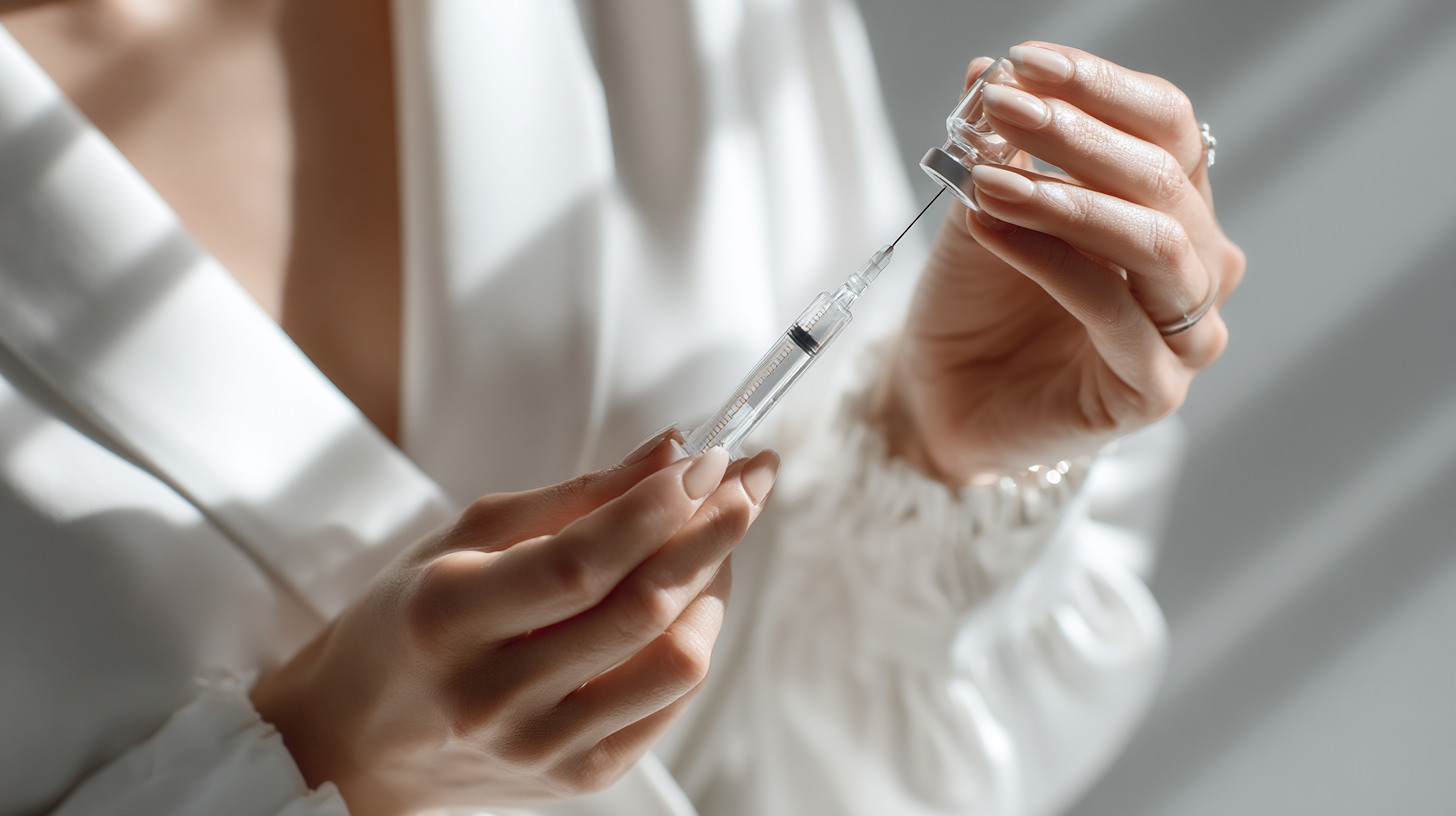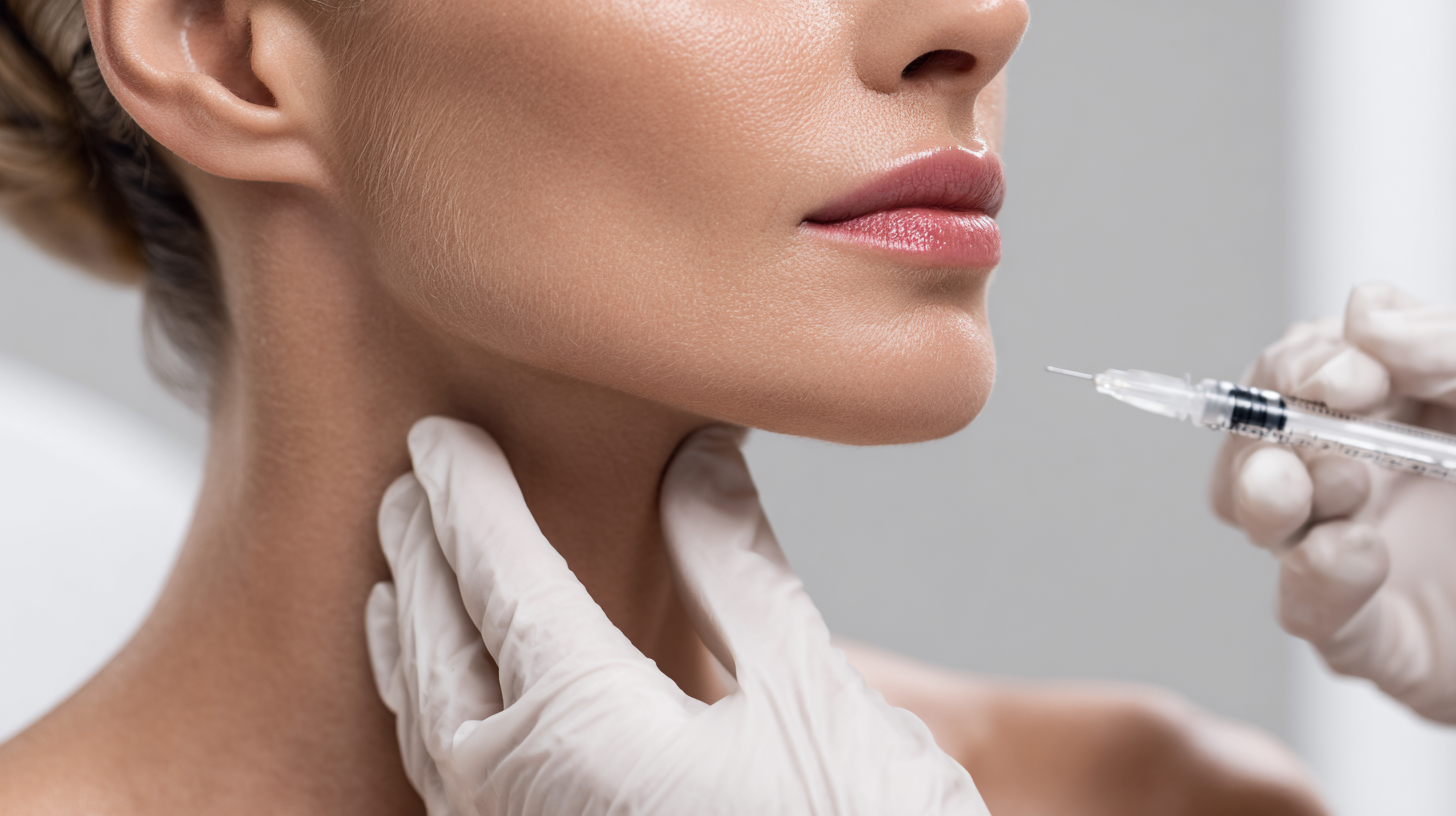
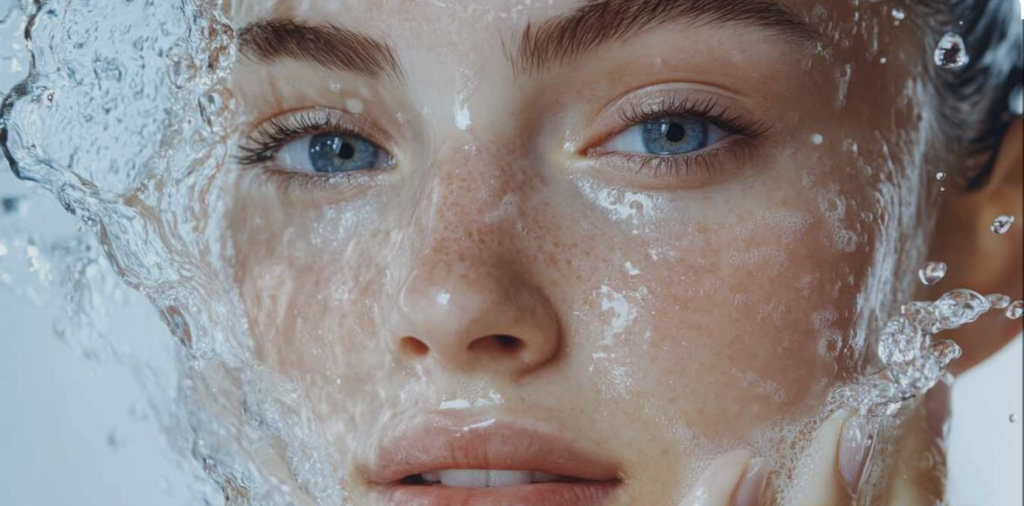
Patients often focus on treatment names, devices, or active ingredients first. Just as important, however, is whether the skin is properly hydrated before, during, and after care.
That matters because skin hydration influences comfort, texture, barrier recovery, and how the skin responds to facials or exfoliating services. Dermatology guidance consistently connects moisture support with better skin barrier function and reduced dryness.
At BluePoint Medical Spa, facial services are personalized to different concerns and skin types. That makes hydration an important part of treatment planning, not just an optional add-on.
When patients ask why skin hydration plays a major role in facial treatments, they are usually asking a practical question. They want to know why some skin looks smoother, calmer, and more receptive to treatment than skin that feels tight, dull, or reactive.
How Dehydrated Skin Affects Facial Treatments
Dehydrated skin often feels tight, looks dull, and may show fine lines more easily. When the skin lacks water, the surface can appear less smooth and less resilient. That can affect the treatment experience. Skin that already feels stressed may become more reactive during exfoliation, extraction, or post-treatment recovery.
Patients sometimes confuse dehydrated skin with dry skin, but they are not the same. Dry skin lacks oil, while dehydrated skin lacks water, and both can exist together. This distinction matters because oily skin, combination skin, and acne-prone skin can still be dehydrated. When that happens, the skin may produce excess oil while still feeling uncomfortable.
How Hydration Supports the Skin Barrier
The skin barrier helps keep moisture in and outside irritants out. When that barrier is supported, the skin is often calmer, more comfortable, and better able to maintain moisture balance. Dermatology sources recommend moisturization because it helps restore the skin’s protective barrier. That is directly relevant to facial care and recovery.
A stable barrier also supports the skin’s ability to tolerate exfoliation and treatment products. That does not guarantee results, but it may reduce unnecessary irritation. In simple terms, the skin’s barrier function helps determine whether the face feels soothed after treatment or stripped afterward. That is one reason hydration and facial effectiveness are closely linked.
Why Hydrating Facials Work for All Skin Types
Hydrating facials are often useful because they focus on replenishing water and supporting the barrier rather than aggressively resurfacing the skin. That approach may suit patients looking for comfort, glow, and maintenance.
BluePoint Medical Spa describes its facials as tailored to each patient’s needs. In that kind of setting, hydration can be adjusted for sensitive skin, oily skin, or dry skin rather than treated as a one-size-fits-all issue.
When hydrating facials work well, patients often notice a softer texture and a fresher appearance. The benefit is usually related to restoring moisture, supporting the barrier, and reducing visible dryness.
That can be especially relevant when skin concerns include roughness, temporary dullness, post-travel dehydration, or irritation from weather and environmental factors.
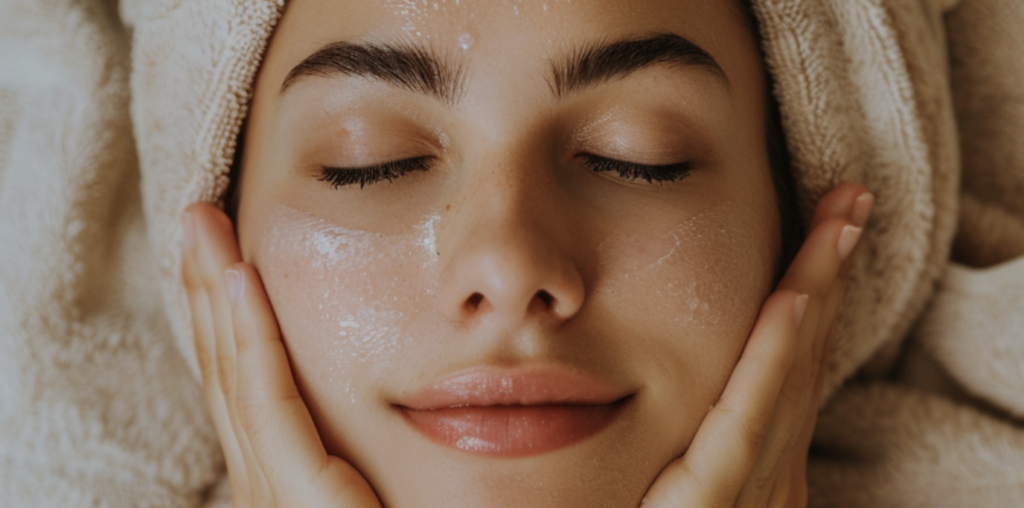
Best Ingredients for Skin Hydration
One of the most recognized hydrating ingredients is hyaluronic acid. Cleveland Clinic notes that it acts as a humectant, meaning it helps bind water to the skin.
That is why hyaluronic acid appears so often in facial products and treatment support. It is commonly used in serums, moisturizers, and some professional facial protocols.
Other helpful ingredients may include aloe vera, shea butter, and lipids such as fatty acids, depending on the product and skin type. These are typically chosen to support moisture retention and reduce surface dryness. The goal is not just adding moisture once. It is helping the skin retain moisture more effectively over time.
How Hydration Improves Skin Texture and Glow
Hydration can visibly affect skin texture. When the surface is better moisturized, the skin may look smoother and less flaky. That is one reason hydrated skin is often associated with a healthy glow or radiant glow. It reflects light more evenly than skin that looks tight, rough, or stressed.
Hydration may also make dead skin cells less noticeable on the surface. It does not replace exfoliation, but it can reduce the look of dryness-related buildup. Patients often describe this as more glowing skin, a softer feel, or a more luminous complexion. Those visible changes are part of why hydration is central to facial care.
How Exfoliation and Hydration Work Together
Exfoliation can help remove dead cells and improve dullness. But when it is too aggressive, it may strip moisture and weaken the protective barrier.
That is why gentle exfoliation is often a better fit than harsh overuse, especially for sensitive skin. A balanced plan aims to smooth the surface without creating more skin dryness than the skin can manage.
After exfoliation, hydration becomes even more important. Supporting recovery helps the face feel calmer and may improve how skin looks after treatment.
This matters with both routine facials and stronger services such as chemical peels, where recovery planning influences comfort and visible results.
How Hydration Supports Overall Skin Health
Chemical peels work by encouraging controlled exfoliation with a chemical solution. Because they affect the surface, the skin may need extra moisture support afterward. When the barrier is already weak, recovery may feel less comfortable. Hydration does not eliminate peeling or sensitivity, but it supports the skin during that transition.
Aftercare usually focuses on protecting the barrier, reducing irritation, and avoiding unnecessary dryness. That is why post-peel hydration is part of responsible treatment planning. Patients preparing for exfoliating services often do better when their skin is not already severely dry or reactive going in.

Does Acne-Prone Skin Need Hydration?
Acne-prone skin is often overtreated with drying products. That may leave the face irritated while doing little to improve long-term balance. When the skin feels stripped, it may respond with more discomfort and sometimes more visible oiliness. That is why hydration still matters in acne-focused routines.
The goal is not heavy residue that may clog pores. It is choosing appropriate hydrating products that respect breakout-prone skin. A gentle cleanser, a lightweight hydrating serum, or a supportive hydrating mask may be more useful than repeatedly drying the face out.
How Hydration Supports Overall Skin Health
Moisture support is not only cosmetic. It relates to overall skin health, daily comfort, and the skin’s ability to respond to outside stress.
Healthy hydration supports the skin cells at the surface and the barrier systems that help defend against irritation.
That can matter when patients deal with sun exposure, indoor heating, travel, or treatment recovery. These stressors can increase moisture loss and leave skin less comfortable.
In that sense, helping keep your skin hydrated supports both appearance and function.
How Facial Techniques Support Hydration
Product choice matters, but treatment technique matters too. Facial massage may support relaxation and temporary blood flow, which can contribute to a refreshed look.
Moisture-focused steps such as masks, serums, and soothing finishes are often used to replenish moisture during facial care. Their purpose is usually support, not dramatic transformation.
Some practices also combine hydration-focused care with light therapy or calming treatment steps. These approaches should still be matched to the patient’s goals and skin history.
The most effective facial is usually not the harshest one. It is the one that leaves the skin more supported, not more depleted.
Why Professional Guidance Matters for Hydration
Patients do not always know whether they are dealing with dryness, dehydration, sensitivity, or a disrupted barrier. That is where professional assessment becomes useful.
A board-certified dermatologist is the medical specialist for diagnosing skin disease, while a med spa provider can guide cosmetic treatment planning within the services offered. Patients with persistent rash, severe irritation, or medical skin concerns may need dermatology evaluation.
Professional guidance is also important because not every moisturizer or exfoliant fits every face. Good planning helps match skincare products to real needs rather than trends.
That is especially relevant when a patient wants more than a temporary glow. Long-term care usually depends on a realistic skincare routine and consistent moisture support.
FAQ
Can oily skin still be dehydrated?
Oily skin can still lack water, which may leave it feeling tight while also looking shiny. That is one reason hydration should not be reserved only for visibly dry skin.
What helps improve skin hydration at home?
A gentle cleanser, regular moisturizer, and hydrating ingredients such as hyaluronic acid are common starting points. Avoiding overly harsh exfoliation may also help protect the barrier.
Do hydrating facials replace a skincare routine?
Usually no. In-office facials and home care work best together because daily maintenance helps support the moisture balance achieved during treatment.
When should I see a dermatologist instead of only getting a facial?
If you have persistent redness, rash, painful breakouts, severe irritation, or a skin condition that seems medical rather than cosmetic, a dermatology evaluation is appropriate. A facial may support comfort, but it does not replace a medical diagnosis.
Conclusion
Hydration affects how skin feels, how it recovers, and how well it tolerates treatment. When skin is better supported, patients are often in a stronger position to maintain comfort, smoother texture, and a healthier, more glowing skin appearance.
That does not mean every concern is solved with moisture alone. It means improving skin hydration is often one of the most practical ways to support skin’s healthy function before and after facial care.
For patients who want facial treatments that align with their skin type, comfort level, and long-term goals, schedule a consultation with BluePoint Medical Spa to review your current routine, your moisture needs, and the most appropriate next steps.