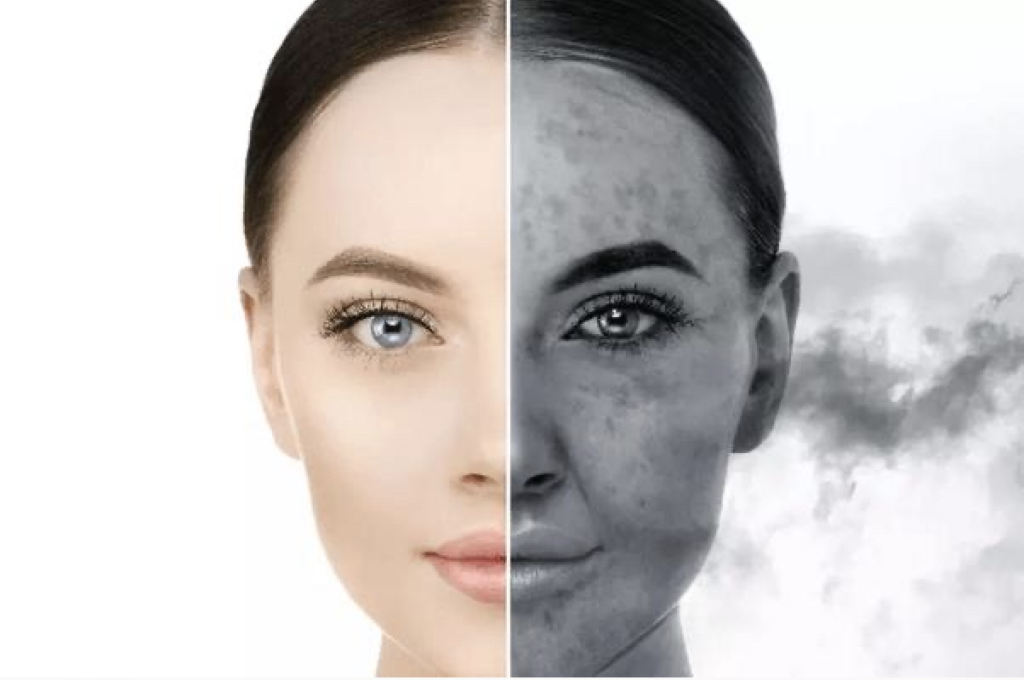
Skin does not age based on chronological age alone. While intrinsic aging is the natural process linked to time and genetics, extrinsic skin aging is shaped by environmental factors and daily habits that influence how skin looks, feels, and functions over the years. Ultraviolet radiation, air pollution, heat, cold, wind, and repeated irritation can all affect the skin barrier, trigger oxidative stress, and contribute to visible signs such as wrinkles and fine lines, uneven pigmentation, dry skin, and changes in texture.
For many patients, the concern is not just why skin is changing, but whether those changes reflect preventable environmental damage or a need for a more protective plan. That question matters in aesthetic medicine because early guidance may support healthy skin, improve comfort, and reduce the buildup of cumulative exposure that contributes to premature skin aging. A patient-first evaluation can separate common skin problems from concerns that deserve medical attention, including suspicious lesions or persistent irritation.
At BluePoint Medical Spa, this topic fits both skin appearance and long-term skin wellness. Patients often want to understand how external factors affect glow, tone, sensitivity, and resilience without hearing exaggerated claims. A practical conversation usually starts with barrier health, sun exposure, product habits, and everyday surroundings, because those details often explain why skin seems more reactive or older than expected.
Certain Environments Can Make Skin Age Faster
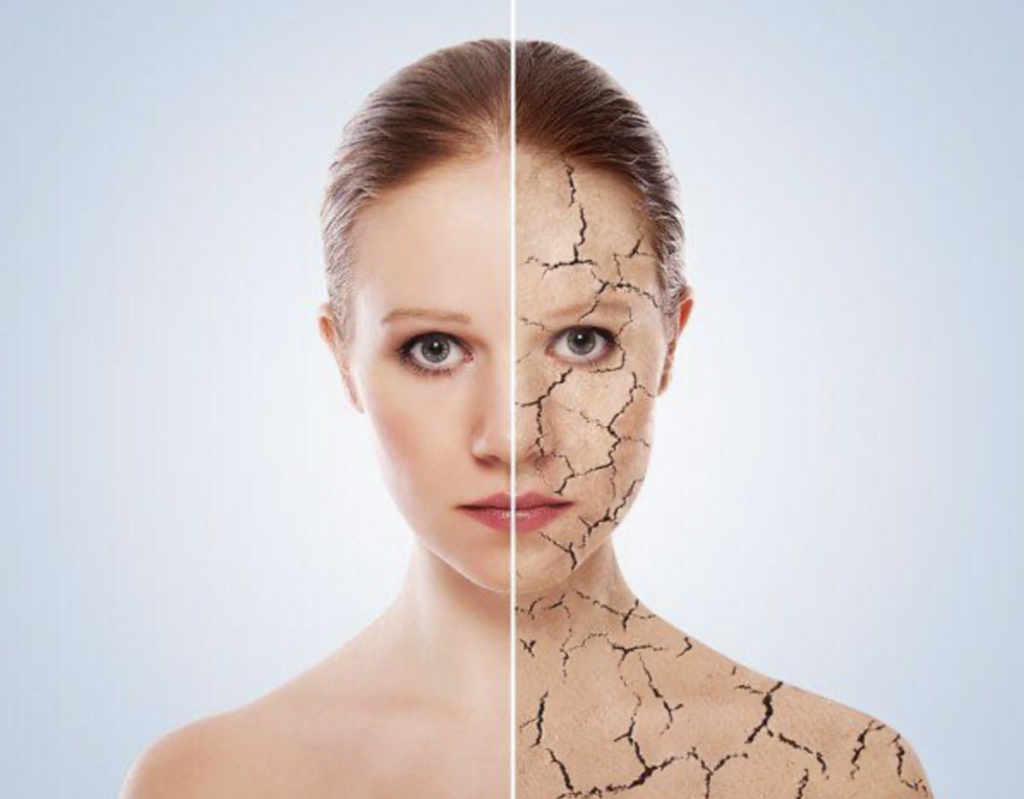
One of the most common patient concerns is that skin looks different after time spent in strong sun, city traffic, dry climates, or changing seasons. That observation is medically reasonable. Environmental influences can increase water loss, stress skin cells, and intensify inflammatory responses, which may show up as dullness, tightness, uneven tone, or worsening sensitivity. Over time, repeated stress may contribute to more persistent visible aging.
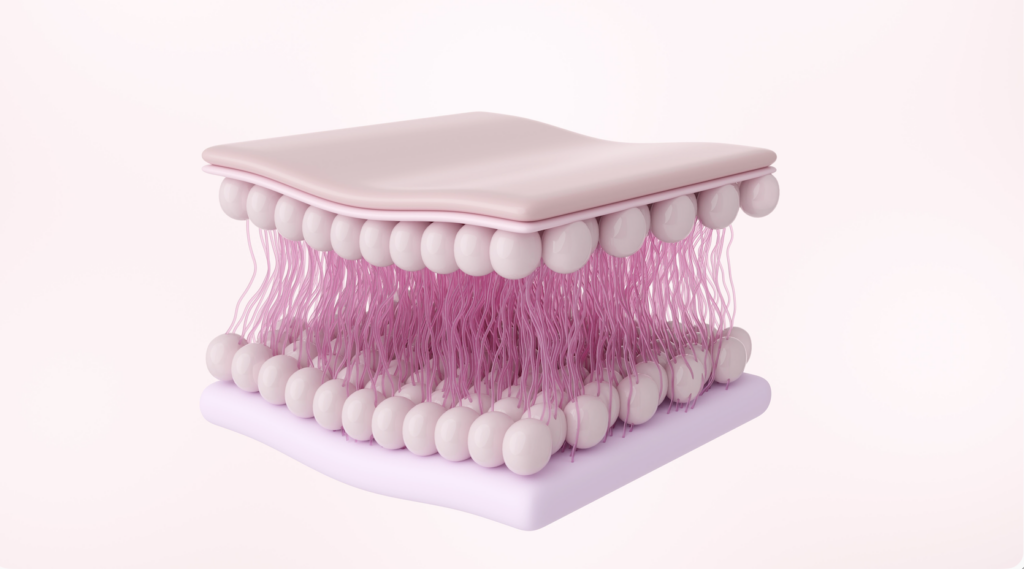
Patients with a compromised skin barrier often notice this first. The barrier has a critical role in holding moisture in and helping keep irritants out. When it is disrupted by harsh weather, over-exfoliation, or repeated exposure to environmental stressors, skin may feel rougher, appear redder, and become more prone to dry skin and irritation. Barrier weakness can also make cosmetic concerns feel more noticeable, even before bigger structural changes develop.
This is also why skin type matters. Oily, dry, sensitive, acne-prone, and pigment-prone skin does not respond the same way to heat, pollution, or UV exposure. A plan that feels simple and effective for one patient may be irritating or incomplete for another, which is why individualized recommendations matter more than trend-based skincare.
What Happens Inside the Skin During Environmental Exposure
When skin faces repeated environmental stress, the issue is not only surface dryness. Research on UV radiation and pollution shows that these exposures can generate reactive oxygen species and harmful free radicals, leading to oxidative stress and cell damage. That process may alter normal repair pathways, intensify inflammation, and gradually affect structural proteins that keep skin firmer and smoother.
Ultraviolet exposure is especially important because it does more than cause a temporary tan or burn. According to the World Health Organization, overexposure to ultraviolet radiation is the main environmental cause of harmful effects on the skin and a major driver of skin cancer risk. It is also strongly associated with photoaging, the form of extrinsic aging linked to chronic sun exposure.
On a tissue level, this process may influence collagen breakdown through pathways that include matrix metalloproteinases, which are associated with laxity, rougher texture, and eventually deeper wrinkles or a more leathery texture in heavily sun-damaged skin. That does not mean every patient develops the same pattern, but it explains why prevention remains central in both cosmetic and medical skin care.
Sun Exposure and UV Rays as Drivers of Long-Term Skin Change
Among all environmental factors, the sun remains the most important contributor to premature aging. Repeated UV rays can lead to age spots, pigmentation spots, coarse texture, and wrinkles, especially in areas that receive consistent daylight exposure, such as the face, neck, chest, and hands. These changes usually develop gradually, which can make them easy to underestimate at the moment.
Patients often focus on appearance first, but the medical context matters too. The WHO notes that solar radiation and artificial tanning sources are important causes of skin cancer, and excess UV exposure also affects the immune system in the skin. That is why sun protection is not just a beauty habit. It is a long-term wellness measure tied to both skin health and risk reduction.
Daily protection does not require perfection, but it does require consistency. The American Academy of Dermatology recommends broad-spectrum SPF 30 or higher and emphasizes that sunscreen works best when paired with shade, protective clothing, and reapplication. In practice, wearing sunscreen regularly is one of the clearest steps patients can take to reduce sun damage and visible photoaging over time.
Can Air Pollution And Air Quality Affect Skin Appearance?
Studies increasingly associate poor air quality, particulate matter, and certain air pollutants with pigment changes, uneven pigmentation, and some wrinkle-related outcomes. The evidence is stronger for pigmentary changes than for every type of wrinkle, but the overall direction is clinically meaningful.
Pollution-related skin stress is thought to involve a mix of direct and indirect mechanisms. Gaseous pollutants, ground-level ozone, and particles from combustion sources may contribute to oxidative stress, barrier disruption, and inflammation. Some literature also links pollution exposure to flares in inflammatory conditions and to changes that can leave skin looking duller or more uneven.
This does not mean every patient in a polluted environment will experience the same degree of damage. Still, cleansing gently, supporting the barrier, and using topical antioxidants such as vitamin C are commonly discussed ways to reduce daily stress on the skin. Those steps work best as part of a broader skincare routine, not as a substitute for sun protection or medical evaluation when symptoms persist.
Do Extreme Temperatures and Seasonal Shifts Weaken the Skin Barrier?
Extreme temperatures, indoor heating, cold wind, and abrupt seasonal shifts may all reduce comfort and strain barrier function, especially in patients with sensitive or already dry skin. The result may be flaking, tightness, stinging with products, or a rougher feel that makes the complexion look less even and less resilient.
Cold weather often brings lower humidity and more transepidermal water loss, while heat and humidity may trigger sweating, congestion, and irritation in some skin types. As weather patterns become less predictable, patients are also paying more attention to how climate change, wildfire smoke, and heat events can influence inflammatory skin symptoms and daily skin comfort. Dermatology guidance has already started addressing these links, particularly around smoke exposure and disease flares.
This is why a routine may need to change throughout the year. The products and habits that feel balanced in mild weather may not be enough during windy winter months or intense summer sun. Reassessing cleanser strength, moisturizer texture, and frequency of active ingredients can make the routine more protective and less irritating.
A Skincare Routine That Supports Healthy Skin Against Environmental Damage
A strong skincare routine usually begins with fewer, better-chosen steps rather than more products. Gentle cleansing helps remove sweat, sunscreen, and daily buildup from pollution without adding friction that worsens environmental stress. Over-cleansing, scrubbing, or layering too many active products can backfire by making the barrier more vulnerable.
Daily sunscreen is the anchor step. For most patients, that means a broad-spectrum SPF 30 or higher applied consistently to exposed skin. Dermatology guidance also supports complementary measures such as hats, sunglasses, and shade because sunscreen alone does not block every ray and is only effective when used correctly.
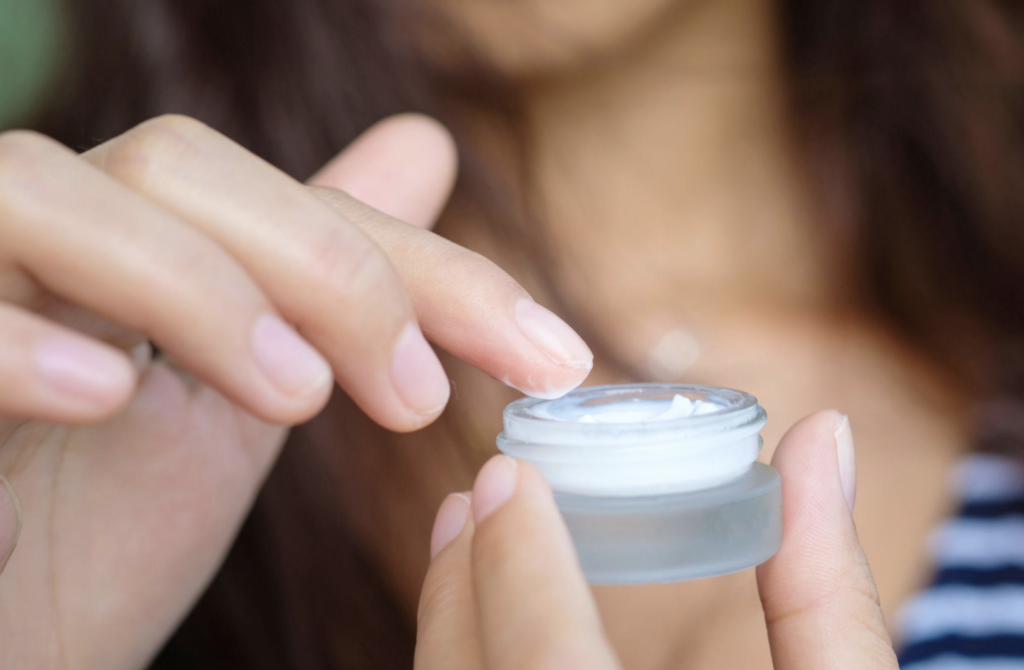
Beyond protection, many patients benefit from moisturizers and carefully selected skincare products aimed at barrier support and antioxidant defense. Ingredients such as vitamin C and other antioxidants may help address oxidative stress from the environment, while bland moisturizers may reduce dryness and irritation. The right combination depends on goals, skin type, sensitivity, and whether a patient is also pursuing aesthetic treatments.
When is it Time to Consider Professional Skin Evaluation or Treatment?
Not every change in the skin needs a procedure, but some changes deserve a closer look. Persistent redness, rapidly changing pigment, rough sun-damaged areas, or new lesions should not be dismissed as routine skin aging. Because skin cancer risk is tied to cumulative UV exposure, suspicious spots should be evaluated in a medical setting rather than self-treated at home.
For cosmetic concerns, professional guidance is useful when patients want to address visible signs such as enlarged pores, textural unevenness, mild pigmentation, or dullness while protecting overall skin integrity. In a med spa setting, the right approach usually starts with a conversation about lifestyle, home care, sensitivity, and treatment history. That helps determine whether a patient may do best with barrier repair, sun-protection coaching, or a gradual treatment plan.
A thoughtful evaluation also sets realistic expectations. Environmental damage often develops over years, so improvement usually depends on consistency, prevention, and treatments chosen for the patient’s actual needs. Ethical aesthetic care should feel informed and individualized, not rushed or overpromised.
The Benefits and Limits of Protecting Skin Early
The main benefit of early prevention is that it addresses skin stress before it becomes harder to manage. Patients who protect the barrier and reduce daily UV burden may notice healthier skin, more even texture, and slower development of premature skin aging over time. Prevention may also support better tolerance of future aesthetic treatments because the skin begins from a steadier baseline.
At the same time, it is important to stay realistic. Prevention does not stop intrinsic aging, and even an excellent routine cannot erase every effect of past prolonged exposure. Genetics, hormones, medical conditions, and lifestyle choices still shape how skin changes. What prevention does offer is a more informed, lower-risk way to protect appearance and comfort while reducing avoidable damage.
That balance is important in patient communication. The goal is not to promise ageless skin. The goal is to protect the skin you have, reduce unnecessary stressors, and make decisions that support long-term function as well as appearance.
FAQ
Does sunscreen really matter even if I am mostly indoors?
Incidental daylight exposure adds up over time, especially on the face, neck, and hands. Daily broad-spectrum SPF is still recommended because cumulative UV exposure contributes to photoaging and skin cancer risk.
Can air pollution make pigmentation look worse?
It may. Research has linked long-term exposure to certain pollutants, including particulate matter and nitrogen dioxide, with pigmentary changes and some signs of extrinsic aging.
Why does my skin feel drier in winter, even with moisturizer?
Cold air, wind, and indoor heating can weaken barrier function and increase water loss. In that setting, patients often need gentler cleansing and more barrier-focused moisturization.
Can vitamin C replace sunscreen in a skincare routine?
No, Vitamin C and other antioxidants may support the skin against oxidative stress, but they do not replace UV protection. Sunscreen remains the main daily defense against sun damage and premature aging.
When should a sunspot or a changing mark be checked?
A changing, darkening, bleeding, or unusual spot should be evaluated promptly rather than treated as a cosmetic issue. Persistent or evolving lesions can require medical assessment to rule out skin cancer or other conditions.
Conclusion
Understanding how environmental factors affect skin health over time helps patients make better choices before concerns become more pronounced. Sun exposure, pollution, weather shifts, and daily habits all influence the barrier, pigment, texture, and comfort of the skin. The most effective response is usually simple and consistent: protect against UV, support the barrier, and seek medical input when changes seem persistent, unusual, or hard to manage.
For patients interested in both skin wellness and appearance, the best plan is one that respects medical safety and realistic outcomes. A personalized review can clarify which changes are likely related to environmental exposure, which steps belong in your home routine, and whether professional treatment is appropriate for your goals.
Schedule a consultation with BluePoint Medical Spa to review your skin concerns, discuss environmental triggers, and build a treatment and protection plan that fits your skin type, lifestyle, and long-term goals.