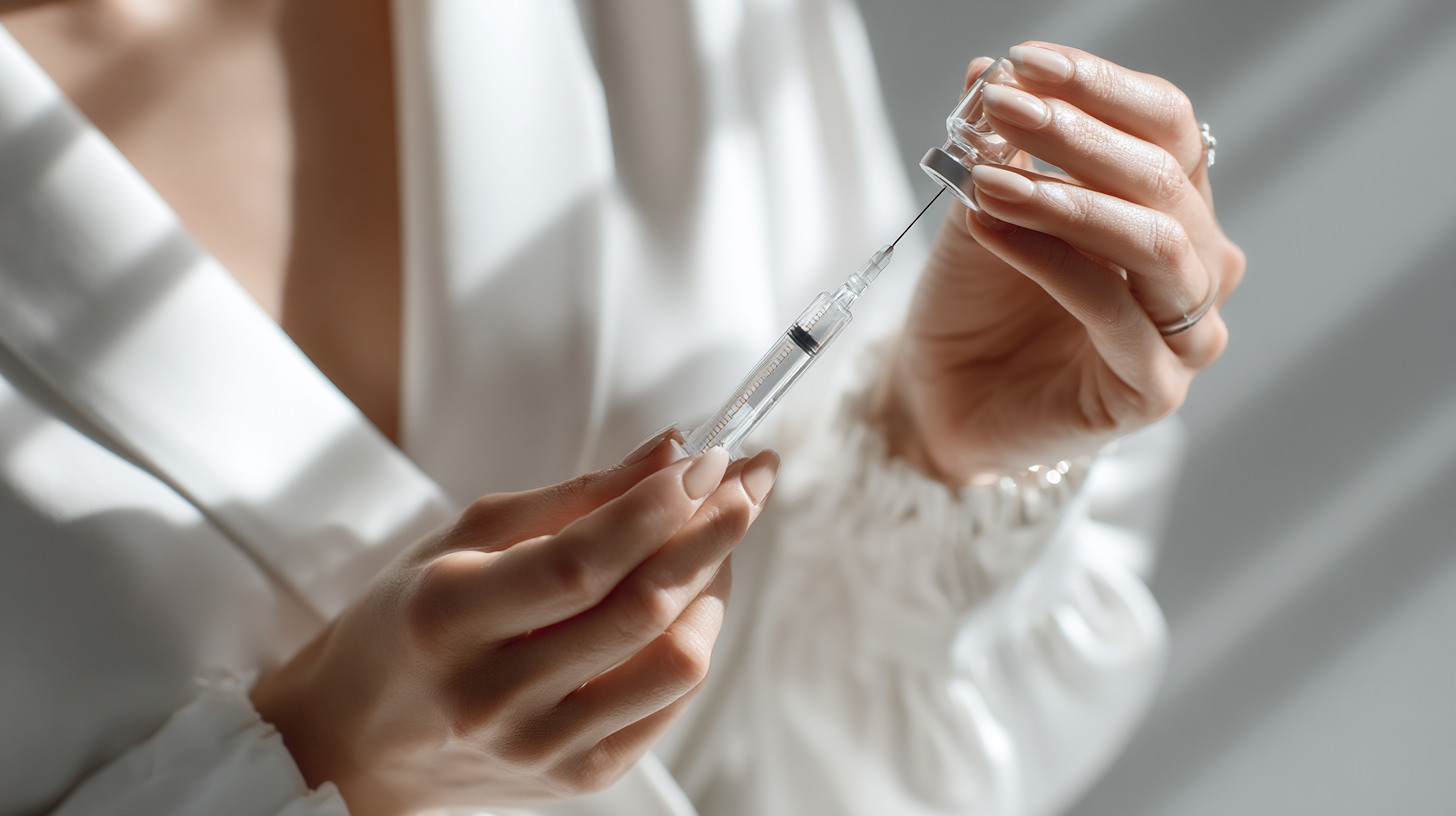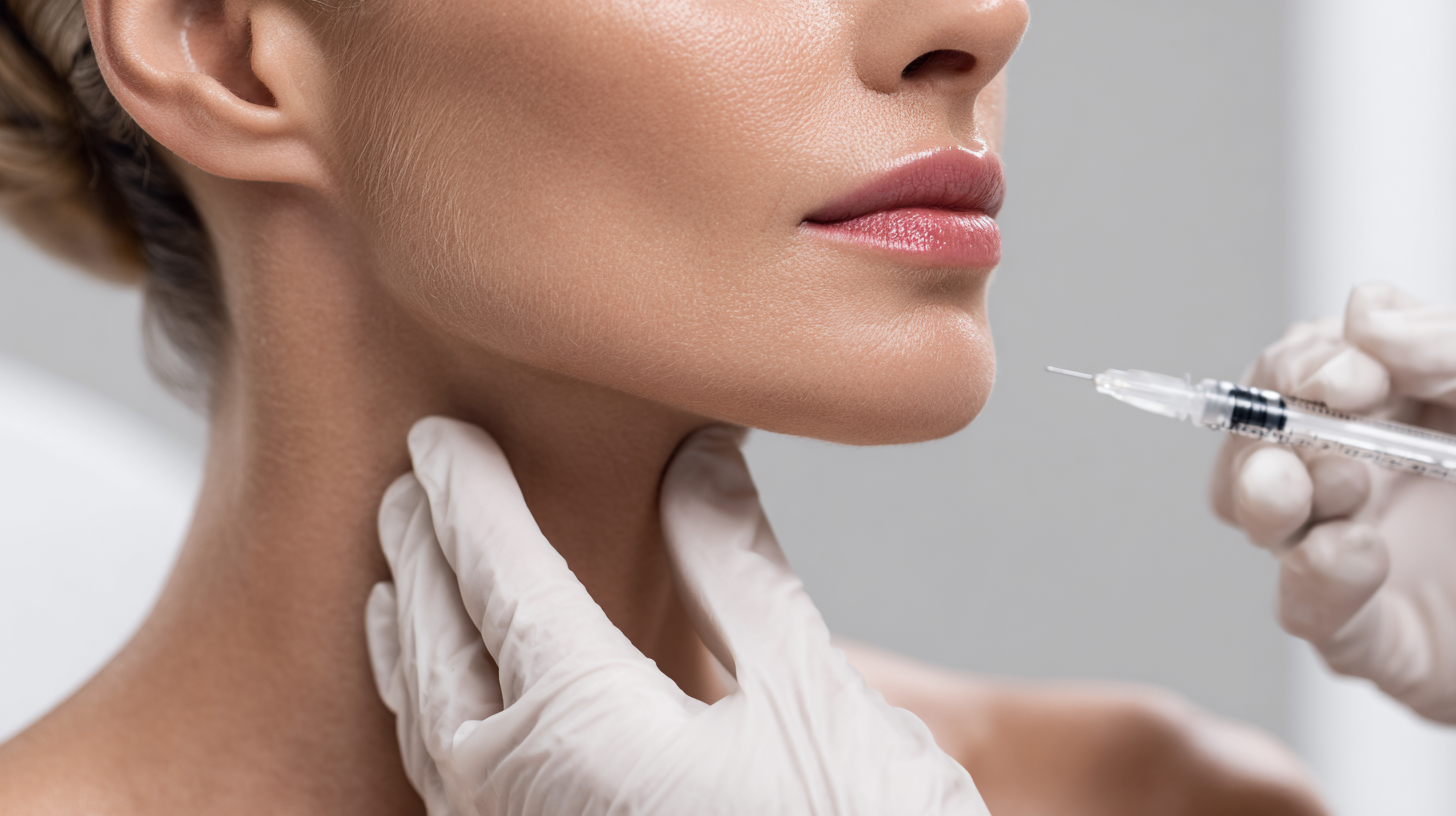

Many patients’ search for body contouring results depends on more than the treatment itself because they want to understand why two people can choose similar body contouring treatments and still have different outcomes. At BluePoint Medical Spa, this conversation begins with realistic expectations, careful evaluation, and patient-centered education. Body contouring is not only about the device or procedure selected; it is also shaped by anatomy, lifestyle, skin quality, weight stability, and the way each body responds over time.
A thoughtful body contouring process helps patients understand what treatment may address and what it may not change. Some patients are focused on stubborn fat, others are concerned about loose skin, and others want a more balanced body shape after weight loss. These are different concerns, which means they often require different treatment plans, timelines, and expectations.
Patients Notice That Results Vary from Person to Person
Two patients may receive similar care but experience different body contouring results because bodies do not respond identically. One person may have good skin elasticity, mild unwanted fat, and a stable weight, while another may have excess skin, lower tone, or recent changes in body composition. These differences influence how smooth, firm, or proportional the final contour may appear.
Body Shape Depends on More Than Fat Reduction
A person’s desired body shape is influenced by fat cells, muscle tone, bone structure, posture, and how the body stores fat. While fat reduction may address selected areas, it does not automatically correct laxity, weak muscle tone, or uneven proportions. This is why consultation matters: the provider must determine whether the concern involves excess fat, skin looseness, or another factor.
Realistic Expectations Are Part of Ethical Cosmetic Care
Realistic expectations are essential before any elective body contouring procedure. Patients should understand that contouring is usually about refinement, not total transformation or a weight loss solution. Ethical care means explaining likely changes, possible limitations, risks, recovery expectations, and whether the patient may need non-surgical treatments, surgical options, or no procedure at all.
How Body Contouring Work Is Planned
A good plan begins by identifying whether the main concern is volume, laxity, shape, or firmness. Some treatments are designed to reduce fat, while others are intended to support skin tightening, improve firmness, or address extra skin after significant weight loss. The safest recommendation is based on anatomy and candidacy, not on a generic package or trend.
Medical and aesthetic providers also consider the patient’s history, goals, lifestyle, and timeline. The American Society of Plastic Surgeons notes that body contouring after major weight loss may involve removing excess fat and skin and improving the tone of underlying tissue, which shows why surgical planning can differ greatly from non-surgical contouring.
Fat Cells Respond Differently Than Skin
Fat cells and skin behave differently after treatment. Some procedures are designed to affect or destroy fat cells, while the skin must rely on its own elasticity, support structures, and possible collagen production to adapt. If skin tone is limited, reducing volume alone may not create the smooth or toned appearance a patient expects.
Remaining Fat Cells Can Still Change
Even when treated, fat cells are affected; remaining fat cells can still enlarge if a patient begins to gain weight. This is why long-term satisfaction often depends on a healthy lifestyle, a balanced diet, and regular exercise. Body contouring may refine selected treated areas, but it does not stop future weight gain or replace ongoing wellness habits.
Skin Elasticity Influences the Final Contour
Skin elasticity is one of the most important factors in the final appearance of contouring. Patients with good skin elasticity may see smoother adaptation after volume reduction, while patients with loose skin or skin laxity may need a different strategy. In some cases, skin tightening treatments or skin tightening techniques may be discussed to support firmness.
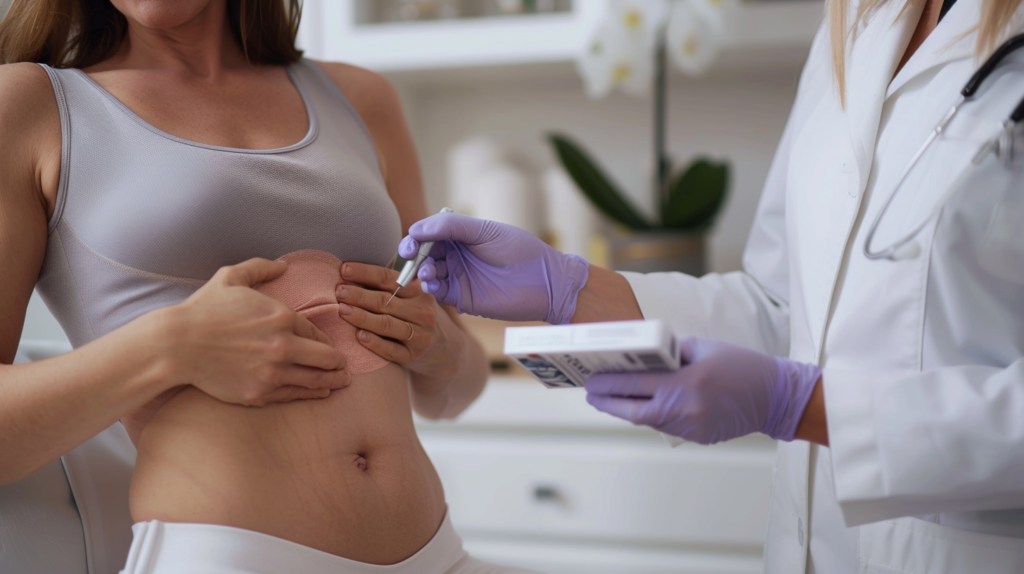
Muscle Tone Affects Visible Definition
Muscle tone and muscle mass also influence how the body looks after contouring. A patient may reduce localized fullness but still want a firmer or more defined appearance that depends partly on strength, posture, and conditioning. In selected cases, muscle-building treatments or a fitness-focused plan may be discussed, but these should be framed as supportive options, not guaranteed solutions.
Wellness Factors That Shape the Outcome
The condition of the body before treatment often shapes the result afterward. A patient near an ideal weight, with consistent habits and realistic goals, may be better positioned for a satisfying contouring experience than someone actively losing weight or experiencing ongoing weight changes. This is because the body’s shape can continue to shift when weight, hormones, nutrition, and activity levels are changing.
Nutrition and movement also matter because contouring does not control metabolism. A healthy diet that includes adequate protein, fiber, hydration, and healthy fats may support general wellness, while diet and exercise help maintain body composition over time. These habits do not guarantee a cosmetic result, but they may support more stable long-term satisfaction.
Stable Weight Helps Providers Plan More Accurately
A stable weight gives the provider a clearer baseline for planning. If a patient is actively gaining or losing weight, the appearance of stubborn fat pockets, skin looseness, and overall contour may continue to change. For this reason, many providers prefer to evaluate patients once their weight has been relatively steady.
Significant Weight Loss May Leave Excess Skin
After substantial weight changes or significant weight loss, patients may notice excess skin rather than only excess fat. In these cases, non-surgical body contouring may not fully address the concern. Surgical approaches, such as tummy tucks or body lifts, may be discussed with an appropriately trained surgical provider when extra skin is the main issue.
Lifestyle Choices Influence Long-Term Satisfaction
A balanced diet, regular exercise, sleep quality, and stable routines may influence how long patients feel satisfied with their results. If a patient returns to habits that promote weight gain, the remaining fat cells in treated and untreated areas may enlarge. Body contouring should be viewed as part of a broader wellness pattern rather than a replacement for consistent self-care.
Blood Flow and Healing Capacity Still Matter
Healthy blood vessels, circulation, and tissue quality matter for recovery and visible appearance. Even non-invasive treatments can involve temporary swelling, tenderness, bruising, or sensitivity. The FDA notes that non-invasive body contouring technologies may carry risks such as pain or discomfort, redness, swelling, bruising, and nodules, which is why professional screening is important.
Options Patients May Discuss During Consultation
A consultation helps determine whether the concern is best addressed with non-surgical, minimally invasive, or surgical care. Non-surgical body options may be appropriate for selected patients with localized stubborn belly fat or small areas of unwanted fat, while surgical body contouring may be more appropriate for larger concerns involving excess skin or structural laxity.
The provider may also explain how body sculpting treatments differ from surgical procedures. Non-surgical options usually focus on gradual improvement, while surgical body contouring procedures may remove larger amounts of skin or fat but involve more recovery, anesthesia considerations, and surgical risk. The right path depends on goals, anatomy, health history, and comfort level.
Non-surgical Body Contouring Works Best for Localized Concerns
Non-surgical body contouring is usually best suited for patients with localized concerns rather than broad weight changes. These treatments may be considered for selected treated areas, such as the abdomen, flanks, inner thighs, or upper arms, depending on the technology and candidacy. The goal is typically refinement of shape, not major fat removal.

Surgical Options May Address Extra Skin More Directly
When extra skin is the main concern, surgical options may be more appropriate than non-surgical treatments. Procedures such as tummy tucks, arm lifts, or body lifts are designed to remove excess skin and reshape supporting tissue. These choices should be discussed with a qualified surgical professional, such as a board-certified plastic surgeon, when appropriate.
Skin Tightening Treatments May Support Firmness
Skin tightening treatments may be considered when mild laxity affects the final contour. Some technologies aim to stimulate collagen production, which may support gradual firmness depending on patient factors. However, patients with more advanced laxity may need a different approach because non-surgical tightening has limits.
Treatment Plans Should Match Natural Shape
A personalized treatment plan should respect the patient’s natural shape rather than chase an unrealistic silhouette. Good planning considers proportions, tissue quality, lifestyle, and whether the patient wants subtle refinement or a more noticeable change. This protects patient confidence and supports more ethical decision-making.
Benefits and Considerations Before Body Sculpting
Body sculpting may appeal to patients who want to refine areas that feel out of balance with their overall figure. For some, body contouring offers a way to address specific concerns that have persisted despite consistent effort. Still, patients should understand that such procedures are elective cosmetic services and should not be presented as medically necessary.
Safety and candidacy must remain central to the conversation. Eliminating fat cells or attempting to eliminate fat in a selected area does not mean the result will be permanent in every practical sense, because future lifestyle and weight changes can still affect the body. This is why informed consent should include risks, alternatives, and maintenance expectations.
Skin Quality Can Limit Visible Improvement
Skin quality may limit how much improvement a patient sees after fat reduction. If the skin does not retract well, reducing volume may reveal or worsen visible looseness. Patients who need to address skin laxity may require a different plan than patients whose main concern is localized fat.
Body Contouring Is Not a Weight Loss Solution
Body contouring should not be described as a weight loss solution. It may reduce selected areas of fat or improve shape, but it does not replace medical weight management, nutrition counseling, or exercise. Patients who are still actively losing weight may be advised to wait before choosing a procedure.
Surgical and Non-Surgical Treatments Have Different Risks
Both surgical body contouring and non-surgical treatments involve considerations. Surgery may involve anesthesia, incisions, scarring, and a longer recovery, while non-surgical approaches may involve swelling, bruising, tenderness, nodules, or uneven response. Patients should choose care only after understanding the likely benefits, limitations, and potential risks.
Frequently Asked Questions About Body Contouring Results
Why Do Body Contouring Results Look Different for Each Patient?
Results vary because each patient has different fat distribution, skin elasticity, muscle tone, lifestyle habits, and treatment goals. A consultation helps identify whether the main concern is fat, loose skin, or overall shape.
Is Body Contouring a Good Option After Weight Loss?
It may be appropriate for some patients after weight loss, but timing matters. If there is significant excess skin, surgical options may be more appropriate than non-surgical treatments.
Do I Need Skin Tightening With Fat Reduction?
Some patients may benefit from skin tightening if laxity is part of the concern. The provider should evaluate skin quality, elasticity, and the amount of loose skin before recommending a plan.

Conclusion
The strongest body contouring results usually come from matching the right treatment to the right patient at the right time. Fat, skin, muscle, lifestyle, and weight stability all influence the final contour, which is why a personalized evaluation matters more than choosing a procedure based only on popularity. BluePoint Medical Spa approaches body contouring treatments as elective cosmetic care guided by education, comfort, and realistic expectations.
Individual results vary, treatments have potential risks or contraindications, and a consultation with a licensed provider is required before any recommendation is made. Schedule a consultation with BluePoint Medical Spa to discuss your goals, review whether non-surgical body contouring is appropriate, and receive guidance based on your body composition, skin quality, and desired outcome.