
Many patients’ search for targeted fat reduction is changing the way patients approach body confidence because they feel close to their goals, yet still notice areas that do not respond the way they expected. At BluePoint Medical Spa, this concern is approached with education, realistic expectations, and respect for the fact that body image is personal. Aesthetic care should begin with a clear conversation about goals, comfort level, candidacy, and long-term wellness habits.
Modern body contouring is not meant to replace weight loss, diet, exercise, or a healthy lifestyle. Instead, selected non-surgical options, such as non-invasive body sculpting for fat reduction and muscle tone, may be considered for adults who maintain a stable weight but still have stubborn fat in specific areas. This distinction helps patients understand that contouring is usually about refinement, not whole-body transformation.
A responsible cosmetic plan should support informed decision-making, not pressure patients into unnecessary treatment. When patients understand what fat reduction can and cannot do, they are better prepared to choose care that fits their goals, especially when they know what happens to fat cells after body sculpting. This is especially important for procedures that involve fat cells, body shape, skin quality, and gradual visible changes.
Patients Want a Better Shape Without Major Surgery
Many people are not looking to change their entire body. They may simply want to refine a specific body shape concern, such as belly fat, the outer thighs, or the abdomen and love handles, after months or years of consistent effort. For these patients, contouring can feel less about chasing perfection and more about addressing a specific area that affects confidence.
Non-surgical fat reduction may feel appealing because it avoids incisions, general anesthesia, and a surgical recovery period. However, it should still be treated as a cosmetic procedure that requires screening, professional guidance, and realistic expectations. Even when a treatment is minimally invasive or non-surgical, it may still involve temporary discomfort, swelling, sensitivity, or other possible effects.
Many patients describe stubborn pockets that seem to resist diet, structured movement, and lifestyle changes. A person may manage calorie intake, reduce processed foods, maintain a calorie deficit, and commit to regular exercise, yet still notice fullness in one localized area. This can happen because fat distribution is influenced by genetics, age, hormones, and how the body stores energy, and it also helps explain why you might not see immediate fat loss after body sculpting.
For many patients, body confidence is connected to proportion rather than a number on the scale. A person may feel healthy and active but still feel self-conscious about localized fat deposits that affect how clothing fits or how balanced their silhouette appears. This is why non-invasive body sculpting for fat reduction and muscle tone planning should be discussed with sensitivity, clarity, and respect for each patient’s personal goals.

How Non-Surgical Fat Reduction Works
Fat loss from lifestyle changes generally affects the body more broadly, while non-surgical fat treatments are designed for localized contouring. When people gain weight or lose weight, remaining cells can still enlarge or shrink, which may affect long-term results. Procedures that target localized fat cells are not designed to burn fat the same way exercise affects energy balance.
Different technologies approach reducing fat goals in different ways, but many are designed to affect selected targeted fat cells while preserving nearby structures. Patients may hear phrases such as destroy fat cells, fat cells destroyed, dead fat cells, or permanently removed, but those terms should always be explained carefully, especially when comparing laser lipolysis and CoolSculpting body sculpting options. The process depends on the device, tissue response, treatment area, and individual factors.
With fat freezing, controlled cooling is used to affect selected fat cells beneath the skin. During treatment, controlled cold, cold temperatures, or intense cold may be applied to the area so that treated fat cells become damaged over time. This approach is commonly discussed for patients who want to address a defined fat layer rather than overall body weight.
After selected fat cells are affected, the body gradually processes them through normal biological pathways. Patients may hear that the body releases fat, but a clearer explanation is that the body slowly clears damaged fat cells over time. This gradual response is one reason results are not immediate, and changes may appear over several weeks or months, depending on the individual, as described in more detail when exploring what happens to fat cells after body sculpting.
Although many technologies are designed to protect surrounding tissues, every energy-based or temperature-based treatment carries potential risks. Temporary tenderness, numbness, swelling, bruising, or skin discoloration may occur in some patients. A licensed provider should evaluate the treatment area, circulation, skin sensitivity, medical history, and comfort before recommending a plan.
Medical and Wellness Factors That Shape Results
Good outcomes begin before treatment. A provider should evaluate the patient’s goals, baseline anatomy, lifestyle, and skin quality before recommending non-surgical body contouring. This includes reviewing whether the concern is truly related to stubborn fat, or whether loose skin, posture, muscle tone, or skin laxity may be contributing to the visible contour.
Skin elasticity plays a major role in how the body looks after volume changes. When the skin has a good tone, it may adapt more smoothly to a smaller contour; when there is loose skin or visible laxity, fat reduction alone may not create the result a patient expects. This is why skin tightening may be discussed when firmness is part of the concern.
Some patients may benefit from treatments that aim to stimulate collagen production or support collagen production as part of a broader contouring plan, similar to how certain injectables, such as Sculptra and Volum, differ in collagen-stimulating and volumizing effects. These options may be discussed when the goal includes improving firmness, not only reducing volume. However, the response varies, and patients should understand that no treatment should be presented as a guaranteed way to tighten skin.
A stable weight gives providers a clearer baseline for planning. If a patient is actively gaining or losing weight, the appearance of body fat may continue to shift, which can make non-surgical body sculpting results harder to predict. A stable routine that includes regular movement, balanced nutrition, hydration, and sleep support may improve long-term satisfaction after treatment.
Rare risks should also be discussed clearly during informed consent. One uncommon but recognized concern associated with some fat-freezing treatments is paradoxical adipose hyperplasia, where the treated area becomes larger or firmer instead of smaller. This risk should not create fear, but patients deserve honest education before deciding whether treatment fits their comfort level.
Options Patients May Discuss During Consultation
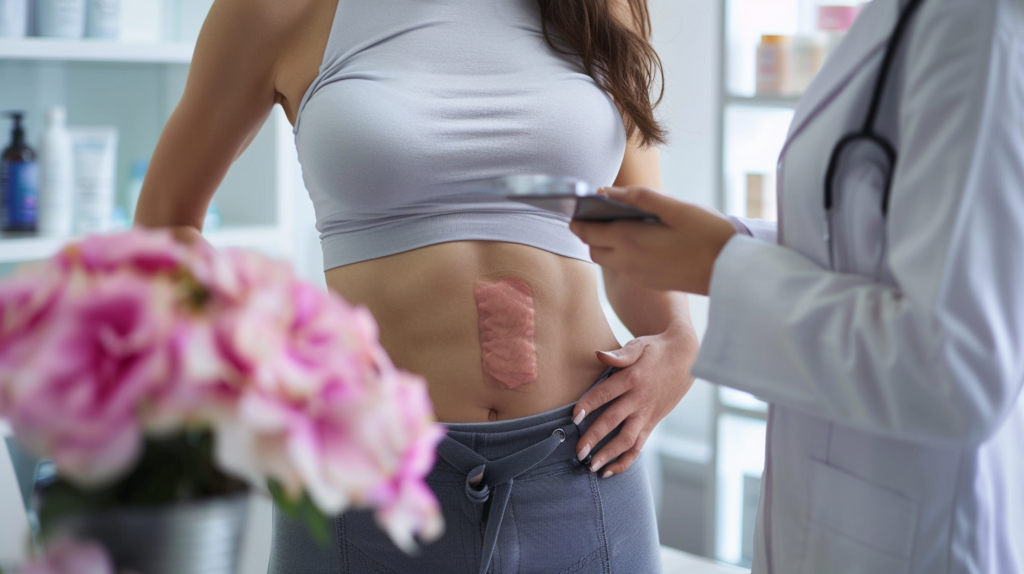
A consultation may include discussion of non-surgical treatments, minimally invasive options, lifestyle timing, and whether the patient should first pursue medical weight management. Not every concern requires a procedure, and not every patient is an ideal candidate for contouring. The goal is to match the recommendation to the body, the concern, and the patient’s expectations, which is why many people start with a free consultation at Blue Point Medical Spa.
Some patients may be appropriate for one to three treatments, while others may need multiple sessions depending on the area, tissue thickness, and desired contour. The typical treatment plan should be based on assessment, not a generic package. Because each body responds differently, typical treatment plan ranges should be framed as guidance rather than a promise.
Non-surgical body contouring is often chosen for localized areas rather than widespread change. The goal may be to reduce localized fat deposits in areas where patients notice persistent fullness despite consistent habits, often using non-surgical body sculpting treatments available in Las Vegas. Common treatment areas may include the abdomen, flanks, thighs, or other areas, depending on device capabilities, tissue quality, and candidacy.
The abdomen and love handles are common areas of concern because they influence clothing fit and waistline proportion. However, these areas require careful mapping because fat thickness, posture, abdominal muscles, and skin laxity can all affect the visible contour. If muscle tone or abdominal structure contributes to the concern, fat reduction alone may not be the right solution.
Some patients hope for one visit, but treatment sessions are often planned in stages. A staged approach allows the provider to evaluate response, comfort, and whether additional treatment is appropriate. Average fat reduction varies by technology, patient anatomy, and treatment area, so providers should avoid promising a specific percentage or dramatic change, and patients should understand why they might not see immediate fat loss after body sculpting.
Benefits and Considerations Before Treatment
The potential benefit of targeted fat reduction is that it may refine areas that feel out of proportion. For selected patients, this may support comfort in clothing, greater awareness of body goals, and a more confident relationship with personal appearance. However, realistic expectations are essential because results vary and may be subtle.
Body sculpting works best when patients understand that contouring is about refinement. It is not designed to create an entirely new body shape or replace foundational habits such as balanced nutrition, movement, and sleep. Ethical cosmetic care includes explaining when treatment may be appropriate, how long non-surgical body sculpting results typically last, when another option may be better, and when no procedure is the safest recommendation.
When volume and laxity appear together, skin tightening may be part of the conversation. Some technologies focus more on fat cells, while others focus more on firmness, so treatment selection depends on the main concern. If skin quality is the main issue, reducing fat alone may not deliver the smoother contour the patient wants.
Long-term satisfaction often depends on stable habits after treatment. Even when selected cells are reduced in a treated area, remaining cells can enlarge with future weight gain, which is why it helps to understand what happens to fat after body sculpting. This is why providers often encourage healthier lifestyle choices, consistent movement, balanced nutrition, and attention to poor sleep patterns that may affect appetite and routine consistency.

Frequently Asked Questions About Targeted Fat Reduction
Is Targeted Fat Reduction the Same as Weight Loss?
No. Targeted fat reduction is intended for localized contouring, while weight loss usually affects the body more broadly. It is best suited for selected patients near a stable weight who want to address specific stubborn areas. A consultation is important because body contouring is not a substitute for medical weight management, and ongoing education through resources like the Blue Point Medical Spa blog can also support informed decisions.
How Many Sessions Are Usually Needed?
Some patients may need one to three treatments, while others may benefit from additional sessions depending on the treatment area and goals. A provider should recommend a plan after evaluating fat thickness, skin quality, and response over time. Results vary, and additional treatment is not always necessary.
Can Fat Come Back After Non-Surgical Fat Reduction?
Treated fat cells may be reduced in the selected area, but remaining cells can still enlarge with weight gain. This means future changes in weight, lifestyle, hormones, or routine may affect the contour over time. Maintaining regular exercise, balanced nutrition, and stable habits supports longer-term satisfaction.
Conclusion
Targeted contouring has changed the way many patients think about body confidence, but it should always begin with education. Understanding the difference between fat reduction, weight loss, skin laxity, and lifestyle maintenance allows patients to make more confident decisions. BluePoint Medical Spa approaches skin, body, and wellness care as elective cosmetic services guided by individual evaluation.
Individual results vary, treatments have potential risks or contraindications, and a consultation with a licensed provider is required before any procedure is recommended. Schedule a consultation with Blue Point Medical Spa in Las Vegas for advanced treatments to discuss your goals, review whether non-surgical fat reduction is appropriate, and receive a personalized treatment plan based on your body, comfort level, and expectations.