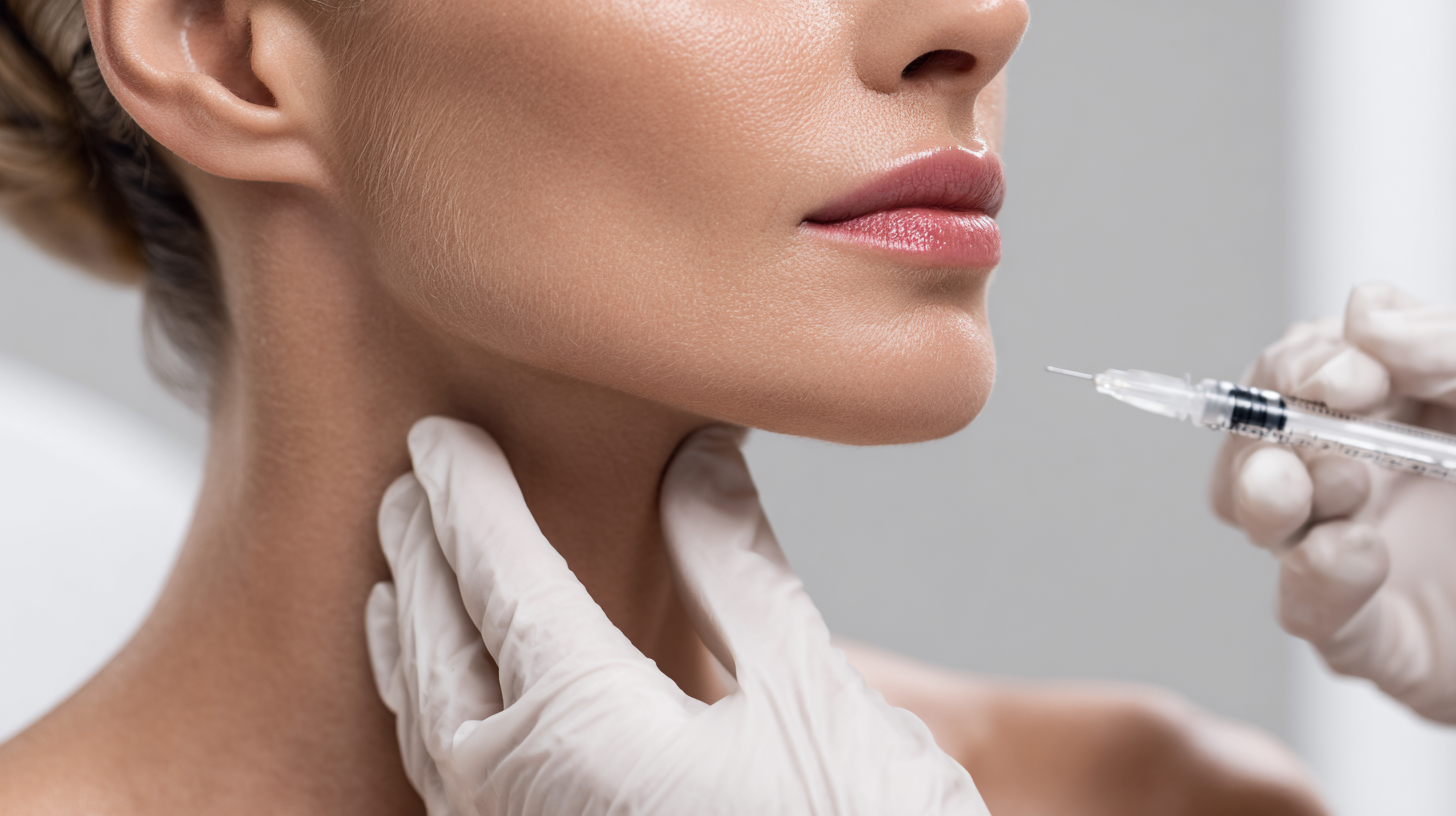
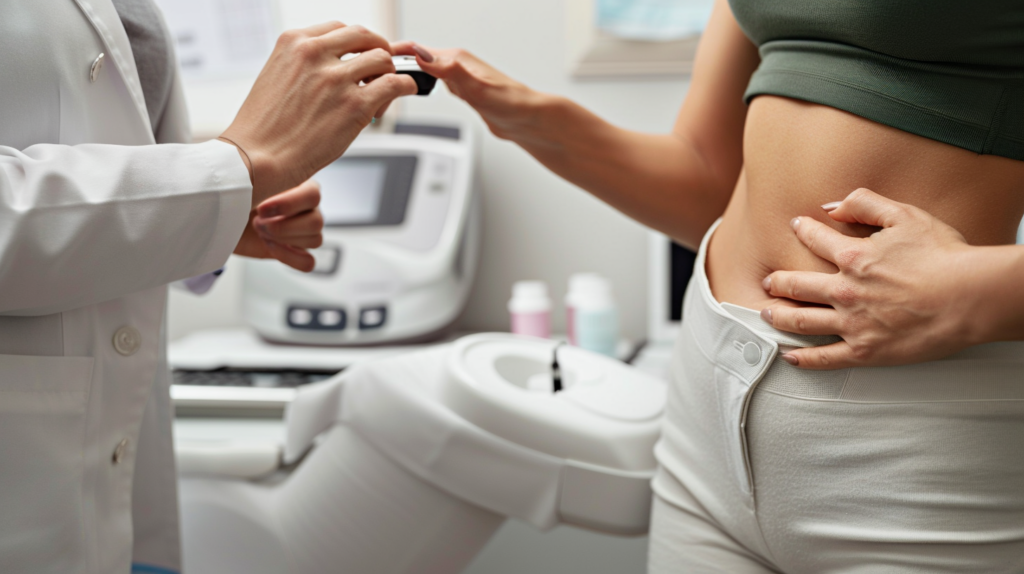
Many patients search for the role of Non-Surgical body sculpting in modern wellness plans because they want to understand how aesthetic care may fit into a broader lifestyle. At BluePoint Medical Spa, Non-Surgical body sculpting is best discussed as an elective cosmetic service that may support selected contouring goals, not as a replacement for diet, exercise, or medical weight loss care. This distinction matters because patients deserve clear information before choosing any cosmetic procedure, especially when the goal involves body confidence, shape refinement, and realistic long-term maintenance.
Modern body contouring is often chosen by patients who feel close to their goals but still notice stubborn fat, mild skin laxity, or areas that do not reflect their effort. A responsible approach connects aesthetic goals with personalized treatment plans, a careful review of risk factors, and an understanding of how the body responds over time. When body sculpting is framed as one part of a broader wellness plan, patients are better prepared to make informed decisions that feel realistic, comfortable, and aligned with their daily lives.
Patients Want Contouring That Fits Daily Life
Many patients considering body sculpting are not looking for a dramatic change. They may want to refine the abdomen, thighs, or other targeted areas while maintaining work responsibilities, family routines, social plans, and daily life. This is why Non-Surgical care is often appealing to people with busy schedules, especially when they want a more gradual option that does not involve the same recovery demands associated with surgery, incisions, or visible scars.
Stubborn Fat Often Needs a Targeted Strategy
Stubborn fat can remain even when a person follows a balanced routine. This may happen because fat cells, hormones, genetics, age, and the way each body stores fat influence where fullness appears. Targeted fat reduction may be considered when the goal is to reduce fat in a specific treatment area, rather than create a full-body change. For patients, this explanation is important because it clarifies why body contouring is usually about localized refinement, not generalized fat loss or a substitute for medical weight management.
Loose Skin May Require a Different Plan
Patients sometimes believe that all contouring concerns are caused by excess fat, but skin quality also plays a major role in the final appearance. If the concern involves laxity, crepey texture, or reduced firmness, skin tightening may be more relevant than fat reduction alone. A provider may discuss technologies that aim to tighten skin or, in selected cases, simultaneously tighten skin while addressing contour concerns, but patients should understand that results vary and depend on skin tone, elasticity, treatment type, and individual response.
Minimal Downtime Matters for Modern Patients
One reason patients ask about noninvasive body contouring is the possibility of minimal downtime. Some non-invasive treatments may allow most patients to return to normal activities shortly after a session, although temporary tenderness, swelling, sensitivity, redness, or firmness may still occur. This is why “minimal downtime” should never be interpreted as “no recovery” or “no risks.” A licensed provider should explain what to expect before, during, and after treatment so patients can plan around work, exercise, clothing comfort, and daily responsibilities.
How Non-Surgical Body Contouring Works
Non-Surgical body care uses different body contouring technologies to address selected contour concerns without the same recovery profile as invasive procedures. Depending on the device and candidate, treatment may use cooling, heat, ultrasound, radiofrequency, or muscle-focused energy. These approaches are different from liposuction or other surgical procedures, which may remove larger amounts of fat but also involve anesthesia considerations, longer recovery time, and different risks. For many patients, understanding these differences helps reduce confusion and supports a more realistic treatment conversation.
Cooling-Based Contouring for Localized Fat Concerns
Controlled cooling is one approach used in non-invasive body contouring. The goal is to affect selected fat cells in a defined area so the body processes them gradually over time. Patients may hear terms like destroyed fat cells, but this should be explained carefully because visible change depends on anatomy, device selection, tissue response, lifestyle, and the treatment plan. This gradual process may appeal to patients who prefer subtle change, but it also means patience is part of the experience.
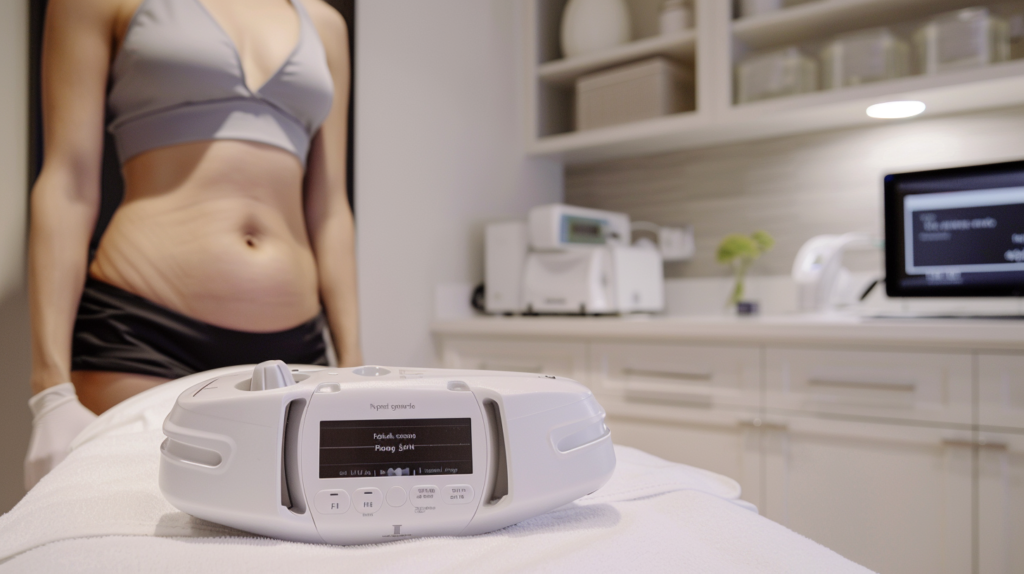
Radiofrequency Energy May Support Firmness
Radiofrequency energy is commonly discussed in aesthetic care because it may heat selected tissue layers in a controlled way. In some patients, this type of technology may support stimulating collagen and elastin production, which may contribute to a firmer-looking appearance over time. This can be especially relevant when the concern involves mild laxity rather than only fat. However, patients should not expect every skin concern to respond the same way, and more advanced laxity may require a different conversation.
Muscle-Focused Technology for Supportive Definition
Electromagnetic muscle stimulation and electromagnetic stimulation are not the same as fat freezing or heat-based fat reduction. These technologies are often discussed for improved muscle tone, supportive shaping goals, or enhanced definition in selected areas. They may be considered when muscle tone is part of the aesthetic concern, but they do not replace strength training, balanced nutrition, or long-term movement habits. A provider should explain whether the concern is related to fat, skin, muscle, or a combination of factors before recommending treatment.
Wellness Factors That Influence Results
A good body contouring procedure begins with the right timing, the right candidate, and the right expectations. Patients who are close to their preferred shape, maintain consistent wellness habits, and understand the limitations of treatment may be better positioned for satisfaction. Not everyone is an ideal candidate for Non-Surgical contouring, and candidacy should be based on medical history, body composition, skin quality, goals, and whether the patient’s expectations are realistic.
Diet and Exercise Still Support Long-Term Shape
Aesthetic care should complement, not replace, a healthy routine. A balanced diet, regular movement, hydration, and consistent activity may support longer-term satisfaction after contouring. Even when selected fat cells are affected, remaining fat cells may enlarge with future weight changes, which is why maintenance habits matter. Patients who understand this connection are often better prepared to view Non-Surgical options as supportive tools rather than shortcuts.
Skin Tone and Elasticity Affect the Final Look
Skin tone, elasticity, and firmness influence whether contour changes appear smooth, balanced, or uneven. Patients with mild laxity may be candidates for skin tightening strategies, while patients with more advanced laxity may need a different level of care. This is why a consultation should evaluate both fat and skin rather than focusing only on size. The best treatment plan is not always the most aggressive one; it is the one that fits the patient’s tissue quality, comfort level, and aesthetic priorities.
Risk Factors Should Be Reviewed Before Treatment
Every cosmetic treatment has potential risk factors, even when it is non-invasive. Medical history, pregnancy status, implants, circulation concerns, skin sensitivity, recent procedures, and certain health conditions may affect candidacy. Patients should also avoid assuming that every device or indication is FDA approved; regulatory language should be verified precisely and used only when it is accurate for the specific device and indication. A careful consultation protects patient safety and supports responsible decision-making.
Options Patients May Discuss During Consultation
A consultation may include Non-Surgical options, energy-based care, skin tightening, muscle-focused treatments, or referral for surgical body evaluation when appropriate. The right recommendation depends on anatomy, aesthetic goals, lifestyle, treatment area, recovery preferences, and whether the patient wants subtle refinement or a more visible structural change. This conversation should feel educational, not sales-driven, because elective cosmetic care works best when patients understand what each option may realistically offer.

Localized Contouring for Specific Body Concerns
Noninvasive body contouring is often considered for selected areas rather than full-body transformation. It may be appropriate for adults with localized fullness who want contour refinement without incisions, scars, or significant downtime. Common treatment areas may include the abdomen, thighs, flanks, or other targeted regions, depending on the technology and candidate. The provider should determine whether the concern is related to fat, skin laxity, muscle tone, or a combination before recommending a plan.
Focused Ultrasound Options for Contour and Firmness
High-intensity focused ultrasound may be discussed as one of several energy-based approaches in aesthetic care. Depending on the device and indication, focused ultrasound may target selected tissue depths to support contour or firmness goals. Patients should receive a clear explanation of how the technology works, what sensation may feel during treatment, and what timeline may be reasonable. As with any energy-based option, results vary, and a consultation is required to determine whether this approach fits the patient’s concern.
Comparing Non-Surgical Care With Surgical Body Sculpting
Liposuction, surgical procedures, and invasive procedures are different from Non-Surgical body sculpting. Surgery may remove larger amounts of fat or address more complex contour concerns, but it also involves anesthesia considerations, recovery time, incisions, surgical risks, and potential scarring. Non-Surgical care is usually more gradual and limited in scope. Understanding this distinction helps patients avoid comparing two very different categories of care as though they serve the same purpose.
Benefits and Considerations Before Treatment
The potential benefits of body sculpting are usually tied to confidence, clothing fit, and refinement of selected areas. For most clients, the appeal is not a total transformation, but a non-invasive way to support a more balanced shape. Significant benefits may be possible for some patients, but outcomes should be discussed conservatively. Ethical communication means avoiding promises and helping patients understand both the possibilities and the limits of the treatment.
Gradual Changes That Support a Balanced Appearance
Natural-looking results often depend on gradual change, proper candidacy, and a plan that respects the patient’s body structure. Noticeable results may take time because the body may need weeks to process treated cells, remodel tissue, or respond to collagen-focused stimulation. Patients should avoid expecting one session to create the outcome. In many cases, progress is evaluated over time, and the plan may be adjusted based on comfort, response, and goals.
Complete Treatment Planning for Long-Term Satisfaction
Optimal results are influenced by the technology used, the treatment area, the provider’s assessment, and the patient’s maintenance habits. A strong plan may include skin care, hydration, nutrition, regular movement, realistic scheduling, and follow-up evaluation. The goal is to align treatment with wellness, not separate the cosmetic decision from the patient’s broader routine. When patients understand this, they are more likely to choose care thoughtfully and maintain realistic expectations.
Candidacy Matters When Setting Body Sculpting Goals
Ideal candidates usually understand that Non-Surgical contouring is not a weight-loss substitute. It may be appropriate for selected patients with localized concerns, stable habits, and realistic goals. Patients seeking dramatic fat loss, correction of significant loose skin, or major body reshaping may need a different conversation. In some cases, the safest recommendation may be to delay treatment, pursue lifestyle or medical guidance first, or consider another category of care.

FAQ
Is non-surgical body sculpting a weight loss treatment?
No. Non-Surgical body sculpting is intended for contour refinement, not medical weight loss. Patients seeking weight reduction should speak with a licensed healthcare provider about appropriate weight management options.
How long is the recovery time after treatment?
Recovery time depends on the treatment type, area treated, and individual response. Many patients return to normal activities quickly after certain non-invasive treatments, but temporary swelling, tenderness, or sensitivity may occur.
Can one session create noticeable results?
One session may be enough for some patients to begin seeing gradual changes, but others may need additional treatments. The recommendation should be based on the treatment area, goals, and response over time.
Who is not a good candidate for non-surgical body contouring?
Patients with certain medical conditions, unrealistic expectations, significant loose skin, or active health concerns may not be appropriate candidates. A consultation is necessary to review safety, goals, and available options.
Conclusion
The most responsible role for Non-Surgical body sculpting in a modern wellness plan is supportive, selective, and individualized. It may help patients explore contour refinement in a way that fits their schedule and aesthetic preferences, but it should never be framed as medically necessary, universally appropriate, or guaranteed. Individual results vary, treatments have potential risks or contraindications, and consultation with a licensed provider is required before any recommendation is made.
Schedule a consultation with BluePoint Medical Spa to discuss your goals, review whether Non-Surgical body contouring is appropriate, and receive guidance from an expert team focused on safe, realistic care. A personalized consultation allows patients to ask questions, compare options, understand recovery expectations, and choose a plan that respects their body, lifestyle, and long-term wellness goals.