Patients often ask when skin rejuvenation begins to look different in the mirror. That question is reasonable because most treatments do not follow the same timeline. Some create an immediate glow within a few hours or just a few days, while others work deeper in the skin and need more time for collagen production, collagen synthesis, and the natural healing process to unfold.
For BluePoint Medical Spa, the goal is not to rush patients into a fixed deadline. It is to explain how skin type, treatment depth, aftercare, and baseline skin concerns shape results. That makes it easier to set realistic expectations and choose a plan that fits both appearance goals and long-term skin health.
Some Treatments Show Changes Faster Than Others
The main reason is that not all procedures work in the same layer of the skin. Treatments that target the surface layers or outer layer may improve brightness or texture sooner, while treatments that reach the deeper layers depend on slower biologic repair. When a procedure is focused on stimulating collagen, visible change may be delayed because new collagen and elastin production takes time.
This is why two patients can leave treatment on the same day and still see different timelines. One may notice a fresher skin appearance quickly, while another is waiting on gradual collagen growth that supports smoother skin, elastic skin, and a more refined appearance over several weeks or months. That slower response is often completely normal.
The First Visible Results Patients May Notice After Treatment
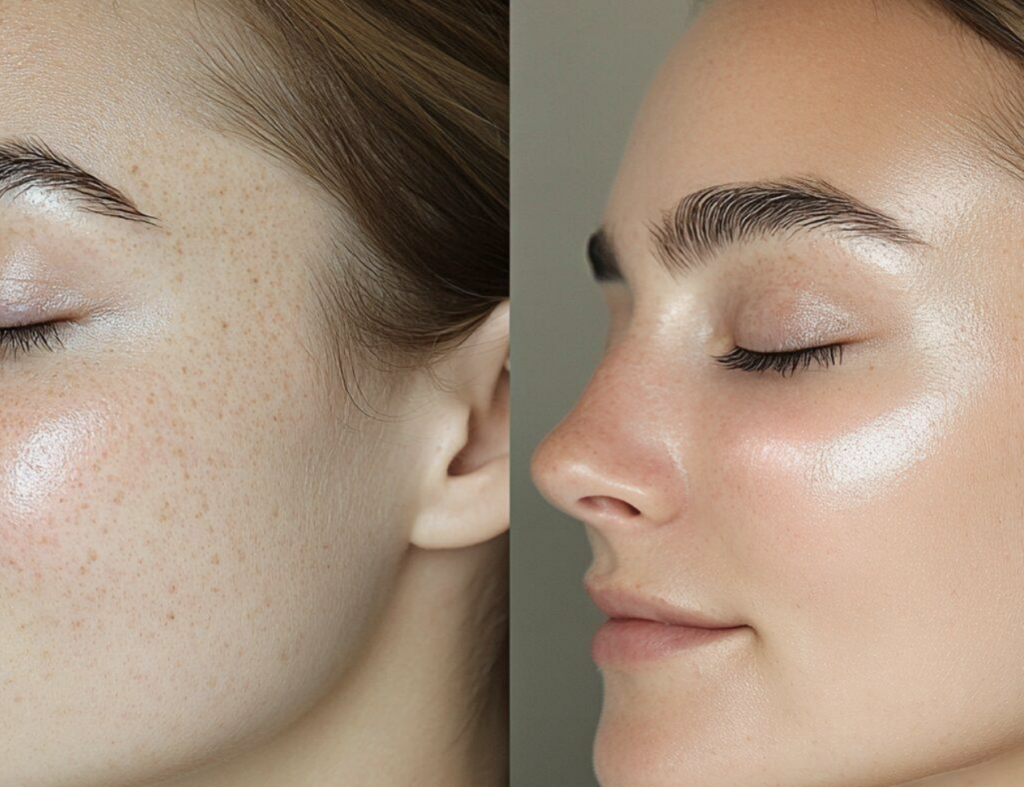
Early changes are often subtle. Many patients notice temporary brightness, mild swelling-related smoothness, or a cleaner-looking skin tone before they see major structural improvement. These initial results can make the skin look fresher, but they are not always the same as the outcome.
Over the next few weeks, the focus usually shifts from surface change to deeper remodeling. That is when patients may start seeing subtle improvements in fine lines, uneven texture, and overall tone. With time, some treatments may also soften age spots, sun spots, or mild dark spots, depending on the technology used and the original concern.
Visible Results From Laser Skin Resurfacing
Laser skin resurfacing and laser resurfacing can produce visible changes in stages. The first stage is recovery, when redness, warmth, and swelling settle. After that, many patients begin to see a smoother-looking surface within just a few days to a couple of weeks, especially with fractional lasers, though deeper correction keeps evolving after that.
The second stage is collagen remodeling. Because laser treatment may heat tissue below the surface while also addressing the top layer, improvement in deeper wrinkles, acne scars, uneven tone, and improved texture can continue well beyond the first visible change. This is one reason laser skin resurfacing often requires patience, even when the early response looks promising.
The Timeline for Skin Tightening Treatments
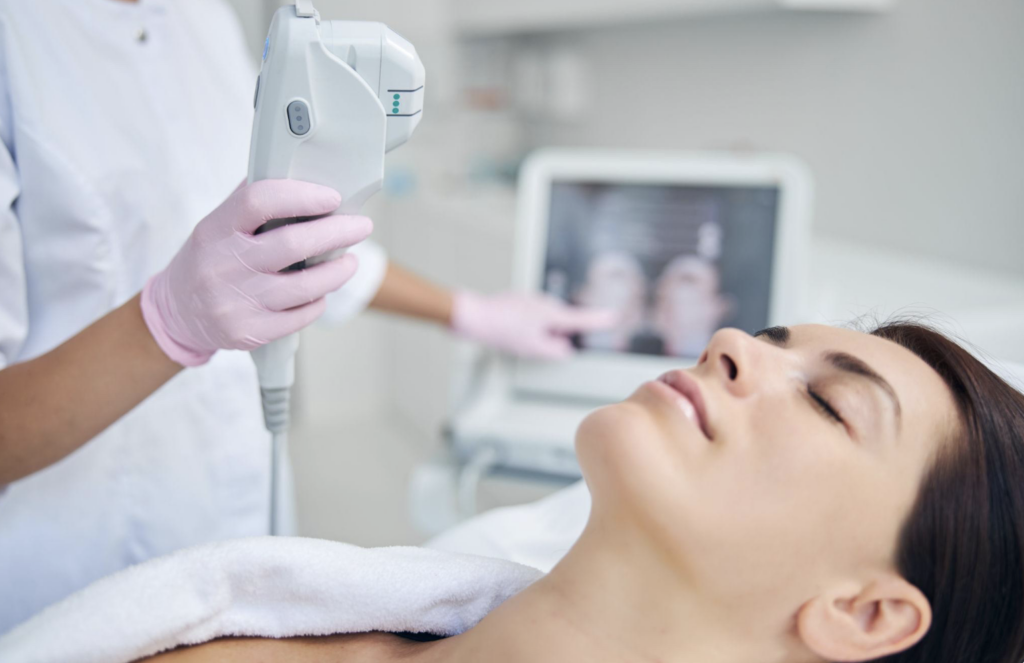
Skin tightening treatments usually take longer than patients expect because they rely on gradual tissue remodeling rather than instant lifting. Treatments that use radiofrequency energy encourage collagen and elastin activity over time. According to the Cleveland Clinic, patients may notice changes in skin tone and appearance within two to six months, and some need multiple sessions.
That does not mean nothing is happening early on. Some patients feel firmer skin sooner, but optimal results depend on collagen development, elastin production, and recovery inside the skin. For patients seeking skin tightening without surgical procedures, this slower timeline is often part of the tradeoff.
What About Acne Scars, Uneven Tone, And Texture Concerns?
When multiple concerns are involved, treatment timing becomes even more individualized. Acne scars often respond gradually because the skin is rebuilding support under the surface. The AAD notes that microneedling-related collagen induction may show improvement within a few weeks, but fuller results often take several months and may require a series of sessions.
Pigment-related concerns may follow a different pattern. Some spots darken before they lighten, and some forms of sun damage need repeated care before they fade dark spots or create a more even skin tone. Patients looking for radiant skin usually do best when they understand that brightness may come first, while scar remodeling and texture correction often take longer.
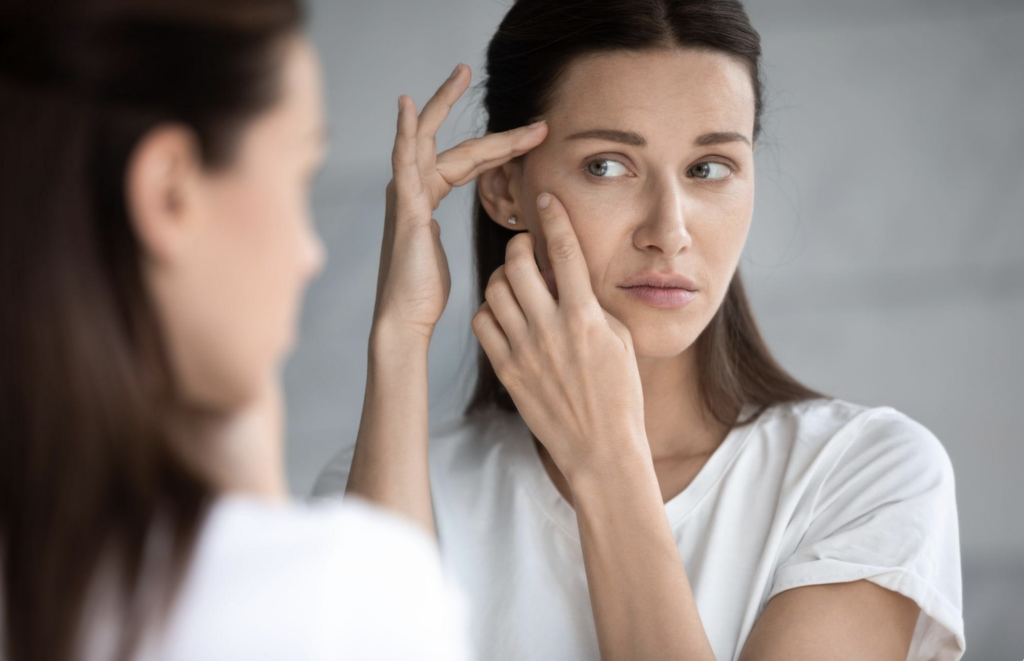
Factors That Influence How Quickly Results Appear
Several factors influence timing, including skin type, treatment intensity, age, degree of UV exposure, and the condition being treated. A patient addressing early fine lines may see change sooner than someone treating long-standing sun damage, marked texture irregularity, or deeper scarring. Different devices are simply not created equal.
Daily habits matter too. A consistent skincare routine, limited sun exposure, and a healthy diet that includes nutrients used in repair, such as amino acids and antioxidant support like vitamin C, may support recovery conditions. Those habits do not override biology, but they can influence how well the skin maintains a calmer, more resilient skin environment after treatment.
Why Aftercare Guidelines Matter So Much
Good aftercare protects healing skin while results are developing. Patients are often advised to follow aftercare guidelines, avoid unnecessary irritation, and protect treated areas from UV light. The AAD continues to emphasize broad-spectrum SPF 30+ and sun protection behaviors because UV exposure can worsen discoloration, delay recovery, and work against treatment goals.
Supportive care also affects comfort. Barrier-friendly products, hydration, and provider-recommended soothing creams may reduce the irritation patients sometimes feel during the early healing window. In some cases, ingredients like hyaluronic acid may be used in a broader plan to support hydration and smoother-looking skin, depending on treatment type and provider guidance.
What Should Patients Expect From A Personalized Treatment Plan?
A thoughtful treatment plan does more than assign a procedure. It matches the patient’s skin goals, recovery tolerance, timeline, and concern profile. Someone seeking youthful-looking skin through brightness and polish may need a different approach than someone focused on scars, laxity, or deeper wrinkles.
That is why many patients benefit from a staged plan instead of a one-time appointment mindset. Combining treatment timing, home care, sun protection, and follow-up review often produces more predictable progress and more durable-looking change. In aesthetic medicine, long-lasting improvements usually come from consistency, not speed alone.
FAQ
How soon do patients notice a glow after skin rejuvenation?
Some patients notice an immediate glow within a few hours or the first several days, especially after treatments that refresh the surface. Deeper correction usually takes longer.
Are collagen-based improvements slower than surface results?
Yes, treatments tied to collagen production usually improve gradually because the skin needs time to build new collagen and remodel tissue. Full results may take weeks to months.
Do acne scar treatments usually require more than one session?
Often, yes. The AAD notes that treatments for acne scars, such as microneedling, commonly involve a series, and results develop over time rather than overnight.
Can sun exposure delay visible results?
Yes. Ongoing UV exposure can worsen discoloration and interfere with recovery, which is why sunscreen and sun-protective habits remain important after treatment.
Conclusion
The clearest takeaway is that when skin rejuvenation treatments start showing visible results depends on the method, the target concern, and the pace of repair inside the skin. Some patients notice a fresher look quickly, but meaningful change from stimulating collagen often unfolds over a few weeks to several months. That timeline is part of how the skin builds toward smoother texture, better tone, and healthier-looking results.
Patients usually feel more confident when they understand what is early improvement, what is still healing, and what may require multiple sessions. Clear guidance helps protect both the skin and the patient experience. It also keeps expectations anchored in medical reality rather than marketing language.
If you are comparing options for skin rejuvenation, Contact BluePoint for the next steps and a personalized consultation focused on your timeline, skin condition, and treatment priorities.