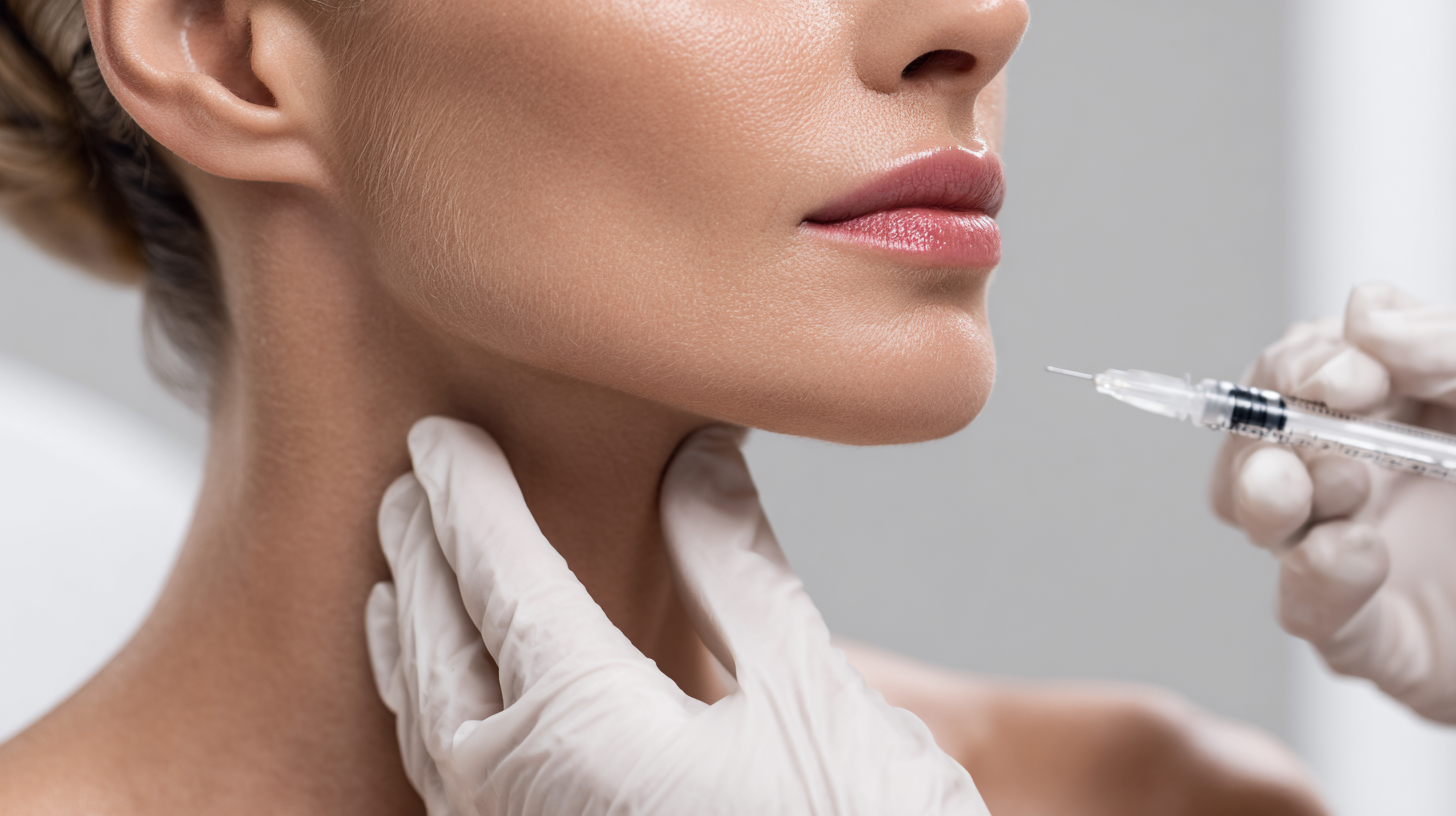
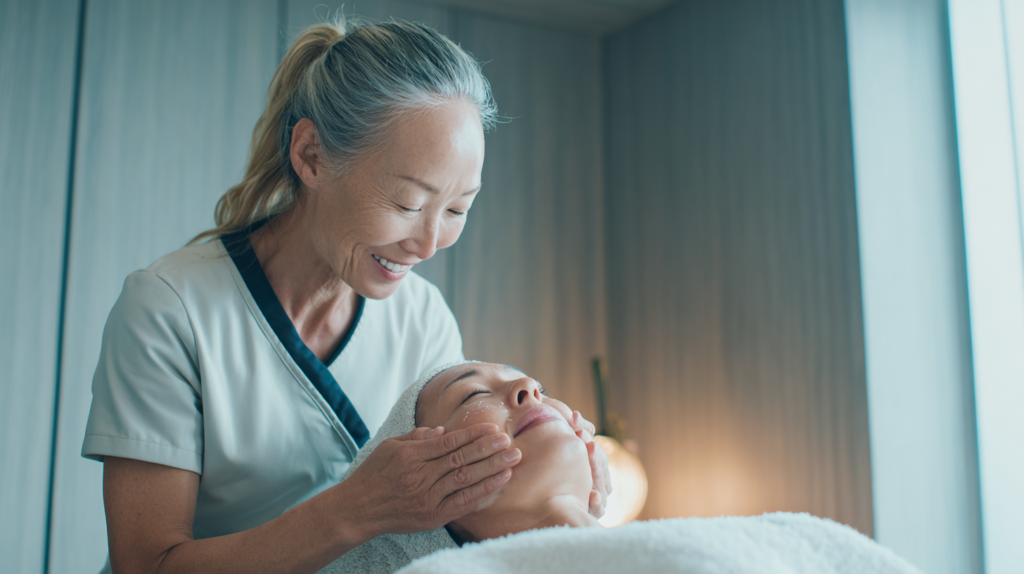
There is a meaningful difference between a facial that refreshes the skin’s surface for a day and one designed to support long-term skin health through consistent, clinically informed care. Patients who have relied on at-home routines or occasional spa facial visits sometimes find that their results plateau, not because their skin is beyond help, but because over-the-counter products and traditional spa facials are not formulated or performed at the depth required to address more persistent concerns. A medical-grade facial brings a different level of precision, ingredient potency, and professional expertise to the treatment room, which is why many patients begin to notice a meaningful shift in their skin texture, skin tone, and overall skin vitality after committing to a structured plan that prioritizes the best facial treatments for long-term skin texture.
Understanding what makes a medical facial distinct from a conventional facial is the first step toward making an informed decision. Medical-grade treatments are performed by or under the supervision of licensed professionals, often nurse practitioners, physician assistants, or trained aesthetic providers, who conduct a thorough skin analysis before selecting protocols tailored to a patient’s individual skin concerns. This is not a one-size-fits-all service. The products, techniques, and advanced technology used in a medical spa setting are calibrated to a patient’s skin type, sensitivity level, and aesthetic goals, which is why outcomes tend to be more consistent and more meaningful over time in advanced treatment environments like Blue Point Medical Spa Las Vegas.
This article is designed to give patients a clear, realistic picture of what medical-grade facials involve, what concerns they are commonly used for, and how to approach them as part of a longer-term treatment plan rather than a single-session solution.
How Medical Grade Facials Differ from Traditional Spa Facials
Ingredients and Penetration Depth
The most fundamental difference between a medical-grade facial and a traditional spa facial lies in the formulations used during treatment. Medical-grade skincare products contain active ingredients at concentrations that are not available in retail or over-the-counter products, and they are designed to reach deeper skin layers where collagen, elastin, and cellular activity occur. Standard spa products, while pleasant and appropriate for maintenance, typically work at a more superficial level and are not formulated to drive meaningful change in skin texture, collagen production, or cell turnover. This distinction matters when the goal is not simply relaxation but measurable progress toward specific skin concerns.
Professional-grade ingredients such as prescription-strength retinoids, stabilized vitamin C complexes, chemical peels vs facial protocols with controlled acid concentrations, and growth-factor serums are among the tools licensed professionals use in a medical spa environment. These formulations are selected based on the patient’s skin analysis and adjusted over time as the skin responds and adapts. Because these ingredients are more potent than retail equivalents, proper application requires training and an understanding of contraindications, particularly for patients with sensitive skin, reactive skin, or underlying medical conditions that may affect tolerability.
Advanced Technology and Specialized Techniques
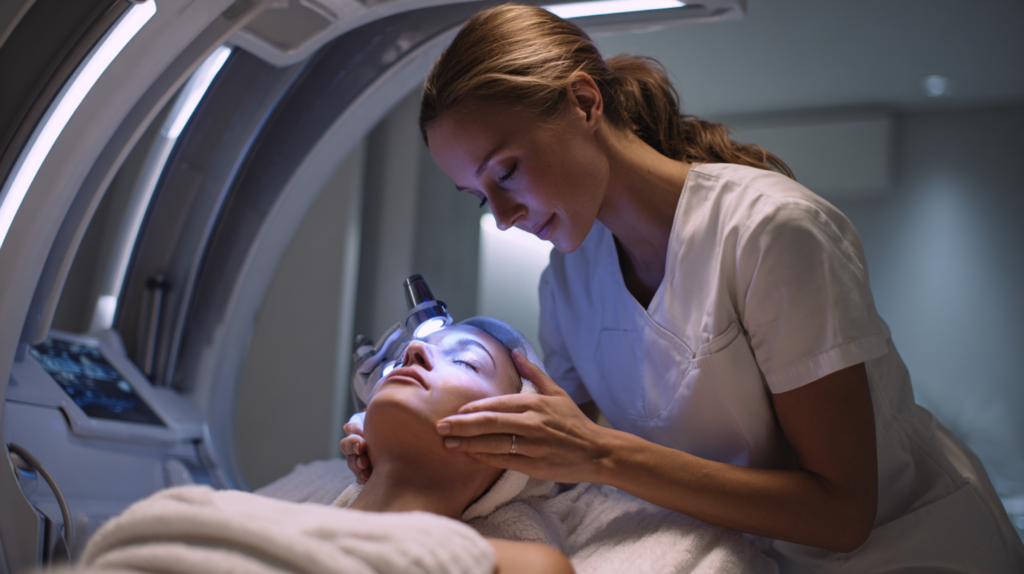
Beyond formulations, medical-grade facials often incorporate advanced technology and specialized techniques that are not available in a standard spa setting. LED light therapy, for example, uses specific wavelengths of light to support cellular renewal, collagen support, and reduction of surface-level inflammation, depending on the wavelength selected by the provider. Microcurrent devices, ultrasound-assisted delivery systems, laser facial technology, and targeted exfoliation tools are additional modalities that can be layered into a treatment based on individual goals. These advanced tools allow providers to address concerns at multiple levels of the skin simultaneously, which is one reason consistent facial treatments in a luxury medical spa care and skin treatment setting tend to produce more cumulative progress than periodic spa visits.
Treatments performed with advanced techniques also tend to involve a more thorough preparation and post-care protocol. Patients undergoing treatments that include chemical peels, deeper skin layers exfoliation, or device-based modalities are typically advised on sun protection, hydration, and product avoidance during the recovery window. This level of aftercare guidance, built into the consultation and follow-up process, reflects the clinical accountability that distinguishes professional facial treatments delivered by a medical spa team of aesthetic experts from retail or spa-based alternatives.
Skin Concerns That Consistent Facial Treatments May Address
Consistent facial treatments in a medical spa setting are commonly chosen by patients managing a range of specific skin concerns, including uneven skin tone, uneven texture, dead skin cell accumulation, enlarged pores, surface dullness, and the early signs of aging. By supporting the skin’s natural renewal cycle through controlled exfoliation, targeted exfoliation, and ingredient delivery, medical-grade skincare facials may promote a more even, smoother texture and a brighter overall skin tone over a series of sessions, especially when planned with facial and chemical peel frequency for lasting results in mind. Results are variable and depend on individual factors, including baseline skin condition, lifestyle habits, and adherence to a recommended home-care protocol between visits, as well as following guidance on how often to get facials and skin treatments safely.
For patients concerned about premature aging, the relationship between collagen production and surface skin texture is particularly relevant. Stimulate collagen production is a phrase that appears often in aesthetic marketing, but in a medical spa context, it reflects a specific biological process, the controlled stimulation of fibroblast activity through exfoliation, device energy, or ingredient delivery, that supports the skin’s own repair mechanisms over time. No facial treatment produces collagen overnight, and patients are best served by understanding that cellular renewal is a gradual process. However, for patients who commit to consistent treatments on a schedule recommended by their provider, the cumulative effect on skin vitality and skin’s surface appearance may be meaningful.
Sensitive skin and reactive skin patients sometimes hesitate to explore medical-grade options out of concern that treatments will be too aggressive. This is a reasonable concern and one that skilled providers are trained to address through careful skin analysis, conservative initial protocols, and gradual progression. Many medical-grade facials are designed specifically for sensitive skin types and use formulations that support the skin barrier rather than compromise it, particularly when tailoring skincare for your specific skin tone. The key distinction is that a licensed provider adjusts the treatment to the patient’s skin’s unique needs, a level of personalization that is not consistently available in a retail or spa environment.
The Role of a Treatment Plan in Long-Term Skin Renewal
A single medical facial can leave the skin looking cleaner, more luminous, and refreshed, but the most meaningful benefits of medical-grade skincare are realized through a planned, sequential approach. A treatment plan developed in consultation with a licensed provider takes into account the patient’s current skin condition, their anti-aging goals, any individual skin concerns such as uneven skin tone or surface scarring, and the realistic pace at which the skin can respond to treatment. This planning phase is what separates a medical-grade facial experience from a temporary glow achieved after a one-time visit; it is the framework for skin health that compounds over time, similar to how personalized facial treatments at Blue Point are designed for cumulative benefits.
Professional guidance also includes an honest conversation about what medical facials are not designed to do. They are elective cosmetic services intended to support overall skin vitality, skin renewal, and maintain healthy skin over time, not to treat medical conditions or replace diagnostic care. Patients with significant dermatological concerns, such as cystic acne, active skin healing conditions, or inflammatory skin disorders,s should discuss those concerns with a licensed medical provider before beginning any aesthetic treatment, and may benefit from ongoing education through our medical spa skincare and wellness blog. A reputable medical spa will screen for these factors during the consultation and refer patients appropriately when needed, which is a reflection of the clinical standards that define professional skincare at this level and are often highlighted in our Blue Point Medical Spa blog.
FAQ
Are medical-grade facials safe for sensitive skin?
Medical-grade facials can be appropriate for sensitive skin when performed by a qualified provider who conducts a thorough skin analysis beforehand. Many protocols are specifically designed to support the skin barrier and reduce reactive skin responses while still delivering meaningful results. The key is full disclosure of your skin history, sensitivities, and any products you are currently using so that the provider can select formulations and advanced techniques that minimize the risk of adverse reactions.
What is the difference between a medical-grade facial and a chemical peel?
A medical facial is a broader treatment that may include deep cleansing, targeted exfoliation, masking, serum delivery, and device-based modalities tailored to the patient’s specific concerns. A chemical peel is a more specific intervention in which an acid solution is applied to the skin’s surface to remove dead skin cells, support cell turnover, and address concerns such as uneven skin tone or surface texture. Chemical peels are often incorporated as a component of a larger treatment plan rather than used as a standalone service.
How do medical-grade facials support collagen production over time?
Medical-grade facials support collagen production by delivering active ingredients to deeper skin layers, promoting cellular renewal, and using advanced tools such as LED light therapy or microcurrent devices that stimulate fibroblast activity. This process unfolds gradually over multiple sessions, which is why consistent treatments are more effective than a single visit. Collagen support through professional care, combined with a compatible home-care routine and sun protection, may contribute to a firmer, more resilient skin texture over time.
Conclusion
Approaching medical-grade facials as an informed patient means asking the right questions before committing to a plan. What is included in the skin analysis process? What medical-grade products will be used, and are they appropriate for your skin type and concerns? What is the recommended frequency of professional treatments, and what at-home regimen will support the results between visits? How will the provider assess progress, and at what point might advanced treatments such as chemical peels or LED light therapy be introduced? How can flexible medical spa payment plans and financing options support your ability to stay consistent with care? These are reasonable questions that any qualified provider should be able to answer with clarity and without pressure.
It is also important to understand that medical-grade facials carry a low but real risk of adverse reactions, particularly when potent ingredients or energy-based devices are involved. Patients with sensitive skin, known allergies, or a history of reactive skin should disclose this information during the consultation to allow for appropriate product selection and protocol adjustment. Sun protection is a non-negotiable component of any aesthetic treatment plan, as increased photosensitivity following exfoliating treatments can accelerate premature aging or worsen uneven texture if unaddressed. Individual results vary, treatments may carry risks or contraindications, and a licensed provider is the appropriate resource for determining whether a specific protocol is right for your skin.
Contact BluePoint Medical Spa to schedule a consultation with a licensed provider and discuss whether an elective aesthetic treatment plan is appropriate for your goals, skin type, and medical history.