There is a point in many patients’ skincare journeys when the products that once worked well begin to feel insufficient. The skin texture may seem less refined, fine lines more visible, and the skin tone less even than it used to be, yet the routine has not changed. This experience is common, and it reflects a biological reality: as the skin ages, the rate of cell turnover slows, collagen and elastin production decline, and the structural capacity that once kept skin looking firm and radiant gradually shifts. Skin rejuvenation at a professional level is designed to work within these deeper processes, not simply on the skin’s outermost surface.
Skin rejuvenation refers broadly to a category of elective aesthetic treatments and procedures that support the renewal, resurfacing, and structural improvement of the skin beyond what topical care alone can provide. These treatments are performed in a clinical setting by or under the supervision of licensed providers who assess each patient’s skin condition, skin type, and personal goals before recommending a course of care. The distinction between professional and retail care is not simply about potency; it is about precision, depth, and the ability to address concerns such as acne scars, deep wrinkles, uneven pigmentation, and compromised skin elasticity in ways that require clinical expertise and specialized equipment.
Understanding the options available and how each one addresses a different layer or mechanism of the skin is the most useful starting point for any patient considering professional care at a Las Vegas medical spa offering advanced treatments. This article is designed to provide that context clearly, honestly, and without overpromising outcomes.
How Professional Skin Rejuvenation Treatments Work at a Structural Level
Collagen production and elastin production are central to nearly every professional skin rejuvenation treatment, because these proteins form the structural matrix that gives skin its firmness, smoothness, and resilience. When this matrix weakens with age, sun exposure, or cumulative sun damage, the visible results include fine lines and wrinkles, rough patches, loss of skin firmness, and a gradual shift in skin quality that topical products cannot meaningfully reverse on their own. Professional treatments that stimulate collagen do so by signaling the skin’s own repair mechanisms, whether through controlled thermal injury, micro-injury, exfoliation, or light energy to generate new skin growth and support collagen restoration for skin rejuvenation over time.
The concept of stimulating natural collagen production is worth understanding beyond the marketing context in which it is often presented. Treatments that boost collagen production do not add collagen from an external source; they create conditions in which the skin’s fibroblast cells, the specialized cells responsible for producing collagen and elastin, respond to a controlled stimulus by increasing their output. This process unfolds gradually, which is why patients pursuing skin rejuvenation procedures are encouraged to think in terms of a treatment plan rather than a single session. Collagen and elastin rebuild over weeks to months, and the most visible improvements typically emerge across a series of professional treatments rather than immediately following one.
Cell Turnover and the Removal of Dead Skin Cells
Cell turnover, the cycle by which the skin sheds old cells and generates fresh ones, is another foundational mechanism that professional treatments are designed to support. In younger skin, this cycle occurs approximately every twenty-eight days, producing a naturally smooth, glowing skin appearance. With age, this cycle slows considerably, allowing dead skin cells to accumulate on the skin’s surface and contributing to dull skin, uneven texture, dark spots, and reduced absorption of both topical and professionally applied products. Treatments that accelerate or support cell turnover, such as chemical peels and laser facial resurfacing treatments, work by removing the outermost damaged layers and signaling the skin to produce replacement cells with renewed structural integrity.
For patients dealing with acne scars, uneven tone, or persistent rough patches, the build-up of dead skin cells and impaired renewal can make these concerns more pronounced over time. Professional exfoliation strategies, whether superficial or reaching deeper layers of the epidermis, are calibrated to the patient’s skin condition and tolerance, with the ideal facial and chemical peel frequency determined by skin type, goals, and recovery needs. A licensed provider selects the appropriate depth and formulation based on the skin type, the severity of the concern, and the patient’s schedule and recovery expectations, ensuring that the approach is effective without unnecessarily compromising the skin’s surface or triggering adverse responses.
Common Professional Skin Rejuvenation Procedures and Their Applications
Laser skin resurfacing is one of the most widely chosen skin rejuvenation procedures for patients managing visible wrinkles, acne scars, uneven pigmentation, and sun damage. Ablative laser treatments remove the outermost layers of the skin to prompt new skin growth and collagen remodeling, while non-ablative options deliver controlled heat energy to the deeper layers without removing surface tissue, offering minimal downtime for patients with active schedules. Both approaches work by triggering the skin’s natural repair response, and outcomes depend significantly on individual factors, including baseline skin quality, sun exposure history, and adherence to post-treatment care such as consistent sun protection, as well as how often facial treatments and resurfacing procedures are scheduled within a safe skin treatment frequency range.
Chemical peels use carefully selected acid formulations to remove dead skin cells, improve skin texture, and address concerns including acne scars, dark spots, uneven tone, and surface fine lines and wrinkles, making them a more intensive option than a standard chemical peel vs facial treatment in many cases. Peel depth, superficial, medium, or deep, is determined by the concentration and type of acid used, and this decision is made by the provider based on a thorough assessment of the patient’s skin type, sensitivity, and goals. Superficial peels offer a gentler entry point with minimal downtime, while more intensive treatments such as medium-depth peels may produce more significant improvements in skin elasticity and skin firmness at the cost of a longer recovery window. Both options are elective and should be discussed in the context of an individualized, customized treatment plan.
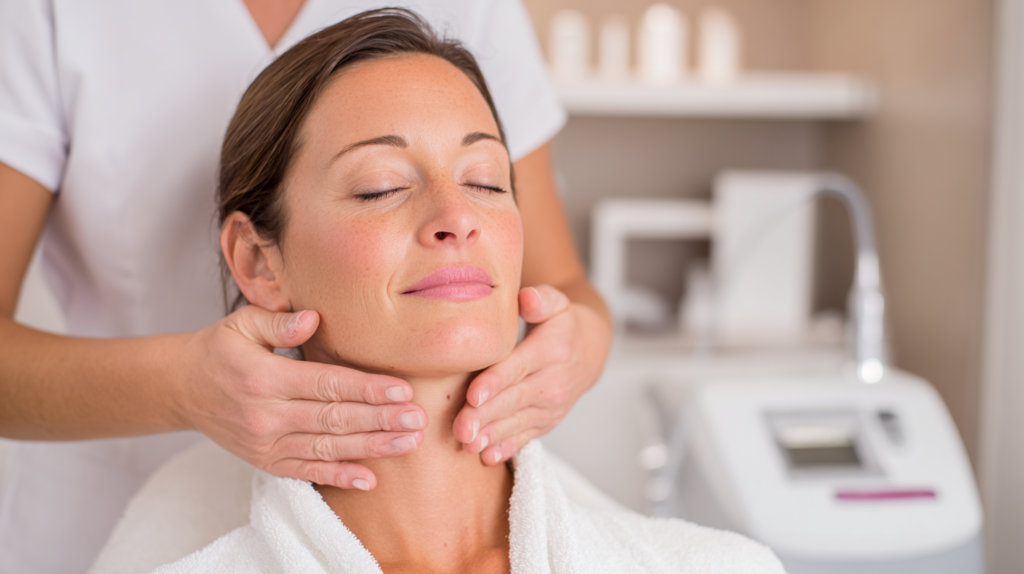
LED light therapy, including blue light and red-spectrum applications, represents one of the most accessible non-invasive treatment options in a professional skin rejuvenation setting and is often paired with customized professional facial treatments for enhanced results. Blue light therapy is commonly used for its effect on acne-causing bacteria, while red and near-infrared wavelengths are associated with supporting collagen production, reducing surface inflammation, and promoting softer skin over a consistent series of sessions. LED light therapy is generally well-tolerated by sensitive skin patients and is often incorporated as a component of a broader facial treatment protocol rather than as a standalone service.
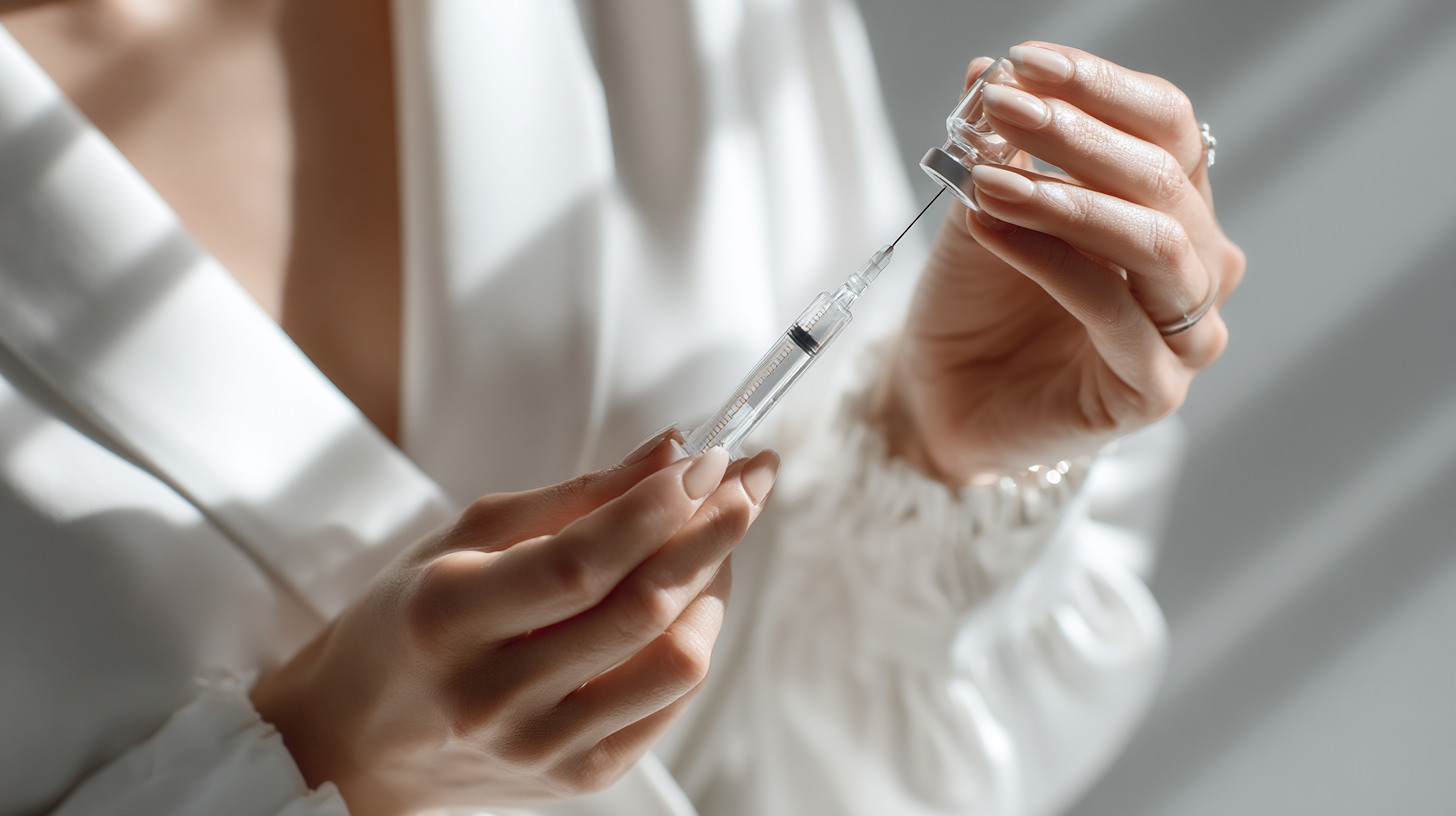
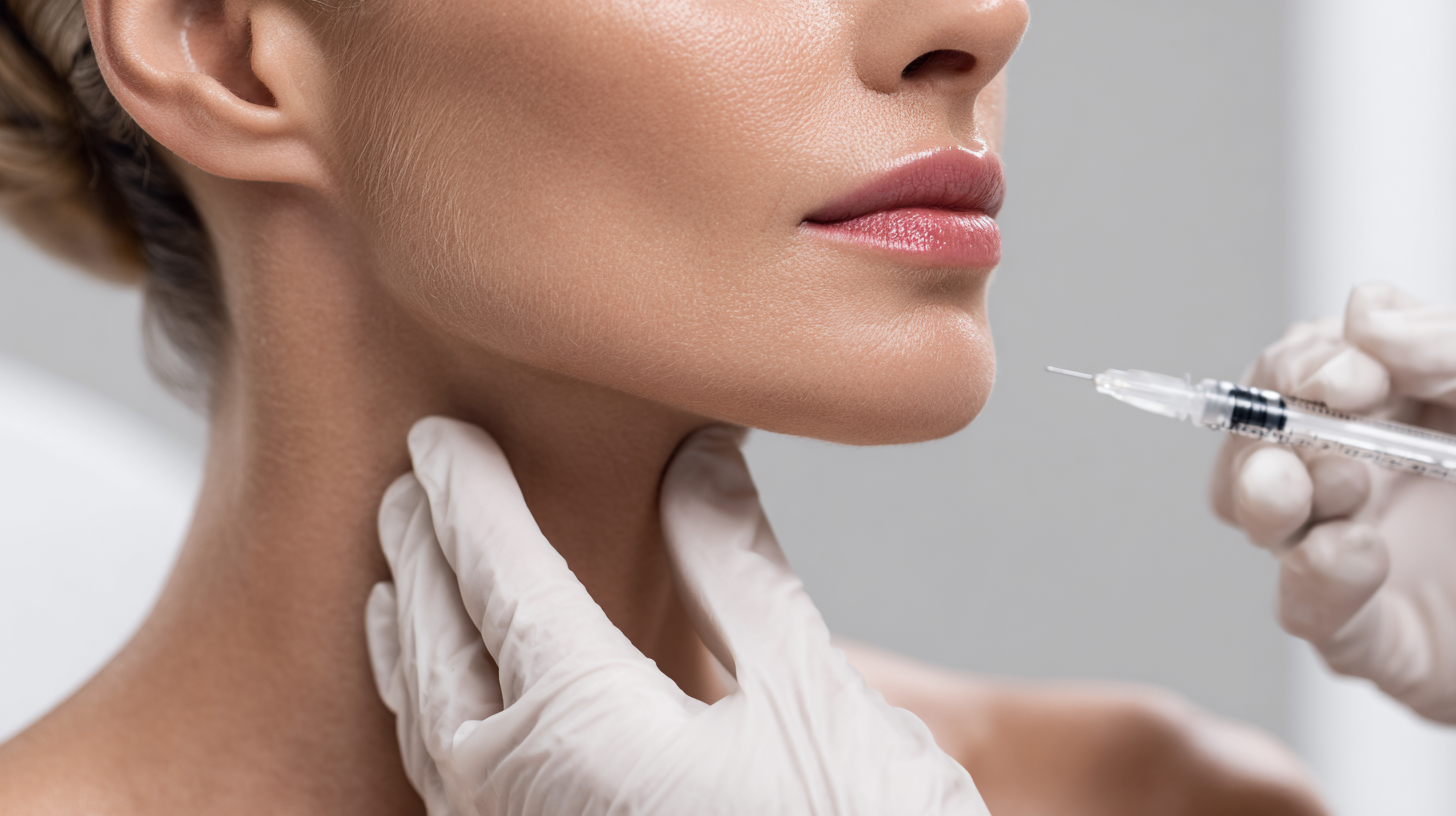
Dermal fillers and hyaluronic acid-based injectables are another category of skin rejuvenation treatment used to restore volume, smooth deeper lines, and improve the appearance of the mid-face and perioral area. Unlike treatments that target collagen remodeling from within, fillers provide an immediate volumizing effect by physically adding structure beneath the skin’s surface. Some filler formulations also support existing collagen fibers by creating a scaffolding effect in the tissue. These are elective, provider-administered treatments with a distinct indication profile, and they are most appropriately chosen when volume loss or deeper lines are the primary concern rather than surface skin texture or uneven pigmentation.
Addressing Sensitive Skin and Determining the Right Level of Treatment
Patients with sensitive skin often approach skin rejuvenation with hesitation, concerned that professional treatments will cause uneven texture, prolonged redness, or compromise the skin further. This concern is reasonable, and it is one that qualified providers are specifically trained to address. A thorough pre-treatment skin condition assessment allows the provider to identify sensitivity patterns, contraindications, and the appropriate entry point for treatment, whether that means beginning with light therapy or mild chemical peels before progressing to more intensive treatments over time in a luxury medical spa setting with physician oversight. Rushing to aggressive interventions without this assessment increases the risk of adverse outcomes, which is why provider selection and transparent consultation are foundational to any overall skin rejuvenation plan.
Growth factor serums and hyaluronic acid-based protocols are sometimes incorporated into treatment plans for patients with reactive or sensitive skin, as these formulations support repair, skin health, and hydration without the inflammatory risk associated with more aggressive exfoliants. Growth factors, proteins that regulate cellular communication and tissue repair, can support skin growth and recovery following professional treatments by signaling regenerative activity in the skin’s deeper layers. For patients who are new to professional care or who are managing compromised skin, these supportive modalities offer a meaningful step toward improved skin quality without the downtime or sensitivity risk of intensive treatments.
Building a Customized Treatment Plan for Long-Term Skin Quality
A customized treatment plan is the framework through which professional skin rejuvenation at a comprehensive skin, body, and wellness medical spa produces its most consistent and meaningful results. Single sessions may offer visible improvements in skin tone, softer skin, or surface luminosity, but the structural changes that support long-term skin health, collagen remodeling, improved skin elasticity, reduced acne scars, and more even skin texture develop over a sequence of sessions tailored to the patient’s progression. A licensed provider builds this plan around the patient’s current skin condition, their specific concerns, their tolerance for recovery, and their timeline for results. This individualized approach is what distinguishes professional care from generalized retail recommendations and reflects the value of working with a medical spa team of aesthetic experts.
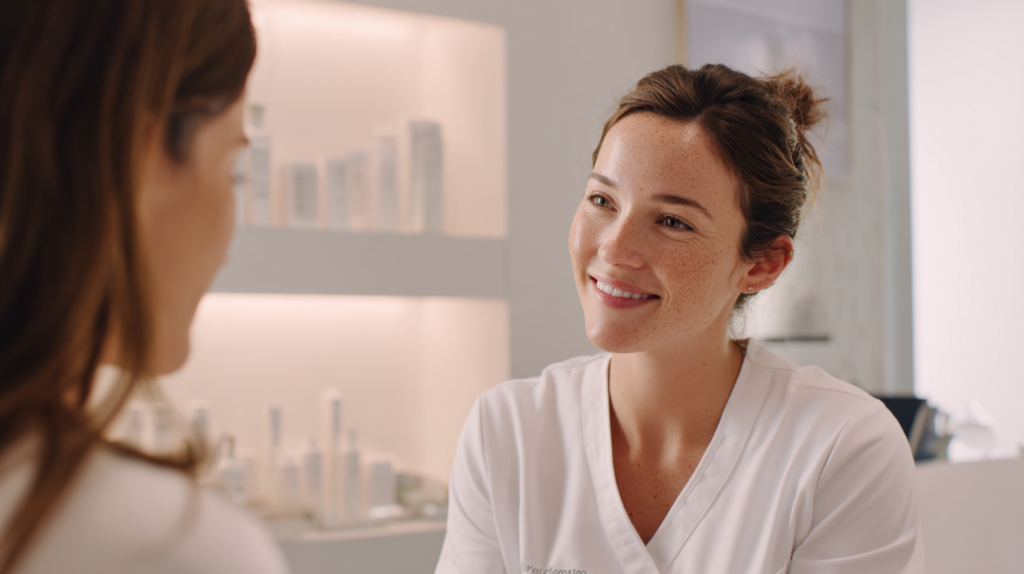
Patients considering skin rejuvenation procedures should come prepared to discuss their full skin history, including prior facial treatments, current topical products, any medications that affect skin tone or collagen production, and previous reactions to professional care, especially when attending a free consultation at a medical spa. This information directly informs which rejuvenation treatments are appropriate, which should be avoided or delayed, and in what sequence professional treatments should be introduced. Boosting collagen through professional care is a cumulative process that benefits from consistency, transparency with the provider, and a complementary at-home regimen that protects and maintains progress between treatment room sessions.

FAQ
Are professional skin rejuvenation treatments safe for sensitive skin?
Readers can also explore additional expert tips and treatment updates in our skin rejuvenation and wellness blog when researching options for sensitive or reactive skin.
Many skin rejuvenation procedures are well-suited for sensitive skin when performed by a qualified provider who conducts a thorough pre-treatment assessment. Options such as LED light therapy, growth factor serums, and gentle chemical peels are commonly used as entry points for patients with reactive or sensitive profiles. Full disclosure of your skin condition, current products, and prior reactions allows the provider to select appropriate protocols and minimize the risk of adverse outcomes.
What is collagen remodeling, and why does it matter?
Collagen remodeling refers to the process by which the skin repairs and reorganizes its collagen matrix following a controlled stimulus, such as laser skin energy, microneedling, or exfoliation. This process supports improvements in skin elasticity, skin firmness, and skin texture over a period of weeks to months as the tissue rebuilds. Because stimulating natural collagen production is gradual, the full results of remodeling-focused treatments are often most visible six to twelve weeks after a session rather than immediately following it.
How does sun exposure affect skin rejuvenation results?
Sun exposure is one of the most significant factors that can diminish or delay the results of professional skin rejuvenation. UV radiation breaks down existing collagen fibers, worsens uneven pigmentation, and increases the risk of post-treatment complications such as dark spots or prolonged redness following procedures that affect the deeper layers of the skin. Consistent sun protection—daily broad-spectrum SPF use—is a non-negotiable component of any professional treatment plan and is among the most impactful steps a patient can take to protect their investment in professional care.
Conclusion
Professional skin rejuvenation offers meaningful options for patients seeking improvement in skin quality, skin texture, skin firmness, lines and wrinkles, and overall skin rejuvenation goals, but outcomes are not uniform, and no treatment produces the same result for every patient. Age, genetics, sun exposure history, lifestyle habits, and the consistency of treatment adherence all interact to shape what is achievable. Patients who approach professional care with clear, grounded expectations tend to experience greater satisfaction and are better positioned to sustain results over time. Understanding that stimulating collagen production is a biological process,n not an immediate transformation, is part of what makes the consultation conversation so valuable.
It is also important to acknowledge that skin rejuvenation treatments carry potential risks and contraindications. Minimally invasive treatments and non-invasive treatment options generally present a lower risk profile than more intensive treatments, but all professional procedures require informed consent, thorough pre-treatment screening, and appropriate post-care protocols. Individual results vary, and no provider can guarantee specific outcomes. The goal of a well-designed treatment plan is progress that is visible, sustainable, and appropriate for the patient’s skin type, health status, and personal goals, not a predetermined result.
Contact Blue Point Medical Spa for personalized skin, body, and wellness care to schedule a consultation with a licensed provider and discuss whether an elective aesthetic treatment plan is appropriate for your goals, skin type, and medical history.