
Patients searching for skin improvement, relaxation, or anti-aging treatments in Las Vegas may encounter two types of businesses that sound similar: a day spa and a medical spa. Both can support appearance and well-being, but they operate with different standards, services, provider qualifications, and treatment goals.
The difference between a medical spa and a day spa is more than the name on the door. A day spa usually focuses on relaxation, surface-level care, and non-medical beauty services. A medical spa, often called a med spa, offers elective aesthetic treatments that may involve medical-grade products, clinical devices, injectables, and provider oversight.
Understanding this distinction helps patients choose the right setting for their goals. A patient looking for relaxation may be well served by a day spa. A patient seeking treatment for fine lines, volume loss, hyperpigmentation, skin laxity, acne scarring, or collagen loss may need the clinical assessment and treatment planning available at a medical spa.
At Blue Point Medical Spa, care is guided by consultation, education, and professional oversight. The goal is to help patients understand which treatments may be appropriate, what limitations exist, and how to set realistic expectations.
Treatment Depth and Clinical Capability
The most immediate difference between a day spa and a medical spa is treatment depth. The two settings may both offer services that improve how the skin looks or feels, but they usually work at different levels.
Day spa treatments tend to focus on comfort, relaxation, and surface-level improvement. Common services may include basic facials, massage, body wraps, waxing, manicures, and pedicures. These services can support self-care, reduce stress, and leave the skin temporarily hydrated or refreshed. However, they are not designed to create bigger structural changes in the skin.
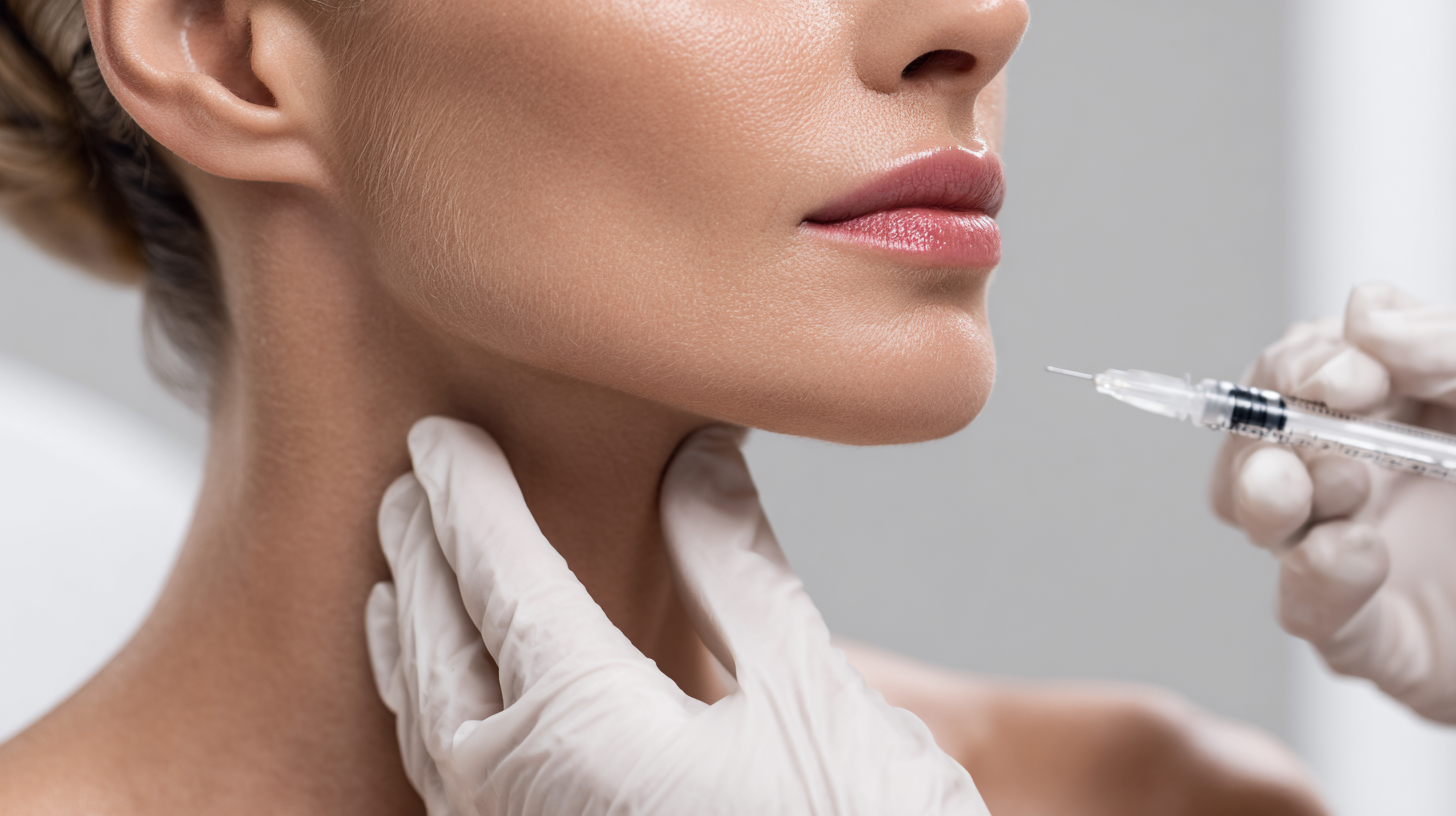
A medical spa offers treatments that may work below the surface layer of the skin. These may include injectable treatments such as Botox, dermal fillers, laser treatments, chemical peels, microneedling, radiofrequency treatments, Ultherapy, and body sculpting.
These treatments may influence collagen production, cell turnover, skin texture, skin tone, facial volume, or mild skin tightening. Because they create physiological effects, they require proper candidate screening, careful technique, and detailed aftercare.
The difference is not that one setting is “better” for every purpose. It is that each setting serves a different role. Day spas are often appropriate for relaxation and maintenance, while medical spas are more appropriate when the patient wants a medically guided aesthetic plan.

Provider Qualifications and Medical Oversight
Provider training is another major difference between a day spa and a medical spa. Day spas commonly employ licensed aestheticians, massage therapists, or cosmetologists who are trained in beauty services, surface-level skincare, and relaxation-focused treatments.
These professionals may be skilled within their scope, but they are not licensed to perform medical aesthetic procedures such as injections, medical-grade laser treatments, or prescription-strength procedures. Their role is generally focused on non-medical care.
A medical spa operates under medical oversight and may include licensed healthcare professionals such as physicians, nurse practitioners, physician assistants, registered nurses, or licensed providers with aesthetic training. The specific rules vary by state and treatment type, but medical oversight is important because many med spa treatments involve clinical decision-making.
This distinction matters because treatments such as injectables, lasers, microneedling, and deeper peels require knowledge of facial anatomy, skin physiology, contraindications, sterile technique, and complication management. A provider must understand not only how to perform a treatment, but also when not to perform it.
At Blue Point Medical Spa, patients can learn more about the Blue Point team and clinical leadership through Dr. Danka K. Michaels, M.D Professional oversight helps support safer treatment planning and more realistic recommendations.
Safety Standards and Clinical Protocols
Day spas and medical spas are also held to different safety standards because they offer different types of services. Day spas must maintain cleanliness, licensing, and sanitation standards appropriate for cosmetology or wellness services. These standards are important, but they do not cover the same medical considerations as clinical aesthetic procedures.
A medical spa must follow protocols related to medical devices, injectable products, sterile supplies, patient screening, and treatment documentation. Services involving needles, lasers, prescription-strength products, or clinical devices require more detailed safety processes than a standard relaxation-focused service.
For example, Botox and dermal fillers should be sourced through authorized channels, stored properly, and administered by qualified providers. Laser and energy-based devices require appropriate settings based on skin type, treatment area, pigmentation risk, and medical history. Needling procedures require sterile technique and proper sharps disposal.
Patients should also receive clear instructions before and after treatment. A strong medical spa protocol includes consultation, informed consent, aftercare guidance, and a way to contact the team with concerns. Blue Point’s pre- and post-treatment care guidelines help patients understand how to prepare and recover based on the service performed.
Safety does not mean there are no risks. All elective aesthetic treatments may involve side effects, contraindications, or limited response. The goal of medical oversight is to reduce unnecessary risk and help patients make informed decisions.
Consultation and Personalized Treatment Planning
A day spa visit is often built around a single service. A patient may select a massage, facial, or body treatment from a menu, receive the service, and leave with general product suggestions. That experience can be valuable for relaxation and self-care.
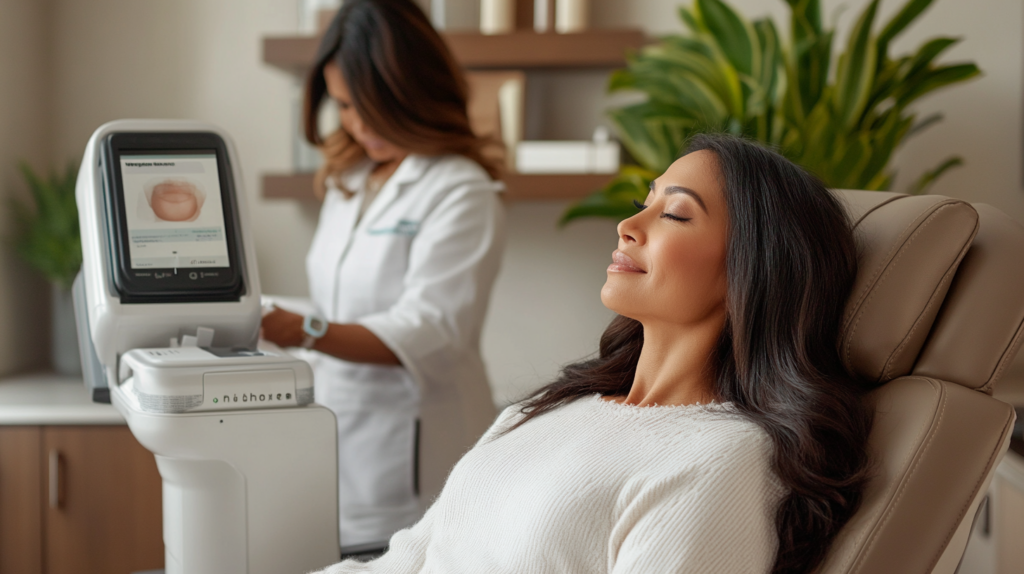
A medical spa usually begins with a more structured consultation. The provider reviews health history, medications, allergies, prior procedures, aesthetic goals, lifestyle factors, and current skin concerns. This helps identify whether a treatment is appropriate and whether any contraindications exist.
A professional skin analysis may also be part of the visit. For facial concerns, the provider may assess skin texture, elasticity, pigmentation, redness, acne activity, volume loss, wrinkles, and skin laxity. For body concerns, the assessment may focus on the treatment area, fat distribution, skin firmness, and candidacy for non-surgical contouring.
This process allows the provider to recommend a personalized treatment plan. A patient with dullness may benefit from medical-grade facials and skincare. A patient with hyperpigmentation may need peels, lasers, or pigment-focused products. A patient with volume loss may be better suited for fillers. A patient with mild laxity may ask about Ultherapy or RF-based treatments.
Blue Point’s consultation process helps patients understand the steps involved before treatment begins. This approach supports education rather than a one-size-fits-all recommendation.

Product Strength and Medical-Grade Skincare
Another difference between the two settings is the type of skincare products used or recommended. Day spas often use retail or over-the-counter products designed for comfort, hydration, fragrance, and surface-level improvement. These products may support skin feel and short-term glow, but they may not contain higher-strength active ingredients.
A medical spa may offer medical-grade skincare products that include more targeted active ingredients. These may include retinoids, vitamin C, growth factors, peptides, hydroquinone alternatives, azelaic acid, niacinamide, ceramides, and advanced sunscreen formulas. Product selection should be based on the patient’s skin type, sensitivity, and goals.
Professional skincare can support treatment outcomes between appointments. For example, patients receiving peels or lasers may need barrier-supporting products and strict sunscreen. Patients with acne-prone skin may need a structured routine that avoids pore-clogging ingredients. Patients concerned with aging may benefit from products that support cell turnover, hydration, and collagen-related skin quality.
Blue Point offers professional skincare options such as SkinMedica, SkinBetter, and ZO Skin Health. These products may be recommended as part of a broader plan, not as a universal solution for every patient.
Outcomes and Realistic Expectations
The expected outcomes from a day spa and a medical spa are different because the treatments work differently. A day spa service may leave the skin feeling softer, cleaner, or more hydrated right away. It may also provide relaxation and stress relief, which can be valuable for overall well-being.
Medical spa treatments may take longer to show results because many of them depend on the body’s biological response. Botox and other neuromodulators may begin working within several days and are typically evaluated around two weeks. Dermal fillers may provide immediate volume support, though swelling may take time to settle. Microneedling, lasers, and Ultherapy may produce gradual changes as the body responds and creates new collagen.
This also means recovery may differ. A basic day spa facial may have little to no visible downtime. A chemical peel, laser treatment, microneedling session, or injectable appointment may involve redness, swelling, peeling, tenderness, bruising, or temporary sensitivity. The recovery period depends on treatment intensity and patient response.
Patients should be cautious of any provider who promises guaranteed results, no risk, or instant transformation. A professional medical spa should explain what the treatment may help with, what it cannot do, how long results may take, and what side effects are possible.
Individual results vary based on skin type, age, anatomy, medical history, medications, treatment area, aftercare, and the body’s response.
Choosing the Right Setting for Your Goals
The right setting depends on the patient’s goal. A day spa may be appropriate for relaxation, massage, surface-level hydration, basic skincare maintenance, and stress reduction. These services can complement a wellness routine and may help patients feel refreshed.
A medical spa may be more appropriate when the patient wants to address concerns such as fine lines, dynamic wrinkles, volume loss, acne scarring, hyperpigmentation, sun damage, skin laxity, stubborn fat deposits, or more advanced skin texture changes. These concerns often require treatments that work beyond the surface.
Some patients use both settings. A patient may enjoy relaxation-focused massage at a day spa while receiving medical-grade facials, injectables, or laser treatments at a med spa. The key is timing. Certain day spa services may need to be postponed after injectables, peels, lasers, or microneedling.
Patients should tell all providers about recent treatments. For example, facial massage may need to be avoided for a short period after Botox or filler treatment. Strong exfoliation should not be performed too soon after a peel or laser. Coordination helps reduce irritation and supports safer care.
Questions Patients Should Ask Before Choosing a Med Spa
Patients considering a medical spa in Las Vegas should feel comfortable asking questions before booking. These questions can help identify whether the practice is transparent, properly supervised, and aligned with patient safety.
Important topics include who will perform the treatment, what credentials they hold, whether a licensed medical provider oversees care, what risks are possible, what aftercare is required, and whether the patient is a good candidate. Patients should also ask what alternatives exist and what the treatment cannot accomplish.
Cost should also be discussed clearly. Medical spa services are usually elective and are often not covered by insurance. Patients can ask about per-session pricing, package options, maintenance, and the expected number of sessions before committing to a plan.
A trustworthy provider should welcome questions. The consultation should feel educational, not rushed. If a patient feels pressured, confused, or dismissed, it may be worth seeking another opinion.
Blue Point Medical Spa provides consultation-based care for patients who want to understand their options before choosing a treatment path.
FAQ
Are medical spa treatments safer than day spa services?
Medical spa treatments are not automatically risk-free. They often involve stronger effects, medical-grade devices, or injectable products, so they require proper screening and qualified providers. Day spa services are usually lower intensity, while med spa services require more clinical oversight because they carry different risks and benefits.
Can patients visit both a day spa and a medical spa?
Yes, patients may use both settings when timing is appropriate. A day spa may support relaxation and surface-level care, while a medical spa may address concerns such as wrinkles, volume loss, pigmentation, or laxity. Patients should tell each provider about recent treatments to avoid irritation or product movement.
Are medical spa treatments covered by insurance?
Most medical spa treatments are elective aesthetic services and are not covered by health insurance. Coverage may apply only in specific medically necessary situations handled through appropriate medical channels. Patients should confirm costs with the practice and check with their insurer when coverage questions arise.
Conclusion
The difference between a medical spa and a day spa comes down to treatment depth, provider qualifications, medical oversight, products, safety protocols, and expectations. A day spa can be helpful for relaxation and surface-level care. A medical spa is designed for patients seeking medically guided aesthetic treatments that may work deeper in the skin or body.
At Blue Point Medical Spa, patients receive aesthetic care guided by consultation, education, and professional oversight. If you are comparing med spa treatments with day spa services, schedule a consultation to discuss which options may align with your skin goals, health history, and comfort level.
Individual results vary. A consultation with a licensed provider is required to determine whether treatment is appropriate. Aesthetic services are elective and may involve risks, side effects, contraindications, downtime, bruising, swelling, irritation, pigmentation changes, or limited response. Recommendations may vary based on skin type, medical history, medications, prior treatments, treatment goals, and aftercare adherence.