
Understanding the professional medical spa consultation process, explained step by step, can make the first visit feel much more manageable. Many patients are interested in med spa treatments, but they still have understandable questions about safety, candidacy, pricing, and what happens before any procedure is scheduled. At Blue Point, consultation is clearly positioned as the starting point for personalized care, with the spa offering booking access for a complimentary consultation and emphasizing individualized plans based on goals, lifestyle, and comfort level.
This matters because a medical spa is not the same as a day spa, a regular spa, or a traditional spa. Blue Point presents itself as a setting that combines luxury and medical-grade outcomes, supported by a team that includes a physician and an RN, BSN, while also offering services such as laser treatments, chemical peels, microneedling, body contouring, Ultherapy, injectables, and facials. That combination places the consultation in a more clinical category than a routine spa visit, even when the environment is designed to feel warm and welcoming.
A Med Spa Consultation Usually Starts With Intake and Health Review
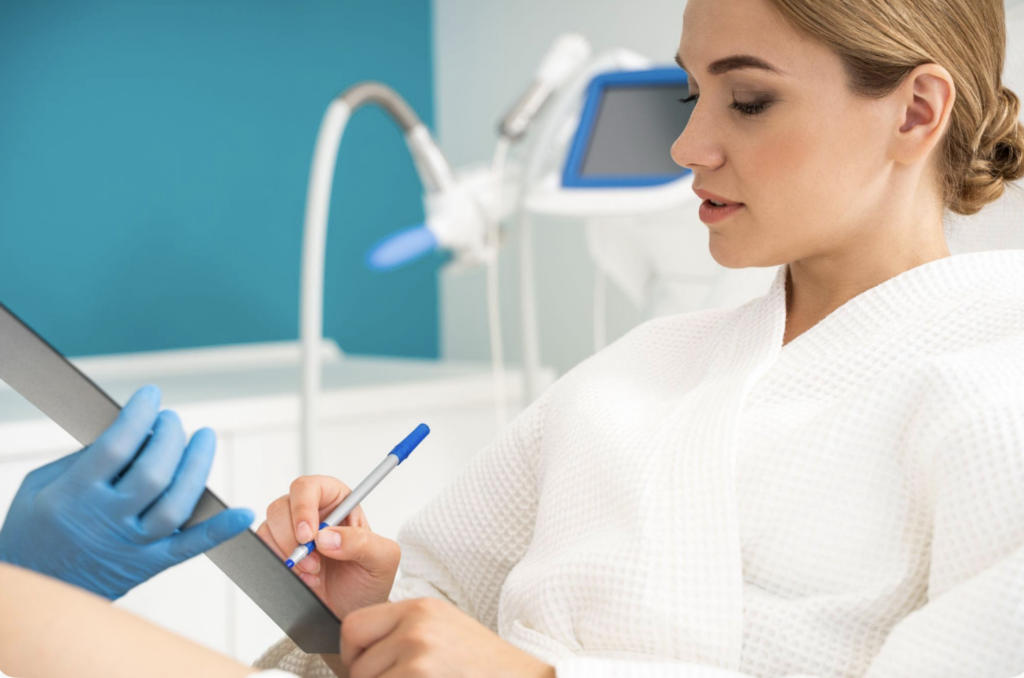
The first part of many med spa consultations is administrative, but it is still clinically important. Patients are often asked to complete a brief intake form, necessary paperwork, or another intake form that covers goals, prior treatments, allergies, and general background. In practical terms, this stage helps the provider gather the foundation for a safe and useful conversation instead of jumping directly into treatment recommendations. A good first visit is usually structured, not rushed.
The next step often involves reviewing medical history, health history, and the patient’s medical history, including medical conditions, prior procedures, skin reactions, and any history of complications with medical treatments or cosmetic procedures. In aesthetic care, that information matters because treatment safety can change based on skin sensitivity, healing patterns, pigment tendency, or previous exposure to advanced procedures. A thoughtful evaluation helps the provider decide whether a patient is ready for a first treatment now, later, or not at all.
Current Medications and Risk Factors Shape Candidacy
Another routine part of a medical spa consultation is reviewing current medications, supplements, and topical regimens. Patients may not always think of this as important, but it can affect bruising, irritation, sensitivity, and recovery after laser therapy, resurfacing, or injectable care. Some treatments also require timing adjustments when a patient is using certain prescription products, actives, or numbing creams at home without guidance.
This is also where associated risks and candidacy begin to come into focus. The consultation should identify whether there are issues that make treatment less appropriate, such as active infection, medication conflicts, recent sun exposure, or a mismatch between the requested procedure and the patient’s skin or body characteristics. In a professional setting, safety screening is not a formality—it is part of the value of medical oversight.
The Initial Consultation Focuses on Specific Concerns and Aesthetic Goals
After intake, the discussion usually shifts toward the patient’s priorities. This is where specific concerns and aesthetic goals are clarified. Some patients are most interested in laser hair removal, while others are comparing dermal fillers, skin resurfacing, body treatments, or options intended to improve skin texture, support skin rejuvenation, or create a more youthful appearance. At Blue Point, the service menu reflects that range, which makes careful sorting especially important before any recommendation is made.
This part of the conversation should also be practical. A provider may ask what bothers the patient most, what results feel meaningful, how much downtime is realistic, and whether same-day treatment is even appropriate. In many cases, the most helpful consultation is the one that narrows the focus rather than expanding it. When patients arrive with too many goals at once, a structured conversation helps separate priority concerns from secondary ones.
Before and After Photos Help Clarify the Discussion
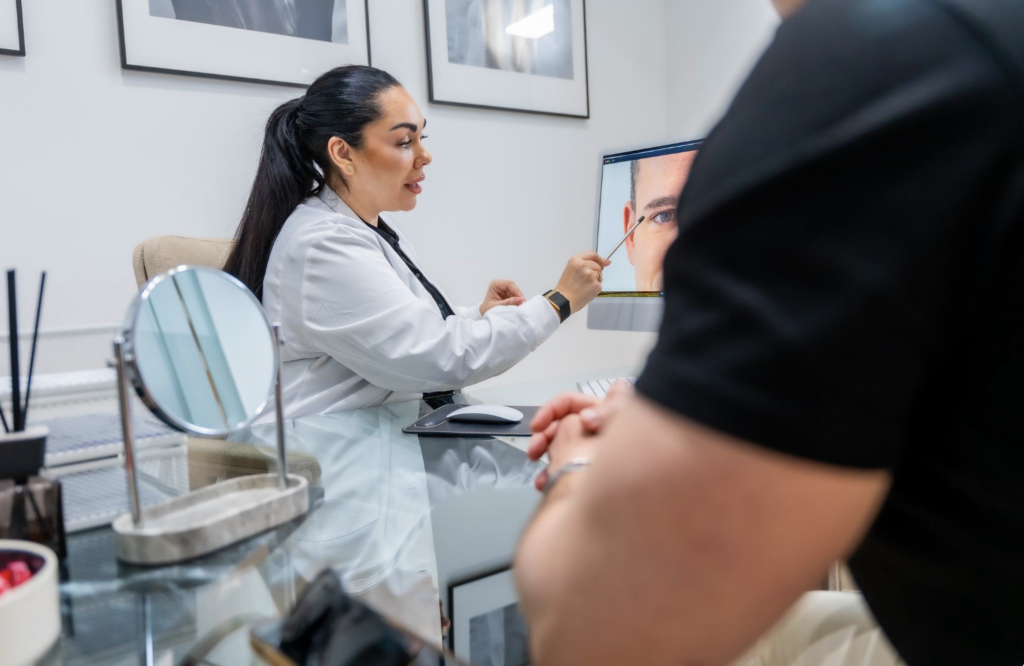
Visual assessment often plays a major role in aesthetic medicine and medical aesthetics. In many consultations, providers take or review before and after photos to document baseline features, monitor change, and make the treatment conversation more concrete. This step matters because patients often look at themselves differently from how a trained provider evaluates skin quality, volume loss, laxity, pigment, or contour.
Photos can also support more honest planning. They create a reference point for expected outcomes, which is especially useful when a patient is considering advanced aesthetic treatments or comparing multiple options. A visual baseline helps keep the process grounded in actual anatomy rather than vague hope or marketing language.
Licensed Providers Evaluate Whether a Treatment Fits the Patient
A high-quality consultation should include assessment by a licensed provider or another qualified member of the clinical team operating within the spa’s care structure. Blue Point highlights a team that includes Dr. Danka K. Michaels, M.D., and Ashlee, RN, BSN, which reinforces that the spa is organized around professional supervision rather than purely retail beauty services.
This distinction matters because med spa professionals are expected to think beyond preference alone. They assess candidacy, discuss alternatives, and explain when certain medical procedures or advanced treatments are not the best fit. Depending on the setting, evaluation may involve a physician, a nurse practitioner, a nurse, or a licensed aesthetician, but the patient should still understand who is performing or overseeing each part of care.
Medical Oversight Is One of the Main Differences From a Day Spa
Many people compare med spas with a doctor’s office on one side and a spa on the other, but the consultation process is where the medical difference becomes most visible. A regular spa or day spa may focus on relaxation, but a consultation in a true med spa setting is centered on candidacy, treatment sequencing, contraindications, and procedural planning. That is what makes aesthetic care feel more structured than a beauty service alone.
Blue Point’s site reflects this dual identity clearly. The spa emphasizes a comfortable experience, yet it also highlights science-backed results, expert care, and advanced service categories. For patients, that means the consultation is meant to bridge comfort and clinical decision-making—not replace one with the other.
Treatment Options Are Usually Reviewed in a Structured Way
Once the provider understands the concern, the discussion usually turns to treatment options. At Blue Point, that may include laser treatments, chemical peels, facials, injectables, laser hair removal, body contouring, skin resurfacing, IV therapy, or other service categories listed on the site. The consultation should explain why one category is being suggested over another and how that recommendation connects to the patient’s goals.
This is also when patients usually start asking practical questions about how many sessions, downtime, visible change, and whether a service is likely to deliver the kind of refinement they want. A responsible provider should explain that some concerns respond to one visit, while others require a sequence. That discussion supports realistic expectations, which are essential in elective aesthetic care.
A Recommended Treatment Plan Should Be Specific and Understandable
The most useful outcome of the visit is often a recommended treatment plan or broader treatment plan that is clear enough to follow. That plan might include one service, a series, or staged care over time. It may also include product guidance, preparation steps, timing considerations, and a decision about whether to delay treatment until the skin is calmer or the patient has reviewed the options more fully.
Patients should be able to understand not only what is being suggested, but why. A good plan connects the service to the concern, explains the probable recovery pattern, and outlines what success may reasonably look like. This level of clarity is what turns a consultation into informed planning instead of sales pressure.
Informed Consent and Expected Outcomes Belong in Every Professional Consultation
Before any procedure, patients should receive a plain-language explanation of informed consent. That includes how the treatment works, what it is intended to address, what temporary effects are common, and what limitations should be kept in mind. In aesthetic care, this step is essential because patients are voluntarily pursuing improvement, not medically necessary treatment.
This is also the stage where expected outcomes should be framed carefully. Patients deserve honest information about timelines, likely benefits, limitations, and how much improvement is realistic for their anatomy or skin. That is especially important in services such as dermal fillers, resurfacing, laser treatments, and other procedures where a series of maintenance may be more realistic than a one-time result.
Transparent Pricing Improves Trust During the Consultation
Many patients also want practical clarity around costs. Blue Point emphasizes transparent pricing and provides a public price list, which can support a more comfortable consultation process for people who do not want financial uncertainty layered onto an already unfamiliar visit.
Cost discussions should not feel separate from clinical planning. They are part of informed decision-making. A patient who understands price, frequency, maintenance expectations, and alternatives is in a stronger position to decide whether the proposed care fits their priorities and budget.
Complimentary Consultations Can Still Be Clinically Meaningful
Blue Point explicitly offers complimentary consultations and uses “free consultation” language across its site and contact page. That can be reassuring for patients who want guidance before committing to a service, especially when they are still deciding whether the spa is the right med spa for them.
A free consultation does not have to mean a superficial one. When handled well, it still includes screening, candidacy review, discussion of risks and benefits, and a practical recommendation. The key question is not whether the consultation has a fee. It is whether the consultation is thoughtful, professional, and specific to the patient.
Preparation Helps Patients Get More From the Consultation
Patients often get more from the visit when they arrive prepared. Bringing a list of current medications, recent skincare products, questions about downtime, and photos of what concerns them most can make the conversation more productive. This is especially useful when the patient is comparing several categories, such as body contouring, laser hair removal, or advanced treatments for skin quality and tone.
It is also smart to arrive with open but grounded goals. Patients do not need to know the exact treatment they want, but they should know what bothers them, what level of recovery feels realistic, and whether they are seeking maintenance, correction, or a first introduction to med spa care. That kind of preparation supports a more efficient and less overwhelming visit.
A Warm Welcome Matters, but Clinical Judgment Matters More
Every patient deserves a warm welcome and a welcoming environment, especially when aesthetic care feels personal or intimidating. Comfort matters. It often shapes how easily a patient can ask questions, share concerns, and speak honestly about their priorities. A good consultation should feel respectful and clear, not rushed or performative.
At the same time, warmth should never replace judgment. The strongest consultation is one that combines professionalism, empathy, and honest guidance. Blue Point’s public messaging leans on this blend—comfort, expert care, and personalized planning—which is exactly the balance patients should look for during a first visit.
Choosing the Right Med Spa Starts With the Consultation Experience
For many patients, the consultation itself becomes a test of whether they are in the right med spa. The way the team reviews the patient’s medical history, explains treatment sequencing, discusses costs, and sets realistic expectations says more than marketing language alone. Public-facing signals such as visible provider credentials, service breadth, and positive reviews may influence the first impression, but the consultation usually determines whether trust is actually built.
That is why the visit should not be viewed as a minor prelude. It is the foundation for safe planning, informed decisions, and appropriate recommendations across a wide range of aesthetic treatments. In a professional setting, the goal is not simply to help the patient receive treatment. The goal is to decide whether treatment is appropriate, which option fits best, and what the patient should reasonably expect from the process.
FAQ
What Happens During a Medical Spa Consultation?
A consultation usually includes intake forms, review of your health and medication history, discussion of your goals, and a recommendation based on candidacy. The provider may also explain pricing, expected downtime, and whether you need one treatment or a series.
Are Complimentary Consultations Still Useful?
Yes. A complimentary consultation can still be clinically meaningful when it includes screening, treatment education, and honest discussion of options. Blue Point publicly offers this type of consultation on its site.
Will I Receive Treatment the Same Day?
Sometimes, but not always. Same-day care depends on the type of service, your health history, the treatment area, and whether the provider determines you are an appropriate candidate that day.
What Should I Bring to My First Consultation?
Bring a list of medications, relevant skincare products, questions about downtime, and any details about previous procedures or skin reactions. That information helps the provider build a safer and more useful treatment plan.
Conclusion
The most valuable takeaway from the professional medical spa consultation process, explained step by step, is that a well-run consultation is both clinical and personal. It should review health details, clarify goals, assess candidacy, explain risks, and organize a practical plan for treatment or next steps. At Blue Point, that process is supported by complimentary consultation access, a team that includes licensed medical personnel, and a broad service menu that requires individualized guidance rather than guesswork.
These services are elective, not medically necessary. Individual results vary, treatments may involve risks or contraindications, and a consultation with a licensed provider is required before selecting a procedure. To begin with a conversation grounded in your goals, your history, and the most appropriate options for your concerns, schedule a consultation with Blue Point Medical Spa.