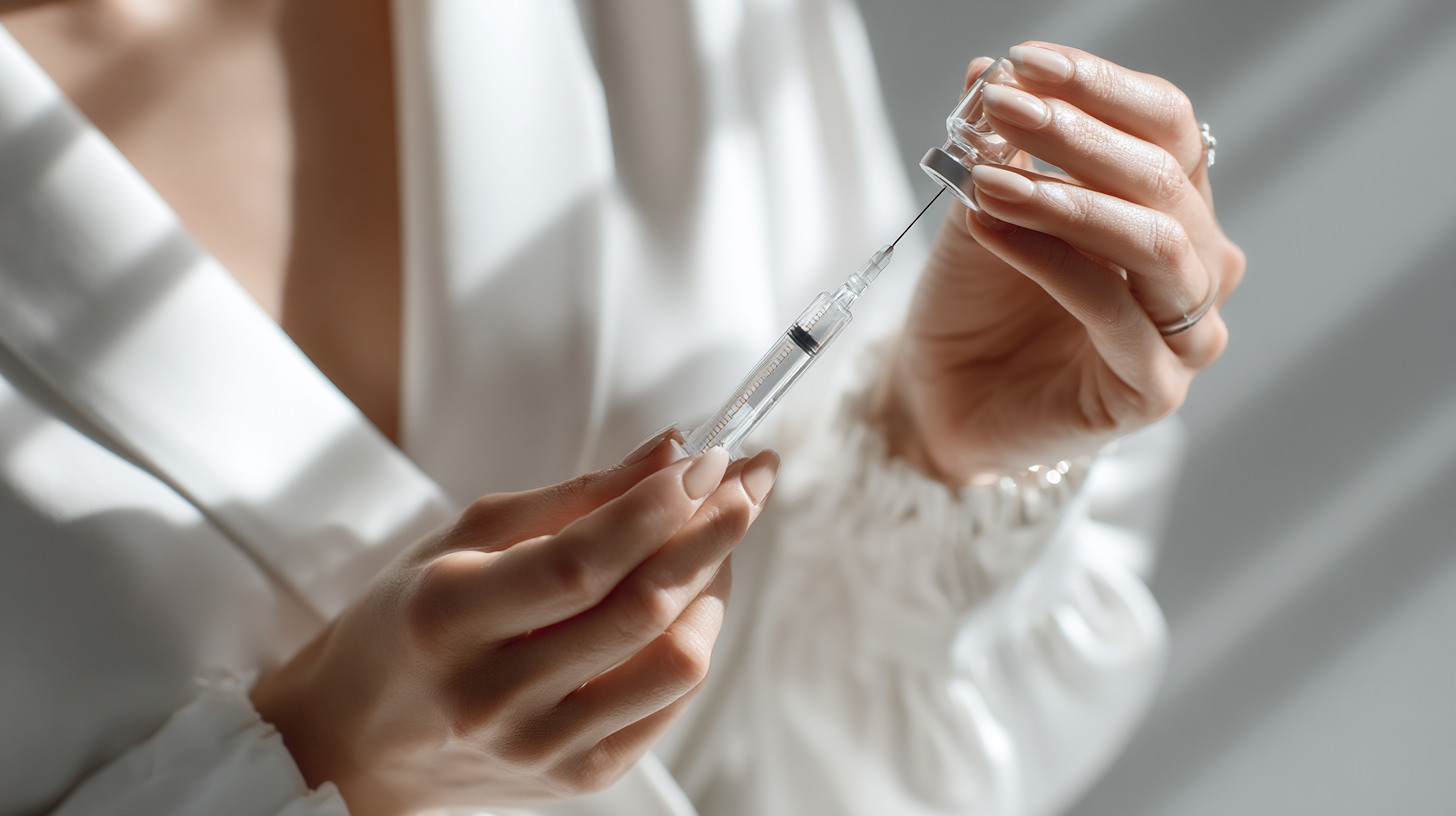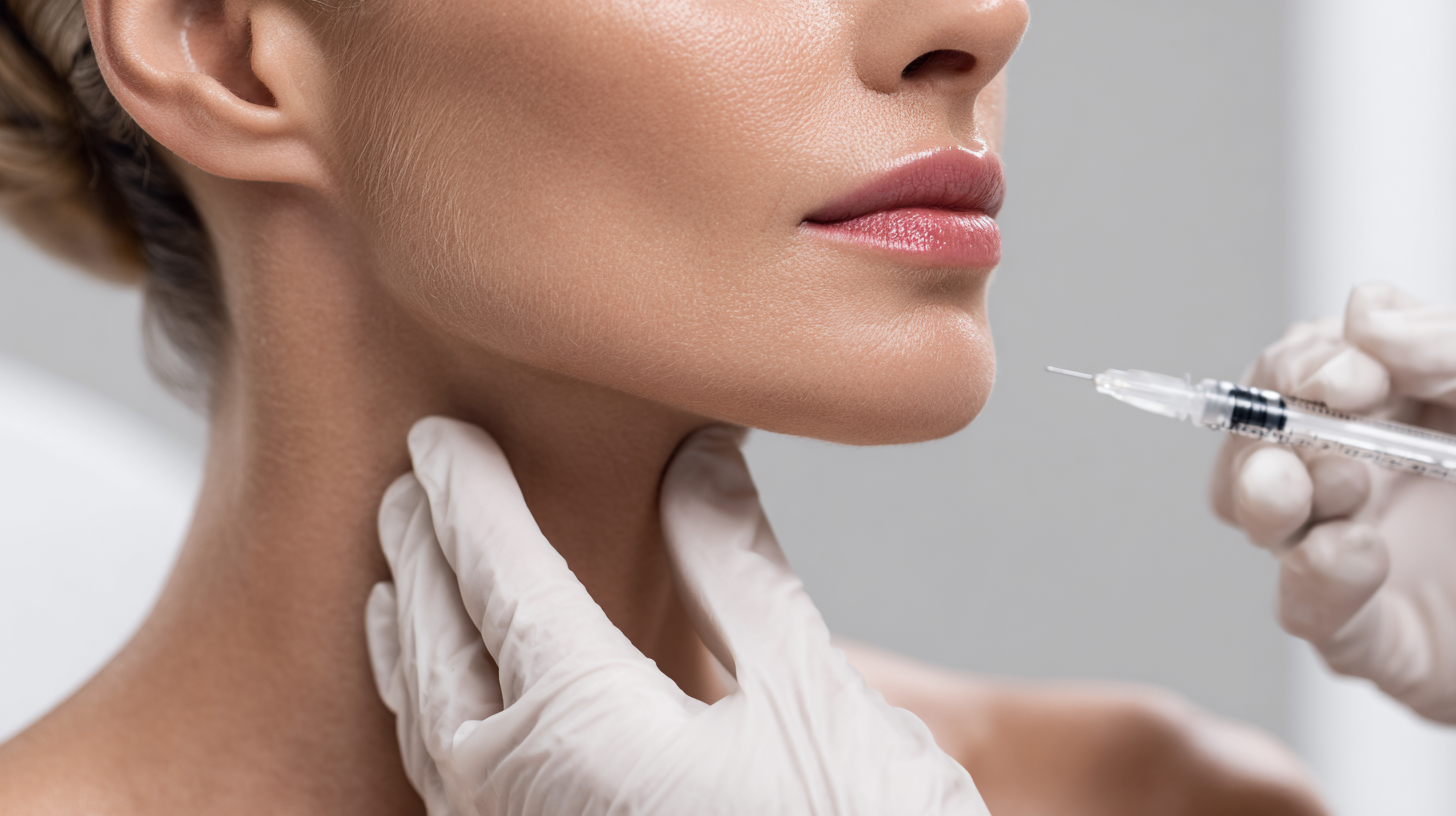
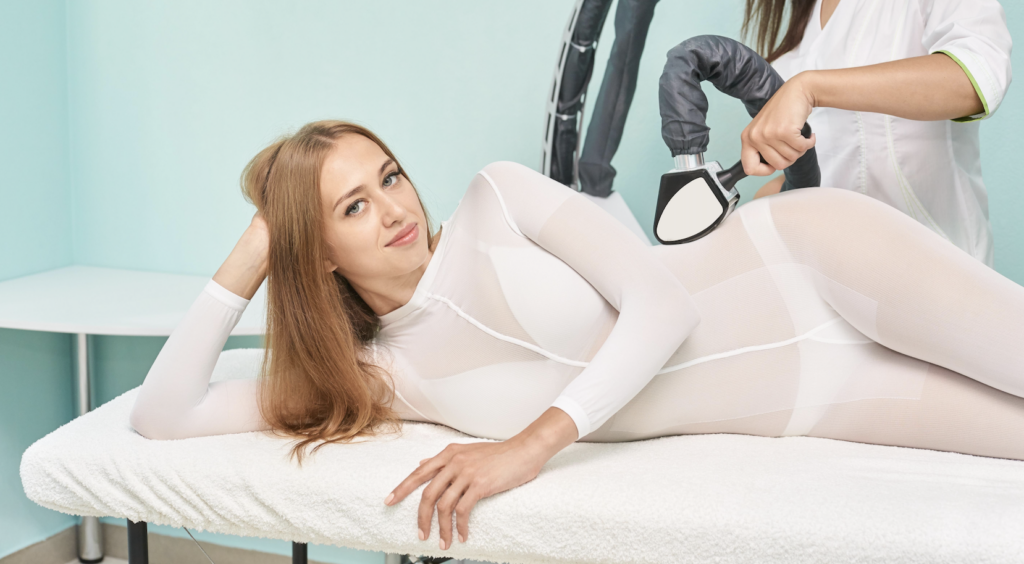
Many patients reach a point where diet and exercise improve overall health, but certain areas of stubborn fat remain unchanged. This often leads to a practical question: when body sculpting becomes the best option for stubborn fat rather than continued efforts to lose weight through traditional methods alone. In a medical spa setting, that question deserves a careful, realistic answer grounded in body composition, skin quality, and patient goals.
At BluePoint Medical Spa, body sculpting is usually discussed as a way to refine overall body shape, not as a primary method for weight loss. Patients often seek treatment after developing a healthy lifestyle, reaching an ideal weight or getting close to their ideal body weight, and noticing persistent localized fat deposits in areas such as the lower abdomen, upper arms, or double chin. That distinction matters because body contouring is generally best for shaping, not for broad fat loss.
A patient-first consultation should also acknowledge that appearance concerns may involve more than fat alone. Loose skin, changes from significant weight loss, natural aging, reduced muscle tone, and mild skin laxity can all affect whether a person is a good candidate for non-surgical body contouring or whether other body contouring procedures deserve consideration. The goal is not hype, but a clear treatment plan based on anatomy, expectations, and comfort level.
Why Stubborn Fat Can Remain Even After Weight Loss
Many patients notice that they can improve energy, habits, and total body fat, yet still keep small pockets that resist change. These stubborn fat pockets are often made up of subcutaneous fat, meaning fat stored just beneath the skin. Genetics, hormones, age, and regional fat distribution can all influence where the body tends to hold on to those areas.
That is why a person may experience meaningful fat loss overall and still feel frustrated by a specific contour concern. It is also why body sculpting treatments may become more relevant once a patient has already built a balanced diet, consistent regular exercise, and realistic goals about what non-surgical care can improve.
When Body Sculpting Becomes a Better Option Than Trying to Lose More Weight
Body sculpting often becomes more appropriate when the issue is contour, not scale weight. A patient who is near an ideal weight but wants to fine-tune the body shape may benefit more from fat reduction treatments than from continuing to push for more general weight change. In those cases, the concern is not whether the patient should keep trying harder, but whether a focused approach better matches the anatomy.
This is especially true when the treatment goal is to reduce fat in small, well-defined areas rather than reshape the entire body. Non-surgical fat reduction may be worth discussing when the patient has already committed to a healthy lifestyle, does not want invasive procedures, and prefers options with minimal recovery time.
What Non-Surgical Body Contouring Actually Targets
Most non-surgical treatments used for contouring are designed to address targeted fat beneath the skin. Depending on the technology, they may use controlled cooling, heat, or ultrasound waves to affect fat in a treated zone. The goal is to specifically target unwanted fat in selected areas while leaving the surrounding tissue as protected as possible when performed appropriately.
Some patients know these approaches by names like fat freezing or energy-based contouring. In general, these methods are intended to destroy fat cells or otherwise damage selected fat cells so the body gradually processes them over time. That is different from broad lifestyle-driven weight loss, and it is one reason expectations need to stay grounded in shaping rather than dramatic transformation.
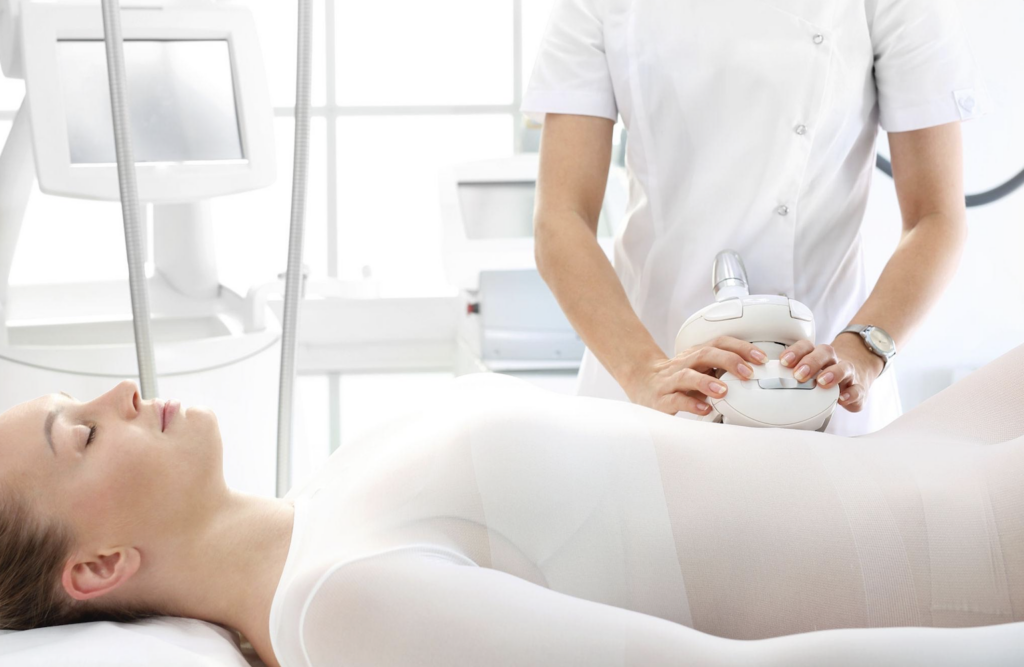
Patients Who Are Often Good Candidates for Body Sculpting Treatments
A good candidate is often someone who is close to a stable, comfortable weight and wants to address excess fat in focused areas. Many patients seeking body contouring treatments are already practicing diet and exercise, but want help with isolated concerns that continue to affect confidence, clothing fit, or symmetry.
Providers also look closely at skin quality, skin tone, and the presence of loose skin. If fat is only part of the concern, and skin tightening, tightening skin, or support for collagen production is also relevant, the plan may need to combine contouring goals with treatments that may stimulate collagen production and improve skin texture. That evaluation is important because a more sculpted result often depends on both volume reduction and the skin’s ability to adapt.
Commonly Treated Areas in Body Contouring Procedures
Patients commonly ask whether contouring works best for specific zones. In many cases, customizable treatment areas include the lower abdomen, flanks, upper arms, thighs, and the double chin. These are areas where localized fat deposits may remain even when the patient’s routine is otherwise consistent.
The reason this matters is simple: body sculpting is typically most useful when a concern is local rather than generalized. When a patient wants to eliminate fat from one or two resistant zones and improve the overall body shape, targeted care may be more appropriate than continuing to pursue broader change that may not alter those treated areas much.
How Body Sculpting Differs From Traditional Liposuction
Many patients compare non-surgical options with surgery. Unlike traditional liposuction, non-invasive procedure-based contouring does not usually require surgery, general anesthesia, or the same level of downtime as cosmetic surgery or other surgical procedures. For patients who want less interruption to work and routine, that difference can be meaningful.
At the same time, traditional liposuction and other minimally invasive or surgical options may still be more appropriate for some individuals, depending on volume, anatomy, and desired change. A consultation should explain how non-surgical fat reduction compares with traditional methods, what recovery typically involves, and whether the patient’s goals fit a non-surgical plan or deserve referral for dermatologic surgery or another surgical evaluation.
Body Sculpting and Its Role in Skin Tone and Muscle Definition
Some patients are not only concerned with fat volume. They may also want better skin tone, smoother skin texture, or a more toned appearance. While fat reduction and muscle-focused technologies are not the same thing, some treatment plans may address both contour and visible firmness, depending on the technology available and the patient’s anatomy.
Even so, providers should be careful not to overpromise. A treatment may support a more sculpted appearance, may improve how certain areas look in clothing, or may enhance visual definition, but outcomes vary. Patients with more advanced skin laxity, substantial loose skin, or major volume changes after significant weight loss may need a different recommendation.

Recovery Time and Results Patients Should Expect
One reason patients explore body sculpting procedures is the appeal of minimal recovery time. Many non-surgical body contouring options allow patients to return to normal routines relatively quickly, though some temporary swelling, tenderness, or numbness may occur depending on the treatment. Recovery expectations should still be discussed clearly before moving forward.
Results also take time. Because the body gradually responds after treatment, visible change is not always immediate. Patients usually do best when they understand that contouring is a process, that treated areas may change gradually, and that desired results depend on body composition, adherence to a healthy lifestyle, and stable weight after treatment. Gain weight after care, and the overall shape may change again.
Why Realistic Expectations Matter in Fat Reduction Treatments
Realistic expectations protect patients from disappointment and improve decision-making. Body contouring is not designed to replace overall health habits, and it is not the same as a comprehensive weight-loss program. It is generally most effective when a patient wants to fine-tune contours after building a strong foundation with nutrition and movement.
This perspective also supports better satisfaction. Patients who understand that the goal is to reduce fat, refine silhouette, and support a more sculpted appearance in targeted zones often approach treatment more confidently than those expecting complete body transformation. Individual results vary, and all cosmetic treatments involve limitations, risks, and candidacy considerations that should be reviewed with a licensed provider.
When Body Sculpting May Be the Best Next Step
Body sculpting may be the best next step when a patient has stable habits, persistent contour concerns, and a preference for non-surgical treatments over more invasive care. It is often most appropriate for people who are close to their desired size, have specific pockets of stubborn fat, and want a plan that aligns with comfort, schedule, and anatomy rather than a one-size-fits-all answer.
The most important decision point is not whether a treatment sounds popular, but whether it fits the patient’s body and goals. When stubborn fat remains despite a balanced diet, regular exercise, and steady weight, a personalized consultation becomes the right place to discuss options, safety considerations, and which approach best matches the outcome the patient is hoping to achieve.

FAQ
Is body sculpting the same as weight loss?
No, body sculpting is generally intended for contour refinement, not major weight loss. It is usually best for patients who are near a stable weight and want to address specific fat pockets.
Can body sculpting eliminate fat cells permanently?
Some treatments are designed to destroy fat cells in treated areas, but results still depend on long-term habits and weight stability. Future body changes can still affect overall shape.
What if I have loose skin and stubborn fat at the same time?
That is common. A provider may need to evaluate both fat volume and skin laxity to decide whether non-surgical contouring alone is appropriate or whether another approach would better match your goals.
Does body sculpting require surgery?
Not always. Many modern options are non-surgical treatments with limited downtime, but the right recommendation depends on the amount of fat, skin quality, and the result you want.
Conclusion
Understanding when body sculpting becomes the best option for stubborn fat starts with recognizing the difference between body shaping and overall weight loss. For many patients, body sculpting makes the most sense after healthy habits are already in place and the remaining concern is targeted subcutaneous fat, not generalized body change. In that setting, non-surgical fat reduction may offer a practical way to refine contour with less downtime than many invasive procedures.
The best results usually come from careful matching between treatment and anatomy. Factors such as skin quality, loose skin, treatment area, recovery preferences, and whether the goal is fat reduction alone or a combination of contour and skin tightening all matter. A thoughtful plan should stay focused on safety, measurable goals, and a realistic view of what non-surgical care may improve.
If you are evaluating body contouring treatments for persistent fat concerns, schedule a consultation with BluePoint Medical Spa. A personalized visit can clarify candidacy, review treatment options, and determine whether body sculpting is the most appropriate next step for your goals.