For many patients, modern cellulite treatment options supported by current clinical research matter because cellulite is one of the most common skin concerns seen in aesthetic practice. People often want an effective cellulite treatment that respects real anatomy, realistic timelines, and the fact that cellulite is a cosmetic concern rather than a medical emergency.
Current evidence shows that there is no single universal answer for every degree of dimpling, laxity, or contour change. Instead, the most credible approach starts with understanding how cellulite develops, what affects cellulite severity, and which treatment options match the visible pattern on the body.
Patients usually do not want vague promises. They want to know whether cellulite treatment is likely to target cellulite dimples, improve skin texture, or address skin laxity, and whether that outcome typically requires a single treatment, repeated treatments, or a broader maintenance plan.
That is why BluePoint content should frame cellulite reduction treatments as elective aesthetic care guided by evidence, anatomy, and candidacy. Good counseling supports informed decisions, especially when patients are comparing non-invasive treatments, a minimally invasive procedure, or a more intensive option, sometimes discussed alongside body contouring goals.
Current Research Favors Matching the Method to the Cause
Recent reviews describe cellulite as a structural issue involving the skin, subcutaneous fat, and fibrous septa rather than a simple surface problem. That matters because treatment success often depends on whether a method is aimed at underlying structural causes, skin quality, or both.
A 2024–2025 review of randomized trials found promising findings for shockwave-based therapy, radiofrequency, and certain injectables, while also noting that the overall evidence base still varies in quality. In other words, there is meaningful progress in clinical research, but patients still benefit from careful selection instead of assuming every trendy device is an effective treatment.
Cellulite Concerns Usually Reflect More Than Surface Texture Alone
Many patients describe cellulite as dimpled skin, uneven surface texture, or a puckered look on the thighs or buttocks. Those observations are valid, but the visible change on the skin surface often reflects what is happening deeper beneath the skin.
Cellulite becomes more noticeable when fibrous connective bands tether the skin downward while fat pushes upward between those bands. That interaction between fat cells, septa, and the dermis helps explain why cellulite forms differently from ordinary skin roughness.
This is also why mild cellulite and severe cellulite may not respond to the same approach. Some patients mainly show shallow dimpling, while others have broader contour irregularity, visible depressions, and associated skin laxity that changes the appearance of the whole area.
When counseling is accurate, patients understand that cellulite is not simply a hygiene, weight, or fitness issue. It is a structural aesthetic concern that can still affect people who exercise regularly and maintain good overall skin health.
Lifestyle Factors Can Influence Severity Without Being the Only Cause
Weight shifts, hormones, genetics, the aging process, and connective-tissue architecture all play a role in how cellulite looks. That makes lifestyle factors relevant, but not solely responsible, for the final appearance.
Fluid retention and tissue congestion may also affect how pronounced dimples look from day to day. That is one reason some patients ask about lymphatic drainage, lymphatic flow, and swelling-related care, even though those strategies do not directly release the tethering bands that create classic cellulite depressions.
Cellulite Develops Through Structural Changes Beneath the Skin
The most helpful explanation is anatomical. Cellulite develops when fibrous bands pull the skin downward while lobules of subcutaneous tissue and subcutaneous fat press upward, creating the uneven look patients recognize.
That is why many modern approaches focus on the septa rather than only smoothing the surface. If the underlying structural problem is not addressed, improvement may be modest, temporary, or mostly limited to superficial texture.
Changes in the dermis matter, too. Reduced firmness, declining collagen production, and lower elastin production may contribute to poorer skin quality, making cellulite more visible even when the tethering pattern has not changed dramatically.
For that reason, many providers think in layers. One patient may need a method that releases septa, another may benefit more from skin tightening, and another may need a complementary treatment strategy that addresses both contour and laxity.
Cellulite Severity Changes: Which Treatment Path Makes Sense
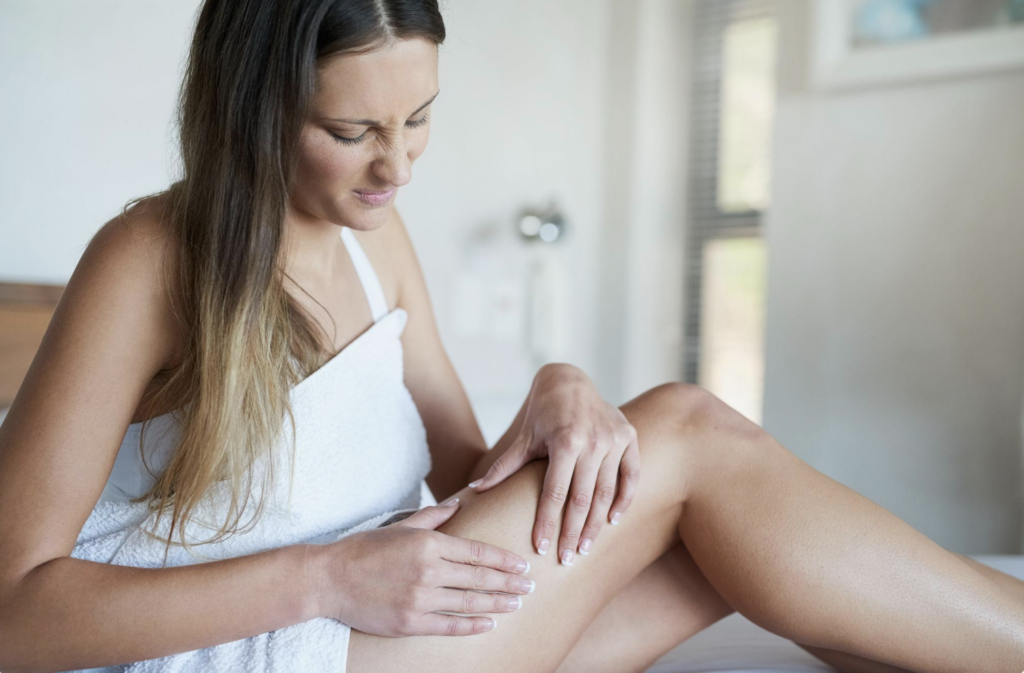
A good consultation should identify whether the concern is mostly cellulite appearance, cellulite dimples, diffuse texture irregularity, or a combination of these findings. The specific treatment should follow the pattern rather than the marketing language around a device.
This is also where realistic expectations matter. Even the most promising devices are generally described in the literature as improving the appearance of cellulite, not erasing every sign of it permanently.
Clinical Research Supports Some Modalities More Than Others
Recent systematic reviews suggest that shockwave-based therapy, radiofrequency-based approaches, and some minimally invasive septa-releasing procedures have stronger support than many older creams or massage-only methods. Even so, researchers continue to describe the evidence base as mixed rather than absolute.
That balanced message is important for patients searching online. Many therapies are marketed as though every device has equal backing, but studies do not support that assumption. The strongest counseling explains where evidence is encouraging, where it is limited, and where follow-up is still short.
The American Academy of Dermatology also emphasizes that some modalities show better research support than others. That includes certain subcision-style approaches and acoustic wave therapy, while many over-the-counter solutions remain far less convincing.
This does not mean noninvasive care has no role. It means patients should understand whether a method is likely to address the band, the fat, the skin, or only the surface appearance for a limited time.
“FDA Approved” and “FDA Cleared” Are Not the Same Phrase
Patients often search for fda approved cellulite devices or ask whether a treatment has FDA approval. In aesthetics, some devices and procedures are instead FDA-cleared for a stated indication, which is not the same wording as drug approval.
A current example is Avéli, which is described by the manufacturer as FDA-cleared for long-term reduction in the appearance of cellulite in the buttocks and thighs of adult females, with clinical data showing benefit through one year of observation. Using the exact regulatory language matters for patient trust.
Acoustic Wave Therapy Often Fits Patients Seeking Noninvasive Care
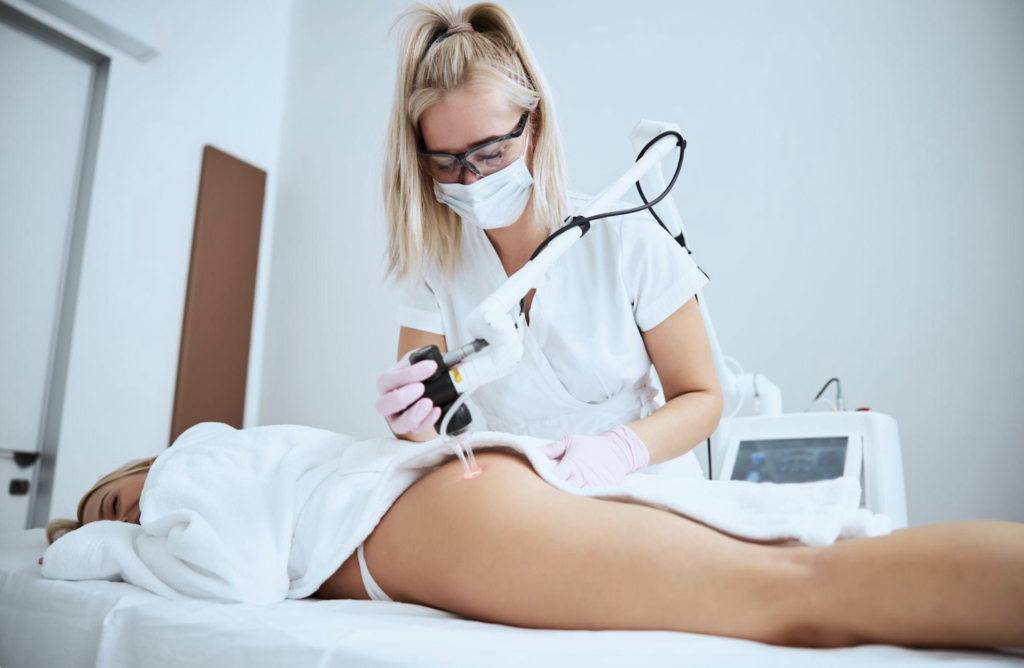
Acoustic wave therapy uses mechanical sound waves to affect tissue behavior and has been studied as one of the better-supported non-invasive treatments for cellulite. Dermatology guidance notes that it may reduce the appearance of cellulite, but treatment sessions are typically needed rather than one treatment alone.
For many patients, the attraction is that it avoids incisions and usually offers minimal downtime. The tradeoff is that improvement may be gradual, and maintenance may be necessary depending on the starting anatomy and the response of the treatment area.
Shockwave-based approaches may be especially relevant when a patient wants to reduce cellulite without moving directly into a procedural release of septa. It is still important to explain that the goal is improvement in cellulite reduction, not a guarantee of complete smoothing.
Some studies suggest that the modality may also influence tissue remodeling and collagen support. That possibility fits with the broader idea that energy-based cellulite treatments sometimes work by modifying more than one layer of tissue.
Radiofrequency Treatments Aim at Texture, Tightening, and Collagen Response
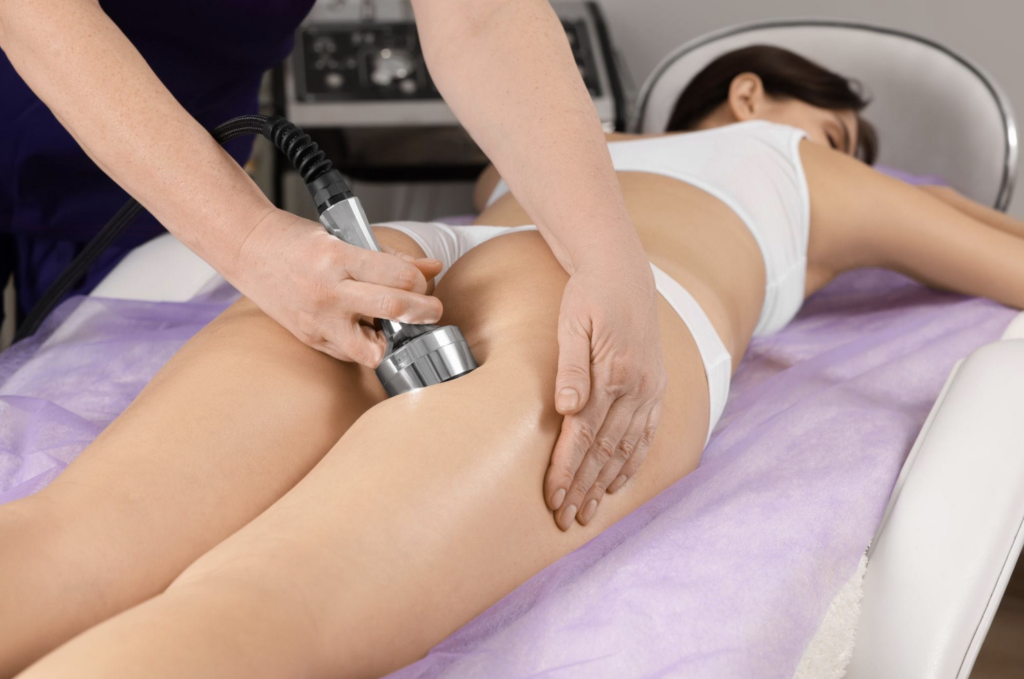
Radiofrequency treatments are another widely discussed category within energy-based treatments. These approaches deliver radiofrequency energy into targeted tissue with the goal of heating tissue, improving tone, and supporting collagen stimulation.
In cellulite care, it can be useful when the patient has dimpling plus laxity. Some studies report improvement in circumference, thickness, or visible texture, and combination systems have been studied for both skin tightening and reduction in the appearance of cellulite.
These treatments do not always address septa directly. Instead, they may stimulate collagen production, improve firmness, and support better visual integration across the area. That makes them appealing when skin quality is part of the complaint.
Like shockwave therapy, radiofrequency often works best as a series rather than an isolated visit. Patients should know that visible change may build across repeated treatments, not necessarily after a single treatment.
Minimally Invasive Septa Release Targets the Structural Cause More Directly
When cellulite dimples are strongly driven by tethering septa, a minimally invasive procedure that releases those bands may offer a more direct answer. The AAD notes that subcision-style procedures can reduce visible dimpling by breaking the tough bands beneath the skin.
This is where a device such as Avéli has drawn attention in recent clinical trials and post-market discussions. Manufacturer information states that it is a one-time, FDA-cleared procedure intended for long-term reduction in the appearance of cellulite dimples in specific areas.
A 2023 study on a related acoustic subcision approach also reported significant short-term improvement after a single session. Even so, short-term improvement is not the same as universal permanence, so counseling should stay measured.
These procedures may be attractive to patients who want more targeted release of fibrous bands and greater structural change. They also involve more hands-on recovery than fully noninvasive options, so the tradeoff should be discussed clearly.
Recovery and Side Effects Still Deserve a Careful Discussion
Even when downtime is limited, minimally invasive cellulite procedures can involve swelling, tenderness, and mild bruising. Manufacturer information for Avéli notes pain on the first day, bruising, tenderness, and temporary firmness among reported effects.
Those details matter because patients often hear “little downtime” and assume there is no recovery. A better explanation is that many people resume routine activities quickly, but soreness and visible bruising may still be part of the short healing phase.
Laser and Complementary Options May Fit Select Patients
Certain laser treatments and laser energy devices have also been studied for cellulite, especially when paired with tissue remodeling or combined protocols. Reviews suggest that some laser-based strategies have shown improvement, although results depend heavily on device type, method, and study quality.
This is where patients sometimes confuse cellulite care with plastic surgery or cosmetic surgery more broadly. While surgery may be part of some body contour conversations, cellulite treatment is often approached with device-based care, subcision, or combined aesthetic planning rather than large surgical excision.
Some patients also ask about topical treatments, topical creams, massage, or lymphatic drainage. These may feel appealing because they are familiar and lower commitment, but they generally have less robust support for meaningful structural change than procedures aimed at septa or tissue remodeling.
That does not make them useless in every circumstance. In select patients, they may serve as another treatment or complementary treatment layered into a broader plan focused on skin quality, circulation, comfort, or post-procedure support.
Skin Quality and Laxity Often Influence the Final Visual Result
When cellulite coexists with loose or thinning skin, improving the septa alone may not produce the look a patient expects. The final cellulite appearance is influenced by both tethering and the quality of the overlying tissue.
That is why providers sometimes favor technologies designed to support skin tightening, encourage collagen production, and improve the way the skin drapes over the area. Better tissue quality may increase the chance of meaningful improvement, even when cellulite is not fully erased.
The Right Treatment Depends on Anatomy, Severity, and Expectations
The right treatment is usually the one that matches the visible pattern and the patient’s tolerance for downtime, cost, and recovery. A patient with mild cellulite and mild laxity may be a better candidate for staged energy-based care, while someone with deeper dimples and visible fibrous bands may lean toward a more direct release procedure.
This is also why candidacy is personal. The best treatment of cellulite depends on the location, the degree of dimpling, skin thickness, laxity, and how much change the patient reasonably expects from aesthetic treatment.
Patients should also understand that “best” is rarely absolute. A method may be the right treatment for one body area and the wrong one for another, especially when buttock dimples, thigh texture, and body contour goals are all being discussed together.
The most ethical consultation explains likely benefits, limitations, and whether improvement is expected after one treatment or over several visits. That kind of honesty protects satisfaction better than broad claims.
Visible Improvement Is Usually a Matter of Degree, Not Perfection
The most evidence-based message is simple: cellulite can often be improved, but not every patient will see the same degree of change. Studies discuss visible improvement, better skin texture, and reduced dimpling more often than complete disappearance.
That is why realistic expectations should be part of every conversation. Patients who understand that goal upfront are often better positioned to evaluate results fairly and choose whether a single treatment, a series, or an adjunctive plan makes sense.

FAQ
What Is the Most Effective Cellulite Treatment Right Now?
There is no single best answer for every patient. Current reviews suggest promising results with shockwave-based therapy, radiofrequency, and some septa-releasing procedures, but the right choice depends on anatomy, severity, and skin quality.
Does Acoustic Wave Therapy Really Reduce Cellulite?
Research and dermatology guidance suggest that it may reduce the appearance of cellulite, especially when done as a series. It is generally considered a noninvasive option, but several sessions are usually needed.
Are Cellulite Treatments FDA Approved?
Some patients use that phrase broadly, but the regulatory wording matters. For example, Avéli is described as FDA-cleared—not simply “FDA approved”—for long-term reduction in the appearance of cellulite in the buttocks and thighs of adult females.
Can Topical Creams Remove Cellulite Permanently?
Current evidence does not support most topical creams as a reliable way to create lasting structural change. They may play a limited supportive role for skin feel or short-term appearance, but they do not directly release the tethering bands that cause classic cellulite dimples.
Conclusion
The strongest takeaway from current evidence is not that one device has ended the cellulite conversation. It is that clinicians now have more credible ways to treat cellulite than in the past, especially when they match the method to the structure they are trying to change.
Patients deserve a plan built on anatomy, not hype. Whether the discussion centers on acoustic wave therapy, radiofrequency treatments, a medical device designed for septa release, or a layered strategy for skin tightening and contour, the goal should be informed, personalized care.
Individual results vary, and all cosmetic procedures carry potential risks, side effects, and contraindications. These services are elective, not medically necessary, and a consultation with a licensed provider is required to determine candidacy, review the best treatment options, and discuss safety in the context of your goals.
If you are comparing current cellulite therapies and want a plan grounded in evidence, anatomy, and practical expectations, Contact BluePoint Medical Spa for the next steps. That conversation can clarify the most appropriate specific treatment, expected recovery, and whether a noninvasive, minimally invasive, or combined approach fits your priorities.