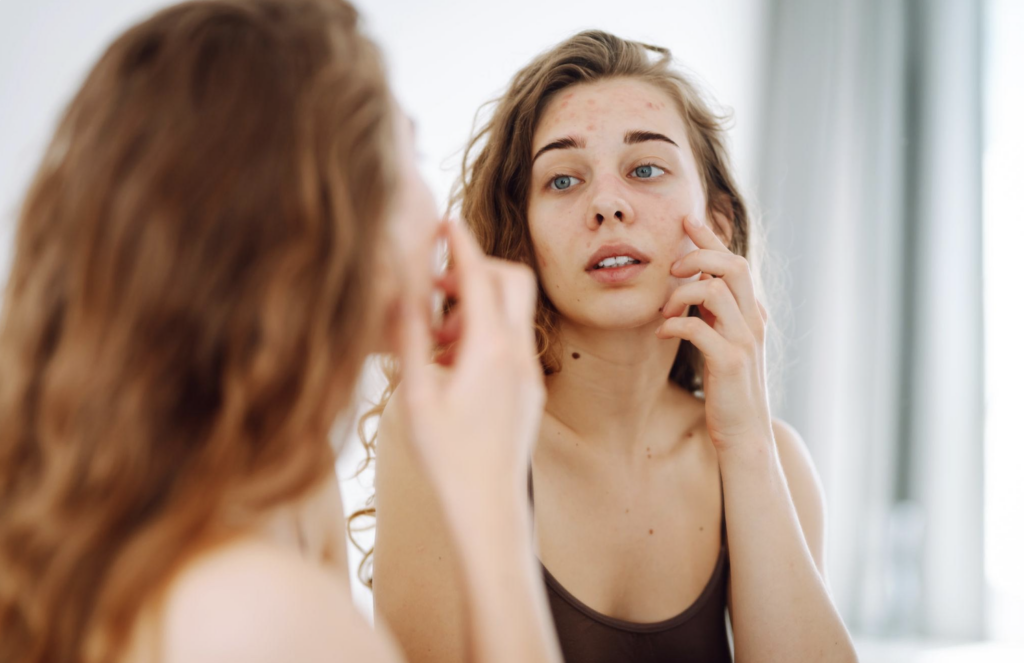
A professional facial is often associated with cleaner pores, radiant skin, and a more refreshed complexion, so it can feel frustrating when bumps or blemishes appear afterward. Patients may leave a facial expecting their skin to look immediately calmer, only to notice redness, clogged pores, or new spots within days. That reaction can feel discouraging, especially after a first facial or after trying one of many professional treatments marketed across the skincare industry.
In many cases, post-facial breakouts do not mean the appointment was poorly performed or that the skin is permanently reacting badly. Sometimes the skin is responding to exfoliation, increased cell turnover, or the release of underlying congestion that was already present beneath the skin’s surface. In other situations, however, breakouts reflect irritation, product mismatch, or an adverse reaction that deserves closer attention.
For BluePoint patients, the most useful approach is not to assume every breakout is either “good” or “bad.” It is to understand the most common causes of post-facial breakouts, how those causes relate to skin type, and when follow-up with a skincare professional or licensed esthetician is appropriate. That kind of perspective supports personalized care, better recovery choices, and more realistic expectations.
Sensitive and Acne-Prone Skin Often Reacts More Easily After Treatment
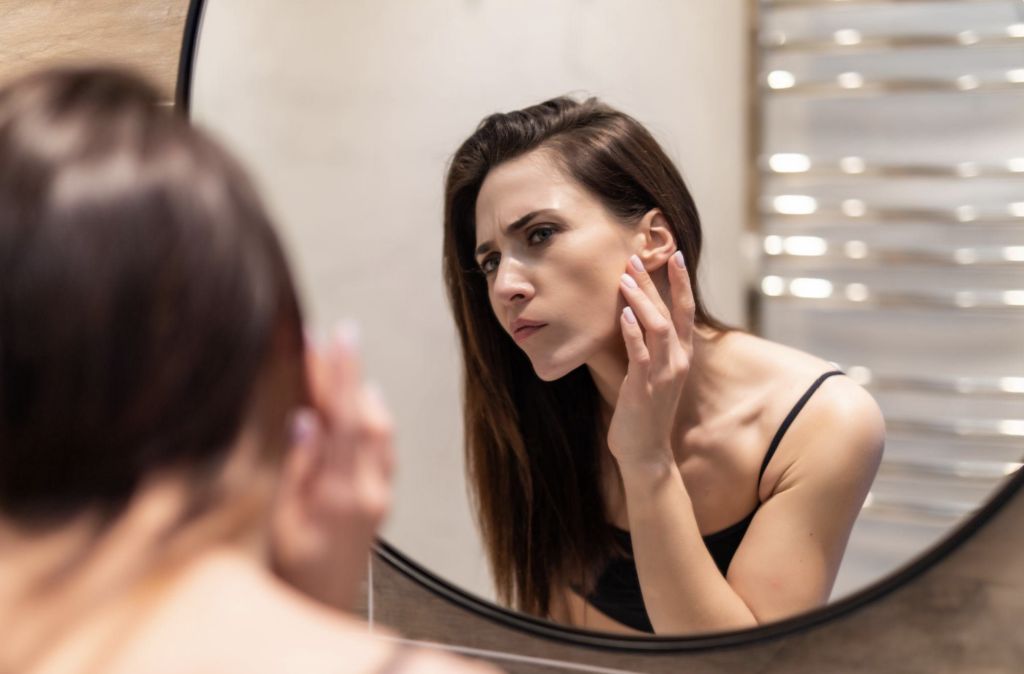
Patients with sensitive skin or acne-prone skin are often more reactive after a treatment, especially if the facial includes exfoliating acids, manual extractions, or a strong mask. That does not mean these patients should avoid facials entirely, but it does mean the right treatments should be selected with more caution and a gentler approach. Skin that already becomes easily irritated is less forgiving when too many active ingredients are used at once.
This is where specific skin type assessment matters. Dry skin, oily skin, sensitive skin, and breakout-prone skin do not respond the same way to peels, enzymes, massage, steam, or pore-focused care. A careful esthetician or skincare professional should consider whether the goal is to calm the skin, reduce excess oil, address acne, or simply improve skin texture without triggering further inflammation.
Skin Purging and Irritation Are Not the Same Process
One of the biggest sources of confusion is the difference between skin purging and irritation. Cleveland Clinic explains that purging is linked to rapid cell turnover, which can bring clogged material to the surface more quickly after treatments or products that accelerate exfoliation. In that setting, temporary bumps may be part of the skin’s adjustment process rather than a true worsening of acne.
That said, not every breakout after a facial is purging. When the skin becomes very irritated, painful, itchy, sharply red, or unusually inflamed, the issue may be a compromised barrier, over-exfoliation, or an adverse reaction to ingredients rather than understanding purging in the usual sense. Cleveland Clinic also notes that purging is often mistaken for irritation or allergy, which is why symptom pattern matters.
Exfoliation Can Bring Existing Congestion to the Surface
Many facials are designed to loosen old cells, clear debris, and encourage a smoother texture. That is part of why the skin can look visibly brighter after recovery. Yet the same exfoliating step may also move trapped material upward, especially in patients with clogged pores, underlying congestion, or mild comedonal acne.
Mayo Clinic notes that acne develops when follicles are clogged by oil and dead skin cells, and some acne products work by removing dead skin cells and promoting the growth of new cells. A facial that speeds exfoliation may therefore make preexisting congestion easier to see before the skin settles.
Chemical Peels and Active Acids Can Trigger Temporary Breakouts
When a facial includes chemical peels, enzymes, or acids, the skin may respond more dramatically in the first several days. Mayo Clinic describes chemical peels as procedures that remove the top layers of skin, with smoother skin developing afterward. In some patients, especially those with reactive or breakout-prone skin, that temporary adjustment phase may include dryness, mild peeling, or transient bumps.
Certain acids are also more likely to influence turnover and acne behavior. Salicylic acid is widely used because it helps unclog pores and exfoliate, while other acne-related ingredients speed the shedding of surface cells. These effects may be useful, but when layered too aggressively during a post-facial recovery period, they can also increase irritation, redness, or a temporary flare.
Extractions Can Leave Skin Temporarily Inflamed
Even when expertly performed, extractions can leave the skin looking reactive for a short period. The goal of extractions is to remove debris and dirt from congested pores, but the surrounding tissue may still appear swollen or inflamed for a few days. In acne-prone patients, it can resemble fresh breakouts, even when the treated area is simply healing.
This is one reason patients sometimes mistake normal post-treatment inflammation for treatment failure. If the bumps are limited to treated areas and gradually improve over one to two weeks, the skin may simply be settling after manipulation. If the breakout becomes more widespread, more painful, or progressively worse, a review by the treating skincare professional is more appropriate.
A Damaged Skin Barrier Makes Breakouts More Likely
The skin’s natural barrier plays a major role in how skin handles exfoliation, masks, and active ingredients. When that barrier becomes disrupted, the skin’s surface may become more vulnerable to stinging, dryness, inflammation, and secondary breakouts. Dermatology guidance repeatedly emphasizes using gentle, fragrance-free care when skin is dry or reactive because harsh products can worsen irritation.
For some patients, the issue is not acne in the usual sense but a barrier problem that makes the skin feel rough, tight, and easily inflamed. In that setting, pushing stronger acids too quickly may reduce comfort rather than improve great skin. A better plan may involve calming care, fewer activities, and time for the barrier to recover.
Dryness and Dehydration Can Worsen Texture and Redness
After a facial, some patients focus only on blemishes and overlook the role of dehydration. Dry skin may look dull, flaky, tight, or rough, and that roughness can make the complexion feel less smooth, even when the treatment was otherwise appropriate. Cleveland Clinic and the AAD both emphasize that gentle moisturizing can support barrier recovery and reduce irritation in dry or reactive skin.
Ingredients such as hyaluronic acid are commonly used because they help keep the skin hydrated. Dermatology and the Cleveland Clinic guidance note that hyaluronic acid supports moisture retention and is generally well tolerated, especially when the goal is to maintain hydration after irritation or exfoliation.
The Wrong At-Home Routine Often Extends the Breakout Phase
What a patient does after the appointment is often just as important as what happened during the facial. An overly aggressive at-home routine with scrubs, spot treatments, multiple serums, or heavy makeup may keep the skin inflamed longer than necessary. Mayo Clinic advises avoiding irritants and choosing water-based or noncomedogenic products when acne is a concern.
This is especially important for clients who are eager to “fix” a breakout immediately. The combination of repeated cleansing, harsh treatments, and active layering can create further inflammation, not faster healing. A short, gentle recovery routine is often safer than trying five new products in the same week.

Certain Products and Makeup Can Clog Pores After a Facial
Some breakouts are less about the facial itself and more about what touches the skin afterward. Oily cosmetics, occlusive creams, and certain products that are not labeled noncomedogenic may clog pores and worsen acne. Mayo Clinic specifically recommends avoiding oily or greasy cosmetics and choosing water-based, noncomedogenic options when skin is prone to breakouts.
This matters because patients often return to full-coverage foundation or heavy makeup too quickly after treatment. If the skin is already mildly inflamed, adding pore-clogging products may make recovery harder. Better product selection supports calmer healing and a clearer surface.
Sun Exposure Can Increase Irritation After Exfoliating Treatments
Freshly treated skin is often more reactive to direct sun, especially after peels, acids, or vigorous exfoliation. Mayo Clinic notes that alpha hydroxy acid use can increase sun sensitivity, and acne treatments more broadly may make skin more susceptible to sunburn. That is why post-facial sun protection is not optional, especially when the goal is healthy recovery rather than preventable UV damage.
For patients seeking radiant skin, sun exposure immediately after treatment can work against the result. Even when the breakout itself is temporary, added redness and irritation from sun exposure may make the skin look more inflamed and prolong visible recovery.
A Personalized Facial Plan Reduces the Risk of Unnecessary Breakouts
The safest approach is not the same menu for every face. A skilled licensed esthetician or skincare professional should consider skin type, breakout history, product sensitivities, and treatment goals before choosing exfoliation strength or extractions. That is the foundation of personalized care.
Some patients need a more gentle approach, especially when they report reactivity, prior peeling, or a damaged barrier. Others may tolerate stronger resurfacing well. Good education before treatment allows patients to understand what is completely normal, what is temporary, and when they should reach out for support.
Calm Follow-Up Matters More Than Panic
Most mild blemishes after a facial settle with time, gentle cleansing, hydration, and avoidance of unnecessary irritants. Cleveland Clinic notes that purging linked to turnover generally does not last long and may subside within a week or two. That type of timeline can reassure patients who fear that one breakout means the treatment failed.
Still, patience should not replace judgment. If the breakout becomes severe, unusually painful, very itchy, or shows signs of major swelling or persistent rash, a provider review is reasonable. The goal is not to dismiss every reaction as normal, but to support the skin in an informed way.

FAQ
Why Am I Breaking Out After a Facial?
A breakout after a facial may be related to purging, irritation, extractions, or products that do not match your skin well. The most likely cause depends on your skin type, treatment intensity, and whether you already have clogged pores beneath the surface.
Is Skin Purging After a Facial Normal?
It can be. When a facial speeds cell turnover, existing congestion may come to the surface more quickly, and that short phase may be temporary and normal. Strong stinging, worsening rash, or heavy irritation suggests a different problem.
How Long Do Post-Facial Breakouts Usually Last?
If the reaction is mild purging or temporary inflammation, it may improve within about one to two weeks. If breakouts keep worsening instead of settling, follow-up with the treating professional is a better next step.
What Should I Avoid After a Facial if I Break Out?
Avoid harsh scrubs, extra acids, pore-clogging makeup, and unnecessary product layering. Gentle cleansing, moisturizer, and sun protection are usually safer while the skin recovers.
Conclusion
The most balanced takeaway is that post-facial breakouts may happen for more than one reason. Sometimes the skin is clearing preexisting congestion through increased turnover. Sometimes the skin is irritated because the treatment was too strong for that person’s barrier, acne pattern, or sensitivity level.
Facials and related aesthetic services are elective, not medically necessary, and the right treatments depend on individual skin history, product tolerance, and goals. Individual results vary, treatments have potential risks or contraindications, and a consultation with a licensed provider is required before selecting exfoliating or acne-focused services.
If you are dealing with a breakout after a facial or want a more tailored plan for reactive or acne-prone skin, Contact BluePoint Medical Spa for next steps. A thoughtful evaluation can clarify whether your skin is purging, irritated, dehydrated, or responding to the wrong aftercare—and what kind of support makes sense now.