
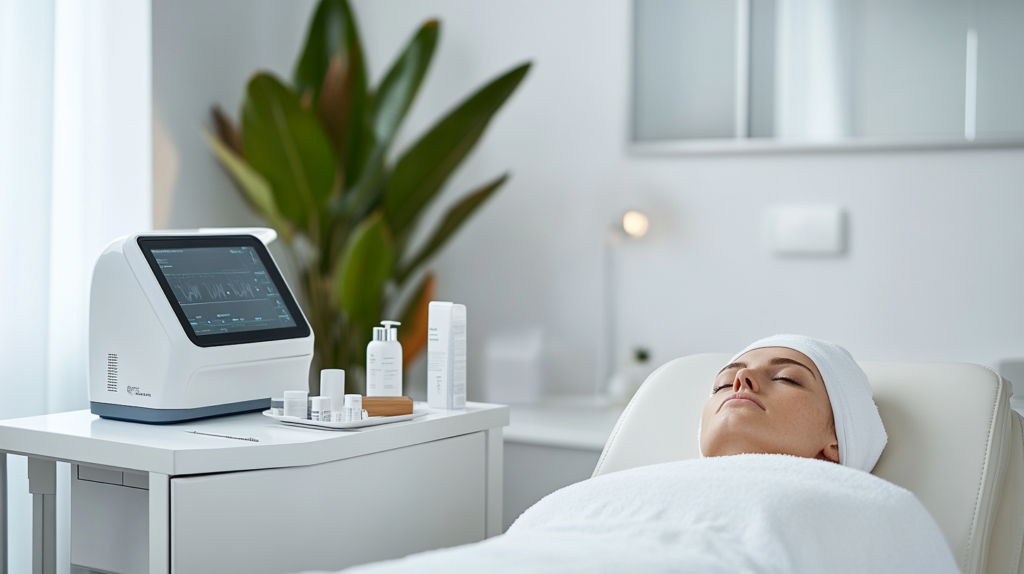
A professional skin analysis is the clinical assessment that helps guide treatment at a medical spa. It is the step where a trained provider examines the skin’s current condition, identifies visible and less obvious concerns, and uses that information to build a treatment plan that matches the patient’s goals. Without this step, a treatment recommendation may be based on assumptions instead of a clear understanding of the skin.
At Blue Point Medical Spa, the skin analysis is built into the initial consultation. Whether a patient is concerned about acne, hyperpigmentation, fine lines, uneven texture, or overall skin quality, the assessment provides the foundation for every recommendation that follows. Understanding what happens during this process can help patients arrive at realistic expectations and a clearer sense of how professional treatment planning works.
Medical History and Lifestyle Review
The skin analysis begins before the provider examines the patient’s face. A health intake questionnaire collects information about medical history, current medications, allergies, previous procedures, and lifestyle factors that may influence the skin. This step is important because the skin often reflects both external exposure and internal changes.
Hormonal status may affect the way skin behaves. Patients taking oral contraceptives, undergoing hormone replacement therapy, or experiencing perimenopause or menopause may notice hormonal acne, melasma, oiliness, dryness, or changes in skin texture. When a provider understands these factors, it becomes easier to distinguish pigmentation caused by sun damage from pigmentation influenced by hormonal changes. That distinction matters because treatment planning may differ.
Medications can also influence how the skin responds to professional services. Retinoids, whether topical or oral, may increase sensitivity. Blood thinners may affect the risk during injectable procedures. Photosensitizing medications, including certain antibiotics and anti-inflammatory drugs, may increase the skin’s vulnerability to UV exposure and may affect whether treatments such as chemical peels or laser treatments are appropriate at that time.
Lifestyle factors are reviewed as well. Smoking, alcohol consumption, sleep quality, stress, daily sun exposure, and outdoor activity can all influence skin health. A patient who works outdoors in the Las Vegas sun may present a different baseline than a patient who spends most of the day indoors. The provider uses this information to calibrate treatment intensity, timing, and aftercare recommendations.
Patients should also share any prior aesthetic treatments, including chemical peels, laser resurfacing, microneedling, injectables, or prescription skincare. Previous treatments may affect the skin’s current condition and help the provider decide which steps should come next. A complete intake supports a more precise, personalized treatment plan.

Surface-Level Skin Examination
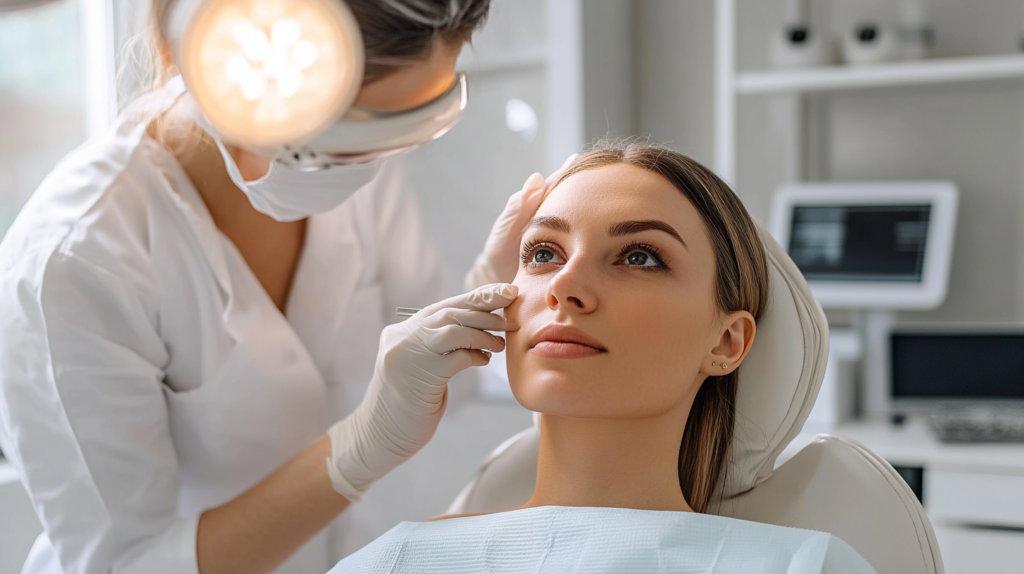
After the intake, the provider performs a visual examination of the skin under professional lighting. This step evaluates characteristics that patients may not notice on their own because changes often happen gradually or require trained observation to interpret.
Skin tone and pigmentation are assessed for evenness, sun spots, melasma, post-inflammatory hyperpigmentation, and discoloration that may suggest underlying UV damage. The pattern of pigmentation gives the provider useful clues. Symmetrical patches across the cheeks and forehead may suggest hormonal melasma. Scattered brown spots on the hands, face, or chest may point to cumulative sun exposure. Dark marks in areas of previous breakouts may indicate PIH.
Skin texture is evaluated by looking for roughness, enlarged pores, fine lines, congestion, and comedones, which are clogged pores. Rough or uneven texture may reflect buildup on the outer layer of the skin. Depending on the patient’s goals and skin tolerance, the provider may discuss exfoliation-based options such as medical-grade facials or chemical peels to support smoother-looking skin.
The provider also considers the difference between skin tone and skin type. Tone refers to the overall color and evenness of the complexion. Type may refer to the Fitzpatrick scale, which classifies skin based on how it responds to UV exposure. This matters because certain procedures, especially some laser treatments and deeper chemical peels, may carry a higher risk of pigmentation changes in darker skin types.
Vascular patterns may also be noted. Visible broken capillaries, diffuse redness, flushing, or reactive skin may suggest rosacea, chronic sun exposure, or sensitivity to certain ingredients or environmental triggers. These findings help the provider decide which treatments may be appropriate and which options may need to be delayed, modified, or avoided.
Advanced Assessment Tools and Provider Observation
Some medical spa assessments may include tools that reveal details not easily visible under standard lighting. These tools are used when they support the patient’s concerns or when the provider needs additional information before recommending a treatment.
A Wood’s lamp examination uses ultraviolet light to help evaluate certain pigmentation patterns, bacterial fluorescence, or surface-level concerns. Under this type of light, some forms of epidermal hyperpigmentation may appear differently from deeper pigmentation. This may help the provider determine whether a discoloration concern is more likely to respond to topical support, chemical peels, or other options.
Skin imaging systems may capture standardized photographs under controlled lighting. Some systems can show UV damage, vascular patterns, texture irregularities, and other markers that may not be obvious in a regular mirror. These images may also serve as a baseline for comparison after a series of treatments. Baseline images can help patients and providers discuss progress more objectively over time.
Palpation, or examining the skin by touch, may also be part of the assessment. This helps the provider evaluate skin thickness, elasticity, hydration, tissue firmness, and areas of volume change. For patients considering injectable treatments or dermal fillers, tactile assessment may help the provider understand tissue quality and facial structure before creating a plan.
At Blue Point Medical Spa, assessment tools are selected based on the patient’s concerns and the treatments being considered. The goal is not to perform every possible test, but to gather the information needed to make thoughtful, personalized recommendations.
Turning Assessment Findings Into a Treatment Plan
The value of a professional skin analysis comes from how the provider interprets the findings and translates them into a realistic treatment plan. A patient may arrive with several concerns at once, such as acne, sun spots, fine lines, dullness, and uneven skin texture. Each concern may require a different approach, and the sequence matters.
Prioritization is important because some treatments work better after certain skin concerns are controlled. A patient with active acne and acne scars, for example, may need to calm breakouts before pursuing scar-focused options such as microneedling or resurfacing treatments. Treating inflamed skin too aggressively may increase irritation or worsen the condition. A patient with melasma and fine lines may need a plan that addresses pigment stability before treatments that could trigger more discoloration.
The treatment plan may include both in-office treatments and a home care regimen. Professional treatments can address concerns that over-the-counter products may not reach, while home care supports the skin between appointments. Providers may recommend medical-grade skincare from lines such as ZO Skin Health, SkinMedica, or SkinBetter based on the patient’s needs.
The provider may also explain the expected timeline. Skin improvement usually develops gradually because the skin’s natural cell turnover cycle takes time. Many patients need a series of treatments, consistent home care, and sun protection before they see meaningful changes. Setting this expectation during the consultation helps patients avoid frustration and understand that skin health is usually built over time.
Ongoing Reassessment and Seasonal Skin Changes
A professional skin analysis is not only useful at the first visit. Skin changes over time due to aging, hormones, lifestyle, sun exposure, seasonal changes, and prior treatments. A patient who completed a series of chemical peels or facials may have a different baseline than they did at the original consultation. Regular reassessment allows the provider to adjust the plan based on the skin’s current condition.
Seasonal changes matter in a desert climate like Las Vegas. During hotter months, the UV index is higher, outdoor exposure may increase, and the skin may become more vulnerable to dehydration, pigmentation changes, and irritation. A treatment plan created in winter may need to be adjusted in summer, especially if it involves exfoliation, light-based procedures, or pigment-focused care.
Patients can support safer outcomes by following pre- and post-treatment care guidelines. These instructions may include sun avoidance, sunscreen use, temporary product restrictions, hydration, and timing recommendations. Following aftercare can help reduce irritation and support the skin as it responds to treatment.
A consistent relationship with the provider allows for better long-term tracking. The provider can compare the skin’s current appearance with previous assessments, review progress, identify new concerns, and adjust the plan as needed. This is what turns individual appointments into a longer-term skin health strategy.
The consultation process at Blue Point Medical Spa is designed for both first-time patients and returning patients who need a reassessment. Dr. Danka K. Michaels, M.D., and the clinical team use the skin analysis as the foundation for thoughtful treatment planning.
Professional Guidance Before Aesthetic Treatments
A skin consultation helps patients understand which treatments may fit their goals, but it also helps identify when a treatment may not be appropriate right away. This is especially important for patients with active breakouts, recent sun exposure, sensitive skin, certain medications, or a history of pigmentation concerns.
For example, a patient interested in laser resurfacing may need to address sun exposure habits or pigment instability before moving forward. A patient interested in chemical peels may need to pause certain active skincare ingredients beforehand. A patient considering injectables may need a separate facial assessment focused on anatomy, volume, muscle movement, and treatment goals.
Professional guidance also helps patients avoid over-treating the skin. More aggressive treatments are not always better. In many cases, a measured approach with proper preparation, realistic timing, and supportive skincare may be more appropriate than starting with the strongest available option. A provider can explain why one treatment is recommended before another and how each step fits into the overall plan.
This approach is especially important in medical spa treatments, where cosmetic goals should be balanced with safety, skin tolerance, and individual variability. Results differ from patient to patient, and a consultation is necessary to determine whether a service is appropriate.

FAQ
Does a Skin Analysis Require Any Preparation?
Patients should arrive with a clean face, free of makeup, sunscreen, and products that may hide the skin’s surface. When possible, avoid retinoids or exfoliating acids the night before, since they may temporarily affect sensitivity or appearance. Your provider may give additional instructions depending on your concerns.
How Long Does a Professional Skin Analysis Take?
A professional skin analysis usually takes about 15 to 30 minutes, depending on the complexity of the patient’s concerns and whether advanced assessment tools are used. A full initial consultation, including intake, analysis, and treatment planning, may take 30 to 60 minutes.
Is a Skin Analysis Covered by the Cost of Treatment?
At many medical spas, the skin analysis is part of the consultation appointment. Policies may vary, so patients should confirm when booking whether the consultation fee applies toward treatment. The analysis is valuable because it guides safe, personalized treatment planning.
Conclusion
A professional skin analysis helps turn skin concerns into a structured plan. Instead of guessing which treatment or product may help, patients receive an assessment based on skin type, skin tone, medical history, lifestyle, visible concerns, and treatment goals. This supports a more personalized and realistic approach to skin rejuvenation.
At Blue Point Medical Spa, patients receive aesthetic care guided by consultation, education, and professional oversight. If you are considering facials, chemical peels, microneedling, laser treatments, injectables, or a new medical-grade skincare routine, book a consultation to begin with a professional skin analysis.
Individual results vary. A consultation with a licensed provider is required to determine whether a treatment is appropriate. Aesthetic services are elective, and recommendations may vary based on skin type, medical history, medications, lifestyle, goals, and treatment tolerance.