Patients often choose body sculpting because they want to address stubborn fat, support muscle toning, or improve contour in areas that have not responded the way they hoped to diet and exercise. For many people, the biggest concern is not the appointment itself. It is what happens afterward, how long changes take, and whether early swelling means the treatment is working.
That is why understanding what to expect in the weeks after a body sculpting treatment matters. Most non-surgical body sculpting treatments involve gradual biological change rather than instant transformation. Results depend on the right treatment, the treated areas, your starting anatomy, and consistent follow-through with healthy habits. Nonsurgical options usually involve minimal downtime, but they still require patience and a realistic recovery timeline.
Why Many Patients Feel Uncertain Right After a Body Sculpting Session
A body sculpting session can feel deceptively simple because many patients return to normal activities the same day. Even so, the treatment starts a series of biological processes that continue for a few weeks or longer. Early changes on the skin’s surface do not always reflect the final contour.
That gap between treatment day and visible outcome is where uncertainty begins. Some patients expect major changes after just one session, while others worry that initial swelling means something went wrong. In most cases, short-term fullness, tenderness, or firmness can be part of the normal response, especially after fat-freezing or energy-based treatments.
What Happens Beneath the Skin After Body Contouring
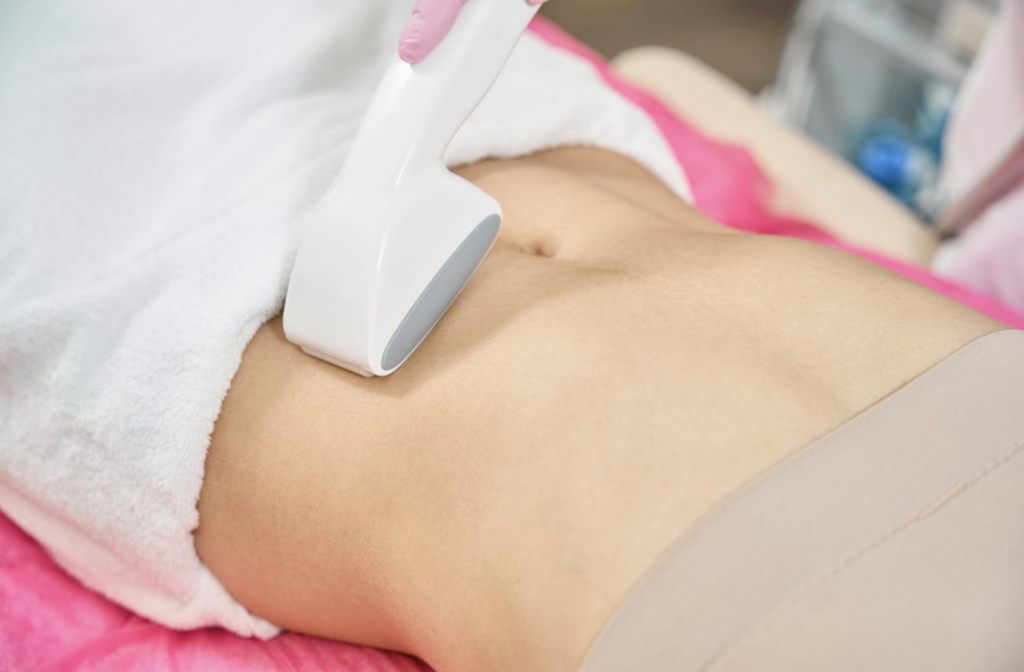
Different body contouring** treatments** work in different ways. Some use controlled cooling to target frozen fat cells. Others use heat, radiofrequency energy, or high-intensity electromagnetic energy to support fat reduction, muscle building, or skin tightening, depending on the device and treatment plan.
After treatment, the body gradually processes damaged fat cells, destroyed fat cells, or dead fat cells in the selected area. Those changes do not happen overnight. The body slowly clears treated material through natural metabolic pathways, which is why visible change can continue over several weeks and sometimes several months.
Swelling After Non-Surgical Body Sculpting
Yes, mild short-term effects are common after many body sculpting treatments. Most patients can expect mild redness, minor swelling, or swelling in the treatment area, especially in the first days. After fat-freezing, some people also feel numbness, pulling, or temporary firmness.
These early effects do not mean the treatment has failed. In fact, some patients temporarily look fuller because inflammation appears before the body settles. That is one reason providers encourage patients to set realistic expectations and judge progress over weeks, not hours.
What Patients Should Expect in the First Few Days
During the first days, the treated area may feel sore, cool, tight, or unusually sensitive. Patients treated with fat-freezing may still feel cold shortly after the session, while others notice a firm texture that softens gradually. Most people can resume work and household routines without a major interruption.
This is also the stage when specific aftercare instructions matter most. A provider may recommend gentle movement, avoiding friction over the area, or using compression garments in selected cases. Good recovery habits do not force faster results, but they do support comfort and proper aftercare.
The Changes That Usually Happen in the First Few Weeks
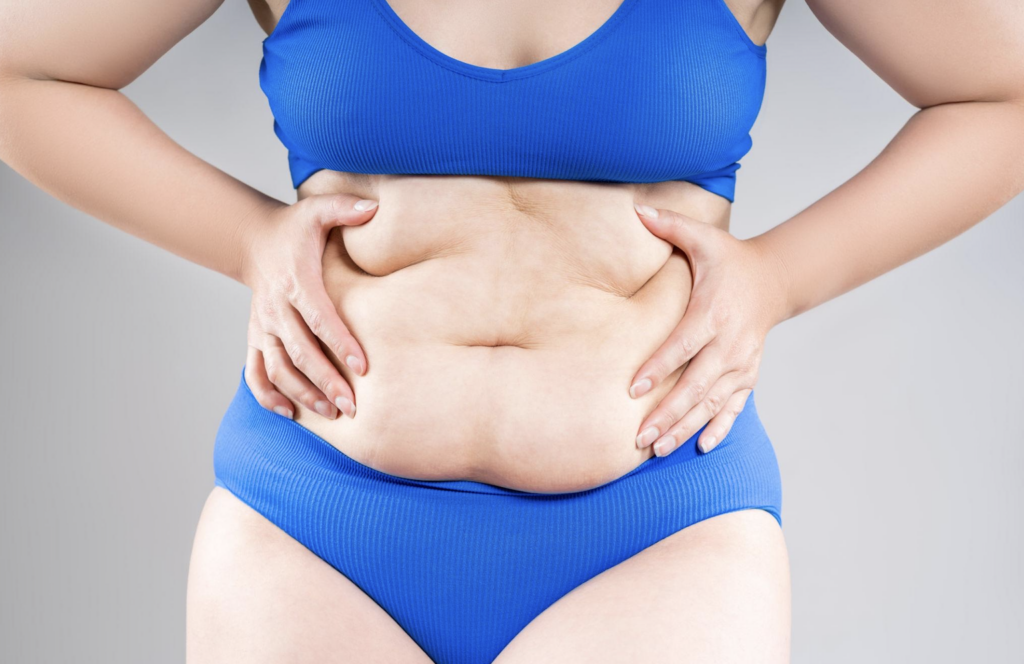
For many patients, the first few weeks are more about a subtle transition than a dramatic reshaping. Temporary fullness may settle, tenderness may decrease, and the area may start to look smoother even before major fat loss is visible. That is especially true when treatment is designed to reduce stubborn fat rather than produce surgical-level volume change.
Some patients begin noticing subtle changes around three weeks, but the more meaningful contour shift often develops later. With cryolipolysis-style treatment, the body naturally eliminates targeted cells over time, and that timeline often continues well beyond the first month.
When Visible Changes Usually Appear
One of the most useful counseling points is that visible changes usually build gradually. Some patients notice early contour improvement at about three weeks, but more pronounced changes are often discussed around two months, with ongoing refinement afterward.
That matters because people sometimes compare themselves too early to surgical recovery or online photos. Non-surgical body sculpting is generally intended for shaping, not major weight loss. It is better understood as contour refinement for stubborn areas than as a substitute for comprehensive body transformation.
The Difference Between Fat Reduction and Muscle Toning After Treatment
Some treatments focus mainly on fat removal or fat reduction in localized areas. Others are selected for muscle toning and muscle building, particularly in the abdomen, buttocks, or sometimes upper arms and calves. That distinction affects what patients feel and when they notice a change.
A patient treated with electromagnetic technology may notice that muscles feel firm or fatigued after the first session, almost like an intense workout. That does not mean fat change is complete. It means the treatment response may involve both muscle stimulation and gradual contour refinement over time, not instant reshaping.
Body Sculpting and the Limits of Skin Tightening
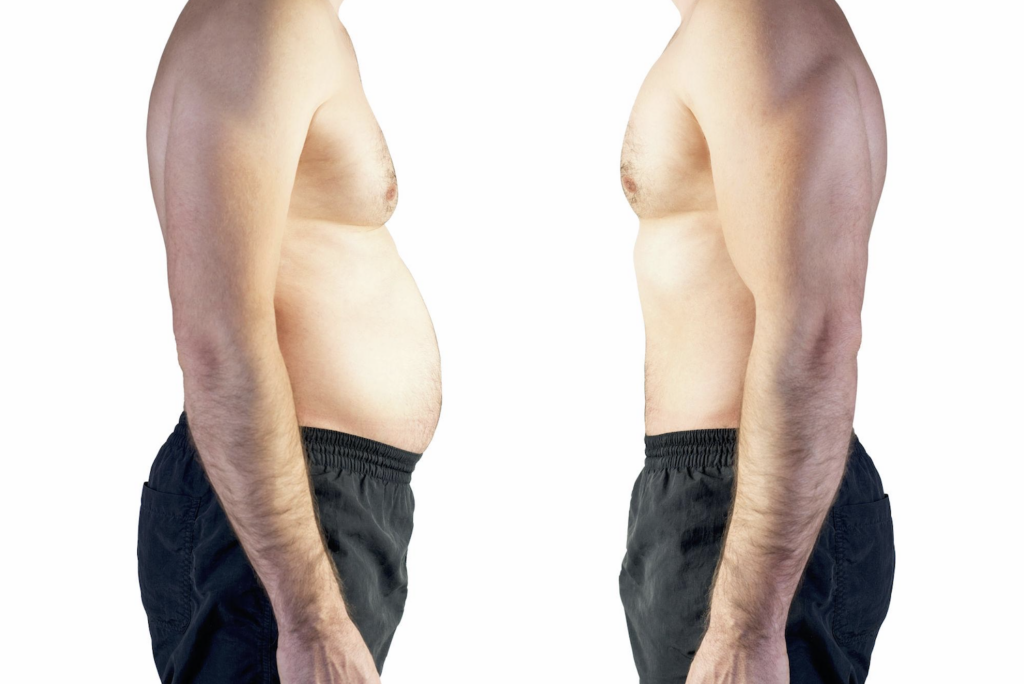
This depends on the device and the patient. Some energy-based treatments are selected partly for skin tightening, collagen production, collagen remodeling, and support for skin elasticity. That may be useful when mild loose skin is part of the concern, especially if the goal is modest refinement rather than surgery.
Still, it is important to separate mild laxity from more advanced excess tissue. If someone has significant loose skin, they may need to discuss surgical options instead of expecting a nonsurgical treatment to fully tighten skin. This is where a personalized plan becomes more important than choosing a popular device name.
Why Stable Weight and Lifestyle Habits Matter So Much
Even when treated cells are removed, the body still contains remaining fat cells. If a patient later gains weight, untreated fat cells can enlarge, which may soften the contour benefit. That is why providers usually emphasize a stable weight and long-term lifestyle habits after treatment.
The best support plan is rarely extreme. A balanced diet, regular exercise, hydration, and sleep matter more than crash programs. Patients do not need perfection, but they do need habits that support overall health and preserve the aesthetic gains they worked for.
What Aftercare Usually Involves
Aftercare is often straightforward, but it should still be followed carefully. Patients are commonly told to stay hydrated, keep moving gently, and monitor the treatment area for changes that last longer than expected. In selected cases, a provider may discuss massage, compression, or timing for return to strenuous activity.
The goal of aftercare is not to force the body to flush faster. It is to support comfort, tissue recovery, and consistency. In a medical spa setting, tailored advice is part of the treatment experience, especially when patients combine fat reduction with skin tightening or muscle-focused care.
When Additional Sessions May Make Sense
Some patients reach a satisfying result after one treatment cycle, while others benefit from additional sessions. That depends on the amount of fat, the size of the treatment zone, whether the focus is on reducing fat versus muscle definition, and how the body responds over time.
This is another reason to maintain realistic expectations. Many aesthetic providers discuss staged care because contouring is often incremental. A thoughtful plan may involve more than one visit, not because the first session failed, but because refinement is sometimes built step by step.
Body Contouring Versus Weight Loss
Body contouring is not the same as broad weight loss care. The goal is typically to target localized fullness and improve shape in treated areas, not to replace nutrition counseling, medical weight management, or consistent movement. Patients looking for a lower number on the scale often need a different conversation.
That distinction protects satisfaction. When patients understand that the goal is to refine stubborn fat and improve silhouette, they are more likely to notice progress that aligns with what the treatment is actually designed to do.
FAQ
How long does it take to see body sculpting results?
Some patients notice early changes in about three weeks, but fuller results often take several weeks to months, depending on the treatment. Fat-freezing results may continue developing as the body clears treated cells.
Is it normal to look swollen after body contouring?
Yes. Temporary swelling, redness, or firmness can happen before the area settles. Early fullness does not automatically mean the treatment is unsuccessful.
Will body sculpting work if I do not change my diet?
Body sculpting is usually more rewarding when supported by a balanced diet and stable routines. It is designed for contour improvement, not as a replacement for long-term health habits.
Can nonsurgical body sculpting treat loose skin?
Sometimes mild laxity may improve when a treatment includes tissue-heating or collagen-focused technology. More significant excess skin may require a different evaluation, including discussion of surgical options.
Conclusion
The weeks after body sculpting are often less about instant change and more about watching the body move through a gradual response. Mild fullness, firmness, or delayed contour changes do not necessarily mean the treatment is off track. In many cases, improvement develops in stages as swelling settles and the body continues processing the treated area. That is why early results should be viewed with patience and in the context of your provider’s expected timeline, not against dramatic online before-and-after expectations.
It is also important to remember that non-surgical body contouring works best when results are evaluated realistically. These treatments are designed to refine shape, address stubborn fat, and support selected body goals, but they are not meant to replace weight management or create a surgical-level transformation. Patients who stay consistent with follow-up, maintain stable habits, and understand that changes may appear gradually are often better positioned to judge progress fairly and make informed decisions about whether additional treatment is worth considering.
If you have questions about healing, timeline, or whether your results are developing as expected, schedule a consultation with BluePoint Medical Spa. A professional follow-up can clarify what is normal, review your progress, and help you decide on the most appropriate next step for your treatment plan.