

The face naturally changes over time. Fat pads may shrink or shift, bone structure can gradually change, and the collagen matrix that supports the skin becomes thinner. These changes may contribute to hollows beneath the eyes, flatter cheeks, deeper nasolabial folds, thinner lips, and a less defined jawline.
Dermal fillers are injectable treatments that may help restore or support lost volume, soften selected wrinkles caused by structural changes, and refine facial contours without surgery. They do not stop aging, replace a surgical lift, or work the same way for every patient. The best outcome depends on anatomy, product choice, placement, dosing, and realistic goals.
At Blue Point Medical Spa in Las Vegas, filler treatments are selected based on consultation, facial anatomy, skin quality, treatment area, and the patient’s desired result. Each filler type has different properties, including thickness, flexibility, lifting capacity, reversibility, and expected duration.
Hyaluronic Acid Fillers and Facial Volume Support
Hyaluronic acid, often called HA, is a substance naturally found in the body. It helps hold moisture in the skin, connective tissue, and joints. HA-based dermal fillers use a synthetic gel form of this molecule to add volume, improve contour, or soften selected lines when injected beneath the skin.
One reason hyaluronic acid fillers are widely used is their flexibility. Different HA products are designed for different areas of the face. Some are softer and more flexible, which may be appropriate for the lips or fine lines. Others are firmer and more supportive, which may be used for cheeks, chin, or jawline definition.
Another important feature is reversibility. If an HA filler result needs adjustment or if a complication occurs, a provider may use hyaluronidase, an enzyme that can dissolve the HA gel. This does not mean every issue is simple or instant, but it does provide an additional safety tool that other filler categories do not offer in the same way.
Common HA filler families include Juvederm and Restylane. Each product within these families has a different texture and intended use. For example, some products may be chosen for lip augmentation, while others may be selected for cheek support, nasolabial folds, or facial contouring.
Patients can review Blue Point’s dermal fillers page to learn more about available options. The final product choice should be made during consultation after the provider evaluates the treatment area and patient goals.

Calcium Hydroxylapatite and Structural Support
Calcium hydroxylapatite, commonly associated with Radiesse, is another type of dermal filler. It is made of calcium-based microspheres suspended in a gel carrier. The product may provide immediate structural support after injection while also encouraging collagen-related changes over time.
This type of filler is often discussed for areas that need more structure rather than soft, flexible volume. It may be used in selected patients for the cheeks, jawline, chin, or nasolabial folds. Because it has a thicker consistency, it is generally not used in very delicate areas such as the lips or under-eyes.
Radiesse is sometimes described as a biostimulatory filler because it may stimulate the body’s own collagen production around the injected material. As the gel carrier is absorbed, collagen-related support may remain for a period of time. Results vary by patient, treatment area, metabolism, and technique.
Unlike HA fillers, calcium hydroxylapatite fillers cannot be dissolved with hyaluronidase. This makes careful patient selection, conservative dosing, and precise placement especially important. A qualified provider should explain both the benefits and limitations before treatment.
This filler type may be appropriate for patients who want structural support and are comfortable with a product that is not reversible in the same way as HA. It is not the right choice for every area or every patient.
Poly-L-Lactic Acid and Gradual Collagen Stimulation
Poly-L-lactic acid, commonly known as Sculptra, works differently from traditional fillers. Rather than creating immediate volume in the same way as HA filler, Sculptra is designed to stimulate the body’s own collagen synthesis over time.
After injection, Sculptra encourages a controlled response that may activate fibroblast activity. These cells are involved in producing new collagen fibers. The injected material is gradually absorbed, while collagen-related volume support develops slowly.
Because results are gradual, Sculptra may appeal to patients who prefer subtle, progressive changes rather than an immediate visible shift. Most patients need a series of treatments spaced over time, and the full effect may develop over several months.
Sculptra is often considered for broader facial volume loss, including the cheeks, temples, and areas where overall support has decreased. It is not typically used for the lips or the under-eye area. It also cannot be dissolved like HA filler, so treatment planning should be conservative and precise.
Blue Point Medical Spa offers both Sculptra and Voluma as part of its injectable options. A provider can help patients understand whether an immediate volumizing filler, a biostimulatory filler, or a combination approach may fit their goals.
Common Filler Treatment Areas
Each area of the face has unique anatomy, which affects filler selection and placement. A product that works well in one area may not be appropriate in another. This is why dermal filler treatments should be customized rather than applied with a one-size-fits-all approach.
The midface, including the cheeks, is one of the most common treatment areas. Cheek volume loss may create a flatter or more tired appearance and can contribute to deeper-looking nasolabial folds. Supporting the cheek area with the right filler may improve contour and create a more balanced facial structure.
The under-eye area, often called the tear trough, requires extra caution. The skin is thin, delicate, and more prone to visible irregularities. If filler is too thick, placed too superficially, or used in the wrong candidate, it may create puffiness, lumps, or a bluish appearance known as the Tyndall effect. Soft HA fillers may be considered for selected patients, but not everyone is a good candidate.
Lip filler is another common request. Goals may include subtle volume, improved shape, enhanced border definition, symmetry correction, or restoration of age-related lip thinning. Hyaluronic acid fillers are commonly used in the lips because they can support softness and movement when placed properly.
The jawline and chin often require firmer, more structured fillers. Strategic placement may support definition, profile balance, or lower-face contour in selected patients. The provider should avoid overfilling and should consider the patient’s natural facial proportions.
The temples may also lose volume with age. Hollow temples can affect the frame of the upper face and make the eyes appear more recessed. Temple filler requires advanced anatomical knowledge and careful technique because important vessels are present in the area.
The Filler Appointment and Recovery Timeline
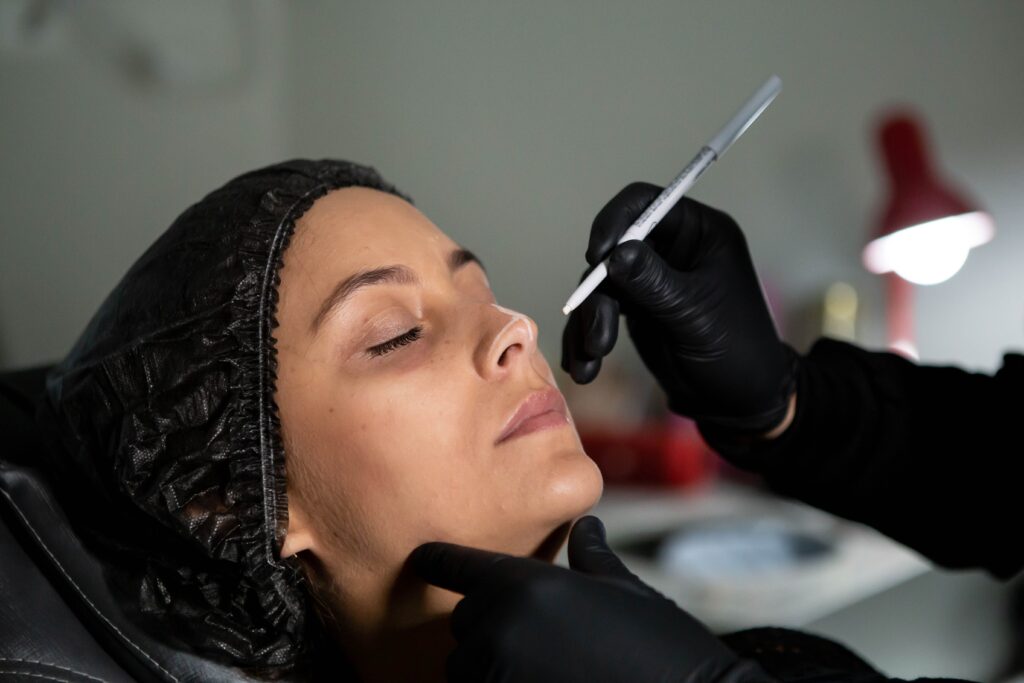
A dermal filler appointment at Blue Point Medical Spa begins with a consultation. The provider reviews the patient’s goals, health history, medications, allergies, prior treatments, and treatment area. The provider also assesses facial anatomy, symmetry, tissue quality, and whether filler is the right option.
Some fillers contain lidocaine, a local anesthetic that can help reduce discomfort during injection. A topical numbing cream may also be used when appropriate. Most patients describe filler injections as pressure, pinching, or mild discomfort rather than severe pain.
The provider may use a needle or a blunt-tip cannula depending on the area and treatment plan. A cannula may reduce certain risks in selected areas and may help distribute filler through tissue, but it is not always the best tool for every case. Instrument choice depends on anatomy and provider judgment.
Treatment time varies. A small area, such as the lips, may take less time, while multi-area facial balancing may require a longer appointment. Patients should not feel rushed, especially when several areas are being treated.
HA filler results are often visible immediately, though swelling may make the area look fuller at first. Swelling can take several days to settle, and final refinement may take one to two weeks. Sculptra results develop gradually over months, while Radiesse may offer immediate support with collagen-related changes over time.
Common side effects include temporary swelling, bruising, tenderness, redness, and firmness at injection sites. Patients should follow Blue Point’s pre- and post-treatment care guidelines and contact the provider if symptoms feel unusual or worsen.
Filler Longevity and Maintenance
The duration of dermal filler results depends on the product, treatment area, dose, metabolism, movement, and lifestyle factors. Results are temporary, although some products last longer than others.
Hyaluronic acid fillers in high-movement areas such as the lips may last several months, while HA fillers in the cheeks or jawline may last longer. Radiesse may last about a year or longer for some patients, and Sculptra may provide gradual results that can last longer when the collagen response is strong.
Patients should understand that filler does not stop facial aging. Natural changes in fat, bone, skin, and collagen continue over time. Maintenance appointments may help preserve results, but the schedule should be individualized.
Daily sunscreen, hydration, healthy skin habits, and a consistent skincare routine may help support the overall appearance of filler results. Professional treatments such as facials, chemical peels, laser treatments, or microneedling may also be discussed when the patient wants to improve skin texture, tone, or collagen support.
Fillers, Facial Balance, and Natural-Looking Results
The best filler treatment is not always the one that uses the most product. A natural-looking result often comes from understanding facial balance, placing filler in the right areas, and respecting the patient’s existing features.
For some patients, treating the cheeks may soften the appearance of lower-face folds more effectively than injecting the folds directly. For others, small adjustments to the chin or jawline may improve facial proportion. Lip filler should be planned around the patient’s lip shape, tooth show, facial structure, and personal preferences.
Overfilling can create an unnatural or heavy appearance. This is why conservative dosing and staged treatment may be recommended. A provider may suggest treating one area first, allowing swelling to settle, and then reassessing before adding more product.
Patients should also understand that fillers cannot correct every concern. If the issue is skin laxity, a provider may discuss Ultherapy or other tightening options. If the concern is movement-related wrinkles, Botox may be more appropriate. If the concern is pigmentation or texture, peels, lasers, or skincare may be better suited.
Safety and Provider Experience
Dermal fillers are elective aesthetic treatments, but they still require medical judgment. Filler placement involves anatomy, vascular safety, product selection, and complication management. Patients should choose a provider who understands facial structure and uses appropriate techniques.
A qualified provider reviews medical history before treatment. Patients should disclose allergies, autoimmune conditions, bleeding disorders, pregnancy or breastfeeding status, priofillerser, recent dental work, medications, and supplements. Certain factors may require delaying treatment or choosing another option.
Potential side effects may include swelling, bruising, tenderness, asymmetry, lumps, or temporary firmness. Rare but serious complications can occur if filler enters or compresses a blood vessel. This is why patients should choose a provider who can recognize and manage complications promptly.
At Blue Point Medical Spa, patients receive injectable care guided by consultation, education, and professional oversight. Patients can learn more about the Blue Point team and Dr. Danka K. Michaels, M.D., before scheduling.

FAQ
Are dermal fillers safe for sensitive skin or those with allergies?
Hyaluronic acid fillers are generally well tolerated by many patients because HA is similar to a substance naturally found in the body. However, patients with severe allergies, autoimmune conditions, or prior reactions should disclose their history during consultation. The provider determines whether filler is appropriate.
Can dermal fillers and Botox be used together?
Yes, dermal fillers and Botox may be used together when appropriate because they treat different concerns. Botox may soften dynamic wrinkles caused by muscle movement, while fillers may restore volume or contour. The provider creates a plan based on anatomy, goals, and timing.
Can fillers be dissolved if the result is not right?
Hyaluronic acid fillers may be dissolved with hyaluronidase when appropriate. This option does not apply to fillers such as Radiesse or Sculptra, which are not reversible in the same way. Product choice should be discussed carefully before treatment.
A Personalized Approach to Dermal Fillers
Dermal fillers may help support facial volume, contour, and selected structural lines when chosen and placed carefully. Different filler types work in different ways, and different areas of the face require different product properties. The right plan depends on anatomy, skin quality, goals, and realistic expectations.
At Blue Point Medical Spa, patients receive injectable care guided by consultation and professional oversight. If you are considering dermal fillers, schedule a filler consultation to explore which options may align with your concerns.
Individual results vary. A consultation with a licensed provider is required to determine whether dermal fillers are appropriate. Aesthetic services are elective and may involve risks, side effects, contraindications, bruising, swelling, asymmetry, lumps, vascular complications, limited response, or other outcomes. Recommendations may vary based on anatomy, medical history, medications, prior treatments, product type, treatment area, and personal goals.