Fall Event 10/24 from 4-7pm
October 13, 2025

Many people get a facial expecting immediate results—a glow, smoother texture, or refreshed appearance—only to wonder days later how long those effects will last. This leads to a common and very reasonable question: how often should you get a facial to see real results, not just a temporary boost? Understanding facial frequency is essential for patients who want meaningful improvements in skin health rather than short-lived changes.
Facial treatments are not simply a beauty indulgence. When performed thoughtfully, they support skin health, circulation, hydration, and long-term maintenance. However, the benefits depend heavily on consistency, skin type, and the specific concerns being addressed. Too infrequent, and progress may stall; too frequent, and sensitive skin may become irritated.
This article explains how often to get a facial based on professional insight, patient needs, and realistic expectations—helping you make informed decisions that align with your skincare goals and overall well-being.

Facials work by addressing surface and underlying skin processes that home care alone may not fully reach. Through deep cleansing, exfoliation, and nourishing techniques, professional treatments help remove dead skin cells, unclog pores, and support hydration balance. This process allows skincare products like serums and moisturizers to absorb more effectively afterward.
Beyond surface care, facials can help enhance blood circulation and lymphatic drainage, supporting oxygen delivery and waste removal in the skin. These physiological responses contribute to a healthier appearance and may support collagen production over time. While these changes are subtle, they build gradually with regular treatments.
Understanding what a facial does helps patients see why spacing and repetition matter. A single session can feel good, but consistent care supports real results that align with long-term skin maintenance.
Patients with sensitive skin often worry that regular facials will cause irritation, redness, or dryness. In reality, facial frequency for sensitive skin must be personalized rather than avoided altogether. Gentle techniques, soothing masks, and careful exfoliation can support hydration and barrier health when spaced appropriately.
For these patients, facials are often scheduled less frequently to allow the skin adequate recovery time. This pacing helps maintain moisture balance while still supporting skin tone and comfort. The key is professional guidance rather than guesswork.
Knowing your sensitivity level helps you choose a schedule that supports healthy skin without overstimulation.
For acne-prone skin or oily skin types, regular facials can play a supportive role in managing breakouts and congestion. Treatments focused on exfoliation, cleansing, and oil balance may help reduce impurities and clogged pores when done consistently.
However, aggressive or overly frequent treatments may trigger irritation or rebound oil production. Professional treatments should be spaced to support balance, not overwhelm the skin. This approach helps patients manage acne while protecting skin elasticity and hydration.
Understanding your skin type allows facial frequency to become a strategic tool rather than a reactive fix.
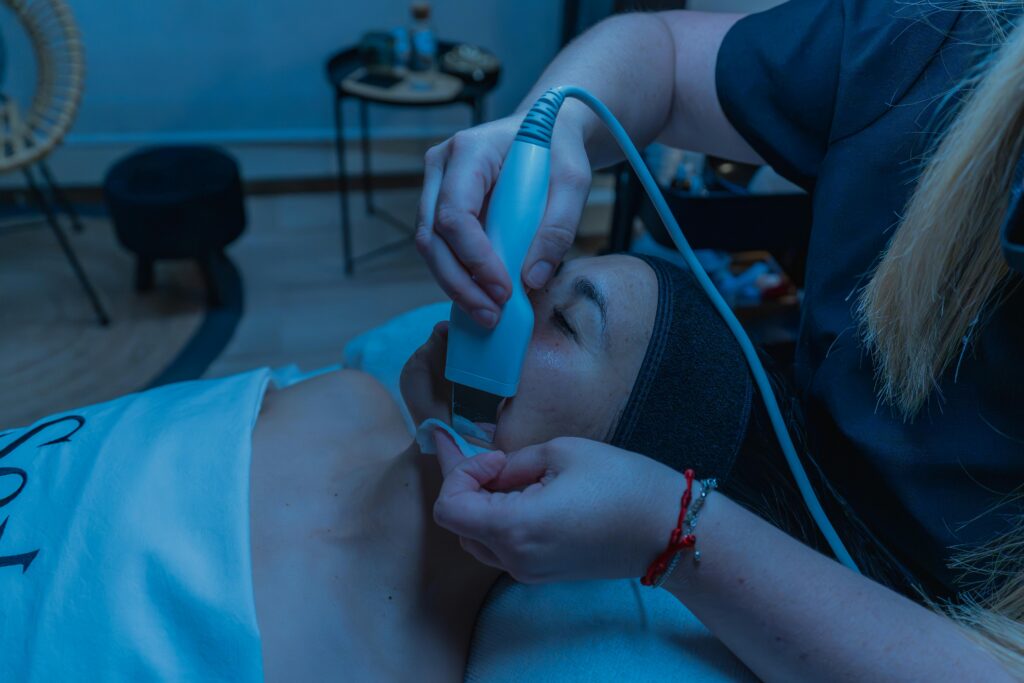
For many patients, regular facials every four to six weeks align well with the skin’s natural renewal cycle. This timing allows for consistent exfoliation, hydration, and monitoring of changes without disrupting the skin’s surface barrier. Over time, this schedule supports gradual improvements in texture, tone, and radiance.
This frequency is often recommended for patients seeking real results rather than one-time refreshment. While immediate results may be visible after a session, longer-term benefits such as improved glow and smoother skin typically develop with repeated care.
Understanding this rhythm helps patients commit to a plan that matches biological processes rather than marketing promises.
Patients addressing specific skin concerns—such as aging, wrinkles, dryness, or uneven tone—may require adjusted schedules. Some concerns benefit from slightly more frequent treatments initially, followed by maintenance spacing once improvements stabilize.
This flexible approach allows facials to address evolving needs without assuming unlimited funds or unrealistic timelines. Patients can adapt frequency as their skin responds, supporting long-term benefits rather than short bursts of care.
This adaptability is essential for aligning facial treatments with real-life schedules and budgets.
Many people enjoy the refreshed feeling and glow immediately after a facial. These immediate results often come from hydration, exfoliation, and enhanced circulation. While satisfying, they are not the same as structural skin changes.
Long-term benefits—such as improved skin elasticity, collagen production, and more even tone—develop gradually. These outcomes depend on regular treatments combined with appropriate home care. Understanding this difference prevents disappointment and supports realistic expectations.
Patients who value long-term skin health view facials as part of an ongoing self-care routine rather than a one-time solution.

Professional treatments differ from at-home routines in both technique and depth. Estheticians use advanced methods and controlled exfoliation to address the skin’s surface more effectively than daily cleansing alone. This can help manage impurities, dryness, and buildup that home care may not fully resolve.
Professional oversight also ensures treatments are adjusted as the skin changes. This adaptability supports safer outcomes and aligns treatments with evolving skincare goals.
For patients, this makes professional facials a valuable complement—not a replacement—for home care.
Home care plays a critical role in maintaining facial results. Proper cleansing, moisturizers, serums, and hydration help extend the benefits between sessions. Without supportive routines, even regular facials may yield limited progress.
Patients who follow consistent home care often notice smoother transitions between treatments and fewer setbacks. This partnership between professional care and daily habits supports overall skin health.
Understanding this balance empowers patients to take an active role in their outcomes.
Facials are often chosen not only for skin benefits but also for overall well-being. The relaxation component—gentle massage, calming techniques, and quiet time—can help reduce stress, which itself influences skin conditions like breakouts and sensitivity.
This mind-body connection makes facials a good thing beyond appearance alone. Reduced stress may support healthier skin responses over time, reinforcing the value of regular treatments.
Patients seeking balance often find that consistent facials support both physical skin needs and emotional wellness.
More frequent facials do not always mean better results. Over-treatment can disrupt the skin’s surface, leading to irritation, dryness, or breakouts. This is especially important for patients with sensitive or reactive skin.
Professional guidance helps determine the right frequency based on skin response rather than trends or pressure. Patients should feel comfortable adjusting schedules as needed rather than adhering rigidly to an idealized plan.
This measured approach protects skin integrity and supports sustainable results.
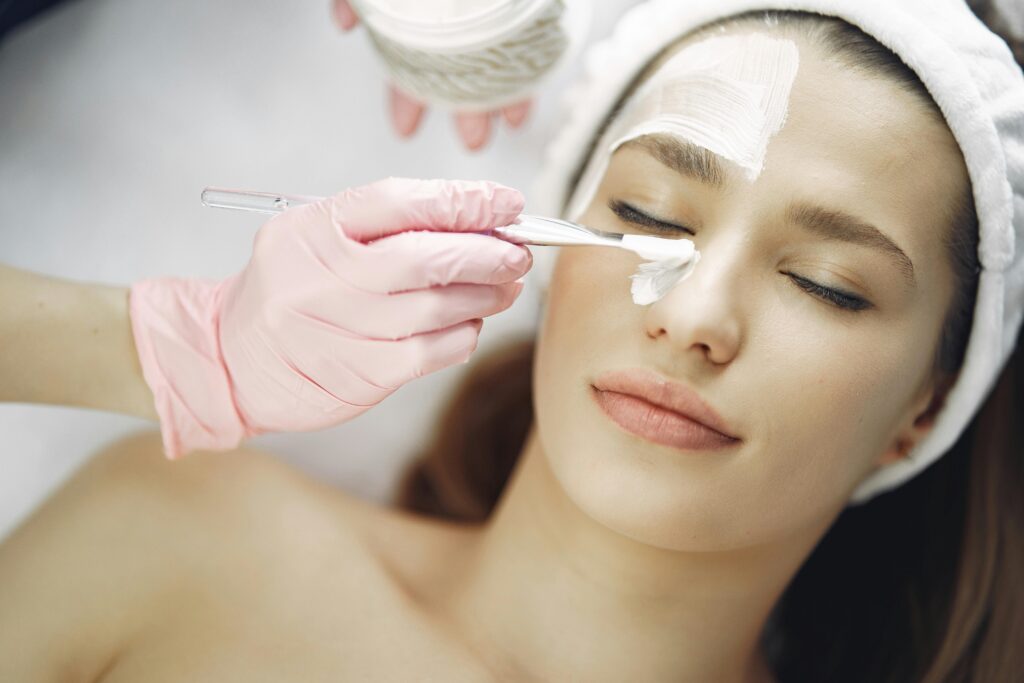
Most patients benefit from facials every four to six weeks, which aligns with the skin’s natural renewal cycle and supports gradual, lasting improvements.
Yes, when treatments are gentle and properly spaced. Professional evaluation helps determine the safest frequency for sensitive skin.
Immediate results like glow or hydration are temporary. Long-term improvements require regular treatments and consistent home care.
Facials can support acne-prone skin by improving cleansing and exfoliation, but frequency and technique must be tailored to avoid irritation.

Understanding how often you should get a facial to see real results helps shift expectations from instant beauty fixes to thoughtful skin care planning. Facial treatments support skin health, hydration, circulation, and maintenance—but their impact depends on consistency, skin type, and professional guidance.
There is no universal schedule that works for everyone. Individual variability, specific concerns, and lifestyle factors all influence optimal frequency. A personalized consultation at BluePoint Medical Spa allows you to align facial treatments with your goals, comfort level, and long-term wellness priorities.
If you’re considering regular facials or want guidance on the right schedule for your skin, book a consultation with BluePoint to explore a professional, patient-centered approach to skincare.