People often feel discouraged when certain areas seem to resist diet and exercise even after steady effort. The concern is usually not overall weight loss, but the persistence of stubborn fat pockets, visible fat bulges, or changes in body shape that do not match how hard someone has been working.
At BluePoint Medical Spa, body sculpting is positioned as a personalized, low-downtime option for patients who want to address localized fat, define muscle in selected areas, and support results with a healthy lifestyle rather than pursue a surgical transformation. The spa’s published guidance also stresses consultation, realistic planning, and individualized technology selection.

Why Stubborn Areas Persist
Some fat distribution patterns are shaped by genetics, hormones, age, and how the body stores subcutaneous fat. That means a person may maintain strong, healthy habits and still notice stubborn pockets in the abdomen, flanks, thighs, upper arms, or even the double chin.
This is one reason patients explore non-surgical body contouring. The goal is usually not a dramatic scale change, but improving contour in a specific treatment area where excess fat remains despite a stable routine.
What Non-Surgical Contouring Targets
Most nonsurgical body contouring procedures focus on fat cells within a chosen area rather than trying to reduce total body weight. Different platforms are designed to target fat cells with temperature-based or energy-based methods that affect tissue beneath the skin.
That distinction matters because understanding fat reduction helps patients set better expectations. These treatments are meant for shaping, not for replacing broader medical weight management.
How the Body Responds After Treatment
After a session, fat cells begin to break down or lose viability, depending on the technology used. Over time, the body naturally processes the affected cells and gradually clears the byproducts through normal metabolic pathways.
Patients often ask whether the body simply “moves” fat somewhere else. BluePoint’s recent educational content explains the process as a localized fat-cell change followed by gradual processing, rather than instant disappearance.
Why Results Are Gradual
The visible reshaping process usually takes time because the body does not clear disrupted tissue all at once. Instead, the area changes in stages as the body flushes cellular debris and the contour settles.
That slower timeline is normal for many non-surgical treatments. It is also one reason patients should approach treatment with realistic expectations instead of expecting an overnight transformation after one session.
Technologies Used for Non-Surgical Fat Reduction
Common forms of non-surgical fat reduction may include controlled cooling, controlled heat, laser treatment, ultrasound therapy, focused sound waves, high-intensity focused ultrasound, red light therapy, or injectable options such as deoxycholic acid for carefully selected areas. Each method works differently and is suited to different goals.
BluePoint Medical Spa’s current body-sculpting content specifically highlights non-surgical, low-downtime options for stubborn fat reduction and muscle definition, along with consultation-based matching of technology to anatomy and goals.
How Controlled Cooling Works
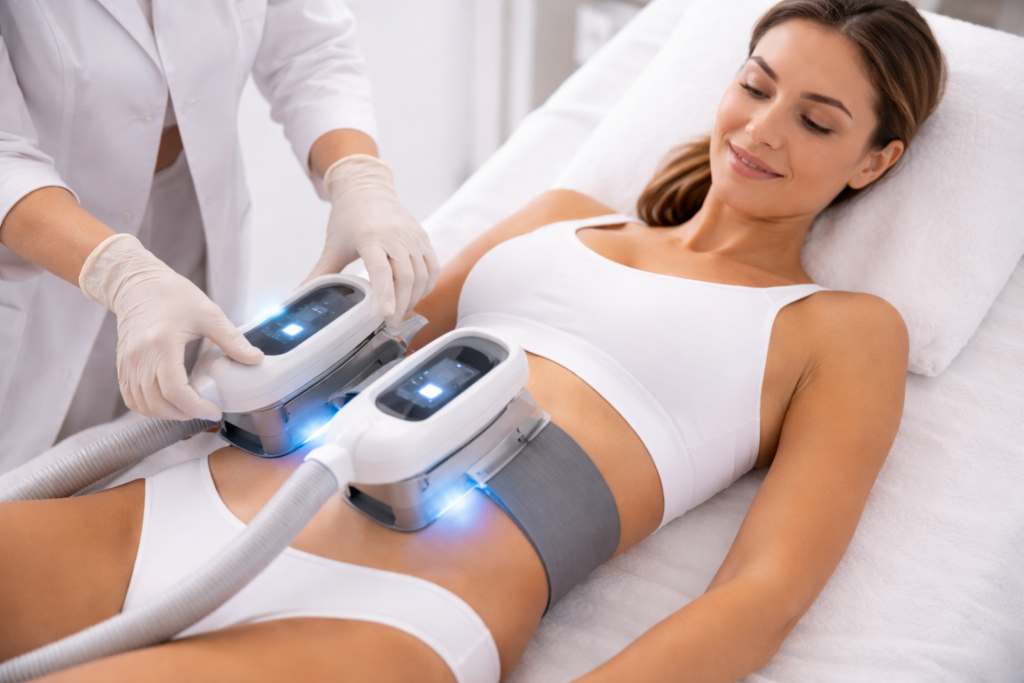
With controlled cooling, the aim is to freeze fat cells in a targeted zone without surgery. Over time, those affected cells may be cleared as the body responds to the treatment.
Patients sometimes describe this broadly as fat freezing. It is one of the most recognized forms of nonsurgical body sculpting for stubborn fat deposits, especially when the concern is a defined fat pocket rather than generalized fullness.
Heat vs. Ultrasound Methods
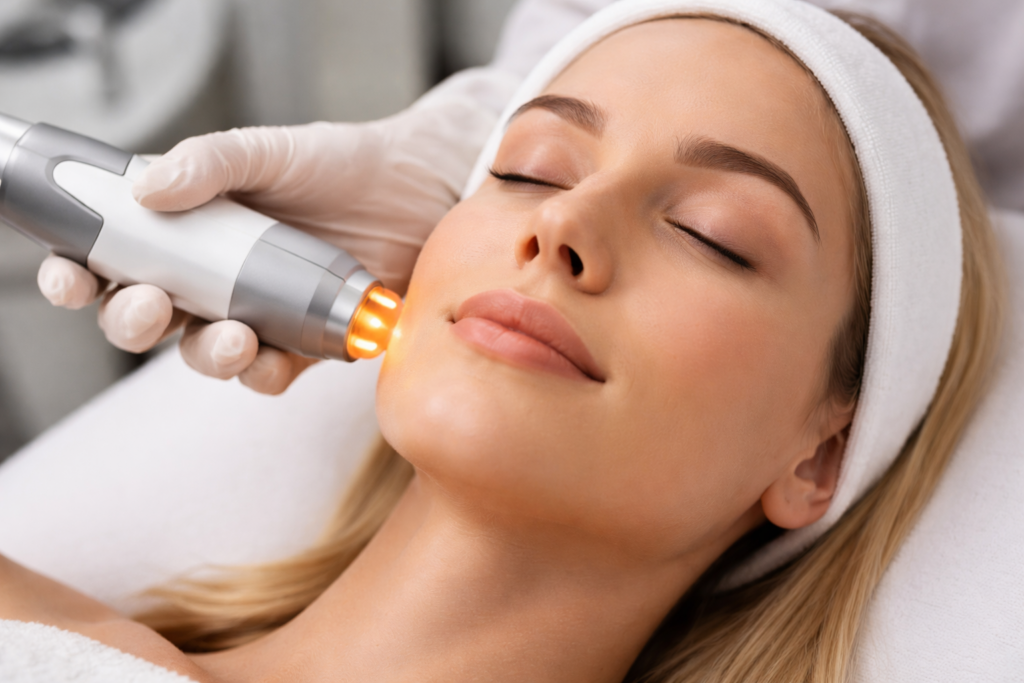
Treatments that use controlled heat, ultrasound therapy, or focused sound waves may be selected when the goal includes both contouring and support for skin tightening. These approaches may affect tissue differently than cooling-based devices and can sometimes be part of a plan intended to tighten skin while also reducing fat.
That does not mean every patient will need heat-based treatment. The choice depends on skin quality, depth of fullness, and whether skin laxity is part of the concern.
Can Contouring Improve Skin Tone?
Some patients notice improvement in skin tone, firmness, or surface appearance when treatment stimulates tissue remodeling. Certain skin tightening treatments are designed to stimulate collagen production in the deeper tissue layers, which may support a smoother contour.
Still, this should be framed carefully. If loose skin or excess skin is substantial, fat-focused treatment alone may not fully correct the concern.
Why Some Areas Respond Better
The answer often comes down to anatomy. A smaller, well-defined collection of localized fat may respond more predictably than an area with mixed issues, such as loose skin, muscle separation, or diffuse fullness.
This explains why patients may see different outcomes in the abdomen, flanks, upper arms, or double chin. The technology may work, but the visible result still depends on the structure of the area being treated.
Is This the Same as Weight Loss?
No. Body contouring and weight loss are related, but they are not interchangeable. One is about refining a specific contour problem, while the other is about broader changes in body mass and metabolic health.
BluePoint’s published articles make the same distinction, noting that body sculpting is intended for patients near their ideal weight who want to refine stubborn areas rather than use the treatment as a substitute for broader fat loss efforts.
Who Is a Good Candidate?
Many ideal candidates are already close to a goal weight or ideal weight and are maintaining a healthy lifestyle with a consistent diet and exercise. They usually want contour refinement, not major size reduction.
A thorough consultation should also review medical history, medications, and relevant liver function or other health considerations when appropriate. Good planning matters because treatments may have contraindications, and individual results vary.
What About Excess Skin After Weight Loss?
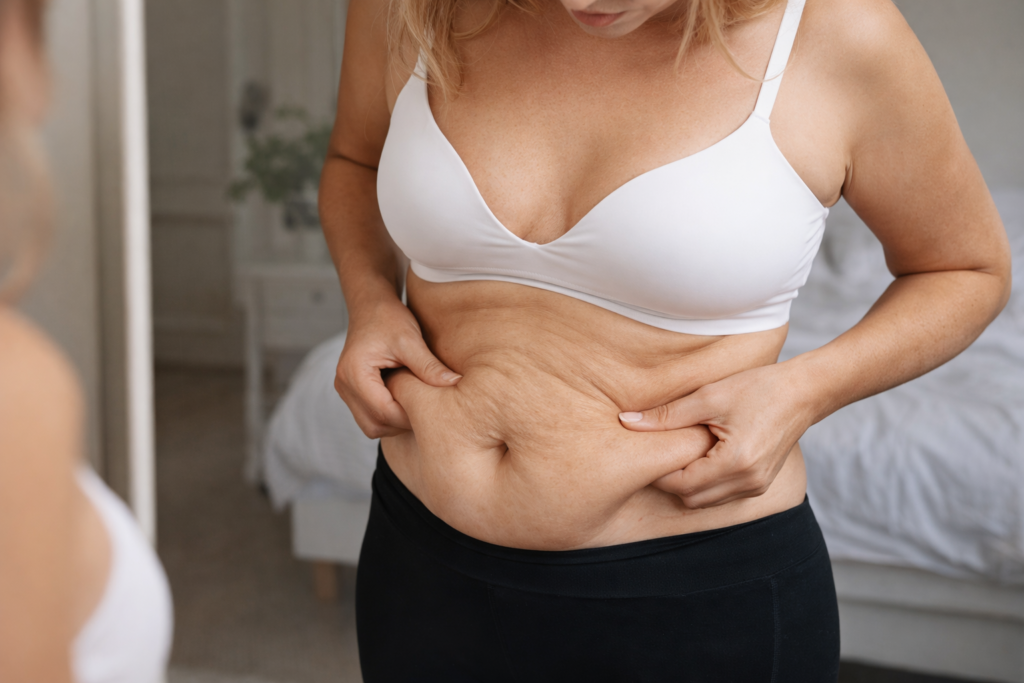
If a patient has excess skin, notable skin laxity, or tissue changes after significant weight loss or other major body changes, the strategy may need to shift. In those cases, non-surgical body options may improve contour modestly, but they may not fully address skin redundancy.
That is where candid counseling is important. When anatomy points to skin removal or tissue repositioning, patients may need to discuss surgical options instead of expecting a non-surgical plan to perform like surgery.
When Surgery Is More Appropriate
Surgical body contouring or other surgical procedures may be more appropriate when there is substantial laxity, heavy overhang, or structural change that requires tissue removal. Examples sometimes discussed in broader aesthetic medicine include a tummy tuck, a breast lift, or other forms of cosmetic surgery or aesthetic plastic surgery.
Those options can address concerns that nonsurgical body contouring cannot, but they also involve more recovery demands, more planning, and a longer recovery time than low-downtime spa-based treatment.
Benefits of Non-Surgical Body Sculpting
The main appeal of non-surgical body sculpting is that it offers contour-focused treatment with minimal downtime and without the incisions associated with a surgical body approach. For the right patient, that makes it easier to fit treatment into normal life.
Patients also often appreciate the gradual nature of results. The changes may look more natural over time, especially when paired with stable routines and thoughtful follow-up.
What to Know Before Starting
Patients should know that fat reduction treatments work best when expectations are specific and realistic. A provider should explain what the chosen modality is designed to do, how many sessions might be needed, and whether the plan also includes muscle toning or skin tightening goals.
BluePoint’s current body-sculpting messaging emphasizes low-downtime solutions, consultation-based planning, and support from licensed providers who evaluate body composition, target zones, and goals before recommending a course of care.
How Personalized Plans Improve Outcomes
A tailored treatment plan matters because not every concern is driven by the same issue. One patient may primarily need help with stubborn fat, while another may need more support for firmness or contour after mild skin change.
When the plan is customized, body contouring treatments are more likely to align with the patient’s anatomy, comfort level, and long-term maintenance habits. That alignment usually leads to better satisfaction and fewer misunderstandings about what treatment can realistically achieve.
Why Maintenance Still Matters
Even when treatment successfully helps destroy fat cells, future body changes can still affect the overall look of the area. A stable routine remains important for preserving contour over time.
BluePoint’s nutrition-focused body-sculpting content also notes that lasting satisfaction is best supported by sustainable habits, hydration, activity, and weight stability rather than relying on treatment alone.
FAQ
How long does non-surgical body contouring take to show results?
Most patients do not see the final change immediately because the body needs time to process the treated tissue. Visible improvement often develops gradually over several weeks, depending on the method and the treatment area.
Can non-surgical body contouring remove loose skin?
It depends on the degree of loose skin. Some treatments may support mild firmness, but more noticeable excess skin may require a different approach or discussion of surgical options.
Is body contouring painful?
Comfort varies by device and body area, but treatment should not involve severe pain as an expected outcome. Patients should discuss comfort expectations, aftercare, and any concerns during the consultation.
Will I still need diet and exercise after treatment?
Yes. These treatments work best when paired with stable routines, balanced nutrition, and ongoing activity. They are meant to refine contour, not replace healthy habits.
Is non-surgical body contouring better than surgery?
Not necessarily. Non-surgical body contouring and surgery solve different problems. The best choice depends on whether the main concern is localized fat, skin laxity, or larger structural changes.
Conclusion
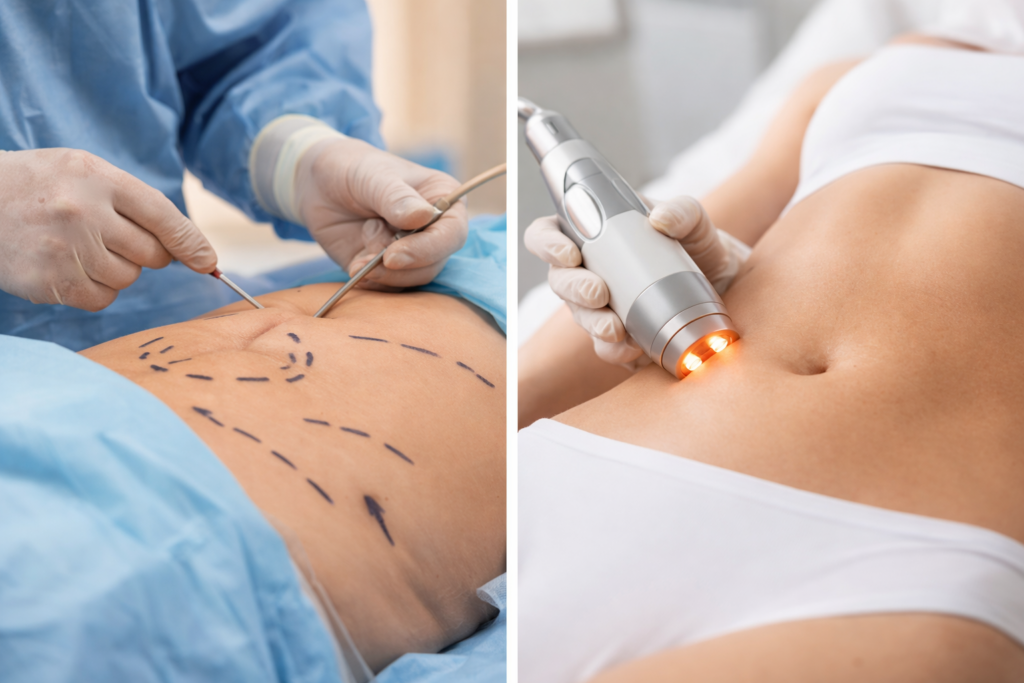
How non-surgical body contouring reshapes stubborn areas over time comes down to a simple principle: the treatment targets selected fat cells, and then the body naturally processes those changes gradually. Because that process unfolds over weeks, patients usually benefit most when they understand from the beginning that contouring is a shaping treatment, not a shortcut around overall wellness.
The most meaningful results often happen when the right technology is matched to the right concern. Some patients are addressing stubborn fat pockets that have not responded to routine efforts. Others are deciding whether skin tightening treatments, nonsurgical body contouring procedures, or even a conversation about surgical options makes more sense for their anatomy.
For patients exploring body shaping in Las Vegas, schedule a consultation with BluePoint Medical Spa to review your goals, treatment area, and the most appropriate next step.