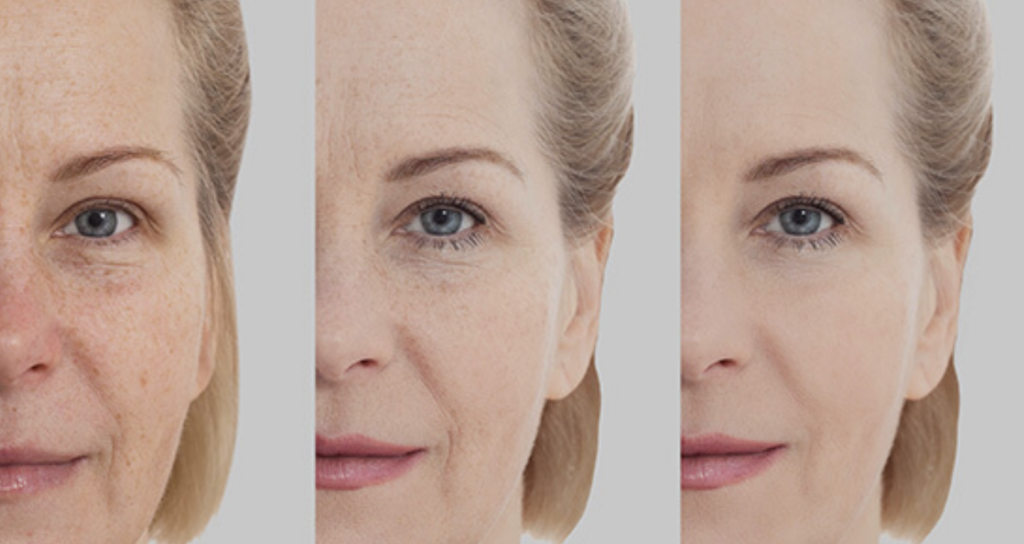
Many patients start exploring skin rejuvenation when they notice subtle changes rather than dramatic aging. The first concerns are often fine lines, dullness, mild discoloration, roughness, or a loss of bounce in the facial skin. These early shifts do not always require surgery, but they often respond best when addressed before changes become more advanced.
This is why the question of what early skin changes can be treated with rejuvenation procedures matters in a medical spa setting. Patients are often not looking for a completely different face. They usually want fresher, healthier-looking skin and a plan that respects comfort, safety, and realistic outcomes.
At BluePoint Medical Spa, that conversation usually begins with whether the concern is related to skin tone, skin texture, pigment, early volume loss, or the first visible signs of aging. Different concerns call for different approaches, and the best results usually come from matching the right treatment to the right early change.
Why Early Skin Changes Appear Sooner
Early skin aging can begin long before deeper wrinkles appear. Repeated sun exposure, genetics, lifestyle habits, and the gradual slowing of collagen production all affect how the skin looks and feels over time.
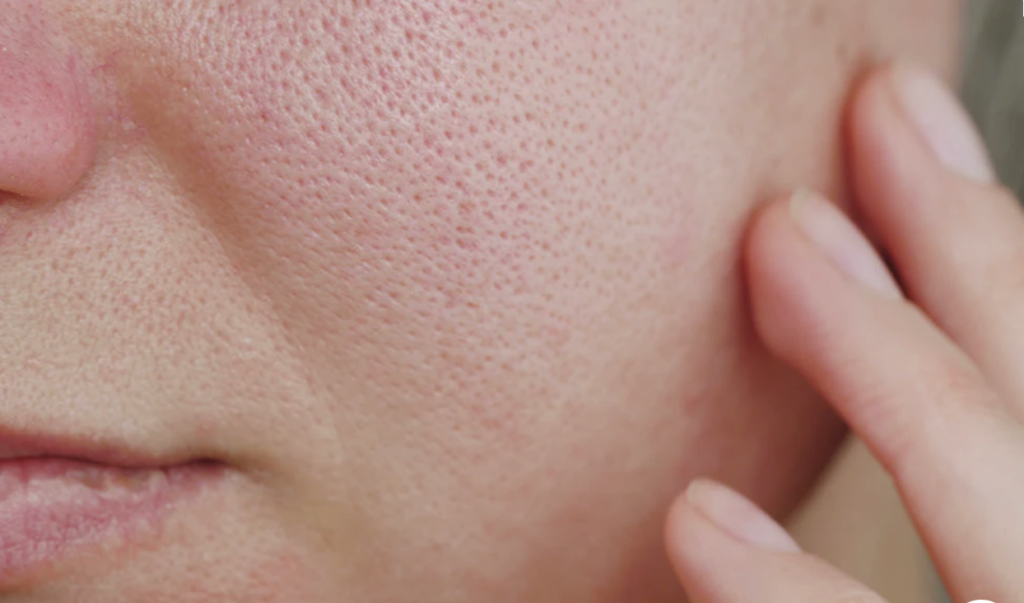
As the skin changes, it may begin to look less even or less smooth. Some patients notice enlarged pores, faint pigment irregularities, or uneven skin texture before they notice anything that looks like major aging.
The reason these changes matter early is that the skin often responds better when treatment starts before laxity, etched wrinkles, or more extensive discoloration become harder to address. Early care is not about chasing perfection. It is about supporting skin health and making informed choices while options are broader.
Treating Fine Lines and Wrinkles Early
Many early fine lines and wrinkles respond well to non-surgical care. Patients often first notice forehead lines, crow’s feet, or faint movement-related lines that are visible during expression and softer at rest. These are often considered dynamic wrinkles because they are linked to facial movement.
When lines start to remain even at rest, they may be moving toward static wrinkles. Addressing them earlier may allow patients to choose less intensive treatment than they might need later.
A Botox treatment, or another form of botulinum toxin, is often used for dynamic lines created by repeated movement in the underlying muscle tissue. This type of treatment is commonly chosen for wrinkle softening rather than volume replacement.
Uneven Skin Tone and Pigmentation
Uneven pigment is one of the most common early concerns in facial rejuvenation. Patients may notice blotchiness, mild age spots, redness, or small areas of discoloration after years of sun exposure.
These changes may not feel severe, but they can make skin look older or more tired than it really is. Even when wrinkles are minimal, pigment differences can affect overall skin appearance.
Light-based procedures such as intense pulsed light and some forms of laser therapy are often used for surface-level discoloration and visible blood vessels, depending on the patient’s skin and treatment goals.
Improving Skin Texture and Pores
Early changes in skin texture are often among the most treatable concerns. Patients may feel that their skin no longer looks smooth or that makeup sits unevenly across the skin’s surface.
This roughness can come from the buildup of dead skin cells, mild photodamage, slowed turnover, or early collagen decline. Even before deep lines appear, texture changes may make the face look less refreshed.
Procedures such as chemical peels, microneedling, and selected laser treatments may help improve skin texture and refine the appearance of pores by encouraging skin repair and collagen remodeling.
Treating Acne Scars Early
For many patients, yes. Mild acne scars may become more noticeable as the skin matures and loses some firmness. Even shallow scarring can affect confidence when light hits the skin unevenly.
Scar treatment usually works best when active acne is controlled first. That is because ongoing inflammation can create new marks while older ones are being treated.
Depending on scar type and skin condition, approaches may include collagen induction therapy, resurfacing, or a combination plan. The goal is usually not flawless skin, but a smoother texture and a more even-looking surface.
When Mild Skin Sagging Requires Treatment
Patients often notice early firmness changes around the jawline, cheeks, or lower face before true loose skin develops. This stage may be described as mild skin laxity rather than major sagging.
At this point, the skin may not need surgery, but it may benefit from treatments that aim to stimulate collagen production or support skin elasticity. These strategies are generally more effective before excess skin becomes a dominant concern.
This is why early skin tightening discussions matter. Patients who wait until laxity is advanced may have fewer minimally invasive options than those who address subtle changes earlier.
How Chemical Peels Support Rejuvenation
Chemical peels are often used for dullness, early discoloration, acne-related marks, and roughness. A chemical solution is applied to remove damaged cells from the outer layers of the skin so fresher skin can emerge during recovery.
These treatments can be useful for fine lines, uneven tone, and certain pigment concerns. They may also support a smoother texture by encouraging turnover at the surface.
Downtime varies by peel depth. That is why peel selection should reflect the patient’s goals, tolerance, and schedule rather than a one-size-fits-all approach.
What Laser Resurfacing Treats in Early Aging
Laser resurfacing is often considered when patients want to address multiple concerns at once, such as fine lines, spots, rough texture, and mild laxity. It works by targeting damaged tissue and stimulating renewal in the treated area.
Some lasers focus more on the surface, while others affect deeper layers to support collagen production. This is one reason laser planning has to be individualized.
Laser resurfacing may improve skin tone, refine texture, and support wrinkle softening, but it also involves recovery considerations that vary depending on intensity.
Ablative vs Non-Ablative Laser Treatments
Ablative lasers remove damaged tissue from the surface and are often more aggressive. They can produce greater visible change, but typically involve more downtime and a higher side-effect profile.
Non-ablative laser treatments work without fully removing the top layer. They are often chosen when patients want a more gradual response with less recovery time.
Some fractional lasers are used to treat portions of the skin while leaving surrounding areas intact, which may support recovery through the body’s natural healing process. This approach is often part of a broader resurfacing strategy.
Treating Early Volume Loss with Fillers
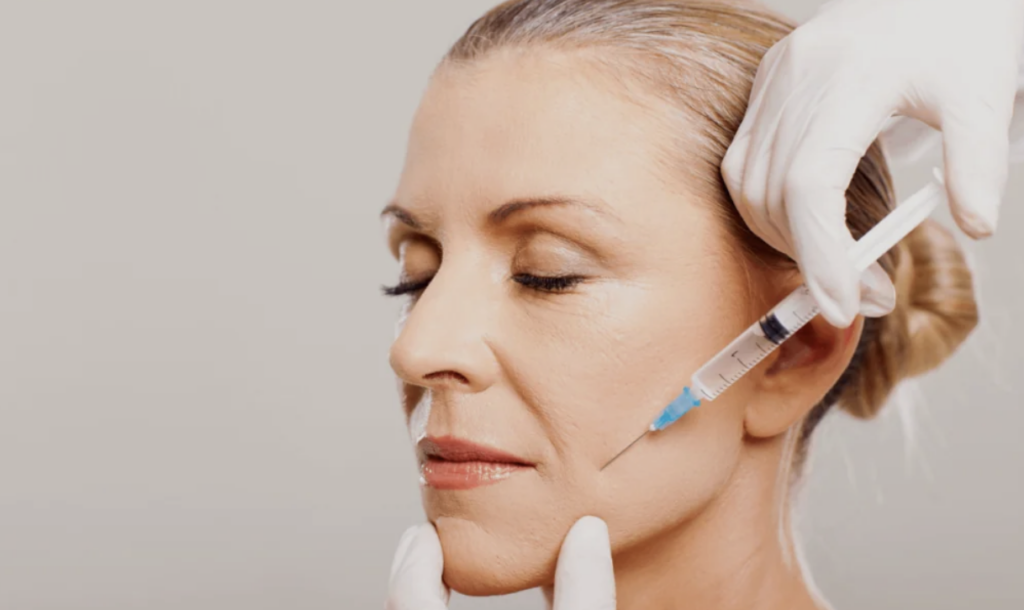
Dermal fillers are often used when early flattening or hollowing affects facial balance. Small shifts in facial volume can make the face look more tired even before deeper wrinkles develop.
Many fillers use hyaluronic acid, which is commonly chosen to restore volume or soften specific lines in selected areas. This is different from wrinkle relaxers, which target movement rather than lost support.
Fillers are not designed for every type of wrinkle. They are usually most useful when structure, contour, or volume loss is part of the concern.
How Collagen Induction Supports Youthful Skin
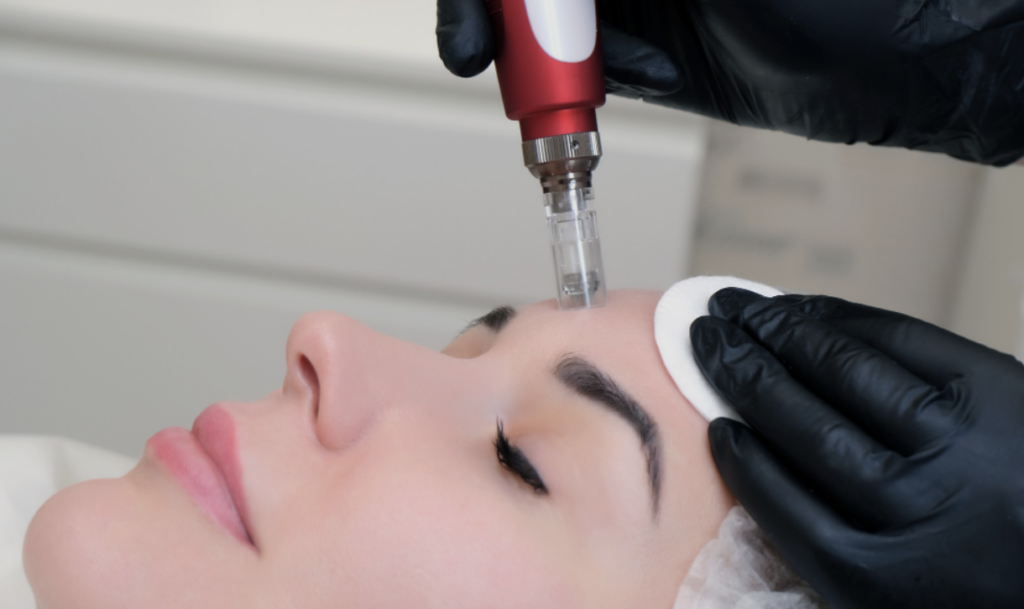
Collagen induction therapy is often discussed for patients with early texture changes, fine lines, and mild acne scarring. Microneedling is one common example and is used to trigger repair signals in the skin.
The purpose is not to force dramatic change overnight. It is to encourage gradual collagen remodeling and support smoother-looking skin over time.
This makes it appealing for patients who want a minimally invasive procedure with relatively minimal downtime, depending on the plan and skin sensitivity.
Vampire Facials and Growth Factors
The vampire facial, commonly associated with platelet-rich plasma and growth factors, receives a great deal of attention online. Some patients report improvements in tone or texture, but evidence remains limited, and expectations should stay realistic.
That makes proper counseling especially important. A treatment’s popularity is not the same as proven superiority.
For patients considering this option, the better question is whether it fits their concern, skin condition, and tolerance for recovery rather than whether it is trending.
Rejuvenation Planning for Darker Skin Tones
Yes, darker skin tones require careful planning because some resurfacing methods carry a higher risk of pigment change if not selected appropriately. This does not mean rejuvenation is off limits. It means technique and device choice matter.
A patient’s history of sensitivity, pigment reactivity, and prior procedures should shape treatment selection. The safest plan is often the one that balances results with lower pigment risk.
This is one reason an experienced skincare professional should evaluate not just the concern, but the skin itself before choosing lasers, peels, or any resurfacing approach.
Why Multiple Treatments May Work Better
Early aging rarely shows up as only one issue. A patient may have fine lines, discoloration, mild laxity, and rough texture all at once. In those cases, multiple treatments may address different layers of the concern more effectively than relying on one tool.
For example, one treatment may focus on motion-related lines, another on pigment, and another on collagen support. That does not mean doing everything at once. It means building a plan in the right sequence.
Combination planning can also help patients pace downtime and budget while still moving toward a more revitalized skin appearance.
How Consistent Skincare Supports Results
A consistent skincare routine often makes rejuvenation procedures more effective and easier to maintain. When the skin is supported at home, procedures tend to fit into a more stable overall plan.
Daily sunscreen, appropriate moisturization, and well-chosen topical care may support healing and protect gains made by in-office treatment. This is especially important after resurfacing or pigment-focused care.
Patients who ignore home care may feel their procedures fade faster. In many cases, the issue is not that treatment failed, but that maintenance was missing.
Benefits and Considerations of Advanced Treatments
The main benefit of early intervention is that many concerns can be treated before they become more pronounced. Patients may be able to reduce fine lines, support firmness, and improve skin tone with less aggressive care than later-stage aging might require.
There are also real considerations. Sensitive skin, recovery time, pigment risk, treatment intensity, and budget all matter. Even procedures with minimal downtime still require thoughtful planning.
The best approach is usually not the newest option or the strongest option. It is the one that fits the patient’s skin, goals, and safety profile.
FAQ
What early skin changes are easiest to treat with rejuvenation procedures?
Early concerns like mild fine lines, uneven pigment, rough texture, and small shifts in firmness are often more responsive than advanced laxity or deeper etched wrinkles. Treatment choice depends on skin type, tone, and the specific issue being evaluated.
Are chemical peels or laser treatments better for early skin aging?
Neither is automatically better for everyone. Chemical peels are often used for surface texture and discoloration, while laser treatments may address broader concerns, including pigment, texture, and some firmness changes.
Can rejuvenation procedures treat acne scars and enlarged pores?
In many cases, yes. Acne scar care may involve microneedling, resurfacing, or a combination approach, and some of those same treatments may also improve the appearance of enlarged pores.
Conclusion
Early changes, such as fine lines and wrinkles, mild discoloration, rough texture, early skin laxity, and small shifts in facial volume, can often be treated with modern skin rejuvenation treatments. The key is understanding what type of change is actually present and choosing a treatment that matches it.
Patients usually do best when they think of rejuvenation as a process, not a single event. Treatments such as peels, lasers, wrinkle relaxers, fillers, and collagen-based options each have a different role in supporting healthier-looking, more youthful skin.
When the goal is to address early changes before they become more advanced, timing and planning matter. Schedule a consultation with BluePoint Medical Spa to review your concerns, discuss appropriate rejuvenation options, and create a treatment plan that aligns with your skin type, comfort level, and long-term priorities.