

Trying to lose weight can feel especially discouraging when your efforts lead to overall change, but certain spots seem unchanged. Many patients notice that the belly, lower abdomen, inner thighs, hips, or upper arms hold on longer than other parts of the body, even when they are following a diet and exercise routine consistently. That experience is common, and it is one of the most common questions in aesthetic wellness.
The reason is that some body areas are more resistant to fat loss, not just about effort. Genetics, hormones, baseline muscle mass, and natural fat distribution all influence where the body stores fat, where it tends to store fat first, and where it is slower to release fat. In other words, the body decides fat loss patterns according to biology, not motivation alone.
Why Stubborn Fat Stays in Certain Areas
Stubborn fat often reflects long-standing fat storage patterns rather than poor discipline. Some regions simply contain more fat cells, while others are more likely to act as long-term fat stores. That helps explain why abdominal fat, lower belly, and the thighs can feel more resistant even when overall weight loss is happening.
This is also why not all fat cells behave the same way. Some deposits are more responsive to calorie deficit and activity, while resistant fat tends to remain longer in predictable problem areas. Patients often interpret that as failure, but in reality, it reflects normal human variation in fat distribution and body shape.
The Limits of Diet and Exercise for Targeted Fat Loss
One of the most important expectations to set is that spot reduction is limited. You can strengthen the abdominal muscles, build the legs, or train the arms, but exercise does not let you choose exactly where the body will burn fat first. Overall fat loss usually happens systemically, even when frustration is concentrated in one zone.
That does not make exercise routines useless. Regular exercise, a thoughtful diet, and consistent sleep still support losing fat goals, improve body composition, and help preserve muscle mass while the body shrinkage process happens more gradually. But patients usually do better when they separate fitness progress from the expectation that crunches alone will flatten the abdomen or that arm work alone will slim the upper arms.

Genetics and Hormones as Drivers of Fat Distribution
For many people, fat distribution is largely determined by inherited traits. Genetics influence where the body tends to carry fullness, whether a person stores more around the waist or the lower body, and how easily certain regions respond when they try to lose weight. That is one reason two people following similar plans may see very different patterns of change.
Hormone levels matter too. Changes in hormones can affect appetite, energy use, and regional fat storage. In the female body, estrogen-related patterns help explain why women tend to carry more fat in the hips, buttocks, and thighs, while stress-related cortisol shifts may contribute to more belly fat in some patients. Conditions that affect metabolism, including thyroid disease, can also influence weight changes and how difficult it feels to make progress.
Resistant Fat in the Hips, Thighs, and Lower Abdomen
Many women feel that fat in the hips, inner thighs, and lower abdomen lingers despite their best efforts. That pattern is not imagined. Sex-specific body composition and hormone signaling contribute to regional storage, which is why the female body often protects fat differently than male patterns do.
In fitness discussions, these areas are sometimes linked to alpha 2 receptors, which are thought to make some regions slower to mobilize stored fat. Even without focusing too narrowly on one mechanism, the broader clinical point remains the same: some specific areas are biologically more resistant, and that is why patients may reach a goal weight yet still feel unhappy with selected contours.
When Lifestyle Changes Stop Being Enough for Targeted Areas
A solid foundation still matters. Healthy habits, a healthy lifestyle, protein intake, regular movement, and avoiding cycles of gaining weight remain the first step for almost every patient. These habits support metabolic health and reduce total fat, even if certain areas change more slowly than expected.
But some patients reach a plateau where lifestyle alone does not reshape the contours that bother them most. In that setting, it may make sense to discuss fat reduction treatments for targeted areas, especially if overall health is stable and expectations are grounded. That conversation is about contouring, not replacing nutrition or pretending every patient needs intervention.
Options for Stubborn Fat That Does Not Respond
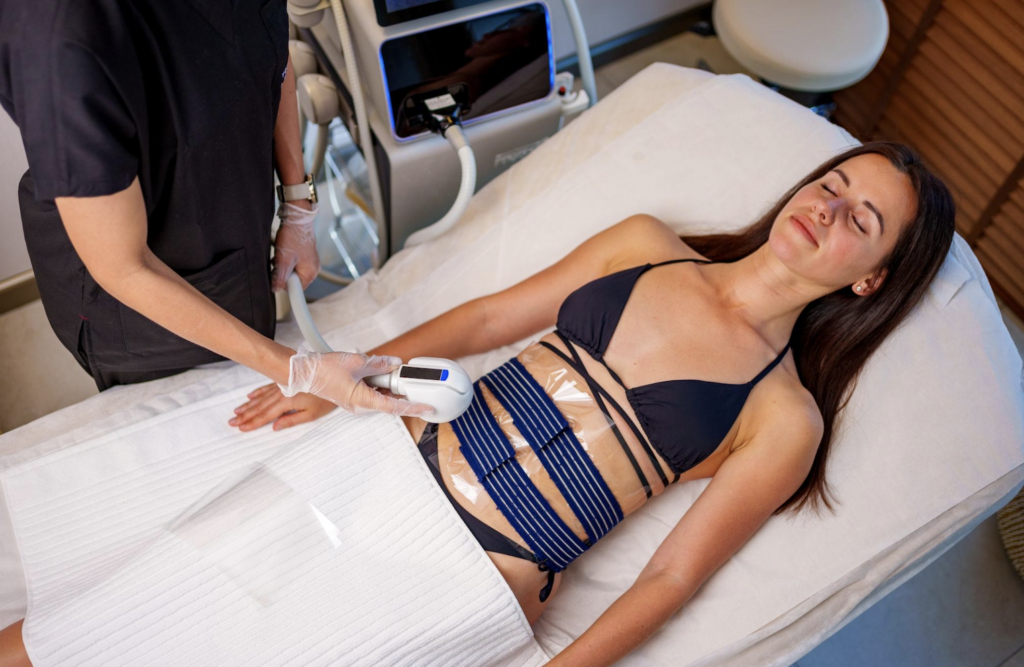
For selected patients, advanced treatments may be used to address localized fullness that has not changed with routine care. Nonsurgical options may be appropriate for visible contour concerns in the abdomen, flanks, arms, or thighs, particularly when patients are near a stable weight and want refinement rather than major weight loss. Multiple visits are sometimes needed, so multiple sessions may be part of a realistic treatment plan.
There are also surgical options for patients whose goals or anatomy go beyond what noninvasive care is designed to address. Surgical fat removal, a tummy tuck, or another surgical procedure may be discussed when excess tissue or significant loose skin is part of the concern. Those decisions are highly individual and should be framed around anatomy, downtime, and safety rather than marketing language.
FAQ
Why do I lose weight everywhere except my belly?
The body does not choose fat loss evenly. Genetics, hormones, and fat distribution patterns can make the belly slower to change than other areas.
Can exercise burn fat from my thighs or arms only?
Not reliably. Exercise strengthens those areas, but spot reduction is limited, so total body fat tends to decrease more broadly.
Are stubborn fat areas a sign that I am doing something wrong?
Usually not. Many patients have problem areas that are more biologically resistant, even when they are eating well and staying active.
When should I ask about fat reduction treatments?
It is reasonable to ask when you are already practicing healthy routines, are close to a stable weight, and still bothered by localized fullness in targeted areas.
Conclusion
At BluePoint Medical Spa, the most useful starting point is understanding whether the concern is about overall fat loss, persistent fullness in specific areas, or changes in skin tone and body shape after prior weight loss. Patients who know the difference between health-driven weight management and aesthetic contouring are usually better prepared to choose the right treatment.
That also helps patients set expectations that are fair to the process. Most patients do best when they understand that treatment works alongside lifestyle, not instead of it. If you are near your target range, bothered by localized resistant fat, and want guidance on whether contouring is appropriate, schedule a consultation with BluePoint Medical Spa to review your goals and next steps.