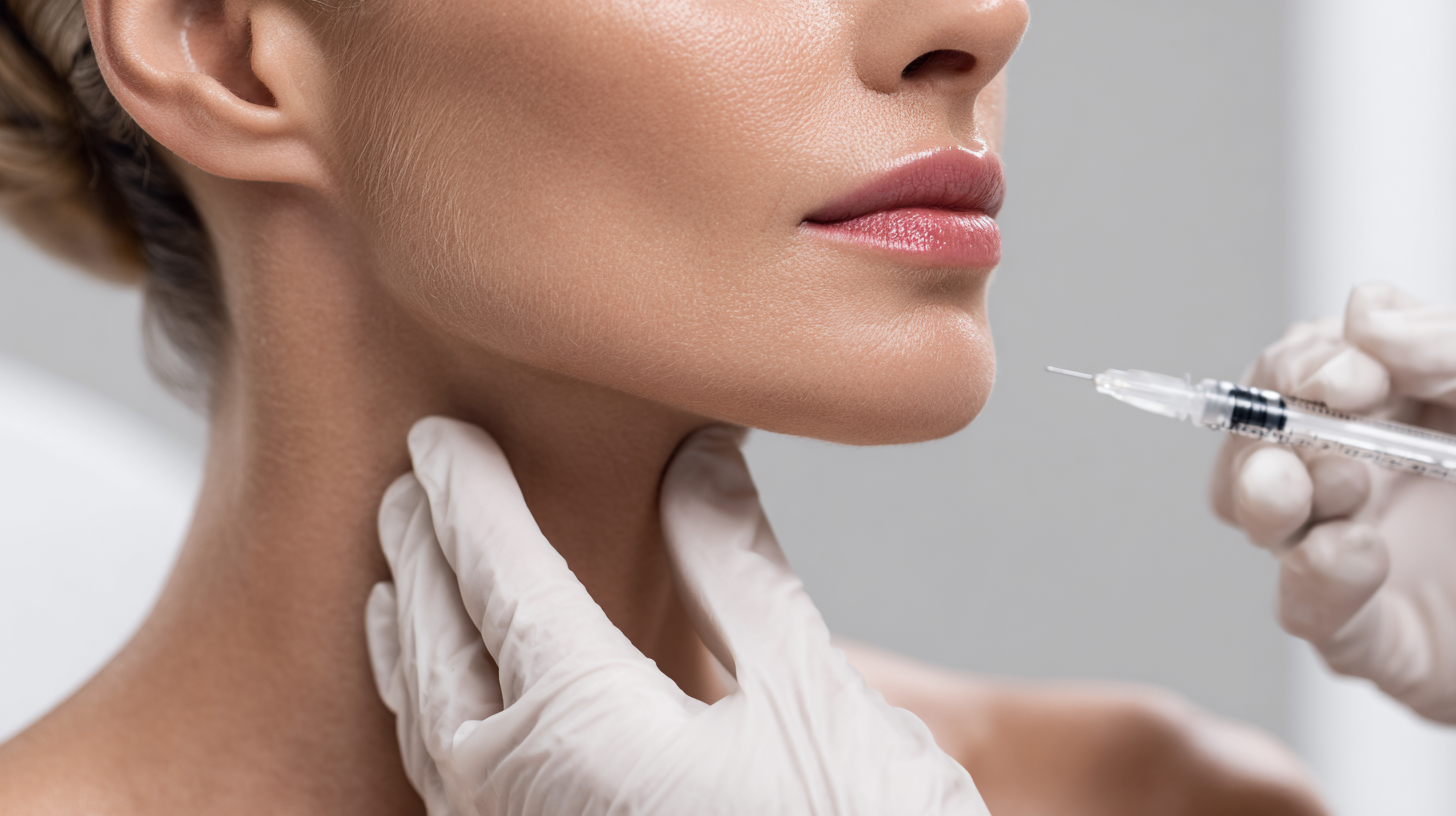

Facial treatments are evolving toward preventive skin care approaches because patients are noticing earlier, more gradual changes in skin health, tone, and texture. Instead of waiting until deeper signs of aging become more difficult to address, many patients now want thoughtful care that supports long-term skin quality. This does not mean chasing perfection or trying to stop the natural aging process. It means understanding how professional guidance may help patients care for their skin in a more consistent and informed way.
At BluePoint Medical Spa, preventive care is approached as elective, personalized, and guided by realistic goals. Patients often ask how to preserve youthful skin, improve skin texture, and maintain a refreshed appearance without looking overtreated. Professional treatments may support these goals when they are selected carefully and overseen by licensed providers. Safety, consultation, and individualized planning remain essential because results vary and not every option is appropriate for every patient.
Early Texture Changes Can Shape Preventive Skin Care Goals
Changes in skin quality often begin with dullness, uneven skin tone, roughness, or early fine lines. These concerns may appear before more visible aging skin changes, such as sagging skin, deeper folds, or more noticeable volume loss. Sun exposure is one common contributor to premature skin aging, and dermatology guidance emphasizes daily sun protection as part of prevention.
Patients may also notice that makeup applies differently or that glowing skin feels harder to maintain with home care alone. These concerns do not always require aggressive intervention, but they may be a reason to discuss a professional plan. Preventive care works best when it respects the patient’s natural features and avoids unnecessary treatment. The goal is often gradual support, not a dramatic transformation.
Uneven Texture Often Reflects More Than Surface Dryness
Uneven skin texture may be influenced by dryness, oil imbalance, past breakouts, acne scars, sun exposure, and slowed renewal, which sometimes require structured support such as an acne bootcamp for clear, healthy skin. Professional evaluation matters because the same concern can have different causes in different patients. A licensed provider may recommend topical care, resurfacing, or a staged approach depending on skin sensitivity and goals. This helps patients avoid choosing treatments based only on trends.
Fine Lines May Appear before Deep Wrinkles
Early fine wrinkles, forehead wrinkles, and crow’s feet often become more noticeable with repeated facial expressions. These lines may be dynamic at first, meaning they appear with movement before becoming more visible at rest. Preventive planning may focus on skin support, hydration, sun protection, and carefully selected aesthetic treatments. The goal is to preserve expression while supporting a refreshed look.
Preventative Aesthetics Focus on Maintenance, Not Perfection
Preventive aesthetics is a mindset that looks at skin care as an ongoing process rather than a one-time correction. This approach may appeal to younger patients who want to delay aging signs, but it can also benefit adults at many stages of life. Preventive care does not promise to stop aging or replace healthy habits, and ongoing education—such as following a medical spa skincare and wellness blog—can support more informed choices over time. It supports better decisions about timing, treatment intensity, and maintenance.
A preventative mindset may include home care, sunscreen, seasonal facials and chemical peels, and periodic reassessment. It may also help patients understand when professional care is appropriate and when observation is enough. This is important because overtreatment can affect balance, expression, and natural appearance. Thoughtful planning protects the patient’s features as much as it supports visible improvement.
Prevention Does Not Mean Starting Everything Early
Preventive care should not pressure patients into unnecessary procedures. Some people may benefit from medical-grade skincare that supports long-term skin health, while others may consider light resurfacing, hydration-focused care, or collagen-supportive treatments. A consultation helps identify whether an option fits the patient’s skin type, lifestyle, and expectations. The right plan may be conservative, especially when skin concerns are mild.
Realistic Expectations Protect Natural Beauty
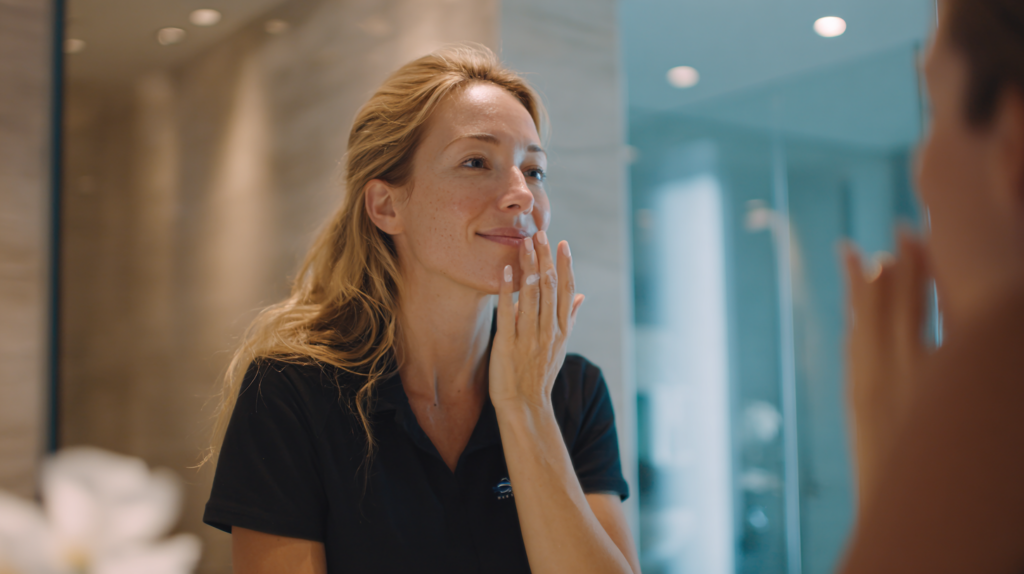
Realistic expectations are central to safe aesthetic planning. Patients may experience improved texture, smoother-looking skin, or a more refreshed appearance, but outcomes depend on age, skin condition, treatment choice, aftercare, and biology. This is why consultation and informed consent matter. A good plan should support natural beauty, not replace it.
Collagen Support Is Central to Modern Facial Rejuvenation
Facial rejuvenation often focuses on supporting collagen and elastin production, two processes associated with firmness and elasticity. Collagen is a structural protein that helps skin look supported, while elastin contributes to flexibility. As the skin changes over time, patients may notice laxity, crepiness, or loss of bounce. Treatments that focus on collagen stimulation may be considered when appropriate.
Professional options may include resurfacing, microneedling, and energy-based services designed to stimulate collagen restoration gradually. Some treatments create controlled micro-injuries, meaning they produce a measured skin response under professional guidance. This concept should be discussed carefully because it is not suitable for every skin type or condition. The provider’s skill and patient selection are important for both safety and outcome.
Stimulating Collagen Production Takes Time
Stimulating collagen production is usually gradual, not immediate. Patients may need a series of sessions or a longer timeline to see visible changes, depending on the treatment and their skin response. This is one reason providers discuss maintenance instead of promising a single-session result. Patience often supports better decision-making.
Skin Regeneration Should Be Discussed Carefully
Skin regeneration is often used in aesthetic language, but it should be understood in a realistic way. In med spa care, it generally refers to supporting renewal processes, smoother texture, and healthier-looking skin—not curing disease or reversing aging. Some regenerative treatments may involve platelet-rich fibrin, growth factors, or treatments using a patient’s own blood. These options require careful screening, clear expectations, and licensed provider oversight.
Treatment Options Should Match Skin Type and Facial Structure
Modern facial aesthetics considers the whole face, not just one wrinkle or one area. A provider may evaluate facial structure, facial contours, symmetry, skin thickness, and where support has changed over time. This helps avoid isolated treatment that looks disconnected from the rest of the face. It also supports natural results and natural-looking results.
Aesthetic planning may include chemical peels such as The Perfect Derma Peel, laser treatments, dermal fillers, skin care, or conservative injectable strategies. The American Academy of Dermatology notes that chemical peel outcomes depend significantly on the skill of the person performing the peel, which supports the need for qualified care. Professional guidance is especially important for patients with sensitive skin, pigment concerns, prior reactions, or complex medical histories.
Chemical Peels May Support Brighter Skin Tone
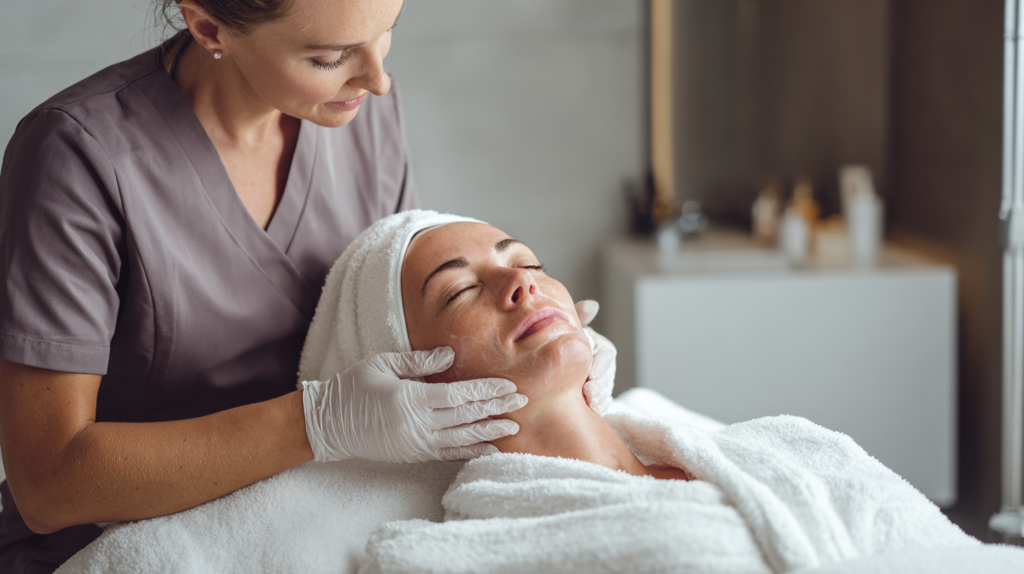
Chemical peels are commonly used for dullness, uneven tone, rough texture, and some superficial discoloration concerns. They vary in depth, strength, and recovery time, so the right peel depends on the patient’s skin type and goals. A lighter peel may involve minimal downtime, while deeper options may require more planning. Risks can include irritation, pigment changes, or prolonged sensitivity.
Laser Treatments May Address Texture and Visible Aging
Laser treatments and advanced laser options may be considered for tone, texture, sun-related changes, and some signs of visible aging. These treatments should be selected carefully because energy settings, skin tone, and aftercare all affect safety. Patients should ask about downtime, sun avoidance, pigment risk, and expected recovery. Licensed provider oversight is important for reducing avoidable complications.
Volume Changes Require a Conservative Facial Balancing Plan
As the face changes, patients may notice flatter cheeks, under-eye hollows, or changes in facial volume, concerns that can often be evaluated through advanced facial treatments at Blue Point Medical Spa. Dermal fillers may be commonly used for softening certain folds, supporting contour, or helping restore volume, depending on anatomy and goals. Some fillers contain hyaluronic acid, a substance used in many aesthetic products because it attracts water and adds temporary volume. Risks exist, including bruising, swelling, lumps, infection, and rare vascular complications.
A conservative plan may include facial balancing with guidance from a medical spa team of aesthetic experts rather than treating one feature in isolation. Patients may ask about traditional fillers, biostimulatory options, or even surgical procedures such as fat transfer when appropriate for their goals. Not every option belongs in a med spa setting, and some concerns may require referral to another specialist. The safest conversation includes anatomy, limits, alternatives, and emergency protocols.
Subtle Enhancement Should Respect Natural Features
Subtle enhancement should preserve movement, proportion, and identity. Patients often want to look rested or balanced, not noticeably changed. This requires careful dosing, precise placement, and a willingness to say no when treatment is not appropriate. A natural plan may involve fewer products than the patient expected.
Facial Contours Can Change with Age and Lifestyle
Facial contours can shift because of aging, weight changes, sun exposure, and genetics. These changes may contribute to shadows, laxity, or less definition along the cheeks and jawline. A consultation can clarify whether skin quality, volume, muscle movement, or bone structure is driving the concern. That distinction helps avoid the wrong treatment for the right complaint.
Preventive Skin Care and Corrective Treatments Often Overlap
Corrective treatments may still have a place when patients already have deeper lines, texture concerns, or visible volume changes. Preventive care does not replace correction, and correction does not eliminate the need for maintenance. The two approaches often work best when they are planned together. This helps patients avoid both undertreatment and overcorrection.
For example, a patient concerned about deep lines may need a different plan than someone hoping to reduce fine lines before they become more noticeable. Another patient may benefit more from improving skin quality than adding volume. These decisions depend on skin condition, anatomy, budget, downtime tolerance, and medical history. Treatment plans should stay flexible as the skin responds.
Anti-Aging Language Should Stay Realistic
Anti-aging care should not suggest that aging can be stopped. A more responsible approach focuses on supporting healthy-looking skin, preserving balance, and making informed choices. Patients should be cautious with claims involving stem cells or other advanced-sounding terms unless the provider explains what is being used and why. Clear education helps separate evidence-informed care from marketing language.
Patient Expectations Should Guide Every Procedure
Patient expectations should be discussed before any aesthetic procedures begin. A provider may ask what bothers the patient, what outcome would feel comfortable, and what changes would feel too noticeable. This conversation supports informed consent and more personalized care. It also helps patients understand that aesthetic medicine is elective and results vary.
Healthy Skin Depends on Daily Care and Professional Guidance
Professional treatments such as personalized facials work best when paired with consistent home care. Healthy skin depends on cleansing, hydration, sun protection, sleep, nutrition, and avoidance of unnecessary irritation. Patients seeking radiant skin or maintaining youthful skin goals often benefit from a routine that supports the skin barrier. Daily habits may influence how long results appear to last.
At-home products can be helpful, but they are not always enough for scars, deeper texture, or significant sun damage, which may respond better to facial treatments for long-term skin texture. Professional guidance may help patients choose ingredients that fit their skin rather than layering too many products. This is especially important after resurfacing or collagen-focused treatments, when the skin may be more sensitive. Better routines can support comfort, recovery, and maintenance.

FAQ
Are preventive aesthetic treatments only for younger patients?
No, preventive care can support adults at many stages because it focuses on maintenance, education, and realistic planning. Younger patients may want to delay visible aging, while older patients may want to preserve results from corrective treatments. The plan should always be individualized.
Can facial treatments make my skin look natural?
Facial treatments may support a natural-looking result when they are conservative, well planned, and matched to the patient’s features. Natural outcomes depend on provider skill, treatment choice, dosing, timing, and expectations. A consultation should include a discussion of what changes would look balanced for your face.
What should I ask before choosing a treatment plan?
Ask who will perform or oversee the treatment, what risks apply to your skin type, how much downtime to expect, and what results are realistic. You should also ask whether the treatment fits your long-term goals or if a simpler option is appropriate. Clear answers help you make a more informed decision.
Conclusion
Preventive facial care is becoming more thoughtful because patients want long-term skin support without losing their natural features. Modern options may support tone, texture, firmness, and balance, but they should be selected with care. No treatment works the same way for everyone, and no cosmetic service should be framed as medically necessary. A licensed consultation helps patients understand what is appropriate for their goals, skin type, and medical history.
Individual results vary, and aesthetic treatments may involve risks, contraindications, downtime, or the need for maintenance. Patients should review options, alternatives, costs, financing or payment plans, and aftercare before deciding. Contact BluePoint Medical Spa to schedule a free consultation with a licensed provider and discuss whether an elective aesthetic treatment plan is appropriate for your goals, skin type, and medical history. A clear conversation is often the best starting point for confident, realistic care.