
Healthy-looking skin is often described as smooth, calm, and radiant, but those visible qualities usually depend on what is happening at the surface. A strong, healthy skin barrier helps the skin hold water, tolerate products, and respond more predictably to daily care. When the barrier is under stress, even a carefully chosen skin care routine may start to feel uncomfortable or ineffective.
For many aesthetic patients, the concern is not only dryness or dullness. The skin may sting after applying products, makeup may sit unevenly, or the face may feel tight after cleansing. These concerns are common reasons people seek professional guidance before adding stronger ingredients or elective med spa treatments.
At BluePoint Medical Spa in Las Vegas, hydration and barrier repair are viewed as part of thoughtful skin planning rather than quick cosmetic fixes. A licensed provider can evaluate skin type, product tolerance, environmental exposure, and aesthetic goals before recommending next steps. This approach supports realistic expectations and helps patients avoid overdoing treatments that may worsen sensitivity.
Dryness and Sensitivity Often Signal a Compromised Moisture Barrier
A compromised skin barrier may show up as dry skin, redness, rough texture, burning, stinging, or increased sensitivity. Cleveland Clinic notes that signs of barrier damage may include dryness, flaking, irritation, itchiness, rough patches, and stinging with products. These symptoms do not always mean something serious is happening, but they do suggest the skin may need gentler support.
The moisture barrier acts like a surface shield between your body and the outside world. When this protective layer is working well, it helps limit moisture loss, supports comfort, and protects against some environmental aggressors. When the barrier is compromised, the skin may become more reactive to products, weather, cleansing, and exfoliation.
This is why patients with sensitive skin often benefit from simplifying their routine before adding more active products. Using too many exfoliating acids, retinoids, fragrances, or harsh exfoliants may make already irritated skin feel worse. Professional guidance may help identify whether the concern is dryness, product irritation, sun exposure, or another skin issue that needs medical evaluation.
The Skin Barrier Works Like a Carefully Built Brick Wall
The stratum corneum is the outermost layer of the skin and is often compared to a brick wall. In this comparison, skin cells act like bricks, while lipids such as fatty acids, cholesterol, and ceramides help fill the spaces between them. This structure supports the skin’s ability to retain water and tolerate normal exposure.
A balanced barrier also includes the acid mantle, a slightly acidic surface environment that helps support normal skin function. The skin’s pH may be affected by harsh cleansing, overuse of actives, and certain products that strip natural oils. When the surface becomes disrupted, the skin may feel tight, rough, or unusually reactive.
Because the skin is the body’s largest organ, barrier care is not just a cosmetic idea. It is part of responsible skin maintenance, especially for patients considering facials, peels, lasers, or other elective services, and following pre- and post-care guidance for laser and facial treatments. A calmer barrier may support better comfort before and after professional treatments, depending on individual factors.
Proper Hydration Supports Skin Comfort and Resilience
Proper hydration helps the skin feel more flexible, comfortable, and smooth. Hydrating ingredients such as hyaluronic acid are commonly used because they attract and hold water in the skin’s surface layers. This does not mean they work the same way for everyone, but they may support moisture retention when paired with the right moisturizer.
As skin changes with age, weather, sun exposure, and routine habits, skin naturally loses water more easily. Dry air, frequent washing, and harsh cleansers may contribute to tightness or flaking. Patients often notice that their skin feels less comfortable even when they are using several skincare products.
Hydration works best when it is paired with barrier-supportive ingredients that help seal in water. Without that support, water-attracting ingredients may not be enough to maintain hydration for long periods. This is why a thoughtful routine usually considers both water-binding ingredients and lipid-rich moisturizers, sometimes supported with medical-grade SkinMedica skincare products.
Barrier Repair Helps Reduce Irritation Triggers Over Time
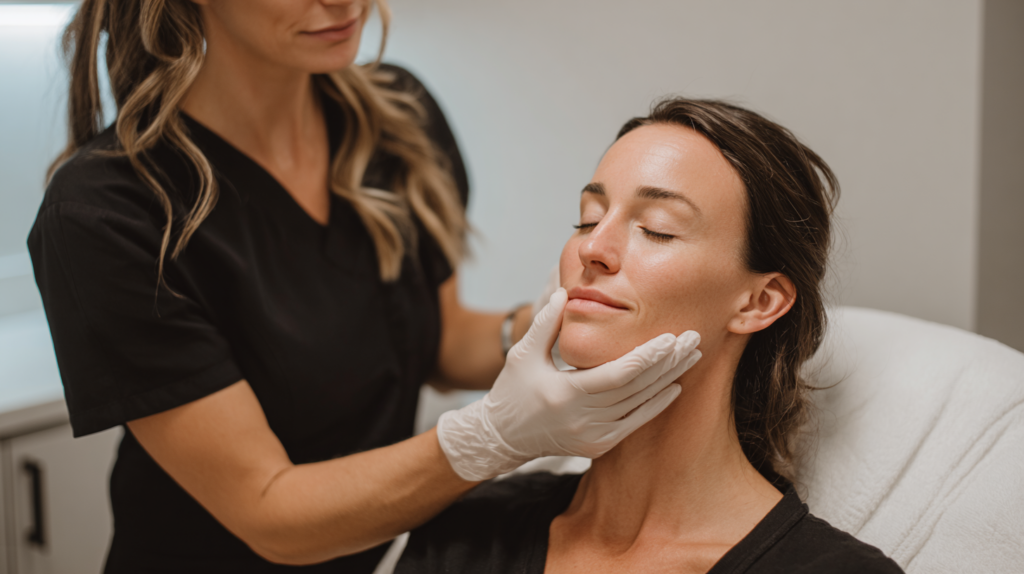
A damaged skin barrier may allow irritants to affect the skin more easily, which can lead to stinging, burning, or rough patches. Barrier-focused care is commonly used for people with compromised skin, especially when they report dryness, tightness, or product intolerance, and to prevent wrong skincare from compromising spa treatment results. The goal is not to force results but to create a calmer foundation.
Ingredients such as shea butter, ceramides, amino acids, and selected occlusives may help support the surface barrier. Some formulas include mineral oil or petroleum-like ingredients to reduce water loss, while others use lighter textures for oily or acne-prone skin. The right choice depends on the person’s skin type, tolerance, and goals.
Patients with inflammatory skin conditions such as atopic dermatitis should be especially cautious about self-treating irritation with strong cosmetic products. A med spa consultation may identify when aesthetic guidance is appropriate and when referral to a medical dermatology provider is better. This distinction protects patients from using elective cosmetic care as a substitute for medical diagnosis.
Environmental Stressors Can Weaken Healthy Skin
Daily exposure to environmental stressors may affect skin health over time. Las Vegas patients often deal with dry climate, sun exposure, indoor air conditioning, and seasonal changes that can challenge hydration, and people with deeper complexions may also face unique concerns, such as hyperpigmentation, that benefit from tailored skincare for darker skin tones. These factors may contribute to dryness, dullness, or a less even-looking surface.
Sun damage, UV damage, and exposure to UVB rays can also influence visible aging and overall skin quality. Mineral sunscreen ingredients such as zinc oxide and titanium dioxide are commonly recommended by dermatologists for sensitive skin, according to the American Academy of Dermatology. Sun protection is especially important when patients use exfoliating products or consider professional treatments.
Environmental exposure does not mean the skin needs aggressive correction. In many cases, consistent protection, hydration, and gentler product choices may support more comfortable skin. This is especially important for patients concerned about premature aging, dullness, or uneven texture.
Over-Exfoliating Can Make Skin Problems Worse
Over-exfoliating is one of the most common reasons a routine stops feeling helpful. When patients combine scrubs, acids, retinoids, vitamin serums, and peels without guidance, the barrier may become stressed. The result can be redness, dryness, flaking, and a cycle of adding more products to fix the problem, which is a frequent topic in our expert skincare tips and treatment blog.
Active ingredients may be useful, but they need to match the skin’s tolerance. Vitamin C, retinoids, and exfoliating acids may support certain aesthetic goals, yet they may also irritate when used too often or in high concentrations. Some ingredients, including propylene glycol, may be well tolerated by many people but irritating for others.
A professional consultation can help patients decide which products to pause, continue, or reintroduce. This process may reduce unnecessary irritation and support better consistency. It also helps patients avoid assuming that stronger products automatically create beautiful skin.

Professional Skin Planning Connects Home Care and Elective Treatments
A good professional plan considers what the patient is doing at home before recommending elective services. Hydrating facials, gentle exfoliation, calming treatments, or barrier-supportive products may be discussed depending on the patient’s goals, including our range of personalized medical-grade facial treatments. These options are elective and should be chosen based on comfort, skin condition, and informed preference.
For patients interested in glowing skin, the safest path is often gradual. A provider may recommend strengthening the barrier before stronger treatments, especially if the skin is dry, reactive, or recently irritated, and then layering in luxury medical spa skin treatments as appropriate. This can support a more comfortable experience, though results vary.
Professional guidance is also helpful because not every product concern is cosmetic. Persistent redness, scaling, pain, infection, or worsening irritation may require medical evaluation. A licensed provider can help determine whether a med spa service is appropriate or whether another type of care is needed.
Hydrating Ingredients Should Match Your Skin Type
Hydrating ingredients are not one-size-fits-all. Some patients do well with lightweight serums, while others need richer creams that support the lipid barrier, sometimes combined with targeted skin and body treatment services. People with excess oil may still experience dehydration, which means the skin lacks water even if it produces oil.
For dry or sensitive skin, a gentle cleanser, moisturizer, and sunscreen may be more useful than a crowded routine. The American Academy of Dermatology recommends choosing moisturizers based on skin type and notes that different textures may suit different needs. This helps patients avoid guessing based only on trends.
The goal is to keep your skin comfortable, consistent, and protected. A routine that supports hydration, barrier strength, and sun protection may create a better foundation for elective aesthetic care and complements the skin, body, and wellness approach at Blue Point Medical Spa. It may also reduce the temptation to chase quick changes with harsh products.
Thoughtful Barrier Care May Support Smoother-Looking Skin
A strong barrier may support smoother-looking skin, better product tolerance, and a more even appearance. This does not mean barrier care changes everyone’s skin in the same way. Individual factors such as age, genetics, climate, medication use, skin condition, and product history all matter.
Barrier care may also support the skin before and after certain elective med spa treatments. Depending on the service, a provider may recommend pausing exfoliants, simplifying products, or focusing on moisturizer and sunscreen. These steps are part of safety-conscious planning, not a guarantee of outcome.
The most effective skin plans are usually realistic and consistent. Instead of adding products quickly, patients may benefit from understanding what their skin is telling them. Calm, hydrated, protected skin is often a better starting point for aesthetic goals.
Choosing Professional Guidance Helps Protect Your Skin
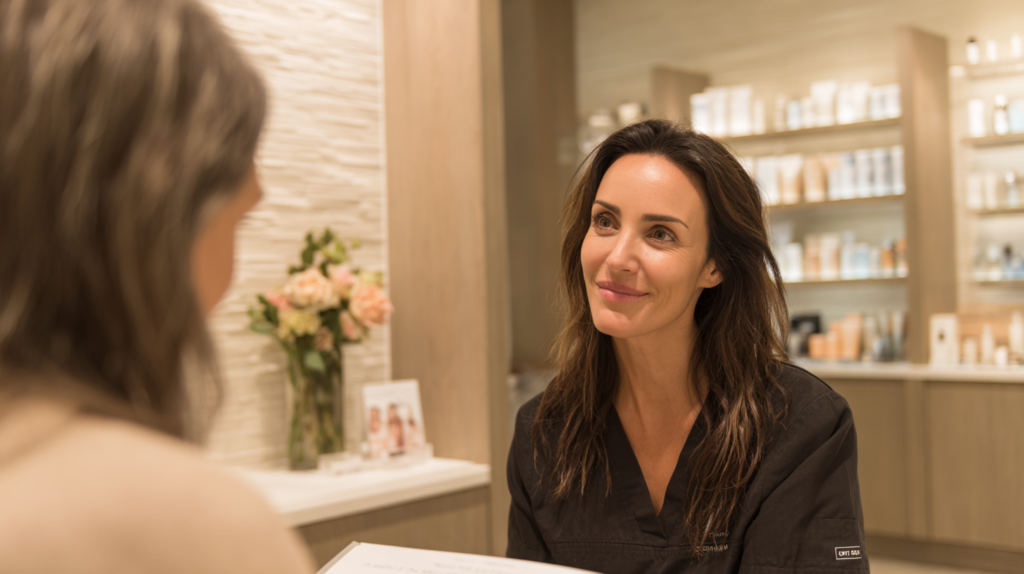
Professional guidance may be useful when irritation keeps returning, products sting, or dryness does not improve with basic care. A licensed provider, such as Medical Director Dr. Danka K. Michaels, can review current products, skin history, treatment goals, and possible adverse effects. This helps create a plan that is more personalized than general online advice.
Patients should ask about expected downtime, product adjustments, contraindications, and how to prepare for treatment. They should also disclose medications, skin conditions, recent procedures, allergies, and sensitivity history, and may want to discuss available med spa payment plans and financing options. These details may affect whether a service is appropriate.
At BluePoint Medical Spa, elective aesthetic care is approached with education and realistic planning. Services are not medically necessary, and they should be selected only after a thoughtful free consultation appointment. The goal is to support informed choices that respect skin health, comfort, and personal goals.
FAQ
How do I know if my skin barrier is compromised?
A compromised barrier may cause dryness, stinging, redness, flaking, rough texture, or increased sensitivity when applying products. These signs can also overlap with medical skin conditions, so persistent or worsening symptoms should be evaluated by a licensed provider.
Can hyaluronic acid repair my skin barrier by itself?
Hyaluronic acid may support hydration by attracting water to the skin’s surface layers. However, it works best when paired with moisturizers that help reduce water loss and support barrier function.
Should I stop exfoliating if my skin feels irritated?
It may be wise to pause harsh scrubs, exfoliating acids, or strong actives if your skin feels irritated, tight, or unusually sensitive. A licensed provider can help you decide when and how to reintroduce products safely.
Are barrier repair treatments medically necessary?
Barrier-focused aesthetic services are generally elective and based on personal skin goals. If symptoms suggest a medical skin condition, a provider may recommend medical evaluation rather than a cosmetic treatment.
What should I ask during a skin consultation?
Ask about your skin type, current product routine, possible triggers, treatment risks, expected downtime, and aftercare. You should also ask whether your skin needs calming support before considering stronger aesthetic treatments.
Conclusion
Hydration and barrier support are foundational because they affect how the skin looks, feels, and responds to products. A healthy routine often focuses on gentle cleansing, moisture retention, sun protection, and avoiding unnecessary irritation. These steps may support healthier-looking skin, but outcomes depend on individual factors.
Treatments and products may have risks, contraindications, or temporary irritation, especially for sensitive or compromised skin. Consultation with a licensed provider is required before choosing an elective aesthetic treatment plan, including injectable options such as Voluma vs. Sculptra Aesthetic when appropriate. This helps ensure recommendations consider your skin type, medical history, and personal goals.
Contact BluePoint Medical Spa to schedule a consultation with a licensed provider and discuss whether an elective aesthetic treatment plan is appropriate for your goals, skin type, and medical history. A professional evaluation can support clearer decisions about hydration, barrier repair, and safe skin maintenance. Your plan should feel realistic, individualized, and aligned with long-term skin comfort.