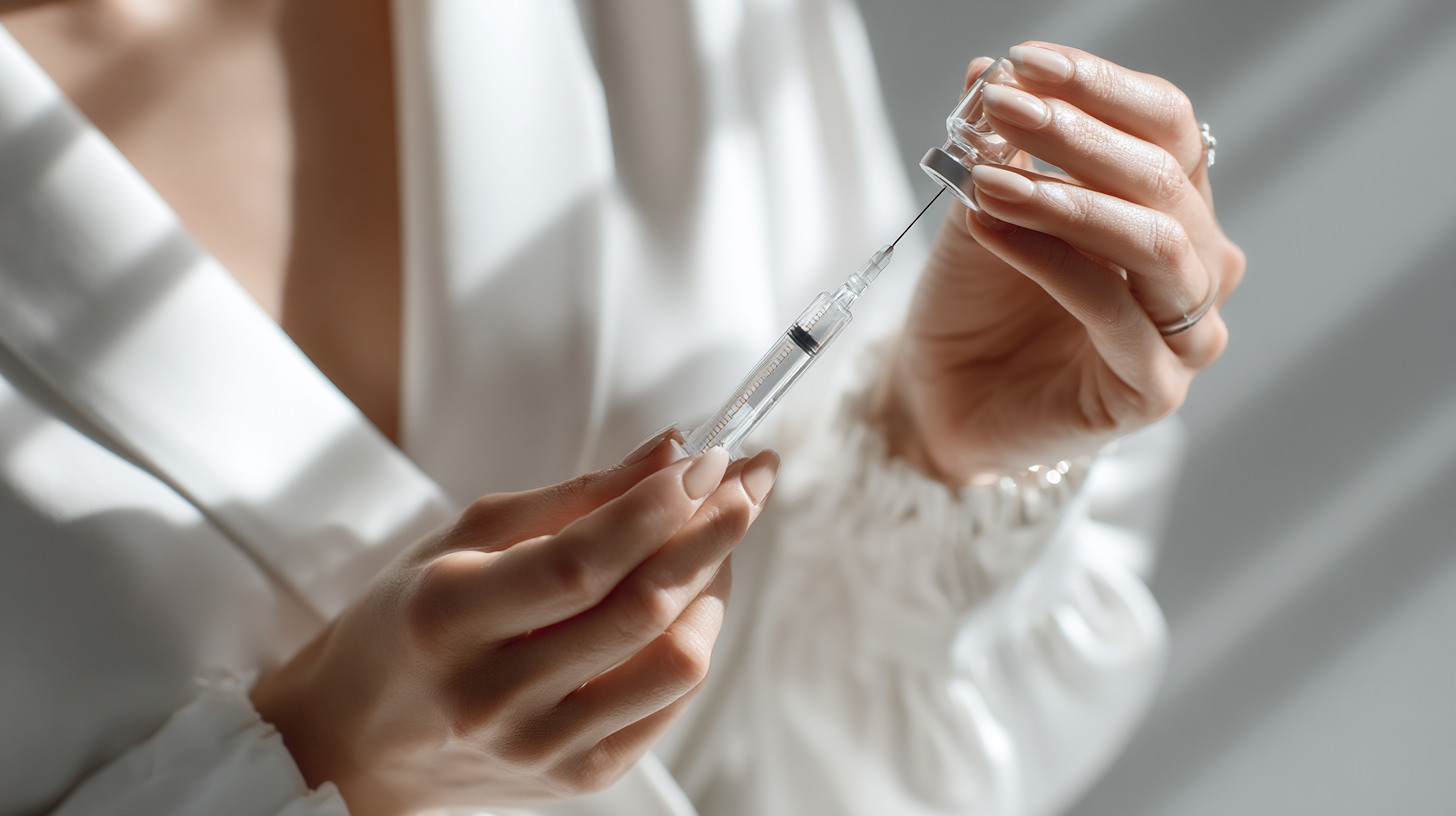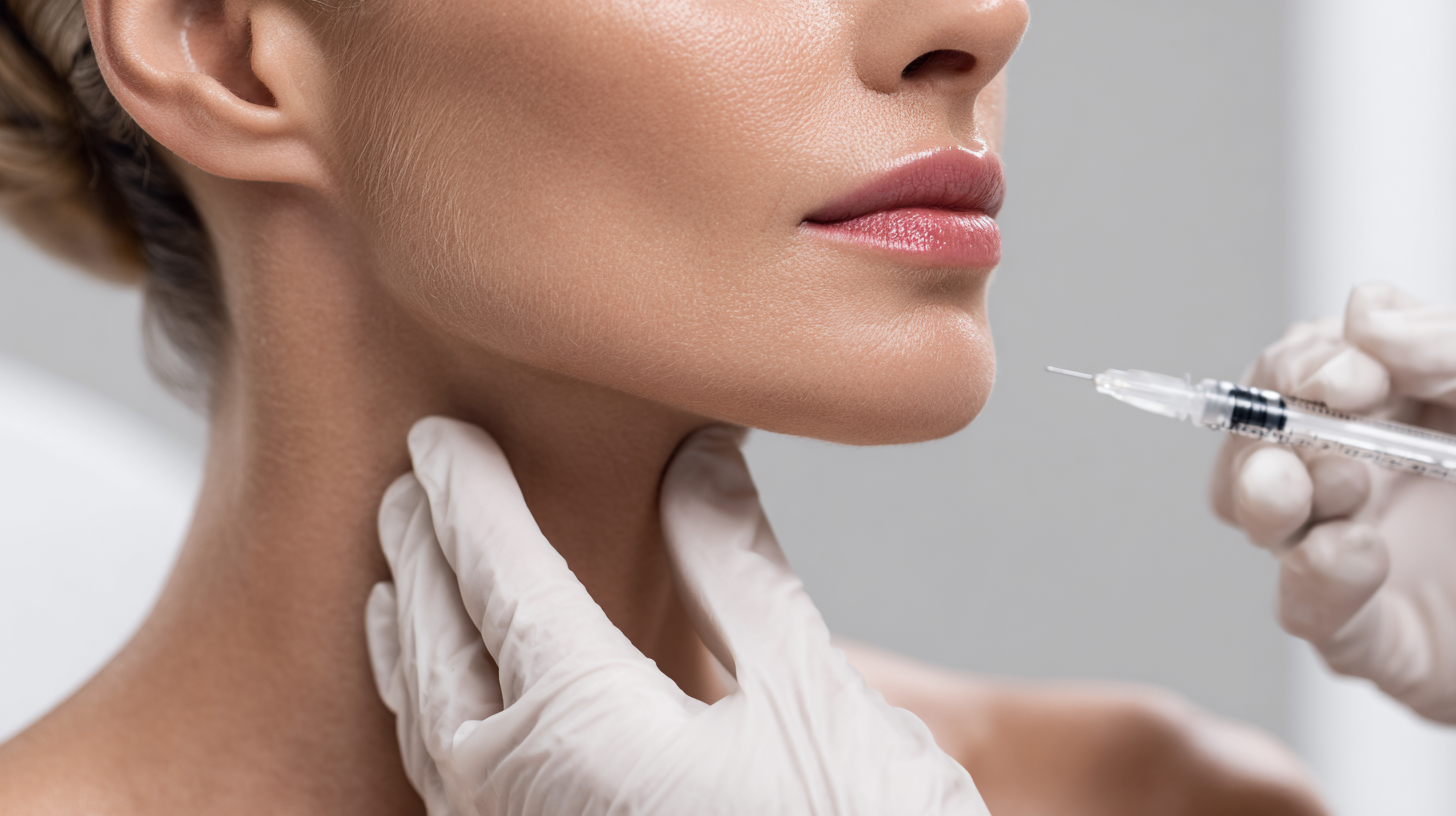
At home, skincare plays a major role in preserving professional treatment results because aesthetic care does not end when a patient leaves the treatment room. For many people, the goal is not only to enjoy visible refinement after professional treatments, but also to protect the skin between appointments with consistent, realistic daily habits.
At BluePoint Medical Spa, patients often ask how they can maintain radiant skin, a smoother appearance, or a more even skin tone after professional aesthetic treatments. The answer usually begins with a thoughtful at-home skincare routine that supports the skin rather than overwhelming it.
Patients Often Worry That Results Fade Too Quickly
Many patients invest in professional facials, chemical peels, laser therapy, dermal fillers, or other elective aesthetic services because they want noticeable improvements in skin texture, skin tone, or overall appearance. These treatments may support refreshed-looking skin, but results vary based on skin type, lifestyle, aftercare, and the patient’s baseline skin condition.
It is common to feel frustrated when dullness, dryness, clogged pores, or dead skin cells return after an in-clinic appointment. This does not mean the treatment failed. It often means the skin needs consistent support at home to maintain the environment created by the treatment.
Daily Habits Influence Long-Term Skin Health
Skin health depends on more than a single appointment. The skin is constantly responding to sun exposure, hydration levels, sleep, nutrition, hormones, environmental irritants, and product choices. Alongside daily care, advanced aesthetic treatments at Blue Point Medical Spa can be used strategically within a plan. A stable routine may help support skin health by protecting the skin barrier, limiting avoidable irritation, and encouraging regular cell turnover.
This matters because the skin’s surface reflects what is happening in both the outer layer and the deeper layers over time. Professional care may target specific concerns, but daily care helps reduce the chance that dryness, excess oil, or surface impurities interfere with progress.
Professional Treatments Create Momentum for Healthy Skin
In clinic treatments are often chosen because they use advanced techniques that are not available through ordinary over-the-counter products. At BluePoint, luxury medical spa skin treatments are designed to balance effectiveness with comfort. Depending on the service, they may focus on deep cleansing, exfoliation, hydration, texture refinement, or collagen-supporting strategies.
For example, dermatology resources note that chemical peels may be used to improve the look of uneven tone, acne-related discoloration, and some visible signs of aging, while facial and chemical peel frequency guidance explains that repeat care may be needed to maintain results.
At-Home Skincare Helps Protect the Skin Barrier
The skin barrier is the outer protective layer that helps keep moisture in and irritants out. When it is balanced, the skin may look calmer, feel more comfortable, and respond better to treatment planning. Medical-grade skincare that supports barrier strength may be recommended in some cases. When it is disrupted, patients may notice skin irritation, flaking, redness, tightness, or sensitivity.
A supportive skincare routine should be matched to individual skin needs. Over-exfoliating, mixing too many active ingredients, or using harsh at-home treatments too soon after a procedure may interfere with recovery and increase discomfort.
Sun Protection Is Essential After Aesthetic Treatments
Sun protection is one of the most important parts of maintaining skin health, especially after exfoliating or resurfacing treatments. Following pre- and post-care guidelines for laser and facial treatments can further reduce the risk of irritation and discoloration. The American Academy of Dermatology recommends broad-spectrum, water-resistant sunscreen with SPF 30 or higher, along with shade and protective clothing, to reduce sunburn, skin cancer risk, and premature aging.
This is especially relevant after chemical peels, laser therapy, or other advanced procedures that may make skin more sensitive to ultraviolet exposure. Without consistent protection, patients may be more likely to develop dark spots, uneven pigment, or a less consistent treatment outcome.
Hydration Supports a Radiant Complexion
Hydration plays a crucial role in how skin looks and feels between appointments. Professional facial treatments focused on deep hydration can complement at-home efforts. Dehydrated skin may appear dull, tight, or uneven, even when the patient is following other parts of a routine carefully.
Ingredients such as hyaluronic acid are commonly used because they help bind water and support a plumper-looking surface. A hyaluronic acid serum may be especially helpful for patients seeking a radiant complexion, although product choice should depend on tolerance, climate, and professional guidance. Dermatology guidance also recognizes hyaluronic acid, ceramides, and glycerin as ingredients that may support hydrated, comfortable skin.
Medical Grade Skincare Offers More Personalized Support
Medical-grade routines are often recommended when patients have specific skin concerns, such as acne scars, uneven tone, dryness, sensitivity, or early visible aging. Medical-grade skincare for long-term skin health and medical-grade products are typically selected with a more targeted purpose than basic cosmetic products.
This does not mean every patient needs an intensive routine. It means the right product plan should be chosen carefully by a medical professional or licensed aesthetic provider, especially when a patient is combining active ingredients with regular professional treatments.
Ingredients Should Match the Patient’s Skin Type
A patient with oily or acne-prone skin may need a different approach than someone with dry, sensitive, or mature skin. For persistent breakouts, a structured acne bootcamp for clear, healthy skin can pair product choices with professional care. Products that clog pores may worsen breakouts, while aggressive exfoliants may create avoidable irritation in delicate skin.
Ingredients such as vitamin C may be used to support skin brightness and the appearance of discoloration, while moisturizers, aloe vera, ceramides, and hydrating serums may be chosen for comfort. The goal is not to use every popular ingredient, but to select what fits the patient’s skin issues and treatment plan.
Collagen Support Depends on Consistency and Timing
Some professional services are chosen because they may stimulate collagen production or stimulate collagen gradually. Collagen is a structural protein that contributes to firmness and elasticity in the skin. When treatment plans focus on collagen production, safe timing for facials and skin treatments becomes an important part of planning. The skin often needs time, consistency, and appropriate aftercare.
At-home care may help protect that investment by reducing avoidable inflammation, supporting hydration, and minimizing sun-related damage. Over time, this may contribute to better-looking skin firmness, skin elasticity, and improved skin texture, depending on individual factors.

A Balanced Routine May Support a Youthful Appearance
Many patients are interested in youthful skin or a refreshed, youthful appearance, but ethical aesthetic care should never promise to stop aging. Skin changes naturally with time, genetics, lifestyle, and environment, and clinics like BluePoint focus on skin, body, and wellness treatments that work with those realities.
A balanced home skincare routine may support smoother texture, comfort, and a brighter-looking surface. Combined with a healthy diet, hydration, sleep, and essential nutrients, it may also contribute to overall skin health without framing cosmetic care as medically necessary.
Professional Care and Home Care Work Better Together
Professional treatments and home care serve different roles. In-office care may provide targeted exfoliation, hydration, resurfacing, or contour-focused support through a range of skin and body treatment services, while at-home skincare helps maintain daily balance.
This partnership is especially important for complex skin issues, such as uneven pigment, persistent dryness, acne-related texture, fine lines, or visible roughness. Resources like the BluePoint skincare and aesthetics blog can also help patients stay informed between visits. Patients often see the most sustainable progress when their routine is simple enough to follow and specific enough to address their goals.
Some Treatments Need More Careful Aftercare Than Others
After chemical peels, patients may be advised to avoid picking, scratching, tanning beds, and unnecessary irritation while the skin recovers. Options like The Perfect Derma Peel for anti-aging and discoloration also come with specific aftercare recommendations. The American Academy of Dermatology notes that rubbing or scratching treated skin may increase the risk of complications, and moisturizer may be recommended as directed to keep skin comfortable.
After laser therapy or other resurfacing services, similar caution may apply. Patients considering treatment can review what to know before a first laser facial to understand expectations. The skin may be more vulnerable during recovery, which is why aftercare instructions should be followed closely and adjusted only with licensed provider guidance.
Surgical Procedures Require a Different Kind of Planning
Some patients compare aesthetic skin treatments with surgical procedures, but they are not the same. Non-surgical aesthetic services may refresh, smooth, hydrate, or improve the appearance of selected concerns, and flexible payment plans and financing options can make these treatments more accessible. Surgical care involves different risks, recovery needs, and medical decision-making.
For patients who want subtle maintenance rather than surgical change, a combination of professional treatments and consistent home care may be appropriate. A free consultation at Blue Point Medical Spa helps determine whether skin care, injectables, resurfacing, or another option better fits the patient’s goals.
Results Depend on Individual Skin and Realistic Expectations
The best routine is one that the patient can follow consistently without irritation. Some patients may need a gentle cleanser, moisturizer, sunscreen, and one targeted active ingredient. Others may benefit from a more structured plan that includes growth factors, antioxidants, exfoliants, or hydrating serums.
Individual results vary, and treatments may have potential risks, side effects, or contraindications. Cosmetic services are elective, not medically necessary, and a consultation with a licensed provider is required before beginning or changing a treatment plan.
FAQ
Does at-home skincare really make professional treatment results last longer?
A consistent routine may help preserve the look and feel of treatment results by supporting hydration, sun protection, and barrier function. It does not guarantee a specific outcome, but it plays an important role in long-term maintenance.
Are medical-grade products better than over-the-counter products?
Medical-grade products may offer more targeted support for certain concerns, but they are not automatically right for everyone. Product choice should depend on your skin type, goals, sensitivities, and provider recommendations.
Can I use vitamin C, retinol, or exfoliants after a chemical peel?
These ingredients may be useful in some routines, but they can irritate recently treated skin if restarted too soon. Follow your provider’s aftercare instructions before resuming active products.
What is the most important step for maintaining healthy skin after treatment?
Daily sun protection is one of the most important steps, especially after resurfacing or exfoliating treatments. Moisturizer, gentle cleansing, and avoiding harsh product combinations also support a safer recovery.
Conclusion
Preserving aesthetic results is not about doing more; it is about doing what is appropriate for your skin. The right combination of professional care, daily skin care, sun protection, hydration, and realistic expectations may support a healthier-looking, smoother surface over time.
Contact BluePoint Medical Spa to schedule a consultation with licensed providers who can review your goals, evaluate your skin, and recommend a personalized plan. Whether you are considering professional facials, chemical peels, laser-based care, or a refined at-home regimen, your routine should be guided by safety, education, and long-term skin quality.