

Many patients leave a med spa appointment feeling motivated, but the real challenge often begins at home. The days and weeks between visits can influence how the skin looks, feels, and responds to future professional treatments, especially when a patient is trying to manage texture, dryness, breakouts, pigment changes, or early signs of aging.
Medical-grade products help bridge the gap between appointments by supporting a more consistent, targeted, and provider-guided approach to daily care. At BluePoint Medical Spa, this type of routine is not about chasing trends or using the strongest product available; it is about choosing the right products for your skin type, goals, and tolerance.
For many patients, medical-grade skincare is part of a broader skincare journey that may also include in-office treatments, chemical peels, laser therapy, facials, and other skin treatments, injectables, or other elective aesthetic services. The goal is to support skin health realistically while helping patients make informed decisions between appointments.
Why At-Home Skin Care Often Feels Confusing
Patients often want radiant skin, healthy skin, and a more refreshed appearance, but the number of available skincare products can make decision-making difficult. Drugstore shelves, online ads, and social media recommendations may all suggest different solutions for the same concern.
This confusion matters because not every product is appropriate for every patient. Someone with persistent acne may need a different routine than someone focused on dryness, dullness, sensitivity, skin damage, or early anti-aging concerns.
A professional evaluation helps connect product selection to specific skin concerns rather than general marketing claims. That distinction can make a routine feel more purposeful and easier to follow.
Skin Concerns Often Need More Than One Appointment
Many skin concerns develop gradually, so they usually require consistent support over time. Concerns such as stubborn acne, discoloration, dryness, rough texture, and visible aging may need a combination of daily care and periodic medical-grade skincare treatments.
This is one reason medical-grade skincare products are often discussed during aesthetic consultations. They may support the skin between visits and help maintain progress from procedures when used correctly.
At-home care does not replace professional evaluation, but it can support continuity. Patients are often more successful when their routine is aligned with the treatment plan discussed in the office.
Your Skin Deserves a Routine That Fits Real Life
The phrase skin deserves thoughtful care can sound simple, but it reflects an important point: your routine has to be realistic. A complicated regimen that cannot be followed consistently may be less useful than a focused routine chosen with professional guidance.
Patients often do better when each product has a clear purpose. This may include cleansing, hydration, sun protection, acne support, pigment care, barrier repair, or collagen-focused maintenance.
A routine that fits daily life also reduces guesswork. When products are introduced carefully, it becomes easier to observe the skin’s response and adjust if irritation or dryness develops.
What Sets Medical Grade Skincare Apart
Medical-grade skincare refers to products that are typically recommended by skincare professionals, medical professionals, or other qualified aesthetic providers. These products may be selected as part of a customized skincare regimen based on visible concerns, skin history, and treatment goals.
The term medical grade does not automatically mean a product is right for everyone. It also does not guarantee a result, because outcomes depend on consistency, tolerance, formulation, and individual skin behavior.
The practical value is guidance. When a provider recommends medical-grade products, the routine can be matched more closely to your skin, instead of relying only on broad product claims.
Higher Concentrations May Require More Careful Use
Some medical-grade formulations may contain higher concentrations or concentrations of active ingredients compared with certain retail products. This is one of the key differences patients often hear about when comparing medical-grade skincare products and drugstore brands with over-the-counter products.
However, stronger is not always better. Higher concentrations of active ingredients may increase the chance of dryness, peeling, or adverse reactions if the product is not appropriate for the patient.
This is why professional consultation matters. A provider can explain how often to use a product, when to pause it, and how to combine it with other targeted treatments safely.
Active Ingredients Should Match Specific Concerns
Active ingredients are the components in a product intended to create a particular effect on the skin. Active ingredients may support exfoliation, hydration, brightening, acne control, or the appearance of aging, depending on the formulation.
Common examples include salicylic acid, benzoyl peroxide, vitamin C, ferulic acid, hyaluronic acid, peptides, and growth factors. The right ingredient depends on the patient’s goals and tolerance.
The FDA’s over-the-counter acne monograph lists benzoyl peroxide and salicylic acid as active ingredients used in OTC topical acne products within specified concentration ranges, which is why acne care should still be approached carefully and according to product directions.

Why Skin Health Needs Continuity
The skin is not changed only during an appointment. Daily products interact with the outer barrier, surface texture, and sometimes the appearance of deeper support structures over time.
Some formulas are designed to penetrate deeper or reach selected skin layers, depending on the ingredient and delivery system. This does not mean every product reaches the deeper layers in the same way, which is why wording and expectations matter.
A consistent routine may support smoother texture, hydration, and barrier function. These changes may make future appointments easier to plan and more comfortable for the patient.
Collagen Support Is a Long-Term Process
Some product routines are chosen to support the appearance of firmness, texture, and aging skin. Ingredients may be selected because they are associated with collagen production or may stimulate collagen production under appropriate conditions.
This type of support takes time and should not be presented as immediate or guaranteed. A patient interested in firmness, fine lines, or overall skin quality may need a gradual plan that combines products, procedures, and maintenance.
The American Academy of Dermatology notes that retinoids may be an option for mild acne, mild pigmentation irregularities, and mild fine lines and wrinkles, but gradual use is often recommended to reduce irritation.
The Skin Barrier Influences Comfort and Tolerance
The skin barrier helps protect the skin from dryness, irritation, and environmental stress. When the barrier is compromised, even well-formulated products may sting, burn, or cause redness.
This matters because patients often assume they need a stronger formula when the skin may actually need recovery. A provider may recommend a simpler routine before introducing potent products or scheduling advanced technology treatments.
Medical Grade Products That May Support Treatment Plans
Medical-grade sunscreens may be recommended to help protect the skin from UV exposure, especially after procedures or when using brightening or exfoliating ingredients. Sun protection is a foundational part of maintaining cosmetic results and supporting the benefits of personalized facial treatments.
Broad-spectrum sunscreen matters because ultraviolet exposure can contribute to discoloration, texture changes, and premature signs of aging. The American Academy of Dermatology recommends broad-spectrum, water-resistant sunscreen with SPF 30 or higher for skin not covered by clothing when outdoors.
For patients receiving peels, laser-based care, or pigment-focused routines, daily sunscreen is especially important. It supports safer aftercare and helps reduce preventable setbacks.
Acne-Focused Formulas May Support Clearer-Looking Skin
Patients dealing with acne may benefit from formulas containing ingredients such as salicylic acid or benzoyl peroxide, depending on skin tolerance and product instructions. These ingredients are commonly used in acne care, but they are not appropriate for every person or every routine, which is why some patients enroll in an acne bootcamp for clear, healthy skin to receive structured guidance.
A provider may recommend different medical-grade solutions for congestion, oiliness, inflammation, or post-breakout discoloration. Patients with persistent acne or stubborn acne may also need evaluation for triggers, medication interactions, or prescription-level options.
Some cases require prescription medications rather than cosmetic products alone. This is why acne should be assessed carefully, especially when breakouts are painful, widespread, or leave marks.
Brightening Formulas May Support Uneven Tone
Patients with dullness or uneven appearance may be advised to use potent formulations that include ingredients such as vitamin C, ferulic acid, exfoliating acids, or other brightening-supportive compounds. These may be selected to support a more even-looking complexion over time.
The role of these products is maintenance and support, not a guaranteed change. Discoloration can be influenced by sun exposure, inflammation, hormones, medications, and prior skin injury.
A personalized routine helps reduce the chance of overusing brightening products. Too much irritation can make pigment concerns more difficult to manage, especially when treating hyperpigmentation in darker skin tones.
Hydrating Products May Support Barrier Repair
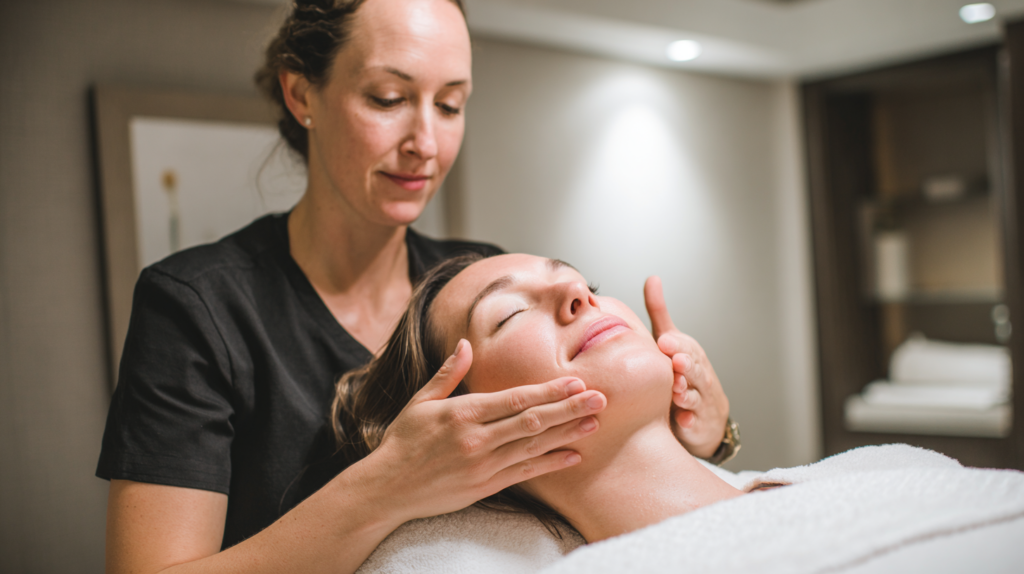
Hydration-focused skincare products may include hyaluronic acid, ceramides, peptides, and other ingredients selected to support comfort and smoothness. These are often useful when patients are preparing for or recovering from exfoliating or energy-based procedures.
Hydrating products can also make stronger active ingredients easier to tolerate. When the skin feels supported, patients may be less likely to abandon their routine because of dryness or irritation.
This is not just about comfort. A well-supported barrier may improve consistency, and consistency is often what makes a routine more effective over time.
Targeted Products May Extend the Value of In-Office Care
Many patients choose professional treatments such as chemical peels, laser therapy, or other in-office treatments because they want more directed results than home care alone can provide. Between appointments, targeted products may help support the plan.
For example, a patient receiving pigment-focused care may need sunscreen and brightening support. A patient receiving acne-focused care may need oil control, exfoliation, and barrier protection.
The routine should be coordinated with the provider’s recommendations. Some products need to be paused before or after treatments to reduce irritation risk, which is why many patients rely on luxury medical spa care and skin treatments that integrate in-office procedures with at-home plans.
What Patients Should Understand
Medical-grade lines may offer sophisticated formulas, but the right product still depends on the patient. A product that works well for one person may irritate or provide limited value for another.
This is where active ingredients, compared with the patient’s needs, become important. The question is not only what an ingredient can do, but whether it fits the person’s skin, routine, and treatment schedule.
Patients should be cautious about copying another person’s regimen. Skin care is most effective when it is individualized.
Clinical Testing and Research Should Be Interpreted Carefully
Some products reference clinical testing, clinical research, scientific research, scientific evidence, clinical studies, or clinical trials. These terms may be meaningful, but they should be interpreted based on the quality of the research, the product tested, and the population studied.
Responsible providers avoid using research language as a guarantee. Instead, they explain what a product may support, what is known about the ingredients, and what remains uncertain.
This is part of ethical aesthetic care. Patients deserve clear explanations without exaggerated promises, which is also reflected in ongoing education shared through the Blue Point Medical Spa blog.
Rigorous Testing Does Not Remove All Risk
Some grade products may undergo rigorous testing or be supported by rigorous clinical testing, but no cosmetic product is risk-free. Sensitivity, allergies, dryness, redness, or breakouts may still occur.
This is why a provider may recommend patch testing, gradual introduction, or alternating use. These steps are especially important for patients with sensitive skin or a history of adverse reactions.
Patients should report unexpected irritation rather than pushing through discomfort. Adjusting early may prevent the routine from becoming harder to tolerate.
Advanced Delivery Systems Need Professional Direction
Some formulas use advanced delivery systems intended to improve stability, absorption, or targeted release. These systems may support performance, but they still need to be matched to the patient’s skin and goals.
This is where medical-grade skincare sets itself apart from many casual product choices: the product is often selected as part of a larger plan. Provider direction helps reduce the risk of combining too many strong ingredients at once, and flexible medical spa payment plans and financing options can make it easier to follow that plan consistently.
A thoughtful routine should feel structured, not overwhelming. The patient should understand when to use each product and why it was chosen.
Proper Application Techniques Affect Results
Even a well-selected product may underperform if it is used incorrectly. Proper application techniques include using the right amount, applying products in the correct order, introducing activities gradually, and using sunscreen consistently.
Patients may also need guidance about when not to apply a product. For example, some exfoliating or retinoid-style products may need to be paused before certain procedures.
This practical education is part of the value of working with licensed professionals and healthcare professionals who understand both skin care and treatment planning, and who often share additional guidance through the Bluepoint Med Spa blog.
FAQ
How long does it take to see noticeable improvements?
Noticeable improvements vary by concern, product, and consistency. Some patients notice changes in hydration or texture sooner, while concerns like discoloration, acne marks, and aging-related changes often take longer.
Are medical-grade products safe for sensitive skin?
They may be appropriate for sensitive skin when chosen carefully, but stronger formulas can also irritate. Patients with sensitivity should introduce products gradually and follow the provider’s instructions.
Do I need medical-grade skincare after chemical peels or laser treatments?
Many patients need a guided routine after peels or laser treatments to support comfort and protect the skin. Your provider may recommend specific cleansers, moisturizers, sunscreens, or recovery products depending on the procedure.
Should I stop active ingredients before an appointment?
You may need to pause certain active ingredients before treatments such as peels, lasers, or waxing. Your provider should give instructions based on the product, treatment, and your skin’s tolerance.
Conclusion
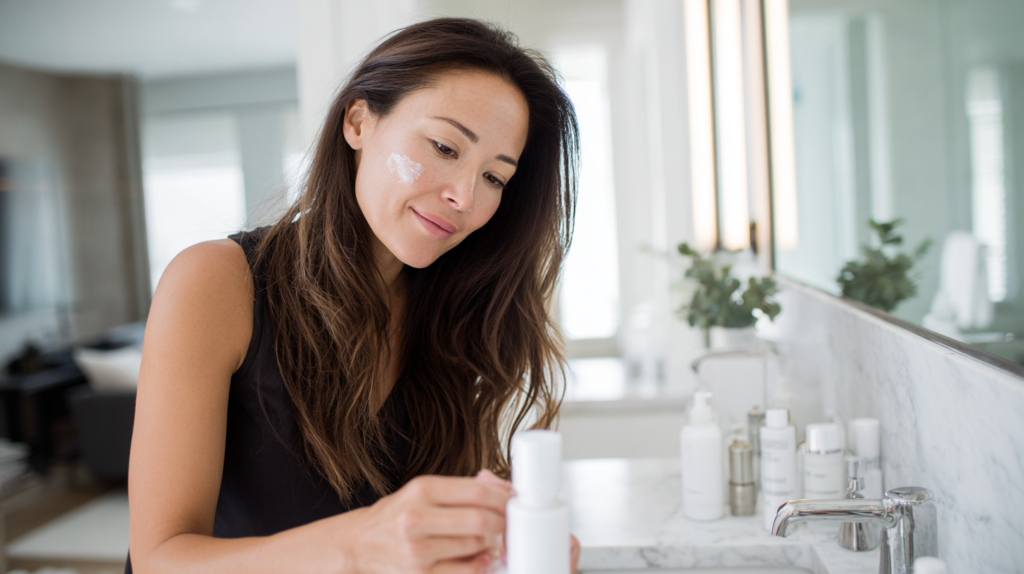
A thoughtful home routine can make the time between appointments more productive. With the right medical-grade skincare, patients may support hydration, barrier comfort, clearer-looking skin, and maintenance after elective aesthetic treatments.
Individual results vary, and products or treatments may have risks, contraindications, or interactions with other routines. A consultation with a licensed provider is required before starting advanced products, changing active ingredients, or combining home care with procedures.
Schedule a personalized skincare consultation with BluePoint Medical Spa to review your goals, evaluate your current routine, and choose medical-grade options that fit your skin condition, comfort level, and long-term skin health.