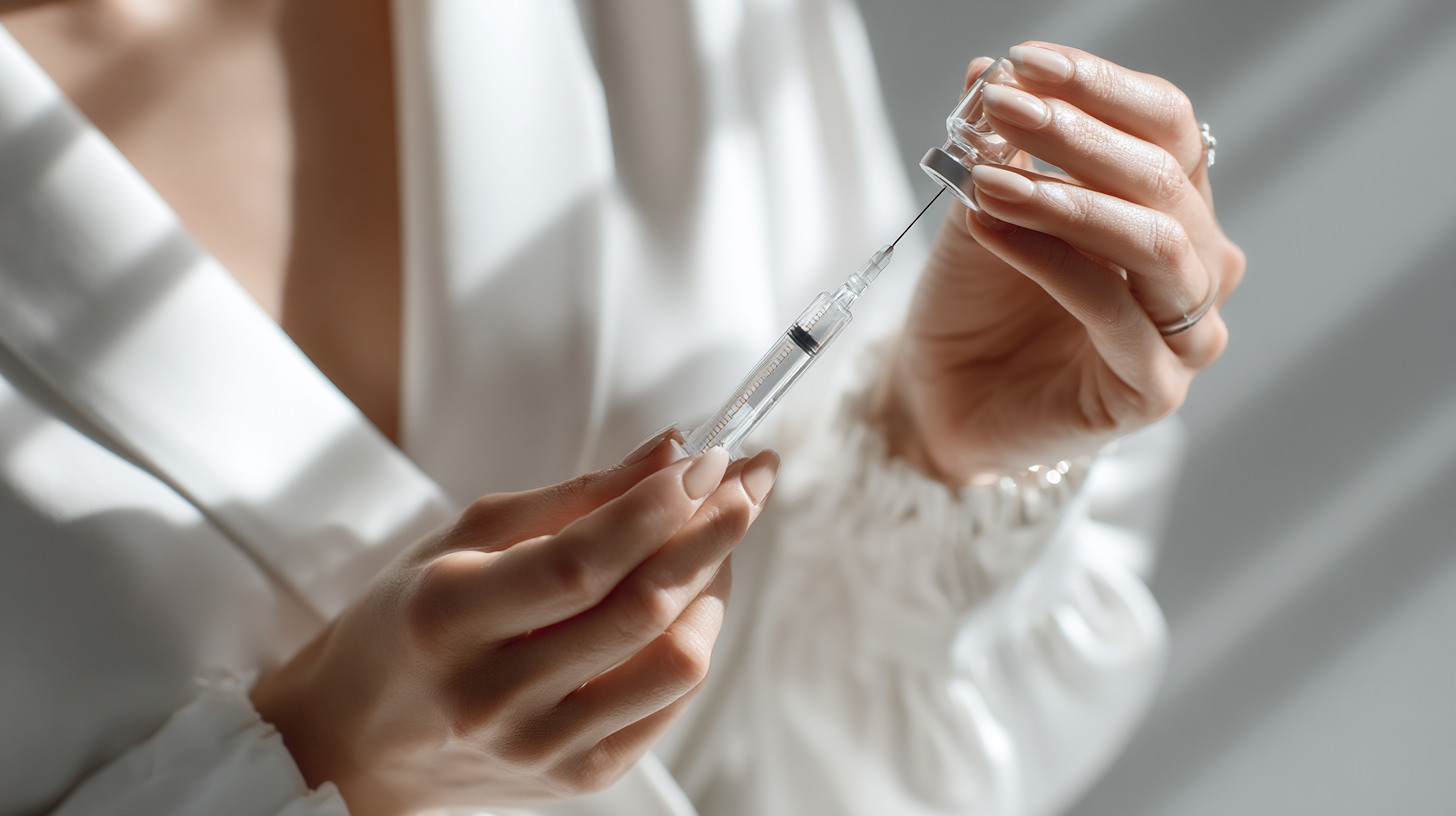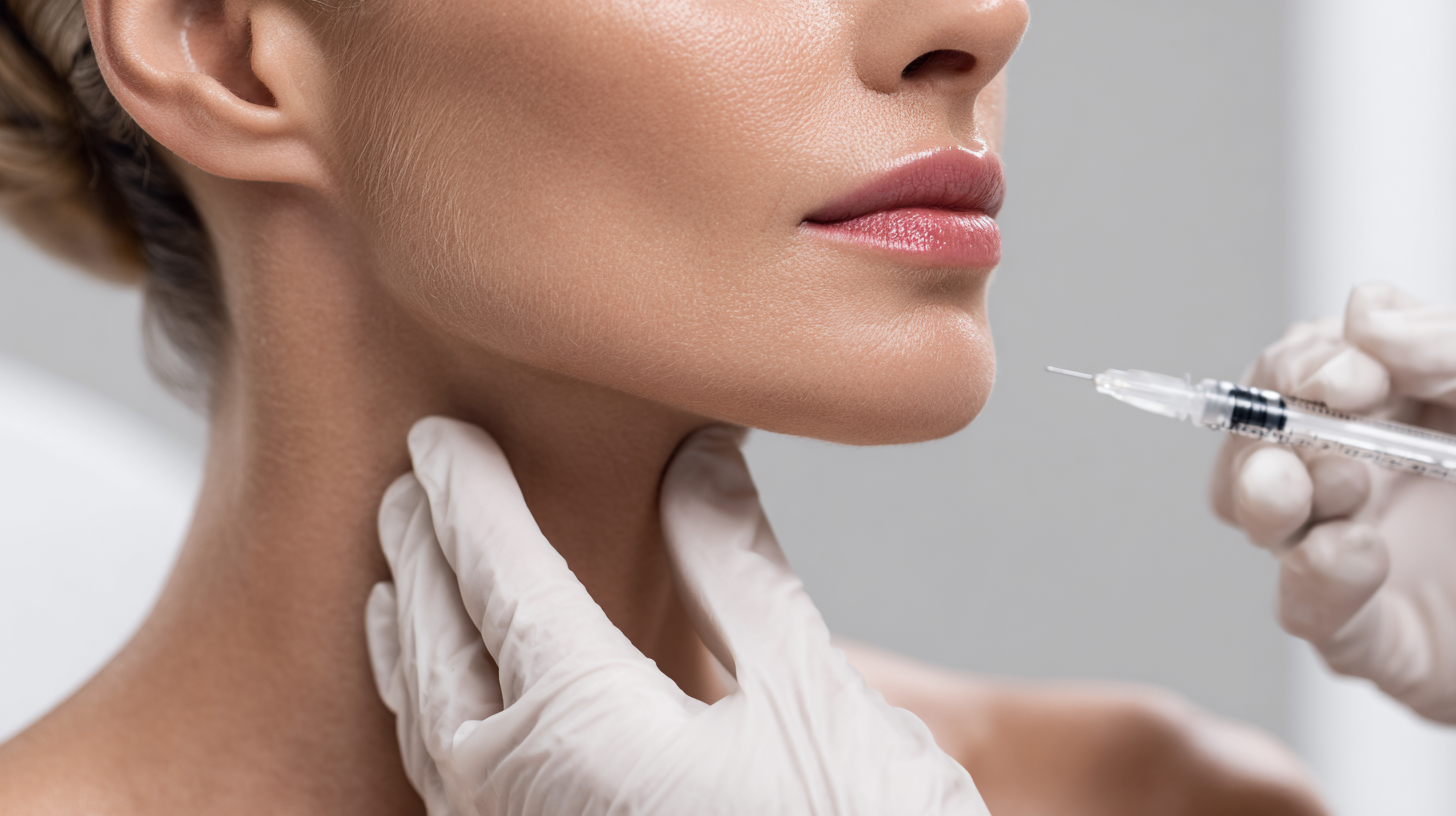
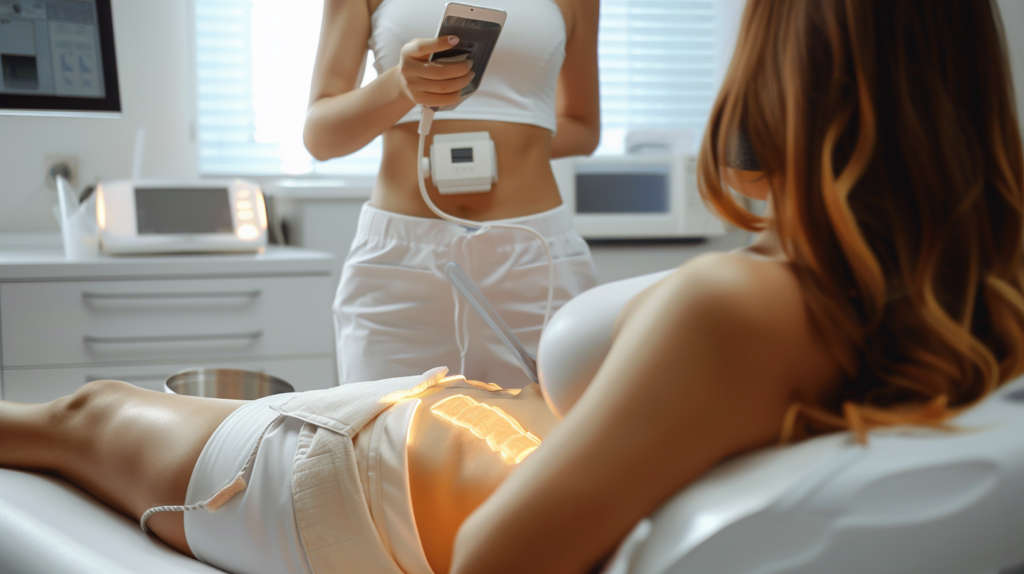
The landscape of aesthetic medicine has shifted considerably over the past decade. Patients who once faced a choice between accepting unwanted stubborn fat or undergoing plastic surgery now have access to a growing range of non-invasive fat reduction options that require no incisions, no general anesthesia, and, in most cases, minimal downtime. This shift has made body sculpting more accessible to a broader range of individuals with diverse goals, schedules, and comfort levels.
For many patients, the appeal is straightforward. Non-surgical fat reduction offers a way to address localized areas of excess fat without the recovery demands of traditional surgery. At the same time, approaching these treatments with realistic expectations is essential; individual results vary, and no elective cosmetic procedure is appropriate for every patient or every goal.
Understanding Why Stubborn Fat Resists Everyday Efforts
Subcutaneous fat cells sit just beneath the skin and behave differently from deeper visceral fat. While lifestyle changes such as diet and activity may contribute to overall weight loss, they do not selectively reduce fat cells in a specific location. This biological reality is part of what drives interest in treatments designed to destroy fat cells in defined zones, offering a more precise approach to targeted fat reduction and overall body shape refinement.
The number of fat cells in the adult body remains relatively stable after adolescence. When a person gains or loses weight, fat cells expand or shrink rather than multiply or disappear on their own. Understanding this helps clarify why a healthy lifestyle alone may not fully address persistent fat pockets in areas such as the abdomen, flanks, or inner thighs.
How Body Shape Changes Over Time
Weight gain, hormonal fluctuations, and aging all influence where the body stores subcutaneous fat and how connective tissue responds over time. Areas like the upper arms, belly fat, and double chin are among the most frequently cited by patients seeking non-invasive body contouring. Recognizing these patterns helps both patients and providers identify which treatment area is most suitable and what each available modality is designed to address.
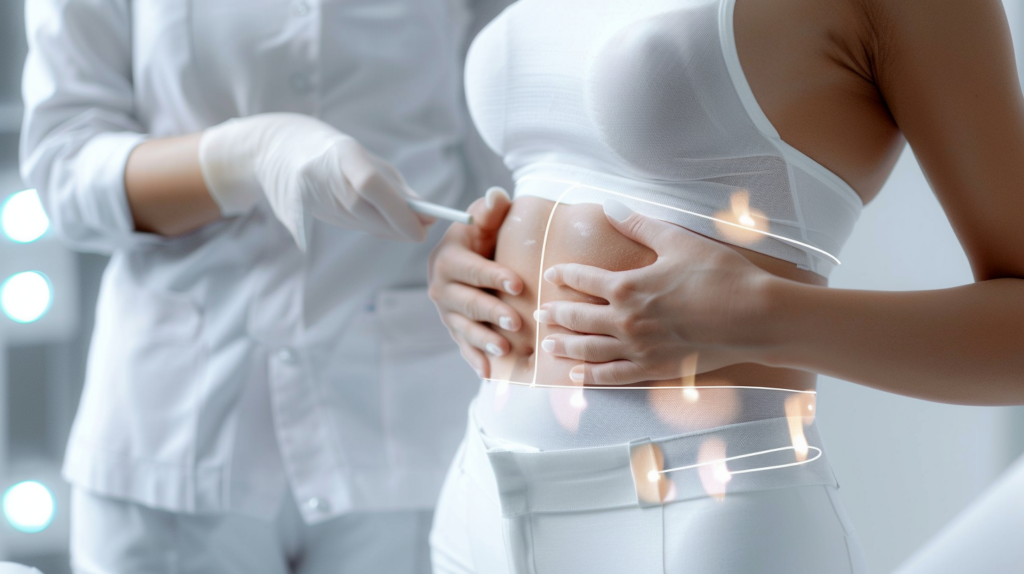
A comprehensive consultation with a licensed aesthetic provider offers the opportunity to map specific concerns to appropriate body contouring technologies. Not every device or method is suited to every anatomy, and a personalized approach supports both safety and more meaningful outcomes for the individual patient, which is why many individuals choose to book a free consultation at Blue Point Medical Spa before committing to treatment.
A Closer Look at Non-Invasive Fat Reduction Technologies
Fat freezing, associated with the mechanism of controlled cooling, works by applying extreme cold to a specific fat bulge. The low temperature is intended to disrupt fat cell walls, triggering a process in which affected fat cells are naturally eliminated over the following weeks through the body’s lymphatic system. Because fat cells are more sensitive to cold than surrounding tissues, the overlying skin is generally not targeted in the same way.
This modality holds an FDA-approved indication for the reduction of subcutaneous fat cells in specific areas. Most patients tolerate the procedure with minimal discomfort, and no incisions or extended recovery are required. Results from fat freezing develop gradually, typically over four to twelve weeks, as the body processes and clears the treated fat cells, a process explored in more detail in our guide on what happens to fat after body sculpting.
High-Intensity Focused Ultrasound and Ultrasound Waves
High-intensity focused ultrasound, commonly abbreviated as HIFU, uses focused ultrasound waves to generate heat beneath the skin and dissolve fat in a defined zone. Ultrasound fat reduction treatments deliver acoustic energy to the treatment area with precision, aiming to target fat while protecting overlying skin and surrounding tissues. Some ultrasound fat reduction platforms are also designed to stimulate collagen production, which may support gradual improvement in skin firmness alongside fat removal, especially when delivered in an advanced setting such as Blue Point Medical Spa’s Las Vegas clinic with advanced treatments.
Ultrasound waves can be directed to specific tissue depths, making this technology a considered option for patients interested in both non-invasive fat removal and mild skin tightening in a single session. As with other non-surgical treatments, outcomes from HIFU are gradual and depend on individual response, anatomy, and the number of treatment sessions completed. Patients who feel they are not losing fat after body sculpting may benefit from understanding why visible changes can take time after body sculpting.
Advanced Laser Energy and Red Light Therapy
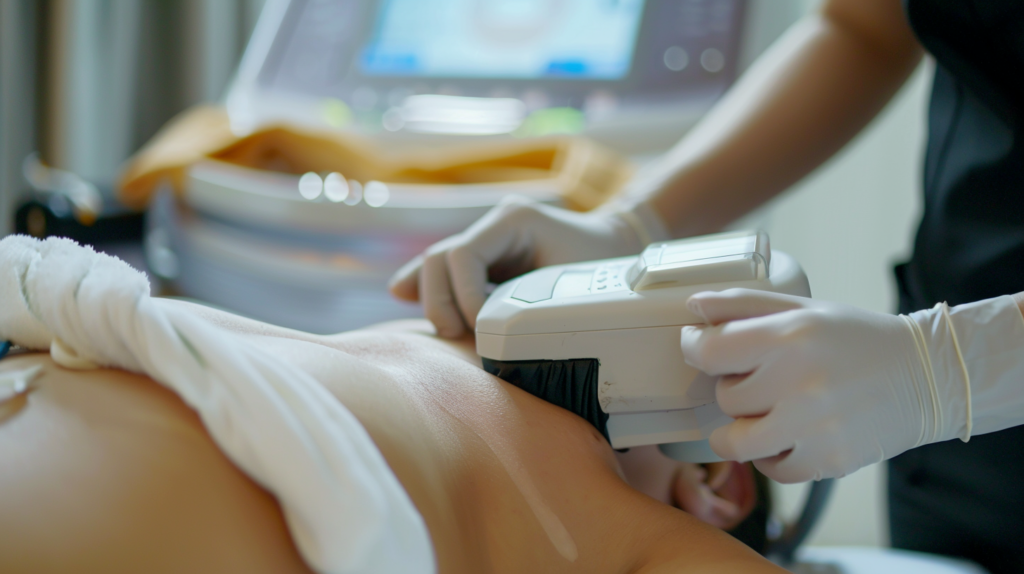
Advanced laser technologies use laser energy to heat and selectively disrupt subcutaneous fat cells in targeted zones. These platforms vary in wavelength and delivery design, but most aim to deliver energy with precision while minimizing thermal impact to surrounding tissues. Laser energy may also contribute to collagen production, potentially addressing loose skin alongside localized fat reduction.
Red light therapy represents a lower-intensity option that some patients explore as a complement within a broader body contouring plan, often alongside other skin, body, and wellness treatments at Blue Point Medical Spa. It is positioned as an elective aesthetic service, and outcomes vary considerably among individuals. Patients interested in red light therapy should discuss realistic outcomes and appropriate expectations with a licensed provider before committing to a treatment plan, especially when exploring the full menu of skin, body, and wellness services at Blue Point Medical Spa in Las Vegas.
Non-Surgical Body Contouring vs. Surgical Options
One of the primary distinctions between non-surgical body contouring and surgical fat reduction is the recovery profile. Cosmetic procedures that do not involve incisions generally allow patients to return to daily activities soon after their appointment, making them a practical choice for those who cannot accommodate downtime associated with surgical procedures. Patient safety remains a priority regardless of modality, and all treatments should be performed or directly overseen by licensed providers with appropriate training.
Non-invasive procedure options do carry potential risks and contraindications, even when performed in a setting that combines luxury medical spa care and advanced skin treatments. Certain medical conditions, implanted devices, skin sensitivities, or prior treatments in the treatment area may affect candidacy. A thorough pre-treatment consultation with a qualified provider is a required step before beginning any treatment plan, as individual health history plays an important role in determining safe and appropriate options.
When Surgical Fat Reduction May Be Considered
Plastic surgery and surgical fat reduction remain an option for patients with larger volumes of excess fat or those for whom non-surgical fat reduction has not achieved the desired body shape improvement. Plastic surgeons and cosmetic surgeons are trained to assess anatomy, health history, and goals to determine which approach is most appropriate for the individual. Cosmetic surgery typically delivers more immediate volume reduction, but it involves greater recovery demands and carries inherent surgical risks.
For patients seeking moderate, gradual refinement in specific areas, non-surgical treatments may align better with their lifestyle and tolerance for recovery. The decision between surgical options and non-invasive fat reduction approaches is best made during an in-depth consultation where all relevant factors are discussed openly.
Skin Tightening and Stimulating Collagen Production
Some non-invasive fat removal technologies are designed to simultaneously address loose skin by promoting collagen production within the treatment area. Collagen production is a natural biological process that supports the structural integrity and elasticity of skin. When thermal or acoustic energy is applied to the dermis and underlying tissue, it may stimulate the body’s own repair response, potentially contributing to gradual improvements in skin texture over time.
The degree of skin tightening achieved varies considerably based on skin laxity, patient age, treatment modality, and individual healing. Patients with moderate to significant loose skin may find that non-invasive body contouring alone does not fully address skin redundancy. A licensed provider can assess whether additional approaches, such as dedicated skin tightening technologies or other non-surgical treatments, may complement the overall treatment plan. Stimulating collagen production is a stated goal of many body contouring technologies, but outcomes are never guaranteed and always depend on individual factors.
Realistic Expectations and Your Treatment Plan
Patients who approach non-invasive aesthetic care with well-informed expectations tend to report higher patient satisfaction with their outcomes, and many rely on our Blue Point Medical Spa blog for expert insights and education. Setting realistic goals begins during the consultation, where a licensed provider can review anatomy, discuss appropriate technologies, and explain the realistic scope of improvement for a given treatment area. Understanding what a modality can and cannot address is a critical part of informed decision-making, and ongoing education through resources like the Blue Point Medical Spa blog can further support that process.

How Many Sessions Most Patients Need
Most patients require multiple treatment sessions to progress toward their intended aesthetic outcome. The total number of sessions depends on the chosen technology, the size of the treatment area, the amount of subcutaneous fat present, and how the individual responds to treatment. Some patients see meaningful change after two to three sessions; others benefit from a longer series. A personalized treatment plan developed with a licensed provider is the most reliable guide.
The Role of a Healthy Lifestyle in Lasting Results
Non-surgical body contouring is not a substitute for a healthy lifestyle and is not designed as a solution for medically significant weight loss. The remaining fat cells in the body can still expand if a patient experiences weight gain after treatment, which may diminish the visual outcome over time. Patient satisfaction is generally highest among those who maintain consistent habits around nutrition and physical activity as part of their long-term wellness approach.
Common Treatment Areas for Targeted Fat Reduction
Patients pursue fat reduction treatments for a variety of body zones, each with its own anatomical considerations and technology options, often pairing body services with tailored medical-grade facial treatments at Blue Point. A consultation with a licensed provider helps confirm whether a given treatment area is suitable for the selected modality, what placement adjustments may be needed, and what realistic expectations look like for that specific zone.
Belly Fat, Double Chin, and Upper Arms
Among the most frequently requested treatment areas are the abdomen (belly fat), double chin, and upper arms. These zones are commonly resistant to change through diet and exercise alone, and multiple non-surgical fat reduction technologies have been studied and applied in each of these areas. Body contouring technologies can often be adapted in placement and intensity to accommodate the anatomical characteristics of each zone.
Fat Pockets and Fat Bulges in Other Areas
Beyond the most commonly discussed locations, patients may seek treatment for fat pockets along the flanks, inner thighs, bra area, or beneath the arms. Non-invasive fat reduction devices can frequently be adapted to these areas with appropriate applicator sizing or device configurations. A licensed aesthetic provider will evaluate whether the specific fat bulge or fat pocket is a suitable candidate for the proposed technology and what degree of fat removal may be realistic in that area.
FAQ
Is non-invasive fat reduction the same as losing weight?
Non-invasive fat reduction selectively reduces fat cells in a specific treatment area and is not designed as a medically supervised weight loss solution. The number on the scale may not change significantly because the volume addressed is localized. Patients with medically significant weight loss goals are generally better served through dedicated medical and lifestyle interventions.
How long does it take to see results after treatment?
Results from non-surgical body contouring are typically gradual, as the body naturally eliminates or processes affected fat cells over several weeks. Many patients report noticing visible changes between four and twelve weeks after their initial session, with continued improvement over time. A licensed provider can offer a more individualized timeline based on the technology selected and the patient’s response.
Are these treatments appropriate for everyone?
Non-invasive body contouring treatments are not universally appropriate, and patient safety depends on a thorough pre-treatment screening. Certain medical conditions, medications, skin sensitivities, or implanted devices may be contraindications for specific modalities. A consultation with a licensed aesthetic provider is required before beginning any treatment plan to confirm candidacy and discuss realistic expectations.
Conclusion
The expansion of non-invasive aesthetic care reflects a broader commitment to patient-centered, elective options that prioritize safety, education, and realistic outcomes. Non-invasive body contouring and fat reduction treatments are not appropriate for every patient, and no procedure should be pursued without a thorough consultation that includes a review of health history, goals, contraindications, and expectations. A licensed provider at BluePoint Medical Spa can help determine whether a given technology aligns with an individual’s anatomy, goals, and overall health status.
Individual results vary, and all elective cosmetic procedures carry potential risks. Outcomes depend on many factors, including skin condition, anatomy, adherence to post-treatment guidance, and lifestyle habits. Patients with certain medical conditions, implanted devices, or other contraindications may not be candidates for specific non-surgical treatments, and this assessment requires a face-to-face evaluation with a licensed professional. A well-structured treatment plan developed with a qualified provider, rather than self-directed research alone, is the most responsible path forward.
Contact BluePoint Medical Spa to schedule a consultation with a licensed provider and discuss whether an elective aesthetic treatment plan is appropriate for your goals, skin type, and medical history.