Many patients begin researching skin repair technologies that are evolving with precision-based laser systems because they want visible improvement without feeling pushed toward overly aggressive care. At BluePoint Medical Spa, this conversation is best approached with clarity, realistic expectations, and an understanding that every person’s skin responds differently.
Modern laser technology has changed the way providers think about skin rejuvenation, especially when patients are concerned about uneven tone, rough texture, early laxity, sun-related changes, or acne-related marks, and may lead them to explore how laser resurfacing works and what results to expect. Rather than treating every concern with the same intensity, newer systems allow providers to evaluate skin concerns, skin history, and personal comfort before recommending a plan.
This matters because elective cosmetic procedures should never feel rushed or one-size-fits-all. A thoughtful consultation allows patients to understand what laser treatments may address, what they may not address, how recovery may look, and why professional oversight is important before choosing any cosmetic service.
Patients Want Skin Improvement Without Overly Aggressive Treatment
Patients often want smoother texture, more even tone, and a refreshed appearance, but they may worry about discomfort, visible peeling, or time away from work and daily routines. This is where modern laser treatments have become more individualized, giving providers more ways to balance cosmetic goals with comfort and recovery needs.
For some patients, laser skin resurfacing may be considered when surface irregularities, fine lines, acne scars, or sun-related changes affect overall appearance. Resurfacing generally refers to controlled energy applied to selected layers of the skin to encourage a renewal response, although the depth and intensity can vary significantly by device and treatment plan.
The key is not simply choosing a device. It is choosing a level of care that matches the patient’s skin type, lifestyle, history of pigmentation, tolerance for downtime, and desired pace of improvement.
Uneven Texture Often Affects Confidence Gradually
Changes in skin texture usually develop over time. Patients may notice roughness, enlarged-looking pores, shallow scars, or uneven reflection of light before they notice deeper lines or laxity. These concerns can feel frustrating because topical products may support maintenance, but may not be enough for more visible textural irregularities.
Precision-based laser skin treatments may be considered when a patient wants to support improving skin texture through controlled energy delivery as part of a broader plan that may also include facial treatments for long-term skin texture. Depending on the technology used, the goal may involve encouraging collagen production, softening the appearance of certain scars, or supporting gradual skin remodeling.
Because texture is influenced by age, sun exposure, acne history, hormones, and daily skin care habits, treatment outcomes vary. A licensed provider should evaluate the skin closely before recommending any energy-based service.
Downtime Concerns Shape Treatment Decisions
Downtime is one of the most common reasons patients hesitate before choosing laser resurfacing. Some treatments may involve redness, dryness, swelling, or peeling, while others are designed around minimal downtime and more gradual improvement.
This is why the distinction between aggressive and conservative settings matters. A patient preparing for an event, working in public-facing roles, or managing sensitive skin may need a different plan than someone comfortable with a more visible recovery period.
Professional guidance also matters because deeper treatments may carry higher risks, including irritation, infection, pigment changes, or prolonged redness. Mayo Clinic notes that laser resurfacing may cause treated skin to become darker or lighter, and people with brown or Black skin may have a higher risk of longer-lasting color changes.
How Precision-Based Laser Systems Support Skin Renewal
Precision-based systems are designed to help providers select energy, depth, density, and coverage more carefully. In practical terms, this means a provider may adjust treatment parameters based on the concern being treated, the patient’s skin response, and the level of recovery the patient is willing to accept.
This approach supports more informed decision-making because not all laser therapies act the same way. Some focus on the skin’s surface, others reach deeper dermal layers, and some are designed to affect multiple skin layers in a controlled way.
For patients, the benefit is not a guaranteed result. It is a more personalized conversation about what may be reasonable, what risks should be considered, and how to build a plan around safety, comfort, and realistic cosmetic goals.
Precision Laser Energy Works With Targeted Skin Layers
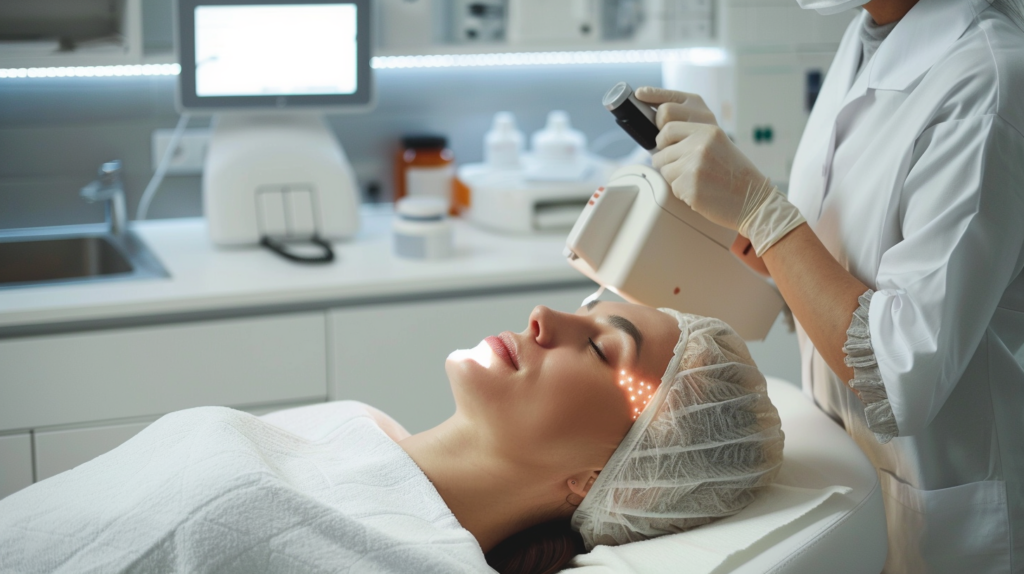
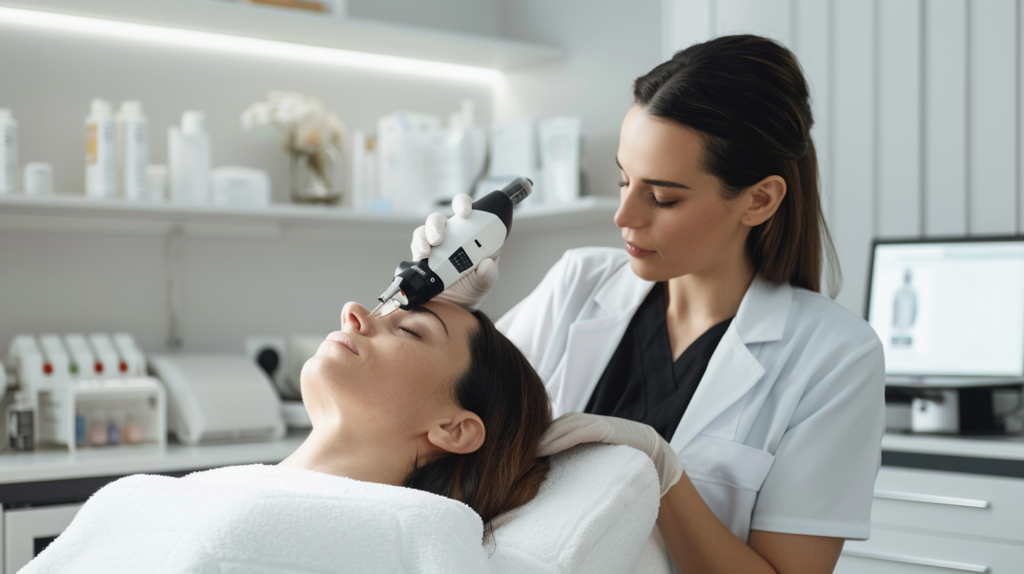
Laser skin procedures use focused light energy to interact with selected skin tissues. Depending on wavelength, pulse duration, and energy level, the treatment may target water, pigment, blood vessels, or deeper structural components of the skin.
This targeted approach is one reason cosmetic dermatology often uses different laser platforms for different concerns. For example, a device chosen for vascular lesion treatment is not necessarily the same device selected for resurfacing texture or supporting skin tightening.
The goal is to match the technology to the concern rather than assuming one treatment is appropriate for everyone. That matching process is especially important for patients with pigmentation concerns, sensitive skin, or prior adverse reactions.
Fractional Patterns Protect Surrounding Tissue
Fractional laser technology treats a portion of the skin at a time rather than treating the entire surface uniformly. Fractional treatment means controlled columns or zones of energy are placed into the skin while leaving areas of surrounding tissue untreated.
This spacing may support a more manageable skin healing process because untreated areas remain available to participate in recovery. Fractional resurfacing was developed in part to reduce risk and shorten recovery compared with more aggressive full-field resurfacing approaches.
For patients, this can mean a more flexible range of intensity. Some plans focus on light refreshment, while others use deeper settings for more pronounced texture concerns, depending on the patient’s evaluation, and it is normal for skin to look worse before it looks better after laser treatment during the healing phase.
Collagen Stimulation Develops Over Time
Many laser procedures aim to stimulate collagen production in a controlled way, building on principles of collagen restoration for skin rejuvenation. Collagen is a structural protein that contributes to firmness, support, and smoother-looking skin, although production naturally changes with age and environmental exposure.
Collagen stimulation is gradual. Patients may notice early changes from surface renewal, but improvements related to skin firmness, texture, or subtle tightening may continue to develop as the skin remodels over time.
This is why providers should avoid promising immediate or identical results. Some patients respond noticeably, while others may need a series of treatments, maintenance care, or a combination plan to support skin quality.
Why Technology Selection Matters in Cosmetic Dermatology
Selecting the right technology is central to safety and patient satisfaction. Aesthetic medicine includes many energy-based devices, but their intensity, intended use, and recovery profiles are not interchangeable, which is why practices like Blue Point Medical Spa in Las Vegas emphasize careful device selection and customization.
A careful provider considers the patient’s baseline skin tone, history of hyperpigmentation, recent sun exposure, medications, active breakouts, prior procedures, and expectations. These details affect whether effective treatments are appropriate, how conservative the settings should be, and whether another option may be safer.
This is especially important because elective services should be positioned as optional, not medically required. Patients deserve clear education before deciding on any minimally invasive procedures or energy-based cosmetic care.
Ablative and Non-Ablative Methods Serve Different Goals
Ablative lasers remove or vaporize controlled areas of the outer skin layers, while non-ablative lasers heat deeper tissue without fully removing the surface. The American Society for Dermatologic Surgery describes non-ablative rejuvenation as using heat in the skin without injuring the surface, often to support collagen production.
Traditional ablative lasers and ablative laser resurfacing may be chosen for more advanced textural concerns, but they often involve more downtime and a more involved recovery process. By contrast, non-ablative options may be selected for patients seeking a gentler path, depending on the concern.
Neither category is automatically better. The right choice depends on the concern, the desired timeline, skin characteristics, and the patient’s willingness to accept recovery and potential risks.
Darker Skin Tones Require Conservative Planning
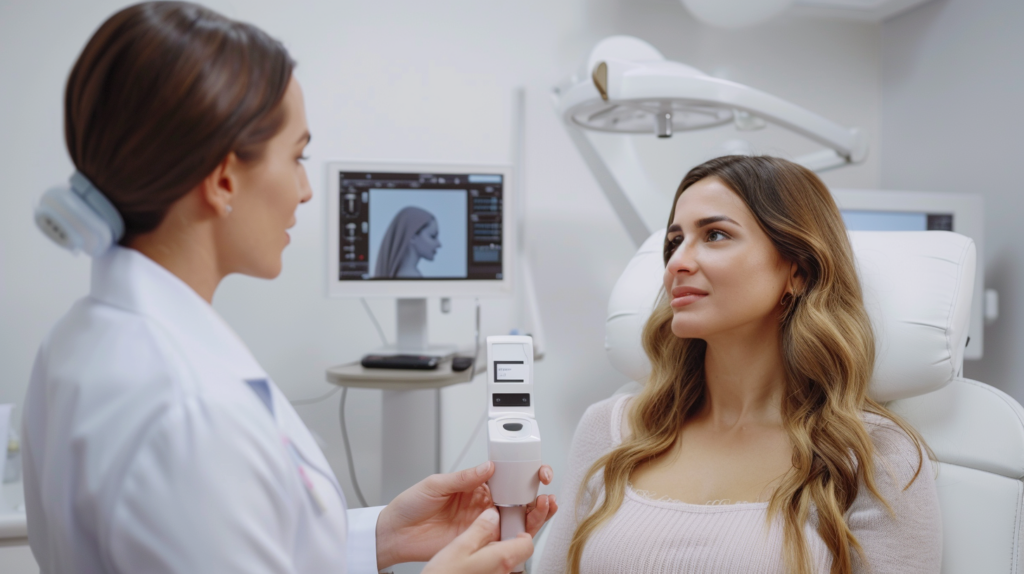
Patients with darker skin tones, ethnic skin, or a history of post-inflammatory pigmentation need especially careful evaluation before laser skin rejuvenation. Melanin-rich skin may be more reactive to certain wavelengths or aggressive settings.
This does not mean every laser is inappropriate. It means treatment selection, settings, preparation, and aftercare should be more conservative and individualized. Peer-reviewed dermatology literature notes that ablative lasers may carry increased side-effect risk in patients with skin of color, while certain non-ablative options may be used more cautiously in selected patients.
A consultation should include a discussion of pigment history, sun habits, and whether a test spot or staged approach may be appropriate. Safety planning is part of responsible care, not an optional detail.
Treatment Parameters Should Match Skin Type
Treatment parameters include settings such as energy, depth, density, pulse duration, and number of passes. These details influence comfort, redness, recovery, and the likelihood of achieving a balanced cosmetic response.
When providers create customized treatment plans, they are not only choosing a device. They are adjusting the plan around the patient’s diverse skin types, sensitivity level, cosmetic priorities, and risk profile.
This is also where patient communication matters. Clear preparation instructions, sun avoidance, medication review, and post-treatment care may reduce avoidable irritation and support a smoother recovery experience.
Treatment Options for Modern Laser Skin Rejuvenation
Patients researching comprehensive skin rejuvenation may encounter many different technologies, including fractional devices, hybrid platforms, pigment-focused lasers, vascular lasers, and supportive combination treatments offered at Blue Point Medical Spa for skin, body, and wellness. Each option has a different role.
The most appropriate choice depends on whether the concern involves texture, tone, redness, laxity, pigmentation, scarring, or overall dullness. Some patients may benefit from one type of laser, while others may be better served by staged care or non-laser alternatives.
At BluePoint Medical Spa, the goal is to guide patients toward customized treatment plans that respect comfort, safety, and realistic expectations rather than pushing the most intensive option first.
Fractional Laser Resurfacing for Texture and Scars
Fractional laser resurfacing and fractional laser systems are commonly discussed for rough texture, certain scar treatment goals, and uneven surface quality. These systems treat a controlled fraction of the skin, which may support renewal while leaving surrounding areas available for recovery.
For patients with shallow acne marks or early texture changes, fractional and hybrid lasers may be considered depending on skin type and desired downtime, similar to how laser facials are personalized for first-time patients. Some patients may need multiple sessions rather than one aggressive treatment.
Because scars vary in depth, color, and structure, scar reduction should be discussed carefully, and in some cases, non-cosmetic options such as the Phoenix Laser System for tissue repair may also be part of a broader care plan. Laser treatment may improve the appearance of certain scars, but results vary, and complete removal should not be promised.
Redness-Focused Laser Care for Visible Vascular Changes
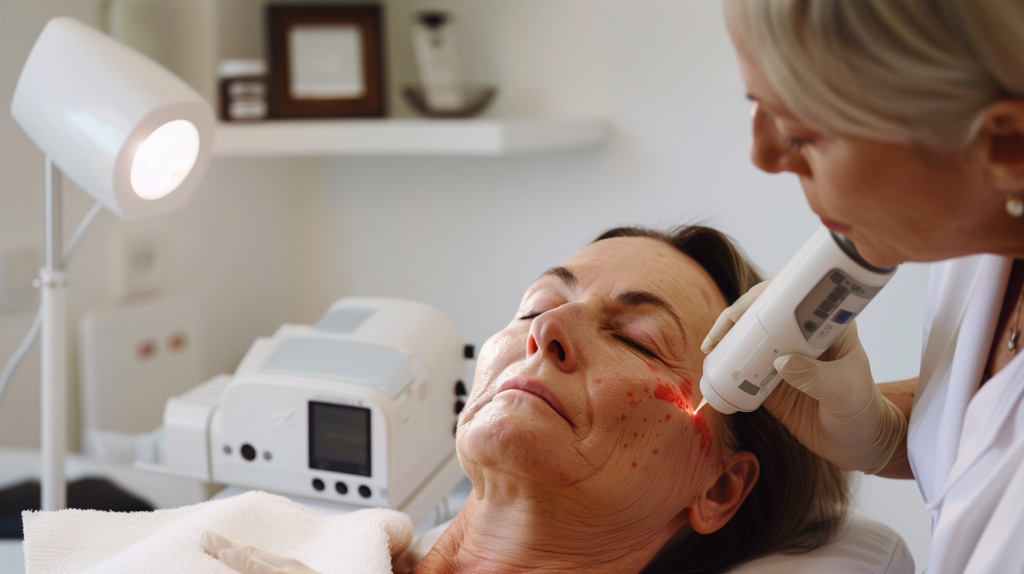
Pulsed dye lasers are commonly associated with redness-focused care and treating vascular lesions in selected cosmetic contexts. These devices target visible vascular changes rather than resurfacing the skin in the same way as ablative or fractional resurfacing technologies.
Patients with visible redness, broken capillary-like changes, or certain vascular concerns should still receive individualized evaluation, as targeted options like KTP laser treatment for facial veins may be appropriate for selected cases. Skin sensitivity, medications, and recent sun exposure may affect timing and candidacy.
Because vascular and pigment concerns can overlap visually, professional assessment matters. The right plan may involve laser care, topical skin support, sun protection, or referral when a lesion requires medical evaluation.
FAQ
Is Laser Skin Resurfacing Safe for Darker Skin Tones?
Laser skin resurfacing may be appropriate for some patients with darker skin tones, but it requires careful planning. The provider should consider skin type, pigmentation history, device selection, conservative settings, and aftercare before recommending treatment.
How Much Downtime Should I Expect After Laser Treatments?
Downtime depends on the type of laser treatments, treatment depth, and your skin’s response. Some lighter treatments may involve redness for a short period, while deeper resurfacing may require more recovery and careful post-treatment care.
Are Laser Treatments Considered Medically Necessary?
Most med spa laser treatments are elective cosmetic services, not medically necessary procedures. They are often chosen to address appearance-related concerns such as texture, tone, redness, or signs of aging, depending on individual goals.
Conclusion
Laser care works best when patients understand both the potential benefits and the boundaries of treatment. Precision-based systems may support smoother-looking texture, more even tone, and refreshed skin quality, but outcomes depend on individual factors, treatment selection, and aftercare.
BluePoint Medical Spa approaches laser skin treatments as elective cosmetic services that require thoughtful planning, realistic expectations, and professional oversight. Individual results vary, treatments may involve risks or contraindications, and a free consultation to evaluate your goals and candidacy with a licensed provider is required before care is recommended.
Schedule a consultation with BluePoint Medical Spa to discuss your skin goals, review your candidacy, and explore whether modern laser care is appropriate for your needs, including available payment plans and financing options for treatments. A personalized evaluation gives you the clarity to make an informed, comfortable decision about your next step, and you can continue learning through the Blue Point Medical Spa blog for expert skincare insights.