Thermal energy treatments play a key role in skin regeneration because visible skin aging often begins beneath the surface. Changes in firmness, tone, and texture may develop gradually as collagen support becomes less consistent. For many patients, topical products alone may not address concerns connected to deeper structures.
Patients often notice early changes around the cheeks, jawline, neck, or under-eye area. These changes may include skin tightening goals, uneven skin texture, dullness, and fine creasing. A professional consultation helps determine whether energy-based care is appropriate.
This topic matters because aesthetic treatments should be chosen with realistic expectations. The goal is not to change the face dramatically. The goal is to support healthier-looking skin through careful planning, professional oversight, and individualized treatment protocols.
Concerns About Skin Laxity Can Feel Gradual but Persistent
Skin laxity can appear slowly, especially when collagen and elastin support begin to decline. Patients may describe a softer jawline, looser facial contours, or less definition in areas that once felt firm. These concerns are common, but they do not always require surgery.
Noninvasive and minimally invasive options may be considered when laxity is mild to moderate. Non-surgical skin tightening uses controlled heat to encourage a firmer appearance over time. Results vary based on age, skin condition, treatment history, and individual biology.
Patients should understand that laxity is not only about loose skin. It may also involve changes in dermal thickness, hydration, sun exposure, and tissue quality. A provider can evaluate whether energy-based care fits the patient’s goals.
Controlled Thermal Energy Supports Collagen Activity
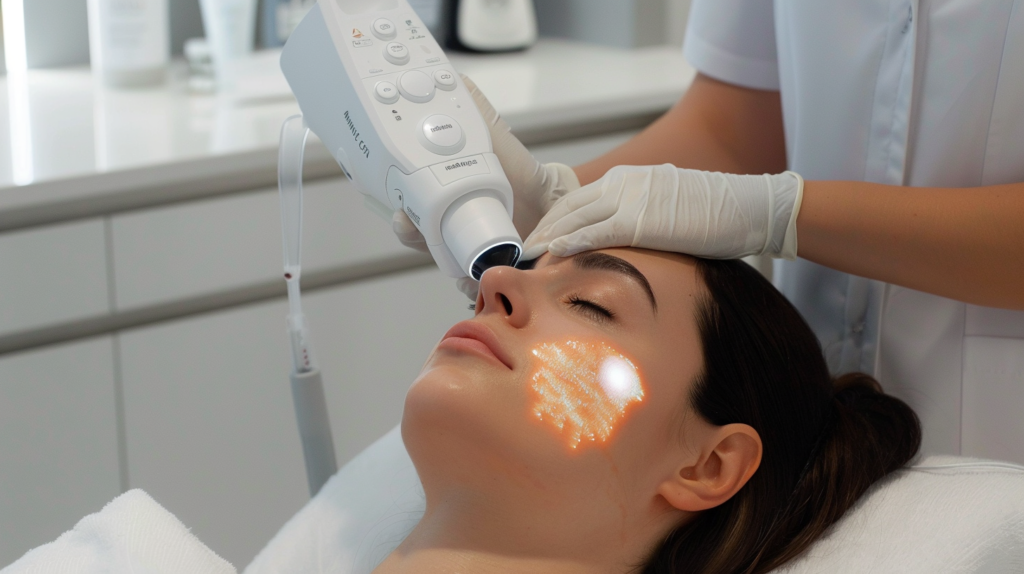
Thermal energy works by delivering carefully measured heat into targeted tissue levels. This may create a controlled response that encourages remodeling in the skin over time. In aesthetic medicine, this process is used to improve visible firmness and texture without surgical lifting.
The concept depends on controlled heating, not aggressive injury. When heat reaches selected layers, it may support collagen production and gradual collagen remodeling. Research on monopolar radiofrequency has described it as a nonablative skin-tightening approach that delivers heat into the dermis at controlled depths.
This is why consultation matters. The correct device, depth, intensity, and schedule depend on the patient’s skin type, concerns, tolerance, and medical history. Licensed providers use that information to reduce unnecessary irritation and support safer outcomes.
How Collagen and Elastin Influence Skin Firmness
Collagen and elastin help maintain visible bounce, structure, and resilience. Collagen gives skin support, while elastin contributes to flexibility. When these proteins become less organized over time, patients may notice fine lines, roughness, or reduced firmness.
Some energy-based treatments focus on stimulating collagen production through measured heat. This may contribute to new collagen formation during the following weeks. The process is gradual, which is why patients should not expect final changes immediately.
Heat may also cause collagen contraction, which can create an immediate tightening effect in some patients. That early change is usually subtle and temporary. Longer-term improvement depends on the body’s remodeling response.
Laser Skin Treatments Work Through Precise Energy Delivery
Laser skin treatments use focused light energy to target specific skin concerns. Depending on the laser type, treatment may focus on pigmentation, texture, wrinkles, scars, redness, or resurfacing. Each device interacts differently with the skin’s surface and deeper layers.
Laser treatments may be ablative, nonablative, or fractional. Ablative treatments affect the outer surface more directly and usually involve more recovery time. Nonablative and fractional approaches may have less downtime but often require multiple sessions.
Patients researching laser therapy should ask what device is being used and why. Different wavelengths, settings, and treatment endpoints carry different risk profiles. Professional selection is especially important for patients with pigmentation concerns or sensitive skin.
Some Patients Want to Improve Skin Texture Without Surgery
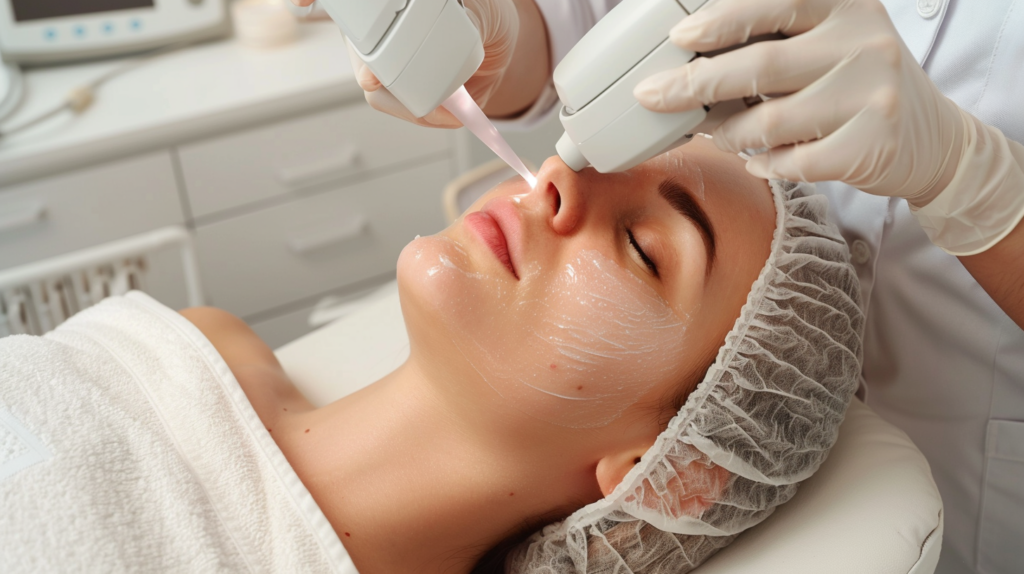
Many patients want to improve skin texture without incisions or extended recovery. Texture concerns may include enlarged-looking pores, roughness, acne scars, uneven tone, or mild creasing. These issues often involve both surface irregularity and deeper collagen quality.
Non-surgical skin rejuvenation may include radiofrequency, fractional lasers, microneedling with energy, or combined care plans. The right choice depends on the concern, downtime tolerance, and skin type. Some patients need resurfacing, while others benefit more from dermal heating.
The goal is comprehensive rejuvenation, not over-treatment. A careful provider may recommend conservative settings, staged sessions, and supportive skin care. This approach may reduce irritation while building toward visible improvement.
Thermal Treatment Options Should Match the Skin Condition
No single energy-based treatment is appropriate for every skin condition. Patients with scars, laxity, pigmentation, redness, or fine lines may require different approaches. A consultation should include skin history, previous treatments, current products, medications, and sun exposure.
Monopolar radiofrequency energy is one option used for deeper heating and firmness-focused treatment. Some systems use a larger treatment tip to distribute energy more broadly across the treatment area. This may support comfort and consistent coverage when appropriate.
Laser options may be selected for resurfacing, tone, scar visibility, or vascular concerns. However, laser selection must be individualized. Patients with a history of pigment changes, melasma, or recent tanning may need modified protocols or alternative treatments.
Mild Redness and Downtime Should Be Discussed Early
After energy-based care, mild redness, warmth, swelling, or sensitivity may occur. Some patients describe the feeling as similar to a mild sunburn, depending on the device and intensity. These reactions are usually temporary, but they still deserve clear aftercare guidance.
Temporary redness or slight redness does not mean the treatment was unsafe. It may reflect the expected inflammatory response from controlled energy delivery. However, patients should know what is normal and when to contact the provider.
Downtime varies by treatment. Some patients return to normal activities immediately, while others need more recovery time. This depends on device type, intensity, treated area, and the patient’s healing response.
Darker Skin Tones Require Careful Treatment Planning
Darker skin tones can often receive energy-based aesthetic care, but device selection and settings matter. Higher melanin activity may increase the risk of post-inflammatory hyperpigmentation after heat, inflammation, or laser exposure. This does not automatically exclude treatment, but it does require expertise.
Providers should evaluate skin types carefully before recommending aggressive resurfacing. Conservative settings, longer wavelengths, test spots, pre-treatment preparation, and careful aftercare may be considered. The safest plan depends on the patient’s history and the specific device.
Patients should ask whether the provider has experience treating their skin tone. They should also ask about pigment risk, downtime, and sun avoidance. A personalized plan is safer than a one-size-fits-all protocol.
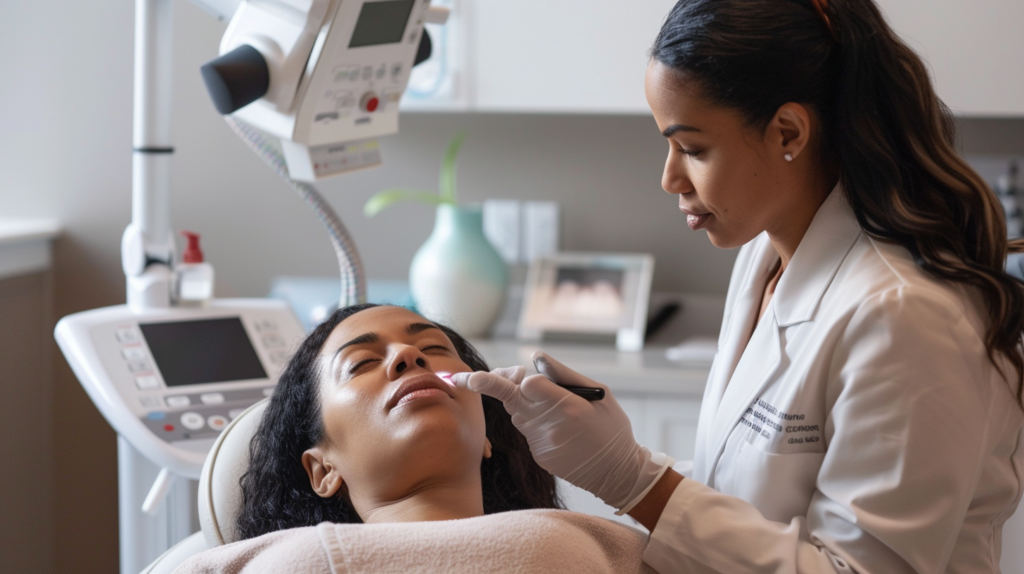
Controlled Injury Activates Natural Remodeling Pathways
Aesthetic energy treatments often rely on a controlled injury model. This means the treatment creates a measured response that encourages remodeling without unnecessary trauma. The goal is precision, not excessive inflammation.
Some treatments influence wound healing pathways related to collagen growth and tissue renewal. In cosmetic care, this should be explained carefully because the purpose is elective improvement, not disease treatment. The language should stay realistic and medically responsible.
Controlled thermal damage must be limited to the intended depth and treatment goal. Excessive thermal damage may increase risks such as burns, pigment changes, or prolonged irritation. This is why provider training and treatment planning are essential.
Results Usually Build Through Multiple Sessions
Some patients notice early firmness after just one treatment, especially when immediate collagen contraction occurs. However, meaningful improvement often develops gradually. Multiple sessions may be recommended for texture irregularities, laxity, scars, or more consistent remodeling.
Treatments that require multiple sessions usually do so because collagen remodeling takes time. Improvements may continue through the following weeks as tissue response progresses. Patients should evaluate results based on the full plan, not only the first appointment.
Optimal results depend on consistency, aftercare, sun protection, and realistic goals. The provider may adjust settings or spacing based on how the skin responds. This staged approach may help patients balance results with comfort and safety.
Benefits and Limitations Should Be Clear Before Treatment
Energy-based care has significant advantages for patients seeking elective refinement without surgery. It may support skin rejuvenation, skin firmness, smoother texture, and a fresher overall appearance. For some patients, it may also support a more youthful-looking skin effect without a dramatic change.
Still, results vary. Patients with advanced laxity may not achieve the same outcome as someone with mild early changes. Surgery may be more appropriate for significant sagging, while energy treatments may support subtle improvements.
An effective treatment matches the patient’s anatomy, goals, and risk profile. The best plan is not always the most aggressive option. A careful plan should prioritize safety, natural-looking changes, and informed consent.
Scar and Texture Concerns May Need Layered Care
Surgical scars, acne scars, and texture irregularities may respond differently to early laxity. Scar tissue can be firm, uneven, discolored, or texturally raised or depressed. Energy-based treatments may be part of a broader plan, but they should not be presented as a guaranteed correction.
Some patients may benefit from resurfacing, microneedling, radiofrequency, injectables, or topical preparation. The provider may combine modalities over time to address different layers of the concern. This is often more realistic than expecting one device to solve every issue.
A personalized approach also helps set expectations. Some scars soften visually, some improve in texture, and some remain visible. The goal is measured improvement, not perfection.
Comfort and Safety Depend on Protocols
Patients often worry about discomfort during treatment. Providers may use cooling, topical numbing, device adjustments, or pacing to minimize discomfort. Sensation varies by treatment area, device, intensity, and individual tolerance.
Clear treatment protocols support safer and more predictable care. These protocols may include skin preparation, energy settings, pass patterns, endpoint monitoring, and aftercare instructions. They also guide when treatment should be delayed.
Patients should disclose medications, recent sun exposure, active irritation, history of cold sores, pregnancy status, and previous adverse reactions. These details may affect eligibility. Good screening supports safer decision-making.
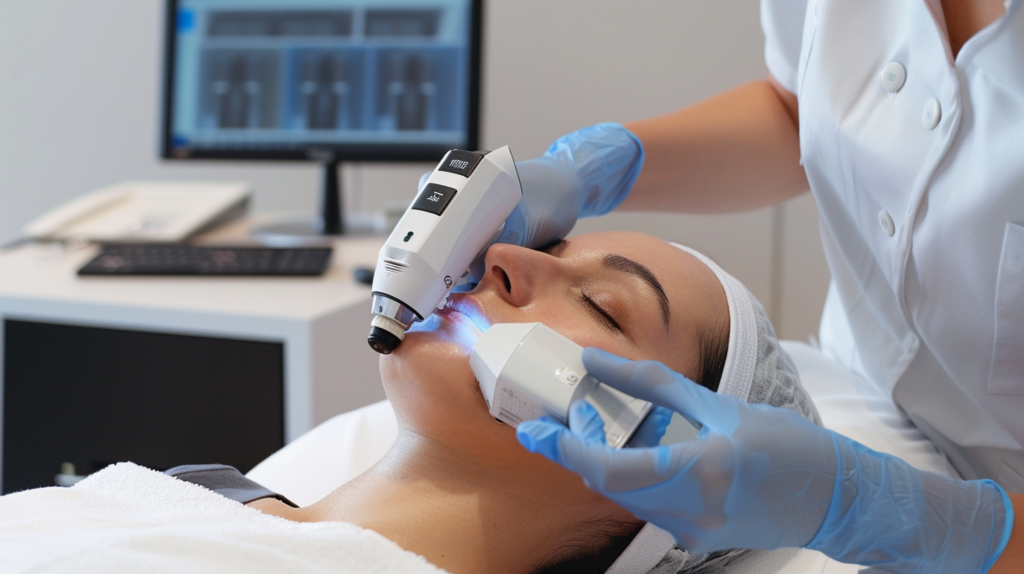
FAQ About Thermal Energy and Skin Rejuvenation
Can Thermal Treatments Help Fine Lines and Acne Scars?
They may support improvement in fine lines, acne scars, and uneven texture when the correct treatment is selected. Some concerns need a series of treatments or a combination plan. A consultation helps determine what is realistic.
Is There Recovery Time After Non-Surgical Skin Rejuvenation?
Recovery depends on the device and intensity. Some treatments involve little downtime, while others may cause redness, peeling, swelling, or sensitivity. More intensive resurfacing can require longer aftercare.
Are These Treatments Safe for All Skin Tones?
Energy-based treatments can be appropriate for many skin tones, but not every device or setting is suitable for every patient. Darker skin tones may need more conservative protocols to reduce pigment-related risks. A licensed provider should evaluate the skin before treatment.
Conclusion
Thermal energy-based care may support firmer, smoother, and more refreshed-looking skin when it is selected carefully. It can address skin concerns such as fine lines, laxity, rough texture, and certain scars, depending on the device and protocol. The most appropriate option depends on the individual patient.
Patients should understand that noticeable improvements often build gradually. Some treatments deliver an immediate tightening or tightening effect, but long-term changes depend on collagen growth, aftercare, and individual response. Long-lasting results may be supported by maintenance, but no outcome should be guaranteed.
Contact BluePoint Medical Spa to schedule a consultation with a licensed provider and discuss whether an elective aesthetic treatment plan is appropriate for your goals, skin type, and medical history. Individual results vary, and treatments may involve risks, contraindications, temporary reactions, or recovery time. A consultation is required before determining whether minimal downtime thermal care is appropriate for your treatment area.