Acne is one of the most common skin concerns in the United States, and it is not limited to adolescence. Adult acne may persist or appear for the first time in the 30s, 40s, and beyond, often influenced by hormonal shifts, stress, environmental triggers, skincare habits, and product choices. For patients who have tried over-the-counter products without consistent improvement, medical spa treatments may provide a more structured approach between basic home care and prescription dermatology.
At Blue Point Medical Spa, acne-prone skin is approached as an ongoing process rather than a single-visit concern. The Acne Bootcamp program reflects this philosophy by guiding patients through professional treatments, product adjustments, and routine follow-up. Understanding which treatments may help, and when each option is appropriate, can help patients move from frustration to a clearer acne management plan.
How Acne Develops Beneath the Skin
Acne develops through a sequence of changes inside the pilosebaceous unit, the structure that includes the hair follicle and the sebaceous gland. The sebaceous gland produces sebum, an oily substance that helps lubricate the skin and support the moisture barrier. Under normal conditions, sebum travels through the follicle and spreads across the skin’s surface.
Breakouts may begin when several factors occur at the same time. Excess sebum production, often influenced by androgens and other hormonal signals, can overwhelm the follicle. Hyperkeratinization, which means abnormal buildup of dead skin cells inside the follicle, may cause cells to clump together rather than shed naturally. This combination can create a microcomedone, which is the early clogged pore that may later become a visible breakout.
The blocked follicle can create an environment where Cutibacterium acnes, also called C. acnes, may increase. This bacterium normally lives on the skin, but inside a plugged follicle,e it can contribute to an inflammatory response. Patients may then notice whiteheads, blackheads, papules, pustules, and in more severe cases, nodules or cysts. Deeper inflammatory acne may carry a higher risk of acne scars and lingering discoloration.
This is why acne-prone skin often needs a multi-step plan. Treating only one factor, such as oiliness or bacteria, may not be enough for long-term control. A professional plan may address sebum production, clogged pores, bacteria, inflammation, skin sensitivity, and post-breakout marks together.
Chemical Peels for Acne-Prone Skin
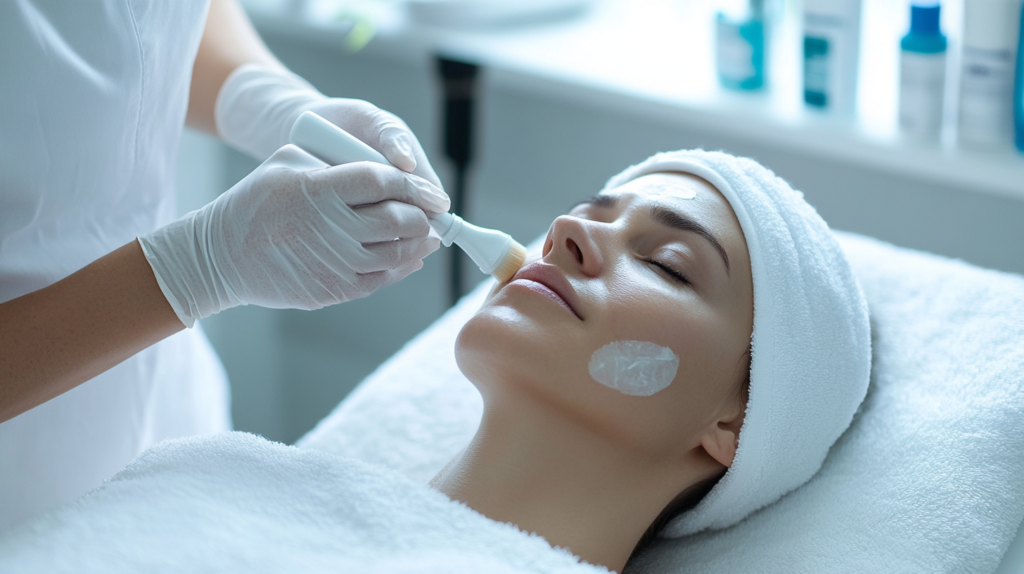
Chemical peels are commonly used in med spa acne treatments because they may help address clogged pores, uneven texture, and some forms of discoloration left after breakouts. A peel applies a controlled acid solution to the skin’s surface to encourage exfoliation and support cell turnover. This can help loosen dead skin buildup, reduce congestion, and improve how topical acne products work between visits.
Salicylic acid peels are often well-suited for acne-prone skin. Salicylic acid is a beta-hydroxy acid, or BHA, that is oil-soluble. Because it can move through oil, it may help penetrate the sebaceous follicle and loosen the oil and cellular debris that contribute to clogged pores. It also has calming properties that may help reduce the appearance of redness associated with active breakouts.
Glycolic acid peels may be considered when acne is accompanied by post-inflammatory hyperpigmentation, often called PIH. These dark marks may remain after a breakout resolves, especially in patients prone to pigmentation. Glycolic acid supports exfoliation in the epidermis and may help create a more even-looking tone over a series of treatments.
Blue Point’s chemical peels service includes protocols that may be adapted for acne-prone skin types. The provider selects the peel type, concentration, contact time, and treatment schedule based on skin sensitivity, breakout severity, skin tone, medication use, and prior treatment history. Many patients need a series of peels spaced several weeks apart, rather than one treatment, to see gradual improvement.
Medical-Grade Facials for Active Breakouts
A medical-grade facial for acne differs from a standard spa facial because it uses targeted products, professional technique, and a treatment plan designed around the patient’s skin condition. While a traditional facial may focus on relaxation and surface hydration, an acne-focused facial may include extractions, therapeutic masks, calming ingredients, and professional-strength products selected to support clearer-looking skin.
Extractions may be included when clogged pores are present. A trained provider uses sterile technique to clear comedones without forcing bacteria deeper into surrounding tissue. This is important because at-home squeezing or aggressive extraction may worsen inflammation, damage tissue, or increase the risk of scarring. Professional extraction should be gentle, precise, and appropriate for the skin’s current condition.
After extraction, the provider may apply ingredients designed to calm inflammation, support barrier health, and reduce surface congestion. Some acne-focused protocols may include anti-bacterial agents, sulfur-based masks, soothing treatments, or LED light therapy. Blue LED light may help target acne-related bacteria, while red LED light may help calm visible redness and support the skin’s recovery response. Results vary, and LED therapy is usually used as part of a broader plan rather than as a standalone solution.
The facials program at Blue Point Medical Spa includes options that may be tailored for patients with acne-prone skin. For some patients, facials may be coordinated with Acne Bootcamp to create a structured cadence that addresses both active breakouts and longer-term skin health.
Microneedling for Acne Scars and Texture
Active acne usually needs to be controlled before scar-focused treatments begin. Performing more intensive procedures on inflamed, breakout-prone skin may increase irritation and may not be appropriate. Once active acne is more stable, the provider may discuss options for acne scars, uneven texture, and lingering marks.
Microneedling is a common option for certain types of acne scarring and texture concerns. The treatment uses fine needles to create controlled microchannels in the skin. These micro-injuries trigger the body’s repair response, which may support new collagen and elastin production over time. With a series of treatments, some patients may notice a smoother texture and improvement in the appearance of atrophic scars, which are the depressed or pitted scars that can follow inflammatory acne.
The treatment depth depends on the type of scar, treatment area, skin thickness, and patient tolerance. More superficial depths may address mild texture concerns, while deeper settings may be considered for more noticeable scarring. The provider at Blue Point Medical Spa selects the approach based on the patient’s skin analysis, scar pattern, and treatment goals.
Recovery from microneedling may involve redness, mild swelling, and sensitivity for 24 to 72 hours. Patients should avoid makeup, intense exercise, sun exposure, and active skincare ingredients for the period recommended by their provider. Results develop gradually as collagen matures, and many patients need a series of sessions spaced several weeks apart. Individual results vary based on scar depth, skin type, age, healing response, and aftercare.
Laser Treatments for Acne-Related Concerns
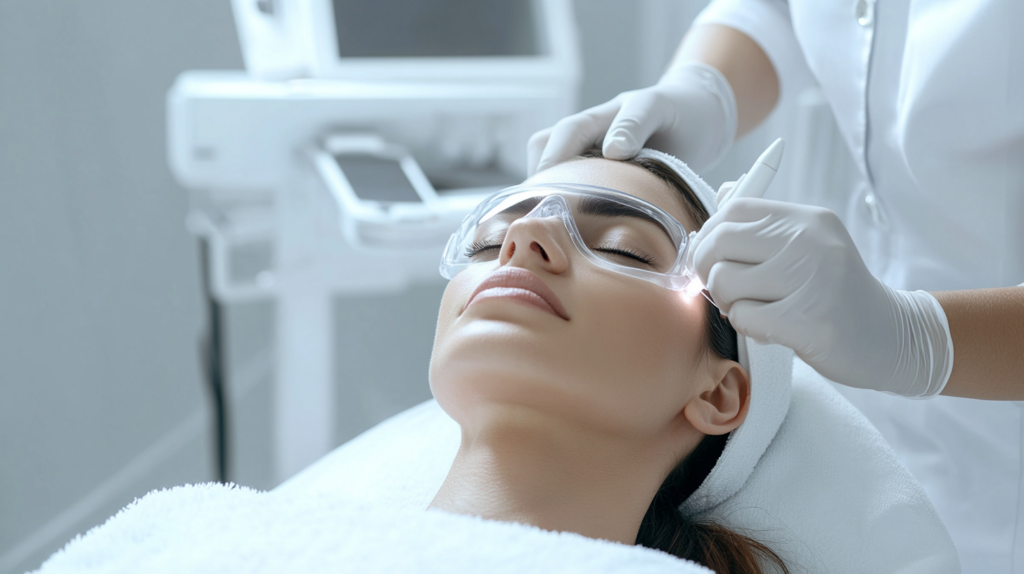
Laser treatments may be considered for acne-related concerns such as acne scars, hyperpigmentation, redness, and textural irregularity. Different laser technologies interact with the skin in different ways, so treatment selection depends on the concern being addressed and the patient’s skin type.
Fractional laser resurfacing creates controlled zones of thermal injury in the skin while leaving surrounding tissue intact. This may support collagen remodeling and improve the appearance of certain rolling scars or boxcar scars over time. Because the skin repairs itself around the treated zones, fractional technology may offer a balance between visible improvement and manageable recovery for selected patients.
Non-ablative lasers deliver energy beneath the surface without removing the outer layer of skin. These treatments may be considered for milder scarring, uneven tone, or PIH, especially when a patient wants less downtime. Results are usually gradual and often require a series of sessions.
The laser treatments page at Blue Point outlines available options. Patients considering lasers for acne-related concerns should first complete a professional skin analysis so the provider can evaluate scar type, pigment risk, recent breakouts, and healing history. Patients with darker skin tones or a history of post-inflammatory hyperpigmentation may require careful device selection and conservative settings to reduce pigmentation risk.
Medical-Grade Skincare Between Treatments
In-office treatments may help address acne at a professional level, but the products used between visits are often just as important. Patients who leave a treatment and return to pore-clogging moisturizers, harsh scrubs, or irritating products may undermine progress. A consistent home skincare regimen supports the work being done in the treatment room.
Medical-grade skincare may include active ingredients selected for the patient’s specific skin needs. Retinoids may help normalize follicular keratinization, which can reduce clogged pore formation over time. Benzoyl peroxide may help reduce acne-related bacteria. Niacinamide may support oil balance and calm visible redness. Azelaic acid may help with both breakouts and pigmentation concerns in selected patients.
Blue Point Medical Spa carries professional skincare lines such as ZO Skin Health, SkinMedica, and SkinBetter. The provider may recommend products based on the patient’s skin analysis, breakout pattern, sensitivity, and treatment plan.
The Blue Point Acne Treatment Line is also designed for acne-prone skin and may be used as part of a home program or alongside professional treatments. Product selection should be individualized because acne-prone skin can also be dry, sensitive, inflamed, or barrier-impaired. Stronger products are not always better if the skin cannot tolerate them.
Building a Structured Acne Treatment Plan
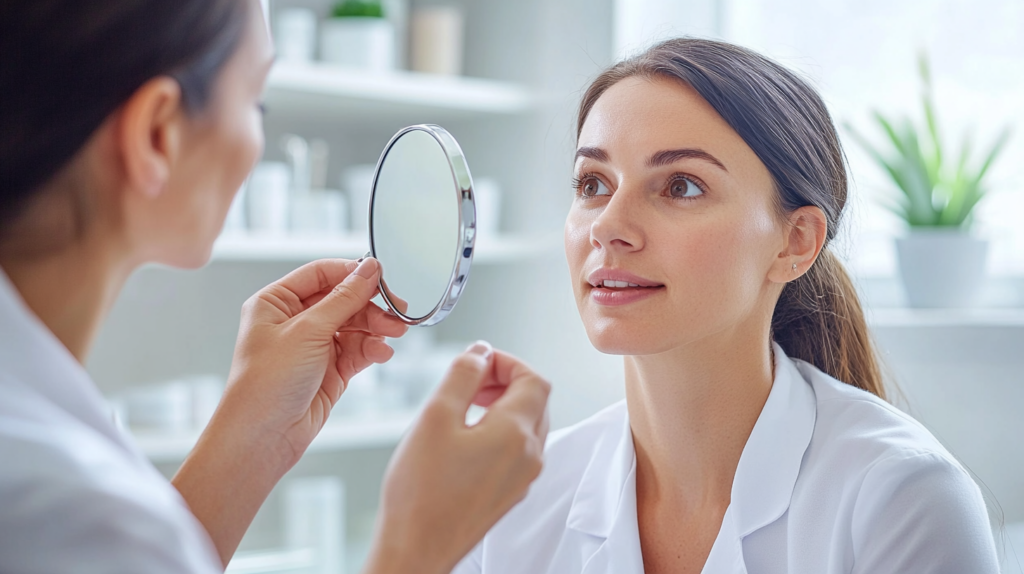
Effective acne management in a medical spa setting begins with a careful skin analysis. The provider evaluates the type of acne, including comedonal, inflammatory, or cystic patterns, as well as severity, sensitivity, pigmentation risk, and possible triggers. This assessment may happen during the initial consultation.
The treatment plan usually begins with breakout control. This may involve chemical peels, medical-grade facials, LED support, professional extractions, and a tailored home regimen. The provider monitors how the skin responds and adjusts products or treatment intervals as needed. Once active breakouts are better controlled, the plan may shift toward scar revision, skin texture, and discoloration.
Patients should expect acne treatment to take time. The skin’s natural cell turnover cycle is gradual, and changes to products or treatments may take several weeks to show visible results. A multi-month plan is often more realistic than expecting a single appointment to resolve a chronic concern.
Consistency matters. Patients who follow product instructions, avoid picking, protect the skin from sun exposure, and attend scheduled follow-ups may be better positioned to see improvement. However, acne is influenced by genetics, hormones, medications, lifestyle, and other factors, so individual responses vary.
Acne-Prone Skin and Professional Guidance
Professional guidance is especially important because acne-prone skin can react unpredictably. Some patients experience irritation from overuse of active ingredients. Others may worsen breakouts by using heavy oils, occlusive products, or frequent exfoliation. A provider can help identify which habits may be contributing to congestion or inflammation.
A medical spa plan can also help distinguish between different acne-like conditions. Not every breakout pattern is classic acne vulgaris. Some patients may have rosacea, folliculitis, product-related irritation, or hormonal patterns that require different management. A consultation helps clarify what is likely happening before treatment begins.
For patients with severe cystic acne, rapid scarring, painful nodules, or acne that may require prescription medication, referral to a dermatologist may be appropriate. Med spa treatments may support selected patients, but they should not delay medical evaluation when symptoms suggest a more complex condition.
At Blue Point Medical Spa, the goal is to create a realistic, step-by-step plan that supports clearer-looking skin while respecting the patient’s tolerance, lifestyle, and treatment history.
FAQ
Can med spa treatments cure acne permanently?
Acne is a chronic condition influenced by genetics, hormones, lifestyle, products, and environmental factors. Med spa treatments may help reduce breakouts, improve skin quality, and support long-term management, but they should not be presented as a permanent cure. Maintenance treatments and consistent home care may be needed.
Are med spa acne treatments safe for teens?
Some med spa acne treatments may be appropriate for teens with parental consent and provider evaluation. Mild chemical peels, acne-focused facials, and LED therapy may be considered depending on age, skin maturity, acne severity, and medical history. The provider determines what is appropriate during consultation.
Should patients stop prescription acne medication before med spa treatments?
Patients should not stop prescription acne medication without guidance from their prescribing provider. Some medications, especially oral retinoids such as isotretinoin, may affect healing and may require delaying certain treatments. Patients should disclose all medications during their consultation so the plan can be adjusted safely.
Conclusion
Acne-prone skin often needs more than a single product or one appointment. Professional treatments such as chemical peels, medical-grade facials, LED therapy, microneedling, and laser treatments may each play a role depending on whether the concern is active breakouts, congestion, scars, texture, or lingering discoloration.
At Blue Point Medical Spa, patients receive aesthetic care guided by consultation, education, and professional oversight. If you are struggling with adult acne, recurring breakouts, clogged pores, acne scars, or post-breakout discoloration, book a consultation to discuss which treatment options may be appropriate for your skin.
Individual results vary. A consultation with a licensed provider is required to determine whether a treatment is appropriate. Aesthetic services are elective and may involve risks, side effects, contraindications, or downtime. Recommendations may vary based on skin type, acne severity, medical history, medications, home care, lifestyle, and healing response.