LED light therapy has become one of the gentler treatment options used in medical spa settings. The technology uses selected wavelengths of light to support biological activity in the skin without heat, chemicals, or intentional tissue injury. Unlike resurfacing treatments that rely on controlled damage, LED phototherapy works through light-based cellular signaling.
For patients seeking support for skin healing, visible redness, inflammation, acne-prone skin, or overall skin clarity, LED light therapy may be considered as a standalone treatment or as part of a broader aesthetic plan. It is often chosen because it usually involves minimal discomfort and no traditional downtime, although results vary and depend on the concern being treated.
At Blue Point Medical Spa, LED light therapy is recommended based on a patient’s skin analysis, treatment history, and aesthetic goals. Understanding how LED phototherapy works, which wavelengths are used, and what patients can realistically expect can help make the consultation more productive.
Photobiomodulation and Cellular Response
LED light therapy works through a process called photobiomodulation. This term describes how non-thermal light energy may influence cellular activity. When selected wavelengths penetrate the skin, they are absorbed by molecules known as chromophores. One commonly discussed target is cytochrome c oxidase, an enzyme found in the mitochondria.
Mitochondria are the energy-producing structures inside cells. When cytochrome c oxidase absorbs light at certain wavelengths, it may support the production of adenosine triphosphate, also known as ATP. ATP is the molecule cells use for energy, repair, and normal function.
This cellular response may support processes involved in skin recovery, collagen synthesis, cellular turnover, and visible inflammation control. These effects are usually cumulative rather than instant. Patients often need a series of sessions before visible improvement becomes easier to notice.
The process is non-thermal. Unlike laser treatments or radiofrequency-based devices that use heat or controlled tissue stimulation, LED light therapy does not intentionally raise tissue temperature or create a wound. Its role is supportive, not corrective, in the same way as deeper resurfacing treatments.
Red, Blue, and Near-Infrared Light
Different LED wavelengths penetrate the skin to different depths and may support different goals. The most commonly used ranges in aesthetic settings include red light, blue light, and near-infrared light. A provider may recommend one wavelength or a combination, depending on the patient’s skin concerns.
Red light therapy typically uses wavelengths in the 620 to 700 nanometer range. This light can reach into the dermis, where fibroblasts and collagen fibers are located. Red light may support fibroblast activity, collagen production, and visible redness reduction. It is often used for patients interested in skin rejuvenation, post-treatment calming, and overall skin tone support.
Near-infrared light generally penetrates more deeply than visible red light. It may reach deeper soft tissue layers and is often discussed in relation to tissue recovery, comfort, and inflammation modulation. In aesthetic care, near-infrared therapy may be paired with red light to support recovery after selected procedures.
Blue light therapy uses shorter wavelengths that primarily target the surface and upper layers of the skin. Blue light is commonly used for acne-prone skin because it may affect Cutibacterium acnes, also known as C. acnes, a bacterium involved in inflammatory acne. Blue light is not an antibiotic and should not be framed as a cure, but it may support an acne plan for selected patients.
Some professional LED devices combine multiple wavelengths in the same session. This can be useful when a patient has more than one concern, such as visible redness, mild breakouts, and texture dullness. The provider determines whether combination therapy fits the treatment plan.
LED Therapy for Post-Treatment Recovery Support
One of the common uses of LED light therapy in a medical spa setting is post-procedure support. After treatments that intentionally stimulate the skin, such as microneedling, chemical peels, or laser resurfacing, the skin may go through a period of redness, sensitivity, and repair.
Red light and near-infrared light may help support the skin’s normal recovery process by calming visible redness and encouraging cellular activity related to tissue repair. This can make LED phototherapy a helpful complement after selected services, depending on timing and provider guidance.
Patients should understand that LED light therapy does not replace proper aftercare. Sunscreen, gentle cleansing, barrier-supporting moisturizer, and avoiding harsh activities remain important after aesthetic treatments. Patients should follow Blue Point’s pre- and post-treatment care guidelines for the primary procedure they received.
The provider may recommend LED therapy immediately after a procedure or during the days that follow, depending on the treatment type and the skin’s condition. Patients should not add outside treatments during recovery unless their provider confirms they are appropriate.
Acne-Prone Skin and Visible Inflammation
LED light therapy may also play a role in caring for acne-prone skin. Blue light therapy is often used because it may help target acne-related bacteria on the skin’s surface. This can be helpful for selected patients with mild to moderate inflammatory acne, especially when used alongside a structured plan.
Acne is influenced by several factors, including sebum production, clogged pores, bacteria, inflammation, hormones, product use, and lifestyle. Because of this, blue light therapy should not be presented as a complete solution on its own. It may be one tool within a broader acne management approach that includes professional treatments, home care, and follow-up.
Patients with breakouts may also benefit from services such as Acne Bootcamp, medical-grade facials, or selected chemical peels when appropriate. The right plan depends on acne type, skin sensitivity, pigmentation risk, and whether active inflammation is present.
For patients who cannot tolerate certain topical acne ingredients or who want a non-invasive add-on, LED phototherapy may be discussed during consultation. Results vary, and multiple sessions are usually needed before meaningful changes appear.
Skin Clarity and Rejuvenation Support
Beyond acne and recovery support, LED light therapy may help support overall skin clarity and skin rejuvenation. Patients may choose regular sessions to help maintain a healthier-looking complexion between more intensive treatments.
Red light therapy may support smoother-looking texture, more even-looking skin tone, and a refreshed appearance over time. These changes are usually gradual and may reflect cumulative improvements in cellular function, fibroblast activity, and skin comfort rather than a dramatic one-session transformation.
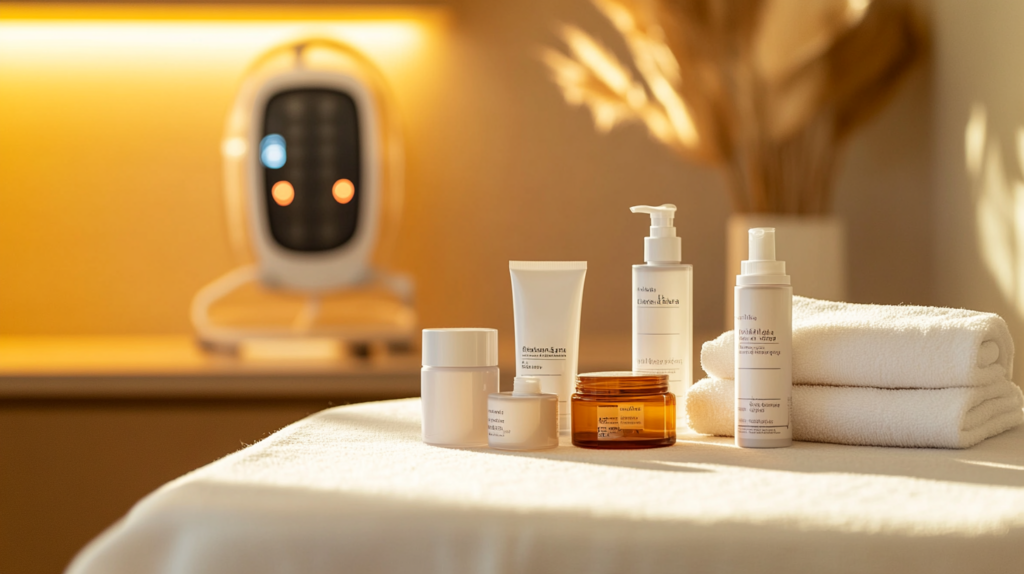
Pore appearance and skin texture may also improve when LED sessions are paired with appropriate home care. A provider may recommend medical-grade skincare, including products with retinoids, antioxidants, or barrier-supporting ingredients, depending on the patient’s skin type and tolerance. Blue Point offers professional skincare options such as SkinMedica, SkinBetter, and ZO Skin Health.
Patients who receive facials, microneedling, or other skin treatments may use LED light therapy as a maintenance tool between sessions. This can help support the broader skin health plan without adding significant downtime.
What Patients Can Expect During Treatment
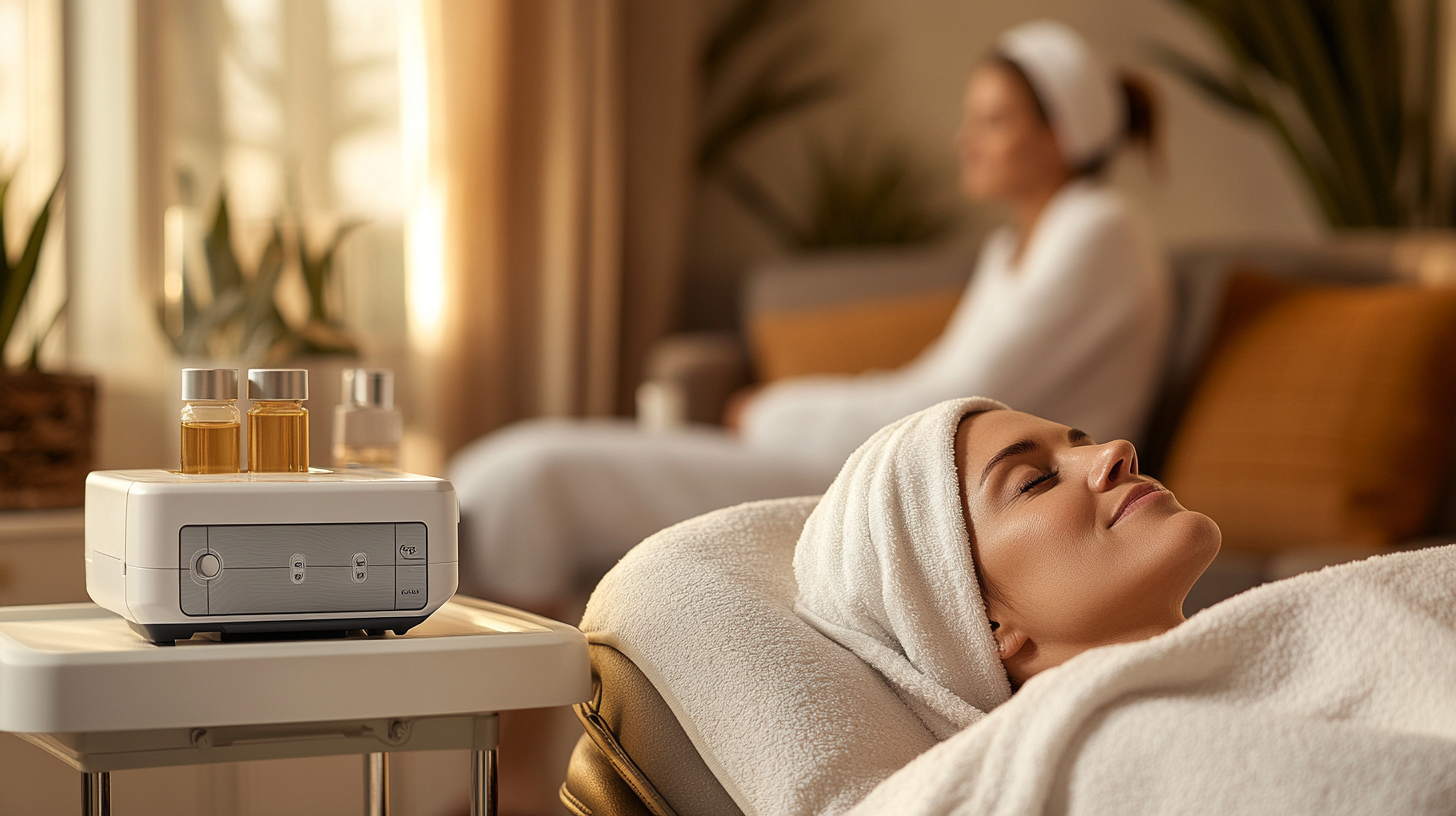
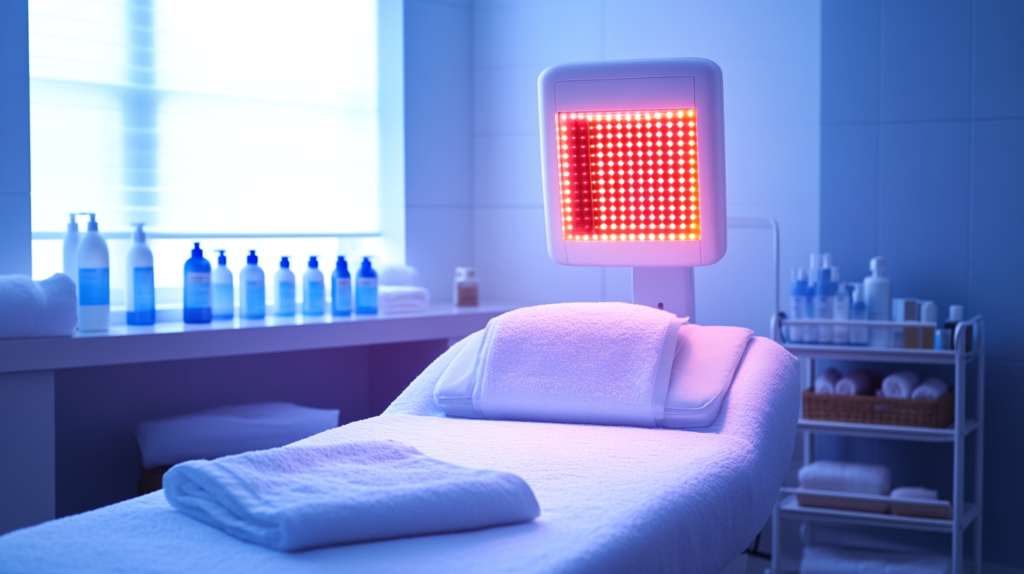
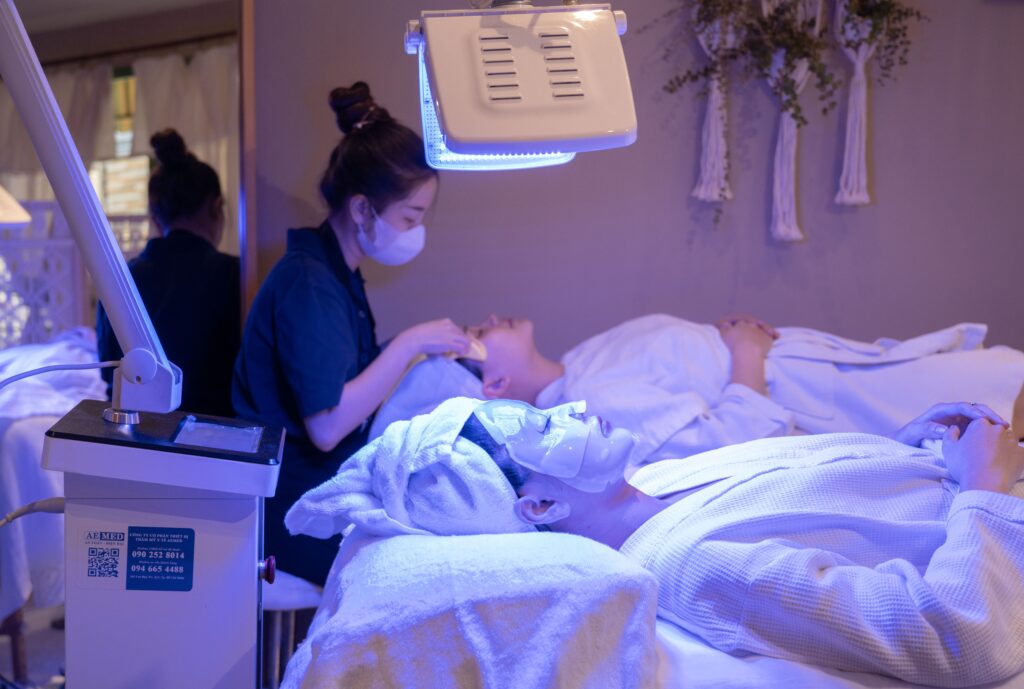
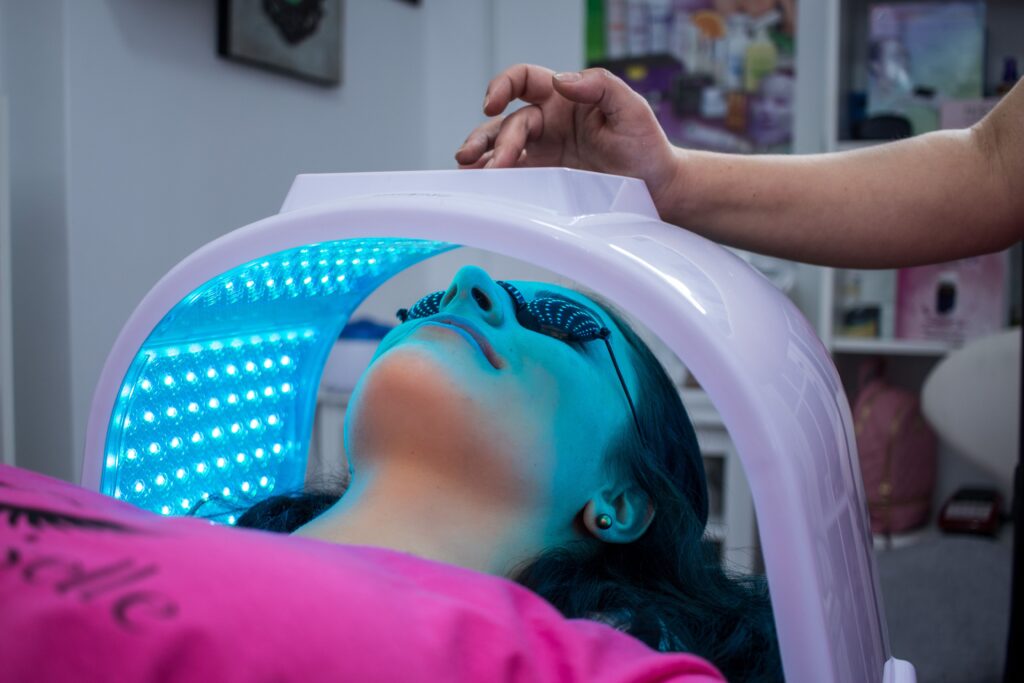
An LED light therapy session is usually comfortable and straightforward. The patient lies in a treatment room while an LED panel or mask is positioned over the treatment area. Common treatment areas include the face, neck, chest, and other areas recommended by the provider.
The device emits selected LED wavelengths for a set amount of time, often about 15 to 30 minutes. The exact timing depends on the device, treatment goal, and protocol. Patients may notice mild warmth or a relaxing sensation, but the treatment is generally not painful.
Because LED light therapy does not intentionally injure the skin, most patients return to normal activities immediately after the session. Makeup, sunscreen, and routine activities may usually resume unless the LED session was paired with another procedure that has separate aftercare requirements.
Patients taking photosensitizing medications or those with light-sensitive conditions should tell their provider before treatment. Pregnancy, breastfeeding, active skin conditions, recent procedures, and medication history should also be reviewed during the consultation. Even gentle treatments should be evaluated in the context of the patient’s health and skin status.
Treatment Frequency and Maintenance Planning
Treatment frequency depends on the concern being addressed. For general skin rejuvenation and maintenance, a provider may recommend a series of sessions over several weeks, followed by periodic maintenance. For acne support, sessions may be more frequent during the active treatment phase. For post-procedure care, LED therapy may be scheduled immediately after a treatment or during early recovery when appropriate.
Results are cumulative. One session may leave the skin feeling calmer or refreshed for some patients, but visible changes in skin clarity, redness, or texture usually require consistency. Patients should not expect the same immediate effect they might see from dermal fillers, Botox, or more intensive resurfacing treatments.
Maintenance sessions may help sustain results after an initial series. The schedule depends on skin concerns, lifestyle, sun exposure, acne activity, and the patient’s broader treatment plan. A provider at Blue Point Medical Spa can help determine whether LED phototherapy is best used as a standalone option or as a complement to other services.
Limitations and Realistic Expectations
LED light therapy can be useful within its specific scope, but it is not a replacement for treatments that address deeper concerns. It does not remove tissue, relax muscles, replace lost volume, or create the same level of collagen remodeling as more intensive procedures.
Patients with deep wrinkles, significant skin laxity, advanced volume loss, or severe acne scarring may need other options. Depending on the concern, a provider may discuss laser treatments, microneedling, Ultherapy, dermal fillers, or injectable treatments.
Patients who expect dramatic results from a single session may be disappointed. LED light therapy is better understood as a supportive, cumulative treatment that may improve the appearance of certain concerns over time. It often works best when combined with professional skincare, sun protection, and a consistent treatment plan.
Individual results vary based on skin condition, treatment frequency, age, lifestyle, home care, and the concern being addressed. A consultation helps determine whether LED is appropriate and what role it may play in the patient’s plan.
Combining LED Therapy With Other Medical Spa Treatments
LED light therapy can often be combined with other medical spa treatments because it does not intentionally create tissue damage. The timing still matters, especially if the patient recently received a peel, laser treatment, injectable, or microneedling session.
After neuromodulator treatments, such as injectables or after dermal filler appointments, LED may be discussed as part of a calming protocol for visible redness or mild swelling. The provider determines whether timing is appropriate based on the procedure performed.
After microneedling, chemical peels, or laser treatments, red and near-infrared light may be used to support the skin’s recovery environment. Patients should still follow all procedure-specific aftercare instructions and avoid assuming that LED cancels out downtime.
Patients using medical-grade skincare may incorporate LED therapy as part of a maintenance routine. The provider can help coordinate products and treatments so the skin is not over-treated or irritated. A balanced plan may include LED sessions, facials, sunscreen, and targeted skincare products.
FAQ
How long do LED light therapy results last?
LED light therapy results are usually cumulative and depend on consistency. Some patients notice improvement after several sessions, while others need a longer series. Once treatments stop, benefits may gradually fade over weeks or months, so maintenance sessions may be recommended.
Are home LED devices the same as medical-grade panels?
At-home LED devices usually have lower energy output and less targeted wavelength delivery than professional panels used in a medical spa. Home devices may support maintenance for some patients, but professional treatments are often preferred when the goal is a more structured protocol.
Is LED light therapy safe during pregnancy?
Patients who are pregnant or breastfeeding should consult their healthcare provider before any elective aesthetic treatment, including LED light therapy. Although LED is non-invasive and non-thermal, clinical data during pregnancy is limited. Many providers recommend postponing elective treatments as a precaution.
Conclusion
LED light therapy may support skin healing, visible redness reduction, acne-prone skin, and overall skin clarity for selected patients. It is gentle compared with many resurfacing treatments, but it should still be recommended based on skin condition, health history, and realistic goals.
At Blue Point Medical Spa, patients receive aesthetic care guided by consultation, education, and professional oversight. If you are interested in LED phototherapy for acne support, recovery after treatment, or general skin maintenance, book a consultation to discuss whether LED light therapy may fit into your skin health plan.
Individual results vary. A consultation with a licensed provider is required to determine whether LED light therapy is appropriate. Aesthetic services are elective and may involve risks, limitations, or contraindications. Recommendations may vary based on skin type, medical history, medications, pregnancy status, treatment goals, and response to care.