
Adult acne is not an anomaly. For many people in their 20s, 30s, 40s, and beyond, acne is an active, recurring condition, one that behaves differently than it did in adolescence and responds to a different category of treatment. If you are searching for adult acne treatment in Las Vegas and finding mostly content aimed at teenagers, that gap is intentionally left to be filled.
This post explains what adult acne actually is, why Las Vegas’s environment creates specific challenges, and what medical-grade options exist for patients who have moved well past puberty but have not moved past their breakouts.
Adult acne as a distinct skin condition
Acne in adults is not simply a continuation of adolescent acne. The underlying biology, trigger patterns, and effective treatment approaches differ in meaningful ways.
Teen acne is driven primarily by a surge in androgens, sex hormones that increase sebum, or oil, production during puberty. The sebaceous glands, oil-producing glands embedded in each hair follicle, become overactive, pores clog with sebum and dead skin cells, and Cutibacterium acnes, the bacteria most associated with inflammatory breakouts, proliferates in that environment.
Adult acne is more likely to be hormonal in a chronic, cyclical sense. In women, fluctuations tied to the menstrual cycle, pregnancy, perimenopause, the transitional years before menopause, and conditions like polycystic ovary syndrome (PCOS) create recurring androgen spikes that trigger breakouts on a predictable monthly cycle. Adult acne tends to concentrate on the lower face, the jawline, chin, and neck, rather than the T-zone, forehead, nose, and chin, a pattern more common in adolescence.
In both men and women, cortisol, the primary stress hormone, is a consistent driver. Cortisol stimulates the adrenal glands to produce androgens, which loop back into the sebum-overproduction pathway. This is why breakouts often worsen during high-stress periods regardless of other variables.
Adult skin is also different structurally. Collagen production, the ongoing process by which skin cells generate the protein framework that gives skin its density and elasticity, declines gradually after the mid-20s. This means adult skin heals more slowly from inflammatory lesions, and post-inflammatory hyperpigmentation (PIH), the dark marks left after a blemish clears, can persist for months rather than fading within weeks as it might in younger skin.
Las Vegas environmental factors that affect adult acne
Geography matters when discussing skin conditions. Las Vegas presents a set of environmental conditions that are clinically relevant to acne management.
Dry, low-humidity air. The Mojave Desert’s ambient humidity frequently drops below 20 percent, well below the 40–60 percent range associated with balanced skin barrier function. A compromised skin barrier, the outermost layer of the epidermis, responsible for retaining moisture and excluding irritants, triggers a compensatory increase in sebum production. The result: dry skin that is simultaneously oily, a combination that is both confusing and primed for clogged pores.
Heat and sun exposure. Las Vegas averages more than 300 sunny days per year. UV exposure, ultraviolet radiation from the sun, accelerates post-inflammatory hyperpigmentation in acne-prone patients, making the dark marks left by existing blemishes darker and more persistent. Heat also dilates pores and increases sweat production, which can trap additional debris against skin that is already prone to congestion.
Indoor environment paradox. Heavy casino and resort air conditioning, a constant feature of the Las Vegas environment, further strips moisture from skin. Many patients find that their skin is cycling rapidly between outdoor heat exposure and cold, conditioned air, stressing the skin barrier repeatedly throughout the day.
Patients who have tried over-the-counter acne products and found them insufficient are often dealing not only with the underlying acne condition but with these compounding environmental variables. A skincare routine built for a desert climate is meaningfully different from what works in more moderate environments.
Limitations of over-the-counter adult acne products
Most retail acne products are formulated for mild-to-moderate adolescent acne. They rely on a narrow set of active ingredients, primarily benzoyl peroxide, an antibacterial that reduces C. acnes populations; salicylic acid, a beta-hydroxy acid, or BHA, that loosens the bonds between dead skin cells and clears pores; and retinol, a vitamin A derivative that accelerates cell turnover.
These ingredients are effective at the concentrations available without a prescription. For adult acne driven by hormonal cycles, chronic cortisol elevation, or structural skin barrier dysfunction, retail concentrations are frequently insufficient.
Medical-grade formulations contain active ingredients at concentrations not available in over-the-counter products. They are selected and prescribed based on a clinical skin analysis, a structured assessment of skin type, barrier integrity, breakout patterns, and sensitivity, rather than generalized product marketing. The professional skin analysis is the starting point for any evidence-based treatment plan.
This distinction is not cosmetic. A product that is too aggressive for a compromised skin barrier will cause rebound inflammation. A product that is too mild for hormonally driven cystic lesions will produce no meaningful change. Medical-grade protocols account for the full picture.
Medical-grade treatments for adult acne
Effective adult acne management typically combines in-office treatments with a prescribed at-home protocol. No single modality addresses every driver of adult acne, which is why individual treatment plans vary. All procedures described below are performed by or under the supervision of licensed aesthetic providers.
Chemical peels for adult acne
Chemical peels use controlled acidic solutions, applied to the skin for a defined contact time, to exfoliate the surface, reduce congestion, and, depending on depth, stimulate collagen production in the deeper dermis. For adult acne, salicylic acid peels are particularly effective because salicylic acid is lipophilic and oil-soluble, meaning it penetrates sebaceous follicles directly to clear clogged pores rather than working only on the skin’s surface.
Glycolic acid peels, using an alpha-hydroxy acid derived from sugar cane, address surface texture and hyperpigmentation more aggressively. Combination peels may target both congestion and the post-inflammatory marks that often outlast the original blemishes.
Peel depth, frequency, and formulation are determined by the patient’s skin type, acne severity, and tolerance. Individual results vary based on anatomy, skin condition, lifestyle, and treatment plan. Learn more about chemical peel types and depths and their role in managing hyperpigmentation.
LED light therapy for acne-prone skin
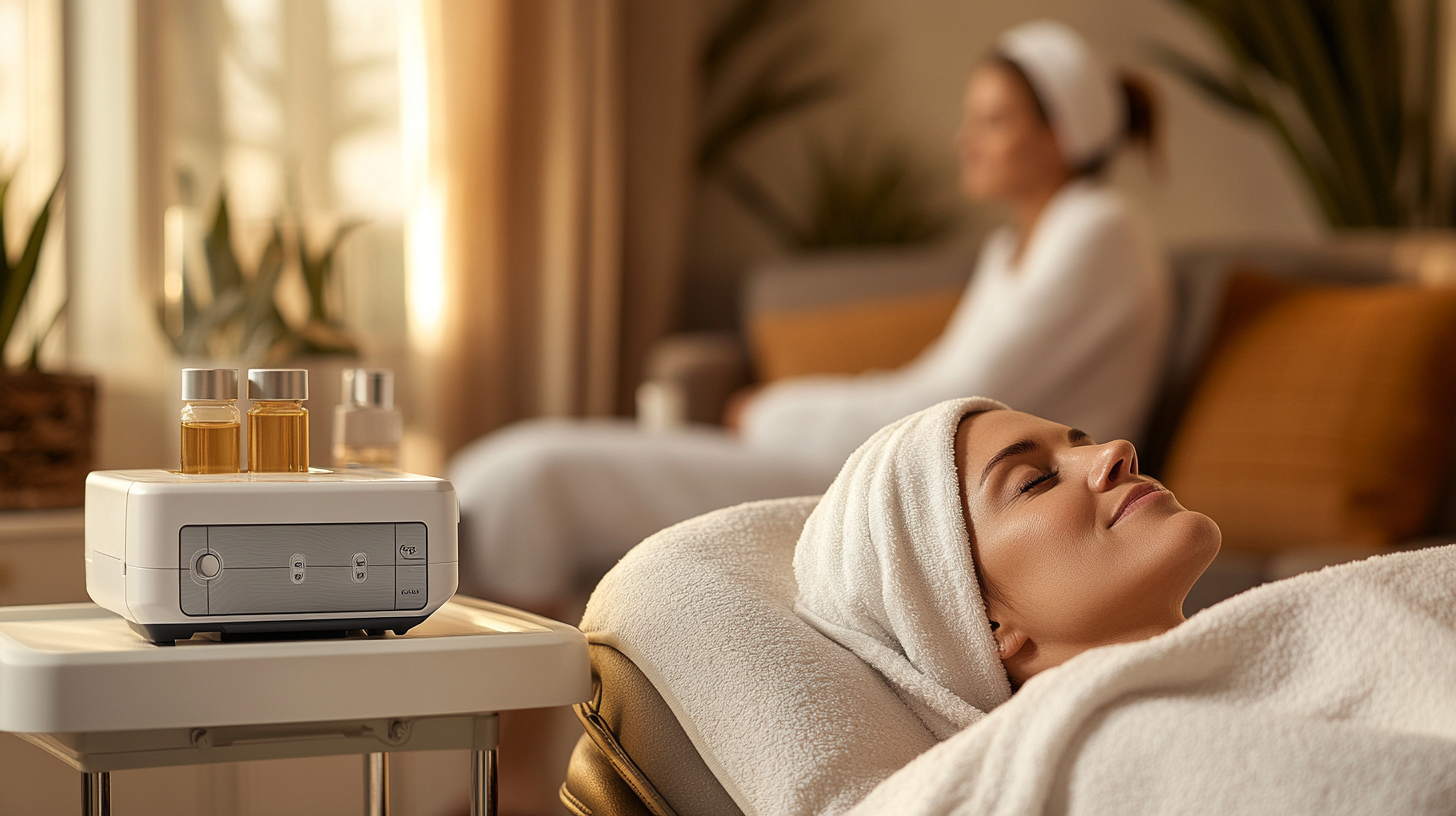
LED light therapy, light-emitting diode therapy, uses specific wavelengths of light to target different biological processes in the skin without heat, UV radiation, or physical disruption.
Blue light, with wavelengths in the 415 nm range, has documented antibacterial effects against C. acnes, directly reducing the bacterial population that drives inflammatory breakouts. Red light, 625–700 nm, penetrates more deeply and supports cellular repair and collagen synthesis, making it useful for reducing post-inflammatory redness and supporting the healing process after active breakouts.
LED therapy is a non-invasive, well-tolerated option with no downtime. It is commonly used as a component of a broader acne protocol rather than as a standalone treatment. The full range of benefits from LED light therapy extends beyond acne to general skin rejuvenation. Individual results vary based on anatomy, skin condition, lifestyle, and treatment plan.
Medical-grade facials and Acne Bootcamp
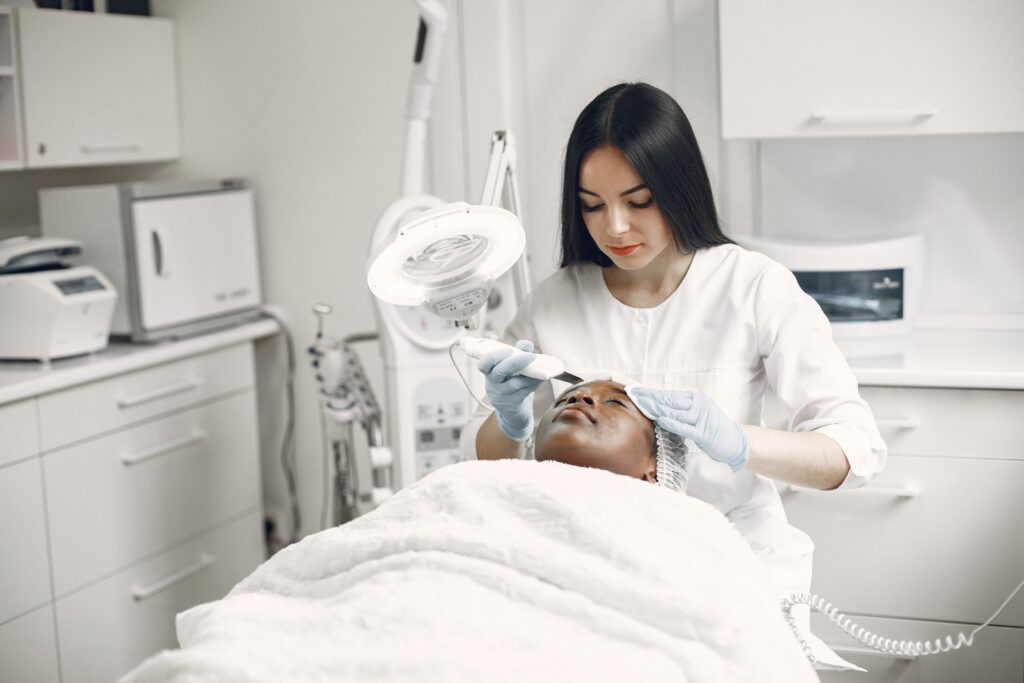
A medical-grade facial for acne-prone skin is a structured clinical service, not a standard spa relaxation treatment. It incorporates a detailed skin analysis, manual extractions performed under proper visualization and technique, and the application of active agents calibrated to the patient’s current skin condition.
Blue Point Medical Spa’s Acne Bootcamp is a targeted program designed specifically for adult acne patients. It combines in-office treatments with a prescribed at-home protocol, provider oversight across multiple sessions, and the kind of ongoing skin reassessment that reflects how acne actually behaves, cyclically, and in response to changing hormonal and environmental conditions. This is not a single-session solution. It is a structured program that treats adult acne as the chronic condition it often is.
Patients considering this approach can review the full range of med spa treatments for acne to understand how different modalities work together.
Skincare and prescription support for adult acne
For some patients, in-office treatments are most effective when combined with a prescribed topical or oral regimen managed by a qualified provider. This may include prescription-strength retinoids, vitamin A derivatives that normalize cell turnover and prevent follicular plugging, topical antibiotics, or, in cases involving hormonal drivers, coordination with a primary care or OB-GYN provider regarding hormonal management.
The medical environment of a licensed medical spa allows for this kind of integrated care, the ability to prescribe, monitor, and adjust a treatment plan over time, that a standard spa or over-the-counter routine cannot replicate.
Candidates for professional adult acne treatment
Professional intervention is most appropriate when home care has produced limited results over several consistent months, when breakouts are cystic, deep, nodular lesions that do not come to a head and often leave scarring, when post-inflammatory hyperpigmentation is significant and persistent, or when acne appears to follow a hormonal cycle pattern.
Patients who are already engaged with other aesthetic treatments should also note that unmanaged active acne affects the outcome of other procedures. Skin health is interconnected. A patient managing concurrent concerns, for example, early signs of volume loss or textural aging alongside active acne, will benefit from addressing the acne as a baseline condition. Understanding how collagen declines and what supports it is a useful context for patients thinking about skin health holistically across multiple concerns.
Adult acne also affects men, though it is discussed less frequently in aesthetic contexts. Hormonal drivers, stress, and environmental factors are equally relevant across genders. Patients curious about the full scope of med spa treatments available for men will find that acne management is a meaningful part of that conversation.
Adult acne consultation at Blue Point Medical Spa
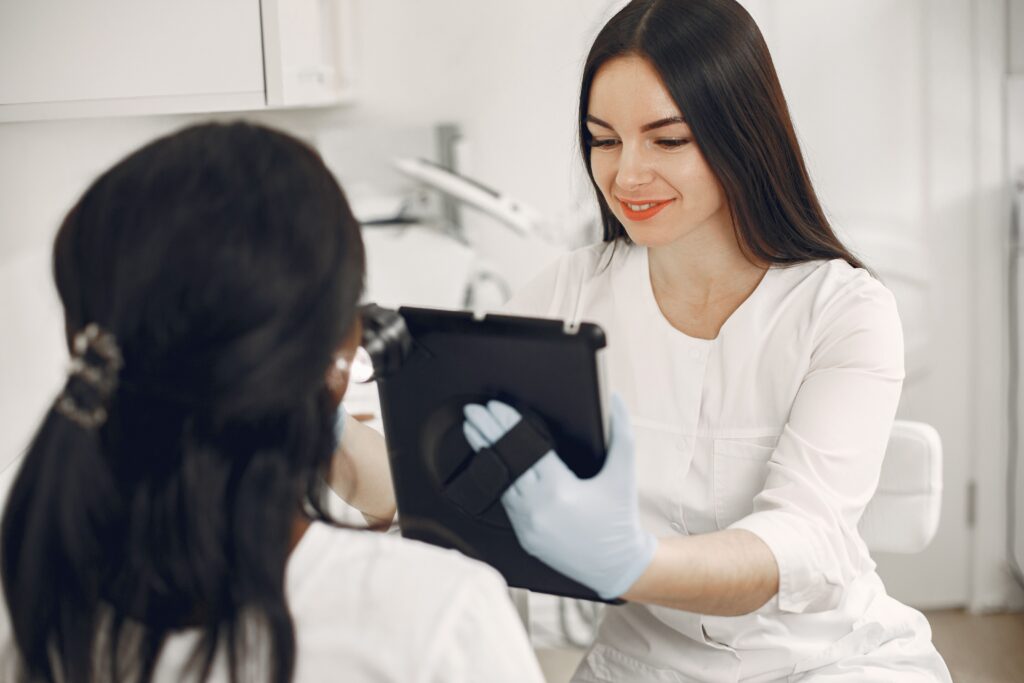
A consultation for adult acne at Blue Point Medical Spa begins with a structured skin analysis. The provider reviews breakout patterns, frequency and location, current home care routine, relevant medical and hormonal history, and skin type.
From that assessment, a treatment plan is built, one that reflects the individual patient’s acne type, skin condition, and goals. There is no standard Acne Bootcamp protocol applied identically to every patient. The specific combination of in-office treatments, home care products, and session frequency will vary.
Patients should come prepared to discuss their full skincare routine, any medications or supplements they are currently taking, and what they have already tried. That history is clinically useful and helps the provider build a plan that does not duplicate ineffective approaches.
If you are uncertain whether you are a candidate for medical-grade acne treatment, a consultation is the appropriate next step. Understanding what to look for in a medical spa can help patients approach that initial appointment with the right questions.
FAQ
Why does acne continue after the teenage years?
Adult acne can be influenced by recurring hormonal fluctuations, stress-related cortisol production, excess sebum, environmental conditions, and changes in the skin barrier. In women, menstrual cycles, pregnancy, perimenopause, and conditions such as PCOS may contribute to predictable recurring breakouts.
How does the Las Vegas climate affect adult acne?
Las Vegas’s low humidity, intense sun exposure, heat, and heavily air-conditioned indoor environments can repeatedly stress the skin barrier. This may contribute to dryness, compensatory oil production, clogged pores, and more persistent post-inflammatory hyperpigmentation.
When should an adult seek professional acne treatment?
Professional support may be appropriate when consistent home care has produced limited results after several months, when breakouts are deep or cystic, when dark marks remain after lesions clear, or when acne follows a recurring hormonal pattern.
Conclusion
Adult acne is a clinical condition that responds to clinical care. If over-the-counter products have not produced the results you need, a provider-led assessment is the most direct path toward a treatment plan that is actually calibrated to your skin.
Medical-grade adult acne care can combine professional skin analysis, in-office procedures, prescription support, and a structured home care routine. Because breakout patterns, hormonal influences, environmental exposure, and skin barrier health differ between patients, treatment should be adjusted according to the individual rather than applied as a standard solution.
Blue Point Medical Spa’s licensed aesthetic providers offer structured consultations for adult acne, including assessment for the Acne Bootcamp program. To begin developing a treatment plan tailored to your skin, book a consultation with Blue Point Medical Spa.
Individual results vary based on anatomy, skin condition, lifestyle, and treatment plan.