

The conversation around preventive Botox in your 20s and 30s has shifted considerably over the last several years. What was once considered an intervention for patients already managing established lines is now being discussed as a proactive step, one that addresses facial muscle movement before repetitive expression patterns have had years to etch themselves into the skin.
Providers at medical spas across Las Vegas are seeing a measurable uptick in patients in their mid-to-late 20s and early 30s scheduling initial Botox consultations. The questions they bring are consistent: Is this too early? Will it look unnatural? What, specifically, does “preventive” actually mean?
This post answers those questions with clinical context and a clear-eyed look at what the evidence supports and what it does not.
Understanding Preventive Botox for Younger Patients
The term “preventive Botox” refers to the use of botulinum toxin type A, a neuromodulator, a substance that temporarily reduces nerve signals to targeted muscles, at a lower dose or less frequent interval than is typical for treating already-established lines. The goal is not to freeze expressions. It is to reduce the repetitive muscular contraction that, over time, creates dynamic lines, the creases that appear with expression, before those lines become static lines, meaning wrinkles that are visible even when the face is at rest.
This is a meaningful clinical distinction. A static line represents collagen breakdown and dermal remodeling over years of repeated movement. A dynamic line, the earlier stage, responds predictably to neuromodulator treatment. Patients who begin a planned treatment series when lines are still in the dynamic stage are working with tissue that has not yet undergone the deeper structural changes associated with aging skin.
The preventive framing is not a marketing invention. Dermatological literature has long documented that reducing repeated muscle activity in areas like the forehead, glabella, the area between the brows, and crow’s feet may slow the rate at which dynamic lines progress to static ones. The qualifier matters, though: it may slow. No treatment eliminates the aging process, and individual anatomy, genetics, sun exposure history, and lifestyle factors all influence how a specific patient’s skin responds. Individual results vary based on anatomy, skin condition, lifestyle, and treatment plan.
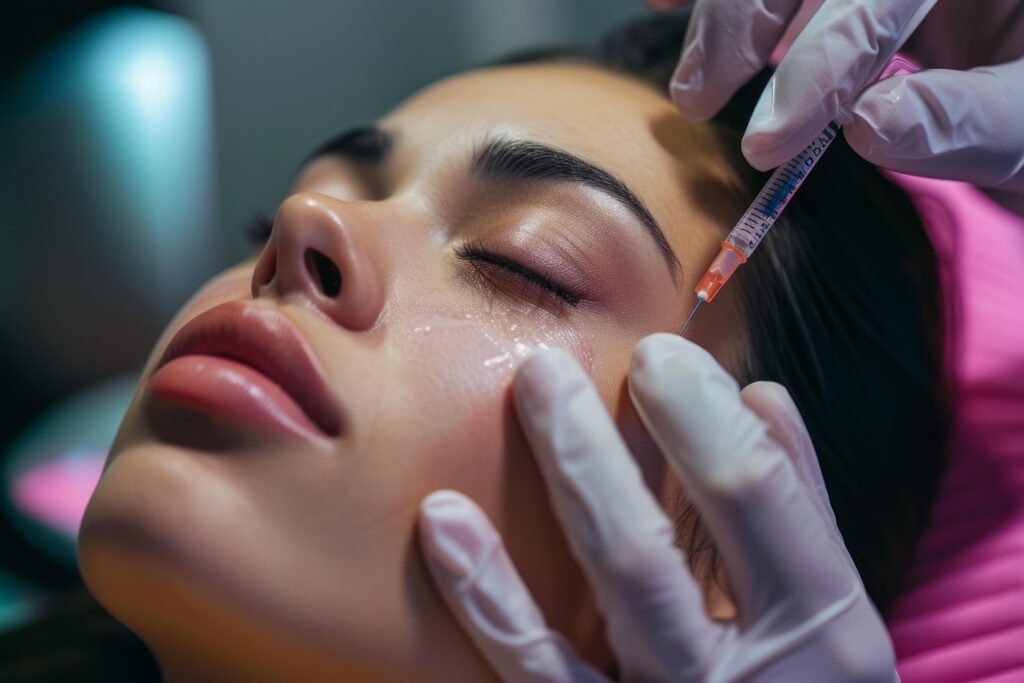
Preventive Botox and the Las Vegas Climate
Patients considering their first Botox appointment in Las Vegas are working in a climate that accelerates some of the skin changes neuromodulators aim to address. The desert environment, persistent low humidity, high ultraviolet index, and extended exposure to air conditioning affect skin differently from more temperate climates. See Blue Point’s desert-climate skincare routine guide for a detailed breakdown of how the local environment affects skin barrier function.
Photoaging, the cumulative skin damage caused by ultraviolet radiation, is an independent driver of the visible changes that many patients associate with aging. UV exposure degrades collagen and elastin, the structural proteins that give skin its firmness and rebound quality, and accelerates the formation of lines, particularly around the eyes and forehead. Las Vegas averages over 300 days of sunshine annually, and patients who spend time outdoors, at pools, on patios, and commuting accumulate significant UV exposure even without intentional sun-seeking behavior.
This does not mean that starting Botox earlier is automatically the right choice for every Las Vegas patient. It means that the environmental context is relevant when evaluating timing. Providers here frequently see patients in their late 20s with dynamic periorbital lines, lines around the eyes, that reflect both natural expression patterns and environmental exposure, and the clinical picture supports a more individualized conversation than “wait until your 30s.”
See also Blue Point’s summer skincare and sun protection guide for guidance on protective measures that work alongside injectable treatments.
Preventive Botox Consultations for Patients in Their 20s
For patients in their 20s, the first conversation is typically more exploratory than it is a treatment session. A thorough consultation with a licensed aesthetic provider, one who reviews the patient’s facial anatomy, movement patterns, skin quality, and goals, is the appropriate starting point. No reputable provider should recommend treatment before conducting that evaluation.
At Blue Point Medical Spa, consultations are performed by or under the supervision of licensed aesthetic providers. The assessment includes an analysis of facial movement in real time: which muscles are most active during expression, where lines are forming, and whether those lines are dynamic or beginning to transition to static. From that information, a provider can give a realistic picture of what a preventive approach might look like for that individual patient, including whether treatment is warranted at all.
Some patients in their mid-20s have minimal dynamic line activity and are not yet good candidates for neuromodulator treatment. Others show clear repetitive patterns, deep forehead furrows from habitual expressions, early crow’s feet from squinting in bright sunlight, which make a preventive approach a clinically reasonable option. The consultation is where that determination gets made.
Preventive Botox Dosing and Treatment Areas
Preventive Botox is not identical to corrective Botox. Dosing for a 28-year-old patient with dynamic lines and no static lines is typically lower than dosing for a patient treating established static wrinkles. The goal is the reduction of muscle movement, not elimination, to preserve natural expression while interrupting the habitual contraction pattern.
The most commonly treated areas for preventive use in younger patients include the frontalis, the forehead muscle responsible for horizontal forehead lines from raising the brows; the corrugator and procerus muscles, also known as the glabella complex, which are responsible for the vertical lines between the brows sometimes called “11 lines“; and the orbicularis oculi, the periorbital muscle responsible for crow’s feet at the outer corners of the eyes.
A lighter touch in these areas, calibrated to the patient’s anatomy and degree of muscle activity, can reduce the frequency and depth of dynamic line formation without producing an immobile or unnatural appearance. Patients who are concerned about looking “overdone” should have that conversation directly with their provider during the consultation. The concern is valid and addressable. It reflects a clinical choice about dosing, not an inherent property of the treatment itself.
For a broader overview of how botulinum toxin functions mechanically, see Blue Point’s guide to how Botox works. Patients comparing neuromodulator options may also find Blue Point’s Botox vs. Dysport vs. Xeomin guide useful before their consultation.
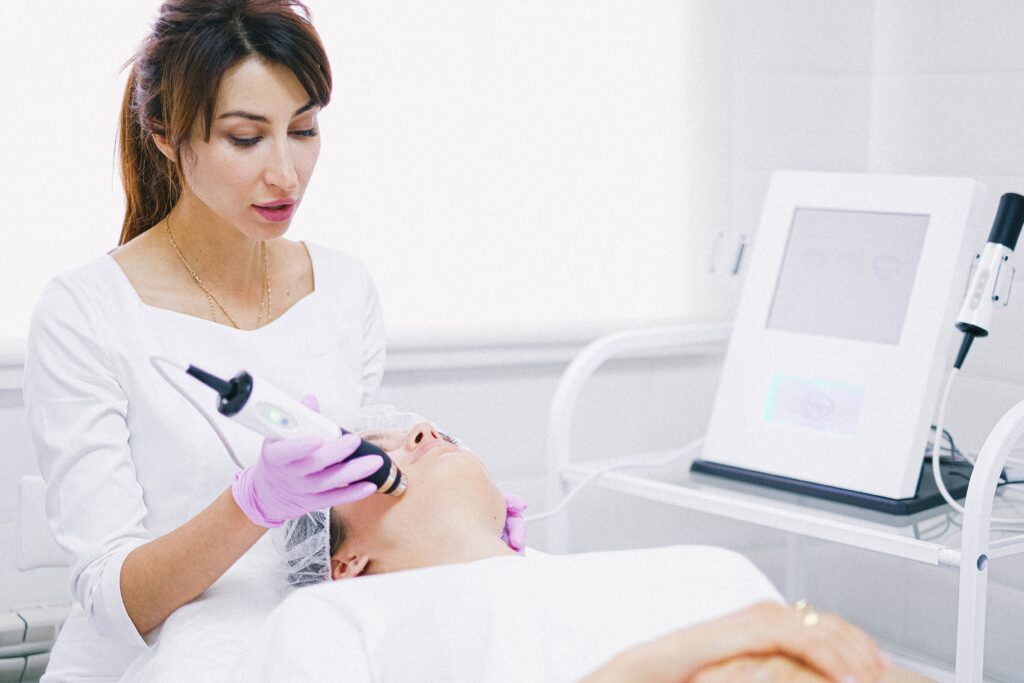
Preventive Botox Maintenance and Treatment Frequency
Preventive Botox is not a one-time procedure. Botulinum toxin metabolizes over time. Most patients experience the effects of a treatment session for three to four months, after which muscle activity gradually returns. For the preventive approach to achieve its intended purpose, patients need to understand that a planned, consistent treatment interval is part of the commitment. See Blue Point’s guide to how long Botox lasts for a more detailed discussion of duration variables.
This is not a problem unique to younger patients, but it is worth addressing clearly with first-time patients who may not yet have experience managing an ongoing aesthetic treatment plan. A provider can help establish a realistic maintenance schedule based on the individual patient’s response to the initial treatment.
There is also a reasonable question about whether starting earlier means more total treatments over a lifetime. The honest answer is: it depends on how a patient defines the outcome they are maintaining. A patient who begins a preventive series at 27 and maintains it consistently is making a different long-term commitment than a patient who begins corrective treatment at 45. Neither choice is objectively correct. What matters is that the patient has an accurate picture of the commitment before beginning.
Preventive Botox as Part of a Complete Skincare Strategy
Neuromodulators address one contributor to visible aging, muscle-driven line formation, but not all of them. Patients who approach preventive Botox as a standalone solution, without attention to sun protection, skin barrier maintenance, and collagen support, are likely to see more limited long-term benefit than patients who treat it as one element of a comprehensive approach.
For patients in their 20s and 30s, a well-constructed skin strategy typically includes daily broad-spectrum SPF, a topical regimen appropriate for their skin type and concerns, and periodic professional-grade treatments, such as chemical peels or other collagen- and skin-aging treatments, that support the structural integrity of the skin from a different angle than injectables do.
When the context is right, providers at Blue Point Medical Spa discuss injectable and non-injectable options together because the most effective plans tend to address multiple mechanisms rather than a single one. See Blue Point’s anti-aging treatments by age guide for a more detailed look at how treatment priorities typically shift across different life stages.
Preventive Botox Safety and Realistic Expectations
This post describes the clinical rationale behind preventive Botox as it is understood from current aesthetic medicine literature and from what licensed providers in Las Vegas are observing in their patient populations. It is not a substitute for an individual consultation.
Treatments are performed by or under the supervision of licensed aesthetic providers. Individual results vary based on anatomy, skin condition, lifestyle, and treatment plan. No treatment stops the aging process, and no specific outcome can be guaranteed.
FAQ
At what age should someone consider preventive Botox?
There is no single correct age to begin preventive Botox. A licensed provider evaluates facial movement, muscle activity, skin quality, and whether lines remain dynamic or are beginning to become visible at rest. Some patients in their 20s may not need treatment, while others may show repetitive movement patterns that make a preventive approach reasonable.
Will preventive Botox make the face look frozen?
Preventive Botox typically uses a lighter approach than treatment for established static wrinkles. The goal is to reduce repetitive muscle movement while preserving natural facial expression. The outcome depends on dosing, injection placement, anatomy, and the treatment goals discussed during consultation.
How often is preventive Botox needed?
Botulinum toxin effects commonly last three to four months, although duration varies between patients. A provider can recommend a maintenance schedule based on muscle strength, anatomy, treatment area, and the response to the first session.
Conclusion
Preventive Botox may be a reasonable option for younger patients who are beginning to develop repetitive dynamic lines, but treatment should never be based on age alone. Facial anatomy, muscle movement, sun exposure, skin quality, genetics, lifestyle, and personal goals all influence whether beginning treatment in the 20s or 30s makes sense.
A professional assessment can help determine whether treatment is appropriate, which areas may benefit, and what level of dosing can reduce repetitive movement without eliminating natural expression. Preventive Botox is most effective when it is treated as one part of a comprehensive approach that also includes sun protection, appropriate skincare, and realistic expectations about maintenance.
If you are considering whether a preventive approach is appropriate for you, a preventive Botox consultation is the most useful next step. Blue Point Medical Spa provides an individualized assessment that reviews facial anatomy, facial movement analysis, skin quality, and treatment goals before making any recommendations.
Schedule your consultation with Blue Point Medical Spa to discuss whether preventive Botox fits your anatomy, lifestyle, and long-term aesthetic goals.
Individual results vary based on anatomy, skin condition, lifestyle, and treatment plan.