
Choosing between aesthetic services often feels personal, especially when you want clearer, more comfortable skin without compromising its long-term balance. Many patients ask which option offers meaningful improvement and which fits a quieter, maintenance-driven rhythm. Understanding the differences between chemical peels and facials gives you a stronger foundation for thoughtful decisions. At BluePoint Medical Spa, our licensed providers guide patients through this process with clinical precision and a patient-first lens, helping you evaluate the key differences and consider what may suit your unique skin best.
Understanding the Patient Concern behind Comparing Two Popular Skin Treatments
Patients often feel unsure about which skin treatment fits their needs when results and recovery vary so widely. Two of the most requested services — facials and chemical peels — are often confused, though they serve overlapping yet distinct roles. Clarifying their purpose supports realistic expectations before committing to a plan.
When people research care for acne scars, uneven skin tone, or persistent skin issues, they often encounter marketing language that blurs the medical nuance between these services. A well-informed choice considers your skin type, your goals, and how each treatment interacts with the skin layers over time.
What Chemical Peels Are and How They Function on the Skin
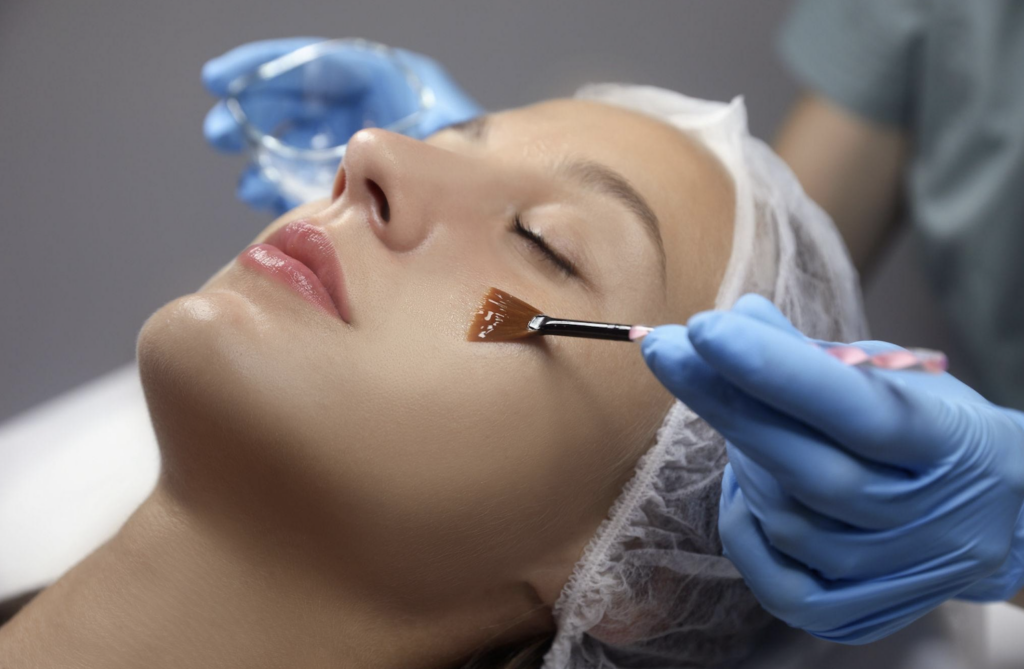
Chemical peels are controlled cosmetic treatments that apply a professional-strength chemical solution to prompt measured exfoliation. By helping to remove dead skin cells and encouraging skin cell turnover, the process may support a brighter, smoother surface and more even pigmentation. Peels are frequently chosen to address specific skin concerns through a structured, provider-led approach.
A chemical peel treatment can be tailored using different active ingredients, including glycolic acid, salicylic acid, lactic acid, and other alpha-hydroxy acids. These formulas vary in depth and intensity, allowing providers to design a session suited to aging skin, acne-prone skin, or sun damage, depending on individual factors.
The Controlled Exfoliation Process behind a Chemical Peel
Chemical peels work through controlled exfoliation: the applied chemical solution lifts older surface cells so fresher layers may emerge. This peeling process may reveal new skin that looks smoother and more luminous, though visible effects and recovery depend on the depth and your skin type. Providers adjust the formulation to respect sensitive skin, and results vary based on individual factors.
What Facials Are and the Role They Play in Ongoing Skin Care
Facials are multi-step skin care sessions that typically combine a gentle cleanser, light exfoliation, extractions, masks, and a relaxing massage. They focus on deep cleansing, hydration, and skin maintenance rather than deeper resurfacing. Many patients choose regular facials to keep the skin balanced, calm, and comfortable.
Because facials focus on nourishment and surface care, they are often chosen for sensitive skin and for individuals new to professional skincare. The relaxing treatment elements, which frequently include a relaxing massage, may encourage blood circulation and support calm. A gentle cleanser alongside nourishing steps helps to deeply cleanse without overwhelming the complexion.
How Regular Facials Support Skin Maintenance and Glow
Monthly facials may support skin health by reinforcing cleansing habits, supporting hydration, and keeping enlarged pores visibly clearer. Over time, regular treatments may contribute to a more radiant complexion and glowing skin without the deeper changes associated with peels. Facials work best as part of a consistent, preventive approach rather than a single corrective event.
The Medical and Wellness Context of Each Option
Both peels and facials live within a broader wellness framework where skin quality intersects with lifestyle, sun exposure, hormonal shifts, and daily habits. Skincare professionals help patients interpret these factors and recommend services aligned with realistic goals. This context prevents oversimplified comparisons that highlight only short-term surface results.
From a clinical standpoint, medical-grade peels are typically overseen by licensed providers and selected for patients seeking structured correction of various skin concerns. Facials, in contrast, generally prioritize comfort, prevention, and continuous exfoliation, which makes them a strong complement to more intensive services.
Key Differences between Chemical Peels and Facials
The most notable key differences come down to purpose and depth. Peels are designed to penetrate deeper, often reaching past the outermost layer to influence skin texture and skin tone. Facials remain largely on the surface, supporting hydration, cleansing, and circulation without bigger structural change.
Outcomes also differ. The benefits of chemical peels may include visible improvements in pigmentation, uneven texture, dark spots, and clarity. Facials tend to deliver a refreshed, well-hydrated feel and a short-term glow. Each has its role depending on how you define optimal skin health.
Depth of Treatment and Skin Layers Involved
The depth at which chemical peels work varies by formulation. Superficial peels or light peels treat only the topmost cells, medium peels reach further, and a deep chemical peel addresses deeper skin layers under close medical supervision. Facials rarely affect beyond surface-level debris and dullness, which is part of why they remain suitable for ongoing skin maintenance.
Understanding Light Peels, Medium Peels, and Deep Peels
Light Peels for Gentle Resurfacing
A light chemical peel often uses mild alpha hydroxy acids to brighten the complexion with minimal downtime. These formulations are commonly chosen for early signs of dullness, mild breakouts, or patients exploring peels for the first time, and they are generally well-tolerated under a trained provider.
Medium Peels for More Targeted Renewal
Medium peels are often selected for more noticeable pigmentation concerns, dark spots, and uneven skin tone. They involve a brief recovery window during which visible flaking may occur before younger-looking skin underneath becomes more apparent. Outcomes depend on aftercare and individual biology, and consultation is required.
Deep Peels for More Intensive Treatments
Deep peels represent the most intensive treatments in the peel category and are reserved for select concerns under the supervision of a qualified provider. Because they reach the deepest accessible layer in a cosmetic setting, they require careful candidate evaluation and thorough post-care to support the skin underneath as it heals.
Choosing the Right Skin Treatment for Your Unique Skin
Selecting the right skin treatment begins with an honest conversation about goals, history, and tolerance. Patients with reactive complexions may start with facials or superficial peels, while those addressing acne scars or sun damage may explore medical-grade chemical peels. Our providers evaluate different skin concerns and build personalized plans accordingly.
Skin tone, lifestyle, and seasonal sun exposure also influence the recommendation. A thoughtful plan considers what the skin needs now and how it may respond across sessions. Results vary, and consultation is required.
Benefits, Considerations, and Realistic Expectations
The anti-aging benefits of peels may include support for collagen production, a smoother skin texture, and a more even skin’s appearance, though outcomes depend on skin biology and aftercare. Patients often notice a progression toward radiant skin across a series rather than after one session. Peels may also improve skin texture when paired with consistent home care.
Considerations include recovery time, cost, and how each service fits into your broader skin maintenance plan. Some patients combine both, using facials for upkeep between peel sessions, so the best chemical peels for their concerns are supported by ongoing hydration. As with any cosmetic service, individual results vary, potential risks or contraindications exist, and consultation is required.
FAQ
How Do I Know Whether to Start with a Facial or a Peel?
Starting with a facial is often a comfortable entry point for patients new to professional skincare. If you have more focused goals — such as acne scars, pigmentation, or sun damage — a provider may recommend a chemical peel after evaluating your skin.
Can Facials and Chemical Peels Be Combined over Time?
Yes, many patients incorporate both as part of a long-term routine. Facials may support skin health between peel sessions, while peels address deeper concerns periodically under a personalized plan designed by a licensed provider.
Are Chemical Peels Safe for Sensitive Skin?
Certain light peels that rely on gentler acids like lactic acid are commonly chosen for more reactive skin types and are generally well-tolerated. A licensed provider can determine whether your skin type is a suitable candidate based on individual factors.
Conclusion
Choosing between chemical peels and facials is less about finding a single “winner” and more about aligning a service with your goals, comfort level, and long-term vision. Peels may address deeper concerns such as acne scars, sun damage, and dullness, while facials support ongoing skin maintenance, a radiant complexion, and a consistent self-care rhythm.
Because cosmetic services are elective rather than medically necessary, thoughtful planning is essential. Individual results vary, treatments carry potential risks or contraindications, and a consultation with a licensed provider is required to determine whether a specific approach suits your unique skin and broader wellness goals.
To explore which option may suit you, schedule a consultation with BluePoint Medical Spa, or contact our office to learn more about our offerings and personalized recommendations.