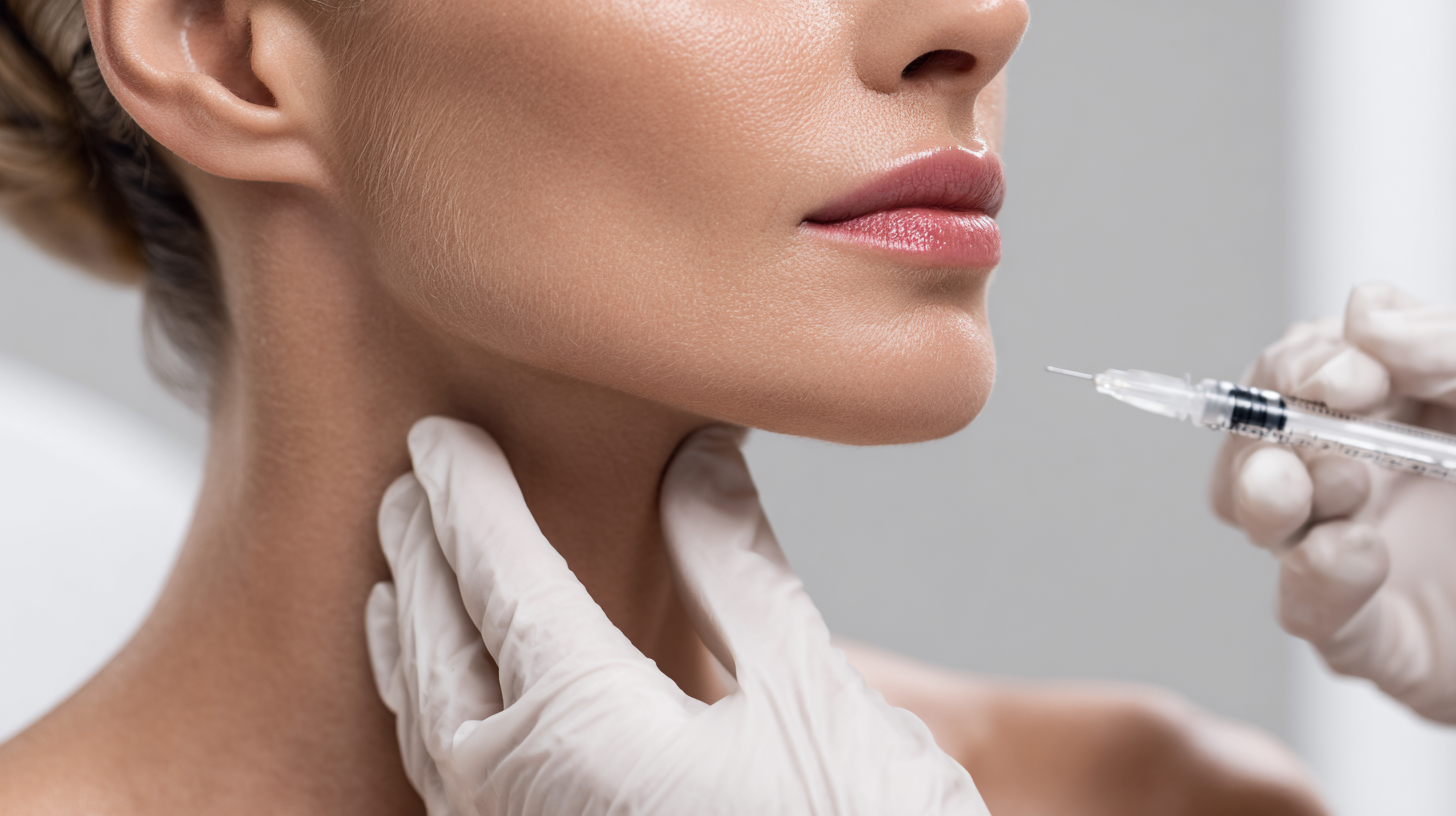

The number of medical spas across the United States has grown steadily, and Las Vegas is no exception. Patients now have access to many providers offering Botox, dermal fillers, body sculpting, laser treatments, facials, peels, and other aesthetic treatments. The challenge is not simply finding a med spa. It is choosing one that follows clinical, ethical, and safety standards.
Choosing a medical spa requires more than comparing prices or reading a few online reviews. Treatments performed in a med spa may involve medical-grade products, prescription-strength formulas, injectable products, and clinical devices. These services can affect the skin and body in meaningful ways, so provider qualifications and safety protocols matter.
A trustworthy medical spa should offer professional oversight, transparent communication, realistic expectations, and individualized care. At Blue Point Medical Spa, treatment planning begins with consultation, education, and patient-specific assessment. The goal is to help patients understand their options before choosing a treatment path.
Provider Credentials and Medical Oversight
The most important factor in evaluating a medical spa is the qualification of the people performing and supervising treatments. Services such as injectables, laser procedures, chemical peels, microneedling, and body contouring require training, clinical judgment, and an understanding of safety considerations.
Patients should ask who serves as the medical director and whether that person is actively involved in clinical oversight. Some facilities may list a physician in name only, while daily treatment decisions are handled without meaningful medical supervision. A trustworthy practice should be able to explain how treatment protocols are reviewed and who is responsible for patient safety.
Licensed professionals at a reputable med spa may include physicians, nurse practitioners, physician assistants, registered nurses, or other providers trained within their legal scope of practice. The exact structure may vary, but the patient should know who is performing the treatment and what qualifications they have.
At Blue Point Medical Spa, treatments are performed by licensed professionals who evaluate each patient’s skin concerns, anatomy, goals, and health history before recommending a plan. The practice operates under the supervision of Dr. Danka K. Michaels, M.D., providing a clinical foundation for aesthetic care.

Consultation Quality as a Trust Signal
A consultation often reveals more about a medical spa than marketing materials do. During this visit, the provider should evaluate the patient, review concerns, ask about medical history, and recommend options based on assessment rather than a one-size-fits-all menu.
A strong consultation includes discussion of goals, skin condition, prior treatments, medications, allergies, lifestyle factors, and possible contraindications. Contraindications are factors that may make a treatment less appropriate or unsafe, such as active infection, pregnancy status, certain medications, recent procedures, or specific medical conditions.
The provider should explain recommended treatments in plain language. Patients should understand what a treatment may help with, what it cannot do, what results may look like, when results may appear, and what recovery may involve. A provider should also discuss potential side effects and risks without minimizing them.
Patients should be cautious if a provider promises guaranteed results, pressures them to book immediately, or presents treatment as medically necessary when it is elective and aesthetic. A trustworthy medical spa frames treatment as an option and respects the patient’s decision-making process.
Blue Point’s consultation process helps patients understand the steps involved before treatment begins. This approach supports informed consent and realistic expectations.
Facility Standards and Product Sourcing
The physical environment of a medical spa can reflect its operational standards. Treatment rooms should appear clean, organized, and appropriate for services involving skin procedures, injectables, or clinical devices. Supplies should be handled properly, and the setting should feel professional rather than improvised.
Product sourcing is also important. Injectable products such as Botox and dermal fillers should come from authorized sources. Proper sourcing helps support product authenticity, correct storage, and traceable lot information. Patients have the right to ask questions about the products being used.
Clinical devices also require appropriate maintenance. Treatments involving laser technology, radiofrequency, microneedling, or body sculpting depend on correct settings, regular maintenance, and trained operators. Device safety is not only about the machine, but also about how it is used.
A trustworthy med spa should be able to explain treatment preparation, safety protocols, and aftercare. If a practice avoids basic questions about products, devices, or provider training, patients may want to reconsider.
Treatment Transparency and Pricing Practices
A trustworthy medical spa communicates clearly about treatment options, expected outcomes, costs, and maintenance. Patients should know what the treatment involves, how many sessions may be recommended, what the recovery may look like, and what the estimated cost is before committing.
The lowest price is not always the best value. Pricing for Botox, dermal fillers, laser treatments, and other medical spa treatments can vary based on product quality, provider experience, facility standards, and treatment complexity. Extremely low pricing may raise questions about product sourcing, dilution, training, or whether the patient is receiving the appropriate service.
Transparent pricing does not mean every treatment has a fixed universal cost. Some treatments depend on dosage, treatment area, device settings, number of sessions, or combination planning. The important point is that patients should receive a clear explanation before treatment begins.
A personalized treatment plan should reflect the patient’s skin type, goals, anatomy, medical history, and tolerance for downtime. A practice that recommends the same protocol to every patient may not be providing true individualized care.
Blue Point Medical Spa evaluates each patient before recommending options such as injectables, chemical peels, facials, Ultherapy, or other services. The treatment plan should fit the patient rather than forcing the patient into a preset package.

Online Reviews and Reputation Context
Online reviews can be useful when evaluating a medical spa, but they should be read with context. A strong overall rating may be encouraging, but the details inside reviews often matter more than the number alone.
Patients should look for reviews that mention provider names, consultation quality, realistic expectations, aftercare, communication, and follow-up. Specific reviews are usually more helpful than vague comments that only say the experience was good.
Negative reviews may also provide insight. A practice that responds professionally and respectfully to concerns may show accountability. A practice that ignores, dismisses, or attacks dissatisfied patients may raise concerns about communication and patient care.
Before-and-after photos can also help patients understand a provider’s aesthetic style. However, photos should be viewed carefully. Lighting, angles, timing, makeup, and patient selection can affect how results appear. A trustworthy practice should not imply that one patient’s result will happen for everyone.
Patients can review Blue Point Medical Spa client reviews as part of their decision-making process. Reviews should support, not replace, a consultation.
Range of Services and Clinical Focus
Some medical spas specialize in a narrow group of treatments, while others offer a broader service menu. Neither model is automatically better. What matters is whether the practice has training, experience, and appropriate protocols for the services it provides.
A practice that offers many treatments should still be able to explain which services are best suited for each concern. For example, Botox may help with dynamic wrinkles, while dermal fillers may support facial volume. Microneedling may improve texture and scars, while laser treatments may address pigmentation or resurfacing concerns. Body sculpting may be appropriate for selected patients with localized fat concerns, but it is not a weight-loss treatment.
The ability to coordinate complementary treatments can be helpful. A patient who receives Botox may also benefit from a medical-grade facial or skincare plan for texture and tone. A patient considering lasers may need pre-treatment skincare or sun protection guidance. A patient interested in body contouring may need evaluation of skin laxity before treatment.
Blue Point Medical Spa offers a range of services, including skin rejuvenation, injectables, chemical peels, laser treatments, microneedling, Ultherapy, and body sculpting. The goal is to recommend services based on patient needs rather than simply offering a large menu.
Red Flags When Evaluating a Medical Spa
Certain patterns should prompt caution when choosing a medical spa. Treatments involving injectables, lasers, microneedling, or prescription-strength products should take place in an appropriate clinical setting. Pop-up injections in hotel rooms, parties, or non-clinical spaces may not provide the same level of safety, documentation, or emergency preparedness.
Patients should also be cautious if a provider refuses to discuss credentials, avoids questions about products, or gives vague answers about medical supervision. Aesthetic treatments are elective, and patients deserve transparency before making a decision.
Aggressive sales tactics are another warning sign. Limited-time pressure, fear-based language about aging, or high-pressure package commitments can interfere with informed consent. A trustworthy practice should help patients understand their options without making them feel rushed.
Patients should also be wary of absolute claims. Phrases like guaranteed results, no risks, permanent correction, or instant transformation are not appropriate for medical aesthetics. Individual outcomes vary, and every treatment has limitations.
A good med spa should be willing to say no. If a treatment is not appropriate because of medical history, skin condition, recent sun exposure, pregnancy status, or unrealistic expectations, the provider should explain why and offer safer alternatives when possible.
Aftercare and Follow-Up Support
Trust does not end when the treatment is finished. A reliable medical spa provides clear aftercare instructions and a way to contact the team if questions arise. This is especially important after procedures that may involve swelling, bruising, peeling, redness, tenderness, or temporary sensitivity.
Aftercare should be specific to the treatment. Botox aftercare is different from filler aftercare. Chemical peel recovery is different from laser treatment recovery. Microneedling and body contouring also have their own instructions. General advice is not always enough.
Blue Point’s pre- and post-treatment care guidelines help patients understand what to expect before and after treatment. Patients should also ask what symptoms are normal, what symptoms require follow-up, and who to contact after hours if needed.
Follow-up appointments may be recommended for injectables, lasers, skin rejuvenation, or multi-session plans. These visits allow the provider to assess response, make adjustments, and plan the next step. Follow-up care is part of a responsible aesthetic treatment process.
Questions to Ask Before Booking
Patients should feel comfortable asking direct questions before choosing a medical spa in Las Vegas. Helpful questions include who will perform the treatment, what credentials they hold, who supervises the practice, what product will be used, how many times the provider has performed the service, and what risks may occur.
Patients may also ask whether they are truly a candidate. This is an important question because not every treatment is appropriate for every person. A patient with active acne, recent sunburn, melasma, certain medications, or medical conditions may need a modified plan.
Cost-related questions are also reasonable. Patients can ask about the total expected cost, the number of sessions, maintenance, follow-up visits, and whether any skincare products are recommended. A transparent practice should provide enough information for the patient to make a comfortable decision.
The consultation should feel like a conversation, not a sales pitch. A provider who welcomes questions, explains limitations, and provides options is more likely to support a positive patient experience.

FAQ
How can patients verify a medical spa’s credentials before booking?
Patients can ask the practice directly about the medical director, provider licenses, certifications, and training. They may also verify physician or nursing licenses through the appropriate Nevada licensing boards. A reputable medical spa should answer credential questions clearly and professionally.
What is the difference between a medical spa and an aesthetic clinic?
A medical spa usually operates under medical supervision and may offer treatments such as injectables, lasers, prescription-strength skincare, and clinical devices. An aesthetic clinic may offer either medical or non-medical services depending on its structure. Patients should ask who supervises care and which providers perform treatments.
Is a new consultation needed before trying a different treatment?
Yes, a new consultation or updated assessment is usually recommended before trying a different treatment type. Skin condition, medications, health history, goals, and prior treatment response may change over time. An updated evaluation helps the provider confirm candidacy and adjust the plan.
Conclusion
Choosing a medical spa should involve more than price, convenience, or social media results. Patients should look for medical oversight, qualified providers, transparent consultation, authentic products, clear aftercare, realistic language, and individualized recommendations.
At Blue Point Medical Spa, patients receive aesthetic care guided by consultation, education, and professional oversight. If you are comparing medical spas in Las Vegas, book a consultation to discuss your goals and learn how the team evaluates each patient individually.
Individual results vary. A consultation with a licensed provider is required to determine whether treatment is appropriate. Aesthetic services are elective and may involve risks, side effects, contraindications, downtime, bruising, swelling, irritation, pigmentation changes, or limited response. Recommendations may vary based on skin type, medical history, medications, provider assessment, treatment goals, and aftercare adherence.