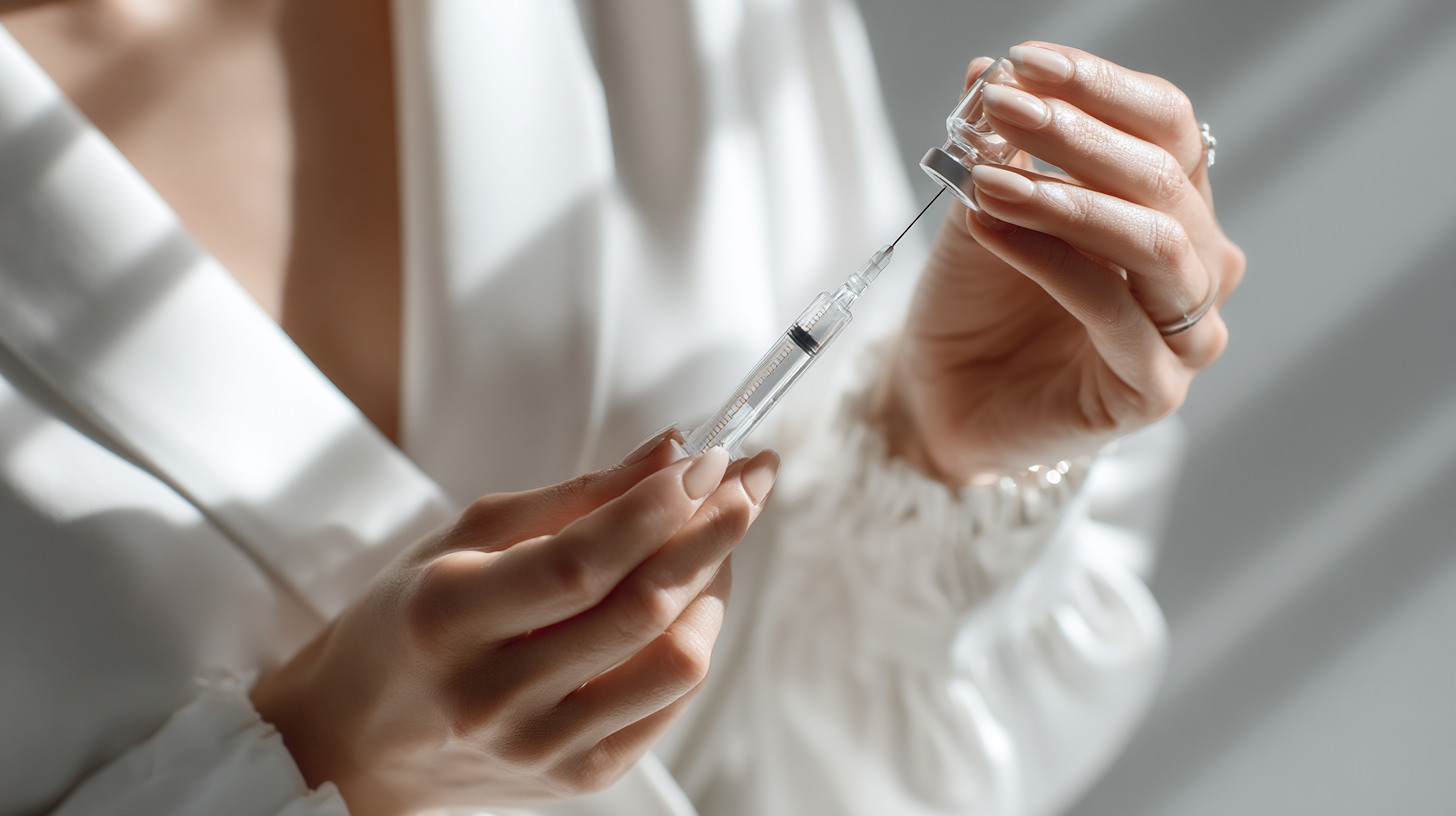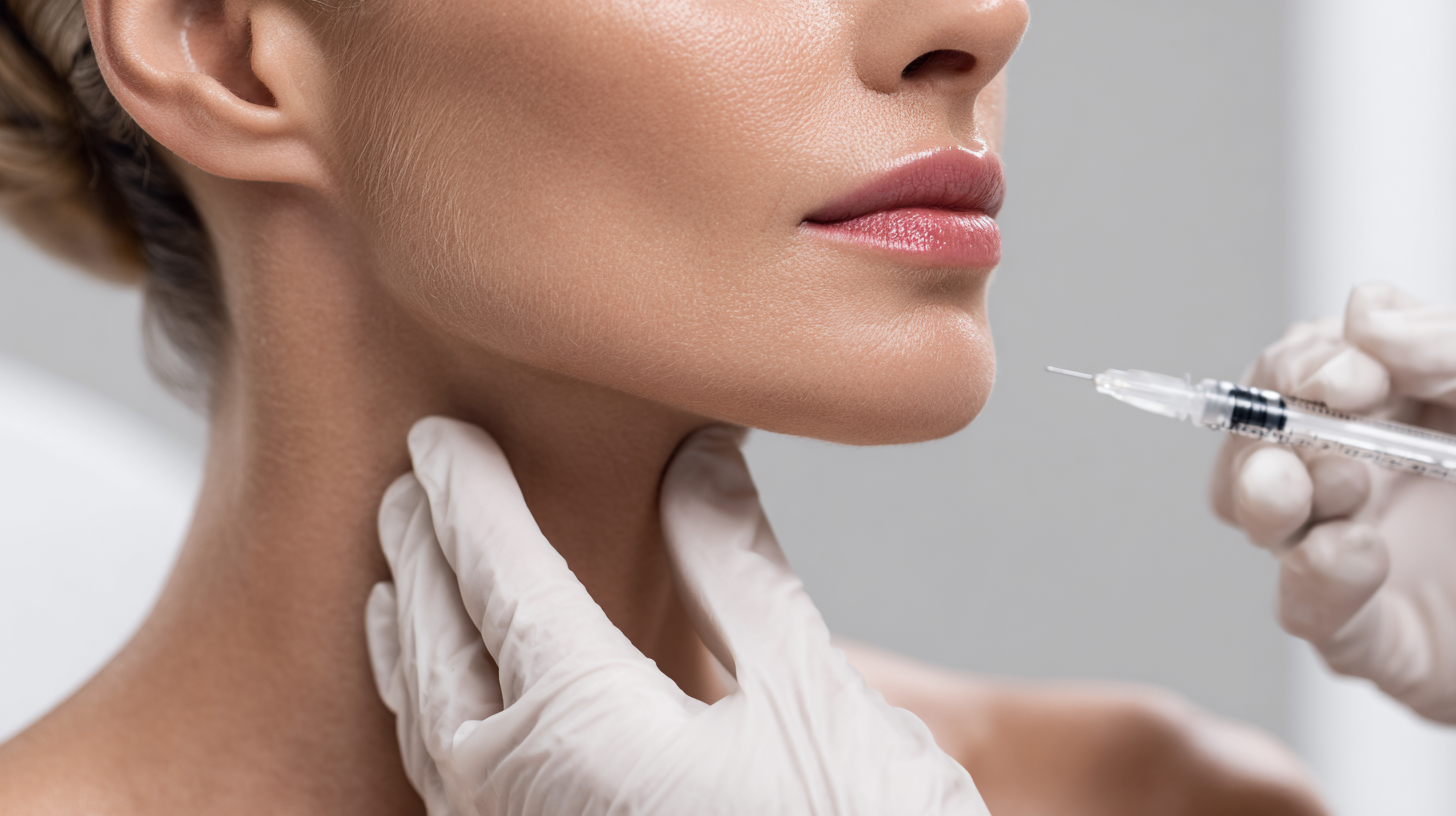

Botox for men has become a more common request in modern medical spa consultations. Many men are interested in softening forehead lines, frown lines, and wrinkles around the eyes while still looking natural, expressive, and masculine. For some patients, the goal is not to look dramatically different, but to look less tired, less tense, or more refreshed.
Men considering Botox often have practical questions before their first appointment. They may wonder whether the result will look obvious, whether the treatment is different for male facial anatomy, how many units may be needed, and how long the effects may last. These are valid questions, and they should be discussed during a professional consultation before treatment.
At Blue Point Medical Spa, injectable treatments are guided by facial assessment, anatomy, patient goals, and realistic expectation-setting. The goal of male Botox is to soften selected dynamic wrinkles while preserving natural movement and expression.
How Botox Works in Male Facial Anatomy
Botox is a brand name for onabotulinumtoxinA, a type of neuromodulator. It works by temporarily reducing the signal between a nerve and a targeted muscle. When injected into selected facial muscles, it may reduce repetitive contractions that contribute to expression lines over time.
These movement-related lines are called dynamic wrinkles. They appear when a person frowns, squints, raises their eyebrows, or makes repeated facial expressions. Over time, dynamic lines may become more visible even when the face is at rest.
Male facial anatomy often requires a different approach than female facial anatomy. Many men have thicker skin, stronger forehead muscles, a broader brow structure, and denser facial muscle activity. The frontalis muscle, which creates horizontal forehead lines, and the corrugator muscles, which create “11 lines” between the brows, may require adjusted placement and dosing.
A provider experienced in male aesthetics considers muscle strength, brow position, facial proportions, and the patient’s desired level of movement. The goal is usually not to eliminate all motion. For most men, the preferred result is a more relaxed appearance that still looks natural.
Patients can learn more about available injectables before scheduling, but the exact product, dose, and treatment areas should be determined during consultation.

Common Botox Treatment Areas for Men
The most common Botox treatment areas for men include the forehead, the area between the brows, and the outer corners of the eyes. These zones often show visible signs of repeated expression, stress, sun exposure, and aging.
Forehead lines develop from raising the eyebrows. Men in public-facing careers, leadership roles, hospitality, real estate, sales, or high-stress work environments may notice these lines earlier or more prominently. Botox may help soften forehead creases when dosing is balanced carefully to avoid heaviness in the brow.
The glabellar region, located between the eyebrows, is another frequent treatment area. Deep vertical lines in this area may make a man look angry, tired, or tense even when he feels relaxed. Treating the glabellar lines can help create a calmer appearance without changing the overall structure of the face.
Crow’s feet around the eyes are also common. These lines develop from smiling, squinting, sun exposure, and the gradual loss of skin elasticity. In Las Vegas, frequent UV exposure may contribute to lines around the eyes, especially for men who spend time outdoors. Treatment in this area should soften lines while preserving the natural crinkle of a genuine smile.
Some men also ask about masseter Botox, which involves the treatment of the jaw muscles. This may be discussed for selected patients with overactive masseter muscles, jaw tension, or concerns related to clenching. It is not the same as cosmetic wrinkle treatment and should be evaluated carefully based on anatomy and symptoms.
Dosing Differences for Male Patients
One important difference in male Botox treatment is dosing. Because men may have stronger facial muscles and thicker tissue, they sometimes need more units than female patients to achieve a similar level of muscle relaxation. However, dosing should never be based on gender alone.
A provider should evaluate the face at rest and during movement before determining the dose. Muscle strength, brow position, wrinkle depth, prior treatment history, metabolism, and aesthetic goals all matter. A conservative approach may be appropriate for first-time patients who want to see how their body responds.
Underdosing may lead to results that are too subtle or fade quickly. Overdosing may create an overly frozen appearance, brow heaviness, asymmetry, or an unnatural result. The best approach is individualized and anatomy-driven.
Men should feel comfortable asking about unit count, expected onset, follow-up timing, and how the provider adjusts treatment for male facial structure. The consultation should include a clear discussion before any injection takes place.
Blue Point’s consultation process helps patients understand how treatment decisions are made and what to expect before moving forward.
What Happens During the Appointment
A Botox appointment is usually straightforward. The treatment itself may take about 15 to 30 minutes, depending on the number of areas being addressed. Before treatment, the provider reviews the plan, confirms consent, and answers final questions.
The provider cleanses the skin and may mark specific injection points based on the agreed-upon plan. A fine needle is used to place small amounts of neuromodulator into targeted muscles. Most patients describe the sensation as a brief pinch or pressure at each injection site.
Topical numbing may be available for patients who are concerned about discomfort, although many men tolerate the treatment without it. There are no surgical incisions and no general anesthesia.
After the injections, patients can usually return to regular daily activities. However, the provider may recommend avoiding strenuous exercise, rubbing the treated area, lying flat for a short period, or applying pressure to the injection sites. These instructions help reduce unnecessary product movement and support a more predictable outcome.
Patients should review Blue Point’s pre- and post-treatment care guidelines before treatment so they know what to expect after the appointment.

Results, Duration, and Maintenance
Botox results do not appear immediately. Many patients begin to notice changes within a few days, but the full effect is usually assessed around 10 to 14 days after treatment. During that time, the targeted muscles gradually relax, and the overlying lines may appear softer.
For many male patients, results last around three to four months. Some patients may notice a shorter or longer duration depending on muscle strength, metabolism, dose, treatment area, lifestyle, and prior treatment history. Results are temporary, and muscle movement gradually returns as the product wears off.
Regular maintenance appointments may help sustain results. Some men who continue treatment consistently may notice that treated muscles become less forceful over time, allowing for adjusted treatment intervals. This is not permanent, and stopping treatment allows movement to return gradually.
Botox works best for dynamic wrinkles, not all types of lines. If a wrinkle is deeply etched and visible at rest, a provider may discuss complementary options such as dermal fillers, laser treatments, chemical peels, or microneedling, depending on the concern.
Realistic expectations are important. Botox may soften selected expression lines, but it does not stop aging, replace skincare, improve skin texture, or restore lost volume.
Choosing a Qualified Provider for Male Botox
The provider performing Botox injections matters as much as the product itself. Injection technique, placement, depth, dosing, and anatomical judgment all influence the final result. A provider should understand how male facial structure differs and how to preserve a natural, masculine appearance.
Men should look for a medical spa with licensed providers, professional oversight, and clear safety protocols. The provider should perform a consultation before treatment, evaluate facial movement, explain the plan, and discuss risks. Patients should not feel rushed or pressured.
At Blue Point Medical Spa, Botox for men is approached with individualized assessment. Patients can also learn more about the Blue Point team and clinical oversight from Dr. Danka K. Michaels, M.D.
Safety also includes proper product sourcing and storage. A reputable practice uses authentic products from authorized channels and follows injection safety standards. Patients may ask what product is being used, who is performing the treatment, and what aftercare support is available.
A qualified provider should also be willing to say when Botox is not the right choice. If the concern is volume loss, skin laxity, pigmentation, or deep texture change, another treatment may be more appropriate.
Men, Aesthetic Care, and Natural-Looking Results
The conversation around men’s aesthetics has changed. More men now view Botox and other medical spa treatments as part of grooming, wellness, and professional presentation. For many patients, the decision is personal and practical rather than dramatic.
Men in their 30s may consider preventive Botox when expression lines start to linger. Men in their 40s may use Botox to soften established forehead lines or frown lines. Men in their 50s and beyond may combine Botox with other treatments to address volume loss, texture, sun damage, or laxity.
A natural-looking result depends on communication. Patients should explain whether they want a subtle softening, stronger wrinkle reduction, or a conservative first treatment. The provider should explain what is realistic and what might look overdone.
A good male Botox result should still allow expression. The goal is often to look rested, approachable, and refreshed without making the treatment obvious. However, visibility of results varies, and no provider can guarantee that others will or will not notice.
Combining Botox With Other Treatments for Men
Many men begin with Botox, then later consider other services when they understand their skin and facial aging pattern better. Botox addresses movement-related lines, but it does not treat every concern.
Medical-grade facials may help with clogged pores, dullness, dryness, and general skin quality. Chemical peels may support tone, texture, and selected pigmentation concerns. Laser treatments may be discussed for sun damage, uneven tone, or resurfacing goals.
Dermal fillers may be considered when the concern involves facial volume loss, deeper folds, or structural support. For men, filler placement should preserve masculine proportions and avoid an overfilled appearance.
Some men also explore Ultherapy or body sculpting as part of a broader aesthetic plan. These services address different goals and should be recommended only after a consultation.
A balanced treatment plan should fit the patient’s goals, comfort level, schedule, and tolerance for downtime.

FAQ
How many Botox units do men usually need?
The number of Botox units depends on the treatment area, muscle strength, wrinkle depth, and individual anatomy. Men may need more units than some female patients because facial muscles can be stronger, but dosing should be personalized. The provider determines the amount during consultation.
Will other people notice Botox results?
Many men want subtle results that make them look more rested rather than obviously treated. A skilled provider may soften lines while preserving natural facial movement. However, results vary, and no treatment can guarantee that others will or will not notice.
What is the best age for men to start Botox?
There is no fixed best age for Botox for men. Some men begin in their late 20s or 30s when expression lines start to linger, while others start in their 40s or 50s after wrinkles become more visible. The right time depends on anatomy, skin condition, goals, and provider evaluation.
Conclusion
Botox for men may help soften selected dynamic wrinkles while preserving natural expression when treatment is carefully planned. Male facial anatomy, muscle strength, dosing, and aesthetic goals all matter, which is why consultation and provider experience are important.
At Blue Point Medical Spa, patients receive injectable care guided by consultation, education, and professional oversight. If you are considering Botox, schedule a consultation to discuss whether treatment may be appropriate for your goals.
Individual results vary. A consultation with a licensed provider is required to determine whether Botox or another neuromodulator treatment is appropriate. Aesthetic services are elective and may involve risks, side effects, contraindications, bruising, swelling, asymmetry, temporary weakness, limited response, or other outcomes. Recommendations may vary based on anatomy, medical history, medications, prior treatments, lifestyle, and personal goals.