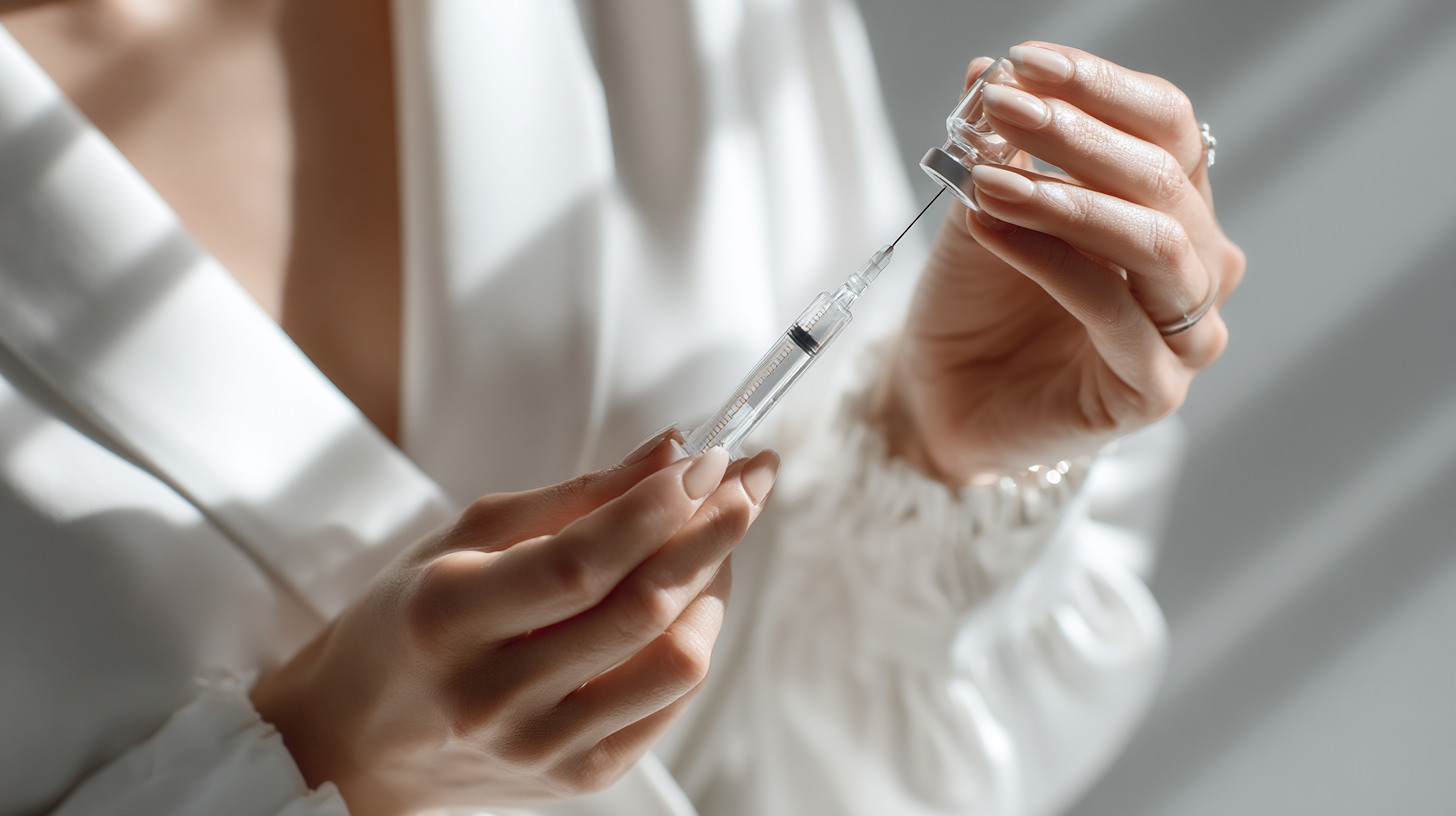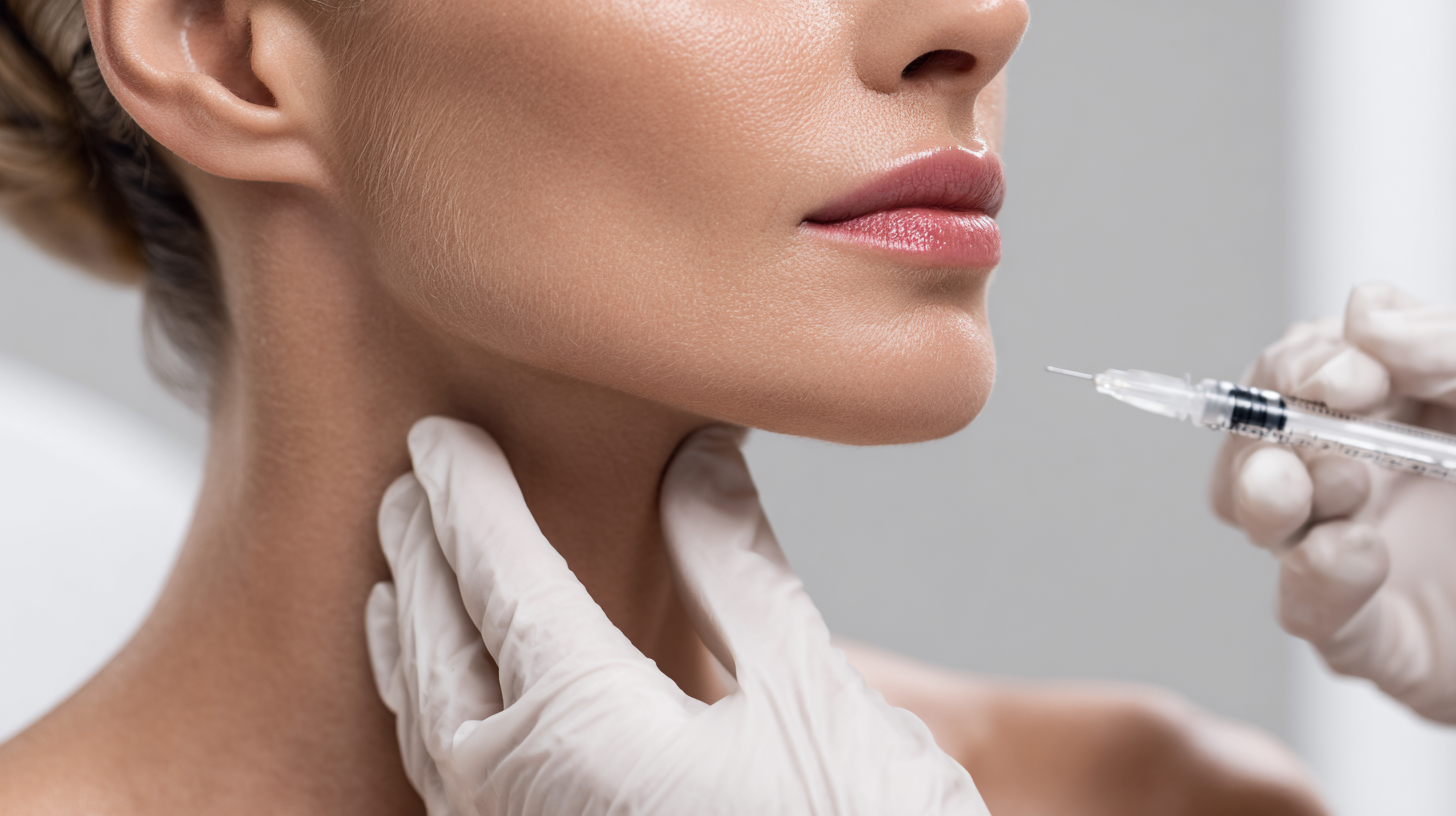

The demographic profile of the medical spa patient has changed. Men now represent a growing group of patients seeking non-surgical aesthetic treatments, and this shift is not limited to cities with long-established cosmetic cultures. In Las Vegas, where professional presence, social confidence, and personal presentation often matter across industries, more men are exploring treatments that were once viewed as mostly female-focused.
The treatments themselves have not changed. What has changed is the understanding that medical-grade skincare, injectables, laser treatments, body sculpting, and other aesthetic treatments are available to patients of all genders. Men may choose these services to look less tired, maintain a cleaner appearance, support skin quality, or address specific concerns that do not improve with basic grooming alone.
At Blue Point Medical Spa, male patients receive individualized care based on consultation, anatomy, skin condition, and treatment goals. The provider considers differences in male skin, facial structure, muscle strength, grooming habits, and lifestyle before recommending any treatment plan.
Male Skin and Treatment Planning
Male skin differs from female skin in several ways that may influence treatment approach, product selection, and expected response. Men often have thicker skin, higher collagen density, more active sebaceous glands, and stronger facial muscles. These differences can affect how the skin ages and how it responds to professional treatments.
Higher sebum production may make male skin appear oilier and can contribute to enlarged pores, rougher texture, or acne-prone skin. At the same time, oil production does not fully protect against dehydration, especially in the Las Vegas desert climate. Low humidity and strong UV exposure may still affect the skin barrier, hydration, and visible aging.
Facial hair and shaving also matter. Daily shaving can cause irritation, razor burn, ingrown hairs, and folliculitis in some patients. These concerns may influence the timing of treatments such as peels, lasers, facials, or microneedling. A provider may recommend calming the skin barrier before performing certain services.
The structure of male facial anatomy also influences injectable planning. Men often have stronger facial muscles, heavier brows, broader jawlines, and different facial proportions. This means Botox, dermal fillers, and contouring treatments should not be performed with the same template used for every patient.
A professional consultation helps determine whether the patient’s concern is related to muscle movement, volume loss, skin texture, pigmentation, laxity, or body contour. Blue Point’s consultation process is designed to guide treatment selection based on individual assessment.

Botox and Neuromodulators for Men
Botox and other neuromodulators are among the most common med spa treatments for men. These treatments temporarily reduce targeted muscle movement that contributes to dynamic wrinkles, including forehead lines, frown lines, and crow’s feet.
Men often seek Botox because certain expression lines can make them look tired, tense, angry, or older than they feel. The goal is usually subtle softening rather than a completely smooth or frozen appearance. A natural-looking result should preserve facial expression while reducing the intensity of selected lines.
The forehead is a common treatment area, but it requires careful planning in male patients. The frontalis muscle may be stronger, and the brow structure may be heavier. If the treatment is too aggressive, the brow may feel or look heavy. If the dose is too low, results may fade quickly or appear uneven.
The glabellar region, located between the brows, is another frequent area for male Botox. Strong corrugator muscles may create deep “11 lines” that remain visible even when the face is relaxed. Treatment may soften this area, but deeper static lines may require additional strategies.
Crow’s feet around the eyes may also respond to neuromodulator treatment. Men in Las Vegas may notice these lines earlier due to squinting and UV exposure. The provider should preserve the natural expression of the eyes while reducing excessive creasing.
Patients can learn more about injectables before scheduling, but dosing and placement should always be determined during consultation.
Dermal Fillers and Masculine Facial Contour
Dermal fillers for men often follow different aesthetic principles than filler treatments for women. While some patients want softness or fullness, many male patients are interested in structure, balance, and definition. The goal is usually to support natural masculine features without creating an overfilled appearance.
The jawline is one of the most requested filler areas for men. A defined jaw can contribute to a stronger facial profile, but aging, volume changes, and tissue descent may soften this area over time. Strategic filler placement along the jawline or chin may support definition in selected patients.
Chin filler may also be considered when the lower face appears recessed or out of balance with the rest of the facial structure. Improving chin projection may help support facial harmony, but the approach should be conservative and anatomy-driven.
Cheek treatment in men should be handled carefully. A male midface often benefits from lateral support and subtle contour rather than rounded fullness. A provider may place filler along the cheekbone area to support structure without feminizing the face.
The under-eye area is another common concern. Tears through hollows or shadows can make a patient look tired even when they feel well rested. Small amounts of soft hyaluronic acid filler may be considered in selected patients, but this area requires precise technique and careful candidacy assessment.
Patients interested in fillers can review Blue Point’s dermal fillers page and discuss options during consultation. Results vary based on anatomy, product selection, placement, and healing response.
Skin Treatments for Male Concerns
Men’s skincare treatments may address concerns such as enlarged pores, rough texture, acne marks, sun damage, dullness, and uneven skin tone. Many men begin with skin-focused services before considering injectables because these treatments support overall skin quality.
Medical-grade facials can help with deep cleansing, exfoliation, hydration, congestion, and product absorption. For men who are new to professional skincare, facials may provide a comfortable starting point with little to no downtime.
Chemical peels may be considered for hyperpigmentation, mild acne marks, uneven tone, and texture. The provider selects peel type and depth based on skin sensitivity, shaving irritation, pigment risk, and goals. Men with active razor burn or inflamed skin may need to delay treatment until the barrier is calmer.
Laser treatments may address concerns such as sun damage, deeper texture, wrinkles, and certain pigmentation patterns. Laser candidacy depends on skin tone, recent sun exposure, downtime tolerance, and medical history. In a high-UV city like Las Vegas, sun protection before and after treatment is especially important.
Microneedling is another option for men concerned about skin texture, acne scars, enlarged pores, and early firmness changes. The treatment creates controlled micro-injuries that may support collagen production and gradual improvement over a series of sessions.

Body Sculpting and Contouring for Men
Male body sculpting is another category of interest for patients who want to address localized areas that do not respond the way they would like to diet and exercise. Common areas include the abdomen, flanks, chest, and the submental area beneath the chin.
Body sculpting treatments are not weight-loss procedures. They are generally intended for patients who are near a stable weight and have localized subcutaneous fat in areas that may be suitable for non-surgical contouring. A consultation helps determine whether the target area is appropriate.
Men often store fat differently from women. Visceral fat, which sits deeper around the organs, cannot be treated with non-surgical body contouring. Subcutaneous fat, which sits beneath the skin, may be more appropriate for selected treatments. The provider evaluates the area to determine whether the concern can be addressed with a med spa service.
Results from body contouring treatments develop gradually. The body needs time to process treated fat cells, and visible changes may appear over several weeks. Maintaining results depends on stable weight, nutritional habits, exercise, and overall metabolic health.
Patients should also understand the role of skin laxity. If the skin is loose in the treatment area, fat reduction alone may not create the desired contour. A provider may discuss whether skin-tightening options or a different treatment approach would be more appropriate.
Anti-Aging Treatments for Men
Men’s anti-aging treatments often focus on looking rested, maintaining definition, and improving skin quality without appearing obviously treated. The most effective plan depends on which layer of aging is most visible.
If the concern is expression lines, Botox or another neuromodulator may be considered. If the concern is volume loss, dermal fillers may support structure. If the concern is texture, pigmentation, or sun damage, peels, lasers, facials, or microneedling may be more appropriate.
Some men may also consider Ultherapy when mild to moderate skin laxity is present. Ultherapy uses focused ultrasound energy to support collagen-related tightening over time. It does not replace surgery, but it may be an option for selected patients with realistic expectations.
A comprehensive plan may combine several treatments over time. For example, a patient may use Botox for frown lines, microneedling for acne scars, and skincare for daily maintenance. Another patient may combine jawline filler with facials and sunscreen to support a cleaner, more defined appearance.
A good plan should match the patient’s goals, schedule, and comfort with downtime. Stronger treatments are not always better, especially if the patient cannot follow aftercare or avoid sun exposure during recovery.
The Consultation Experience for Male Patients
Men who are new to medical spa treatments may feel unsure about what happens during a consultation. The process should be straightforward, educational, and focused on the patient’s goals. It should not feel like a sales pitch.
The provider begins by asking about concerns, treatment history, health history, medications, skincare routine, shaving habits, and desired results. Some men arrive knowing they want Botox for men, while others simply know they want to improve skin quality or look less tired.
A facial assessment or body assessment follows. For injectables, the provider evaluates muscle movement, symmetry, volume loss, brow position, jawline structure, and facial proportions. For skin treatments, the provider evaluates texture, tone, pores, sun damage, acne, and sensitivity. For body sculpting, the provider evaluates fat distribution, skin firmness, and candidacy.
The provider then explains treatment options, expected timeline, downtime, risks, and maintenance. Men often appreciate direct, practical guidance, including what the treatment can and cannot accomplish. Patients should feel comfortable asking about cost, number of sessions, recovery, and whether treatment can be done gradually.
A consultation at Blue Point Medical Spa gives patients a clear starting point without pressure to commit immediately.
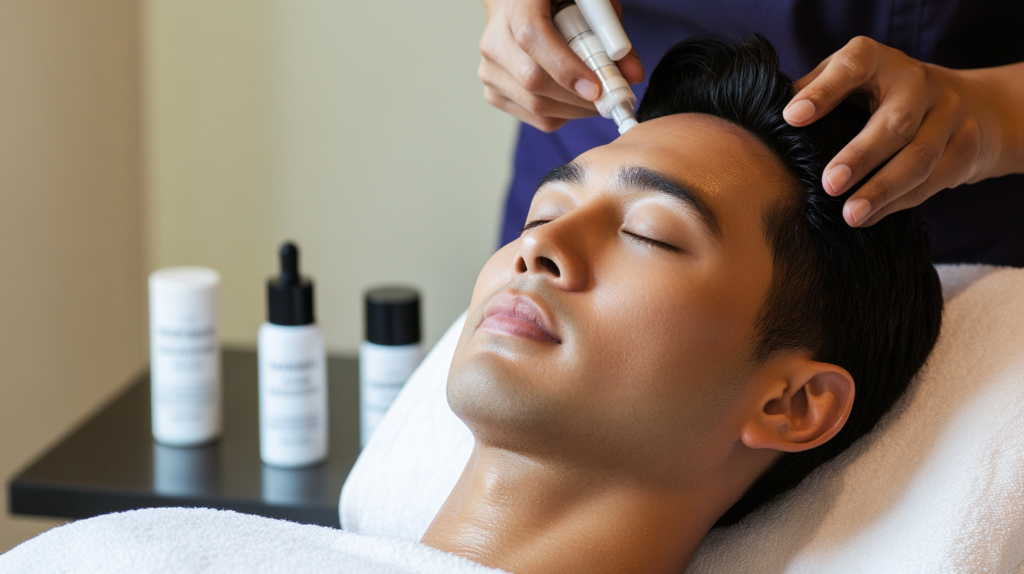
Recovery, Downtime, and Maintenance
Downtime depends on the treatment. Botox and many filler appointments may involve little interruption to daily activity, though bruising, swelling, or tenderness can occur. Patients may need to avoid intense exercise, rubbing the treated area, alcohol, or certain activities for a short period after treatment.
Facials often involve minimal downtime, while chemical peels may involve dryness, flaking, or peeling depending on depth. Laser treatments and microneedling may involve redness, swelling, sensitivity, and a temporary modified skincare routine. Body sculpting may involve soreness, numbness, or tenderness in the treated area.
Aftercare matters. Patients should follow the provider’s instructions and avoid assuming that a low-downtime treatment has no restrictions. Blue Point’s pre- and post-treatment care guidelines can help patients prepare for recovery.
Maintenance also varies. Botox may be repeated every few months. Fillers may last several months to over a year, depending on the product and placement. Microneedling, peels, facials, and body treatments may require a series. Skincare and sunscreen support long-term results across every category.
FAQ
What med spa treatments are most popular with men?
Popular med spa treatments for men include Botox, dermal fillers, medical-grade facials, chemical peels, microneedling, laser treatments, and body sculpting. The best option depends on whether the concern is wrinkles, volume loss, texture, acne scars, sun damage, or localized fat.
Can men combine multiple treatments in one visit?
Some male med spa patients may combine treatments in one visit, such as Botox and selected filler treatments. Other services, such as peels, lasers, microneedling, or facials, may need to be scheduled separately depending on recovery and skin condition. The provider coordinates timing to reduce irritation and support safer results.
At what age do men usually start med spa treatments?
There is no universal starting age. Some men begin in their late 20s or 30s with preventive Botox or skincare, while others start in their 40s or 50s when changes in wrinkles, volume, skin quality, or body composition become more visible. The right timing depends on anatomy, goals, and provider evaluation.
Conclusion
Med spa treatments for men can support concerns such as dynamic wrinkles, facial definition, skin texture, sun damage, enlarged pores, acne scars, and localized body contouring. The best results often come from a plan that respects male anatomy, grooming habits, lifestyle, and personal goals.
At Blue Point Medical Spa, patients receive aesthetic care guided by consultation, education, and professional oversight. If you are interested in men’s aesthetic treatments, book a consultation to discuss which options may align with your concerns and goals.
Individual results vary. A consultation with a licensed provider is required to determine whether treatment is appropriate. Aesthetic services are elective and may involve risks, side effects, contraindications, downtime, bruising, swelling, irritation, pigmentation changes, asymmetry, limited response, or other outcomes. Recommendations may vary based on anatomy, skin type, medical history, medications, lifestyle, treatment area, and personal goals.