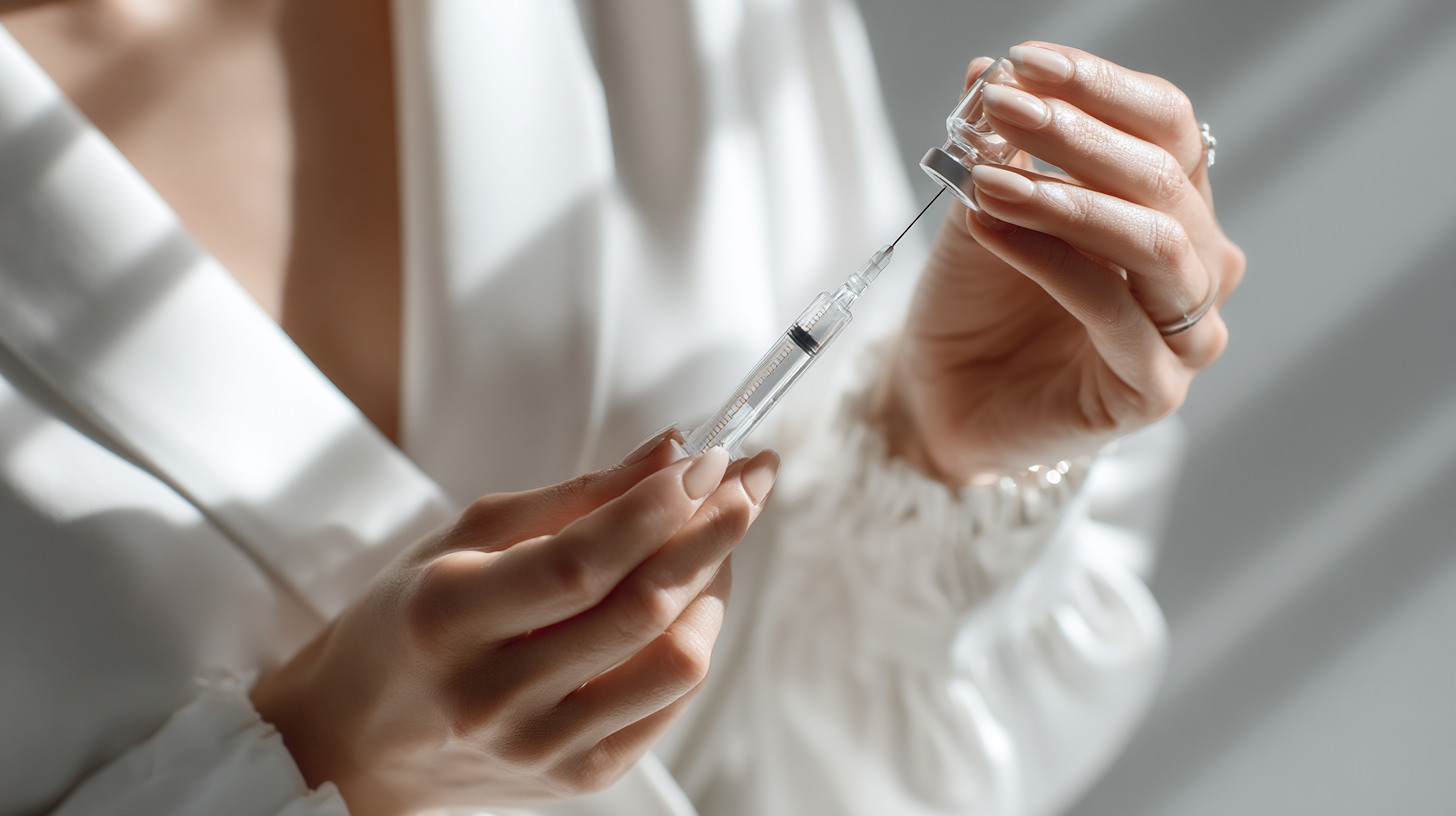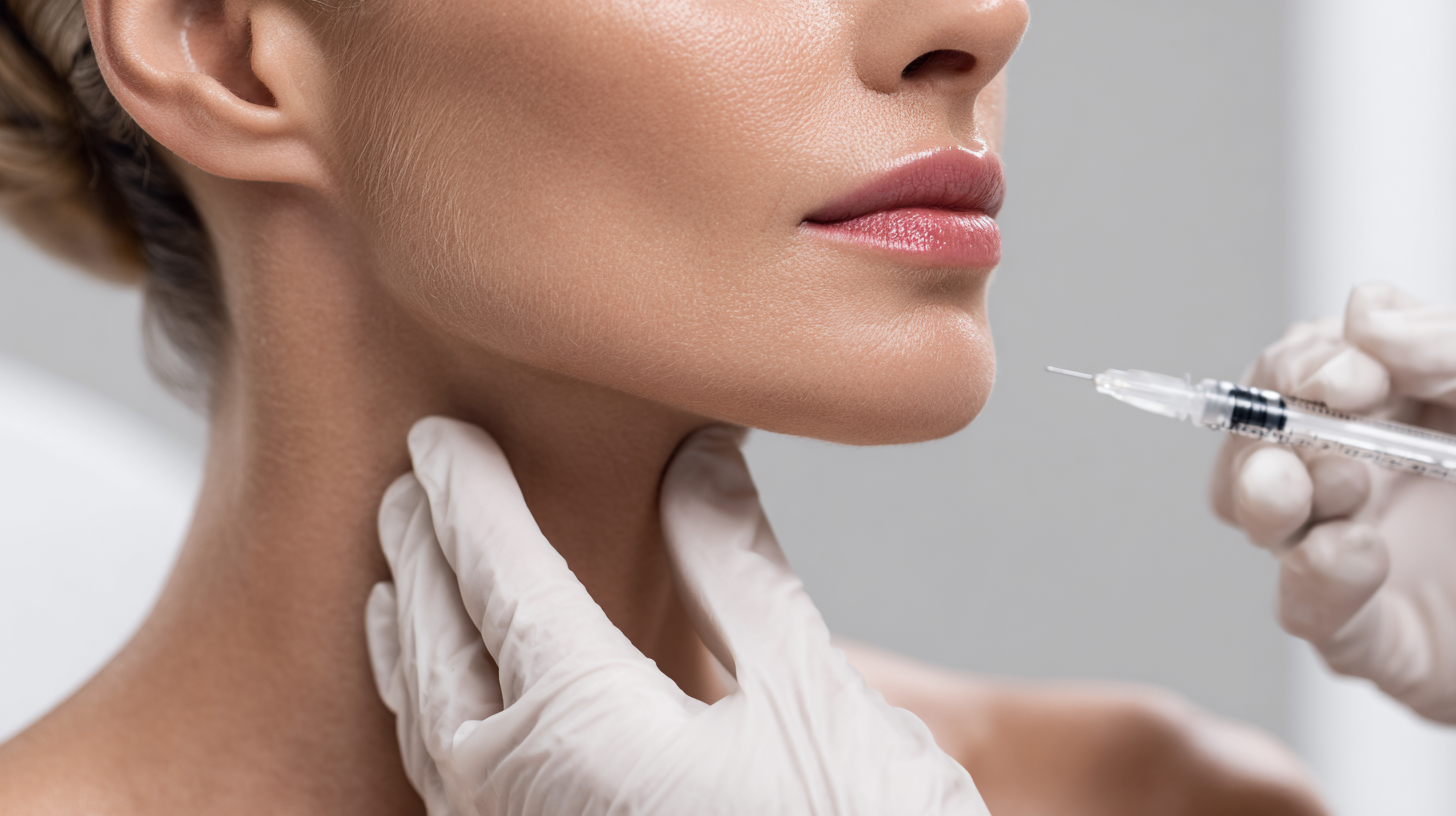

Fine lines across the forehead, between the brows, and around the eyes often develop after years of repeated facial muscle contractions. Every squint, frown, smile, and raised eyebrow creates movement in the skin. Over time, as collagen, elastin, hydration, and skin resilience gradually decline, those temporary expression lines may become more visible.
Botox is a type of neuromodulator that may help soften selected movement-related wrinkles by temporarily reducing targeted muscle activity. It does not fill lines, replace lost volume, or change skin texture directly. Instead, it works at the nerve-muscle connection to reduce the repeated contractions that contribute to dynamic wrinkles.
At Blue Point Medical Spa in Las Vegas, Botox treatments are planned around each patient’s facial anatomy, expression patterns, skin condition, and goals. A consultation helps determine whether Botox is appropriate and whether other treatments may be needed to address concerns beyond muscle movement.
Muscle Movement and Wrinkle Formation
Wrinkles are often described in two main categories: dynamic wrinkles and static wrinkles. Dynamic wrinkles appear when the face moves, such as when a patient smiles, frowns, squints, or raises the eyebrows. Static wrinkles remain visible even when the face is relaxed.
The muscles responsible for facial expressions sit beneath the skin and attach closely to it. When these muscles contract, they pull the overlying skin into folds. In younger skin, those folds often smooth out quickly because the skin contains more collagen, elastin, and moisture support.
As the skin ages, it may lose some of its ability to bounce back. Sun damage, environmental stress, dehydration, smoking, genetics, and natural collagen loss can all influence how quickly expression lines become etched into the skin. In the Las Vegas desert climate, strong UV exposure and dry air may also contribute to visible aging.
Different facial muscles create different wrinkle patterns. The frontalis muscle lifts the brows and creates horizontal forehead lines. The corrugator and procerus muscles between the brows create vertical frown lines, often called “11 lines.” The orbicularis oculi around the eyes contribute to crow’s feet during smiling or squinting.
Botox may help reduce the intensity of these repeated contractions in selected areas. The goal is usually to soften lines while preserving natural expression, not to remove every movement from the face.

Botox and the Nerve-Muscle Connection
Botox works at the neuromuscular junction, which is the point where a nerve communicates with a muscle. Under normal conditions, the brain sends a signal through a motor nerve. When that signal reaches the nerve ending, it releases a chemical messenger called acetylcholine.
Acetylcholine crosses the small space between the nerve and the muscle, then binds to receptors on the muscle fiber. This process tells the muscle to contract. When this happens repeatedly in the same facial area, the skin folds in similar patterns over time.
Botulinum toxin type A, the active ingredient in Botox, temporarily blocks the release of acetylcholine from the nerve ending. When less acetylcholine reaches the muscle, the targeted muscle contracts less forcefully. This controlled relaxation may soften the appearance of the overlying fine lines and wrinkles.
The effect is temporary because the body gradually restores nerve signaling over time. New nerve endings can form, and normal muscle activity returns. This is why Botox results typically require maintenance if the patient wants to sustain the effect.
The temporary nature of Botox allows the provider and patient to adjust future treatments. Dose, placement, and timing can be modified based on how the patient responds, which areas moved too much or too little, and what result the patient prefers.
Common Botox Treatment Areas
Botox injections are not applied the same way across the entire face. Each treatment area requires a specific plan based on muscle strength, skin thickness, expression pattern, and desired result. Provider knowledge of facial anatomy is essential.
The forehead is one of the most common areas for treatment. Horizontal forehead lines form when the brows are raised. Small, carefully placed doses may soften these lines while allowing some natural movement. Over-treatment in this area can create heaviness, so conservative dosing is often important.
The glabellar complex, located between the brows, includes the corrugator and procerus muscles. This area often creates strong frown lines that may make a patient look tired, tense, or upset even when relaxed. Botox in this area is one of the most common uses of neuromodulator treatments.
Crow’s feet form around the outer corners of the eyes. These lines are associated with smiling, squinting, and sun exposure. Treatment in this area should soften excessive creasing while preserving the natural expression of the eyes.
Other potential areas include bunny lines on the nose, the upper lip area for a lip flip, the mentalis muscle in the chin, and selected neck bands. These applications are more specialized and should be discussed during consultation. Patients can review Blue Point’s injectables page to learn more about available options.
The Consultation and Treatment Experience
A Botox appointment should begin with a consultation, especially for first-time patients or anyone new to a provider. During this visit, the provider evaluates facial anatomy, muscle movement, skin quality, medical history, medications, allergies, and treatment goals. This step helps determine whether Botox is appropriate and where it should be placed.
The provider may ask the patient to raise their brows, frown, smile, or squint to observe movement patterns. This helps identify which muscles are creating the lines and how strong those muscles are. The provider may also assess facial symmetry, brow position, eyelid heaviness, and whether static wrinkles are present.
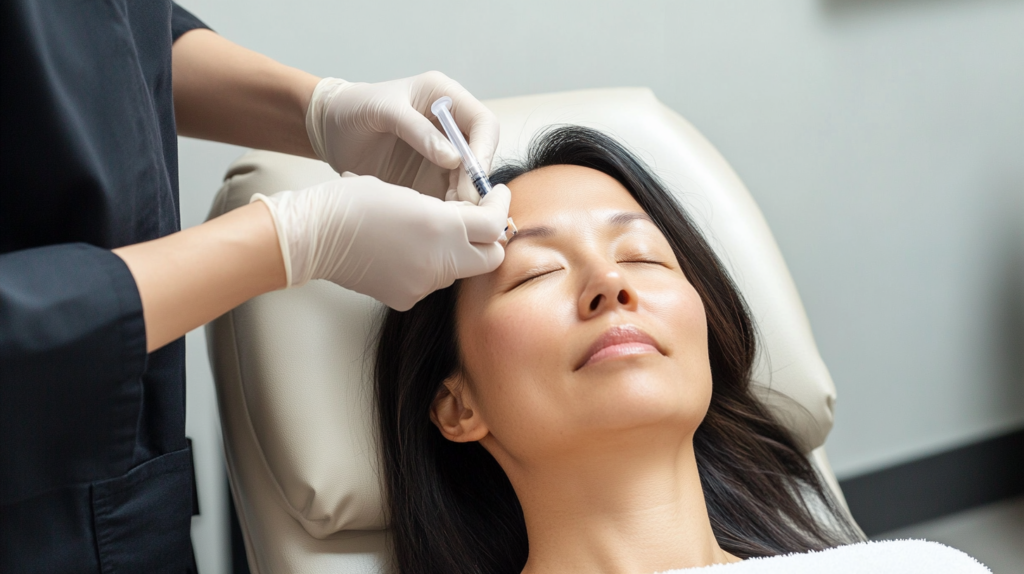
Once the plan is reviewed, the injection process is usually brief. The provider cleanses the skin and places small amounts of neuromodulator into selected points using a fine needle. Most patients describe the sensation as a quick pinch or pressure at each injection site.
No general anesthesia is required. Some patients may use topical numbing or ice for comfort, although many tolerate treatment without it. A typical appointment may take 10 to 20 minutes, depending on the number of areas treated.
Patients should receive clear instructions before leaving. Blue Point’s pre- and post-treatment care guidelines can help patients understand how to care for the treated areas and what to avoid after treatment.
Botox Results and Timeline
Botox results do not appear immediately. The product needs time to affect the nerve-muscle connection. Many patients begin noticing reduced movement within three to five days, but the full result is usually evaluated around two weeks.
As the targeted muscles relax, the overlying skin may appear smoother. The degree of improvement depends on wrinkle type, muscle strength, dosage, placement, skin quality, and how long the lines have been present. Dynamic wrinkles usually respond more predictably than deep static wrinkles.
A two-week follow-up may be recommended for some patients. This allows the provider to evaluate symmetry, movement, and patient satisfaction. If the effect is too subtle, a small touch-up may be considered when appropriate. If the effect is stronger than desired, the provider may adjust the plan at the next appointment, since Botox gradually wears off.
Patients should avoid judging final results too early. Movement may continue changing during the first two weeks, and swelling or mild bruising can temporarily affect appearance.
Duration and Maintenance Planning
The effects of a single Botox treatment often last about three to four months for many patients. Some patients may notice shorter or longer duration depending on metabolism, muscle strength, dose, treatment area, lifestyle, and prior treatment history.
As the product wears off, muscle activity gradually returns. Lines may slowly become more visible again as movement increases. Maintenance treatments can be scheduled based on the patient’s goals, budget, and response pattern.
Some patients who receive regular Botox maintenance notice that treated muscles become less forceful over time because they are contracting less intensely. This may allow for adjusted dosing or timing in some cases, but it should not be considered permanent.
Patients who stop treatment do not become worse because of Botox. The muscles gradually return to their usual movement, and the aging process continues naturally. A provider at Blue Point Medical Spa can help create a maintenance schedule that fits the patient’s goals.
Safety and Provider Qualifications
Botox has been used in medical and cosmetic settings for many years. In aesthetic care, it should be administered by qualified providers who understand dosing, facial anatomy, contraindications, and potential side effects. The product may have a strong safety profile when used appropriately, but it is still a medical aesthetic treatment and should not be treated casually.
Common temporary side effects may include mild swelling, redness, tenderness, bruising, or headache. Less common effects may include asymmetry, temporary weakness, brow heaviness, eyelid changes, or an outcome that feels too strong or too subtle. These possibilities should be discussed before treatment.
Patients should disclose medical history, pregnancy or breastfeeding status, neurological conditions, allergies, medications, and supplements during consultation. Certain factors may affect candidacy or require treatment to be delayed.
Choosing a qualified provider matters. Patients should look for a medical spa with licensed professionals, appropriate oversight, authentic products, and clear aftercare support. Patients can learn more about the Blue Point team and clinical oversight from Dr. Danka K. Michaels, M.D.
Botox Within a Broader Aesthetic Plan
Botox addresses wrinkles related to muscle movement, but it does not treat every sign of aging. It does not restore facial volume, improve skin texture, remove sun damage, or tighten loose skin. Many patients benefit from a broader plan that addresses multiple layers of facial aging.
Dermal fillers may be recommended when the concern involves volume loss in the cheeks, lips, temples, jawline, or under-eye area. Fillers and Botox work differently, so they may be used together when appropriate.
Facials and chemical peels may support skin texture, brightness, and tone. These treatments address the surface quality of the skin, while Botox addresses movement below the skin.
Laser treatments may be considered for more visible sun damage, texture changes, pigmentation, or resurfacing goals. Microneedling may support collagen production and improve texture, acne scars, and firmness over time.
A comprehensive plan may combine neuromodulators, fillers, skincare, peels, lasers, or microneedling in a thoughtful sequence. Blue Point’s consultation process helps patients understand which options may align with their concerns.

Natural Expression and Realistic Expectations
A well-planned Botox treatment should respect the patient’s natural facial movement. The goal is not always to eliminate every line or prevent all expression. Many patients prefer a softer, rested look that still allows them to smile, raise their brows, and show emotion.
Results should be personalized. Some patients want a very conservative first treatment, while others are comfortable with stronger movement reduction. A provider should explain what is realistic based on the patient’s anatomy and the condition of the skin.
Deep lines that remain visible at rest may not disappear with Botox injections alone. In those cases, the provider may discuss additional options such as fillers, resurfacing, skincare, or collagen-stimulating treatments. A safe plan should avoid over-injecting in an attempt to correct a concern that Botox is not designed to fix.
Individual results vary. A consultation helps set expectations before treatment begins.
FAQ
How is Botox different from Dysport or Xeomin?
Botox, Dysport, and Xeomin are all neuromodulators that use forms of botulinum toxin type A to temporarily reduce targeted muscle activity. They differ in formulation, onset, diffusion, and dosing. A provider can recommend the option that best fits the treatment area and patient response.
Can Botox be used preventively?
Some patients choose preventive Botox when dynamic wrinkles begin to linger but before deep static lines become established. The goal is to reduce repetitive creasing over time. There is no universal age to start, and treatment should be based on anatomy, movement patterns, skin condition, and goals.
Can Botox be adjusted if results feel too strong or too subtle?
If results feel too subtle, a provider may consider a small touch-up after the full effect has developed, usually around two weeks. If results feel too strong, the effect gradually wears off over time. Future treatments can be adjusted based on the patient’s response and preferences.
Conclusion
Botox may help soften selected fine lines and wrinkles by temporarily reducing the muscle contractions that create dynamic wrinkles. The treatment works best when it is planned around facial anatomy, movement patterns, and realistic goals.
At Blue Point Medical Spa, patients receive injectable care guided by consultation, education, and professional oversight. If you are considering Botox treatments, book a consultation to discuss whether this option may be appropriate for your concerns.
Individual results vary. A consultation with a licensed provider is required to determine whether Botox or another neuromodulator is appropriate. Aesthetic services are elective and may involve risks, side effects, contraindications, bruising, swelling, asymmetry, temporary weakness, limited response, or other outcomes. Recommendations may vary based on anatomy, medical history, medications, prior treatments, treatment goals, and individual response.