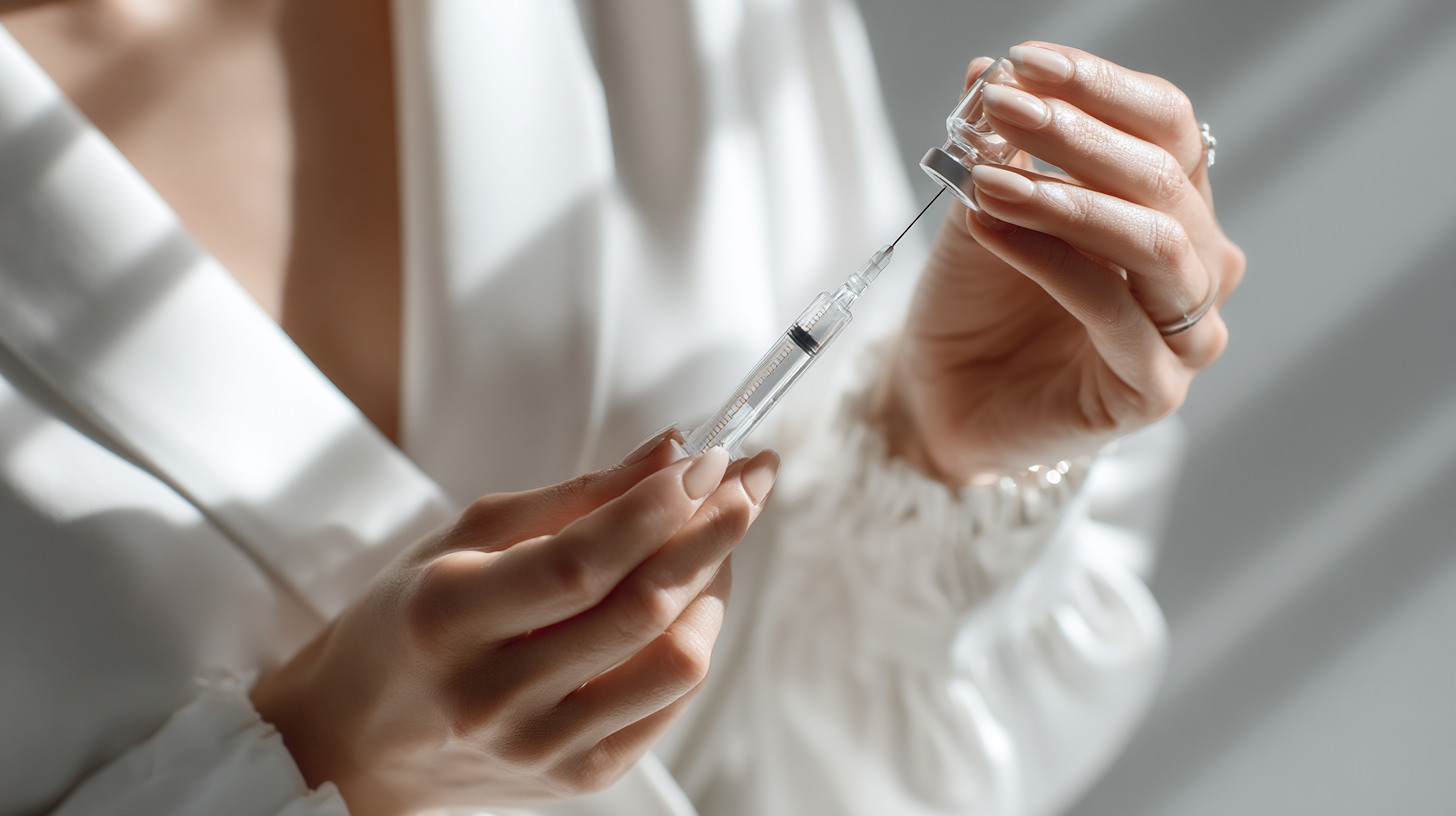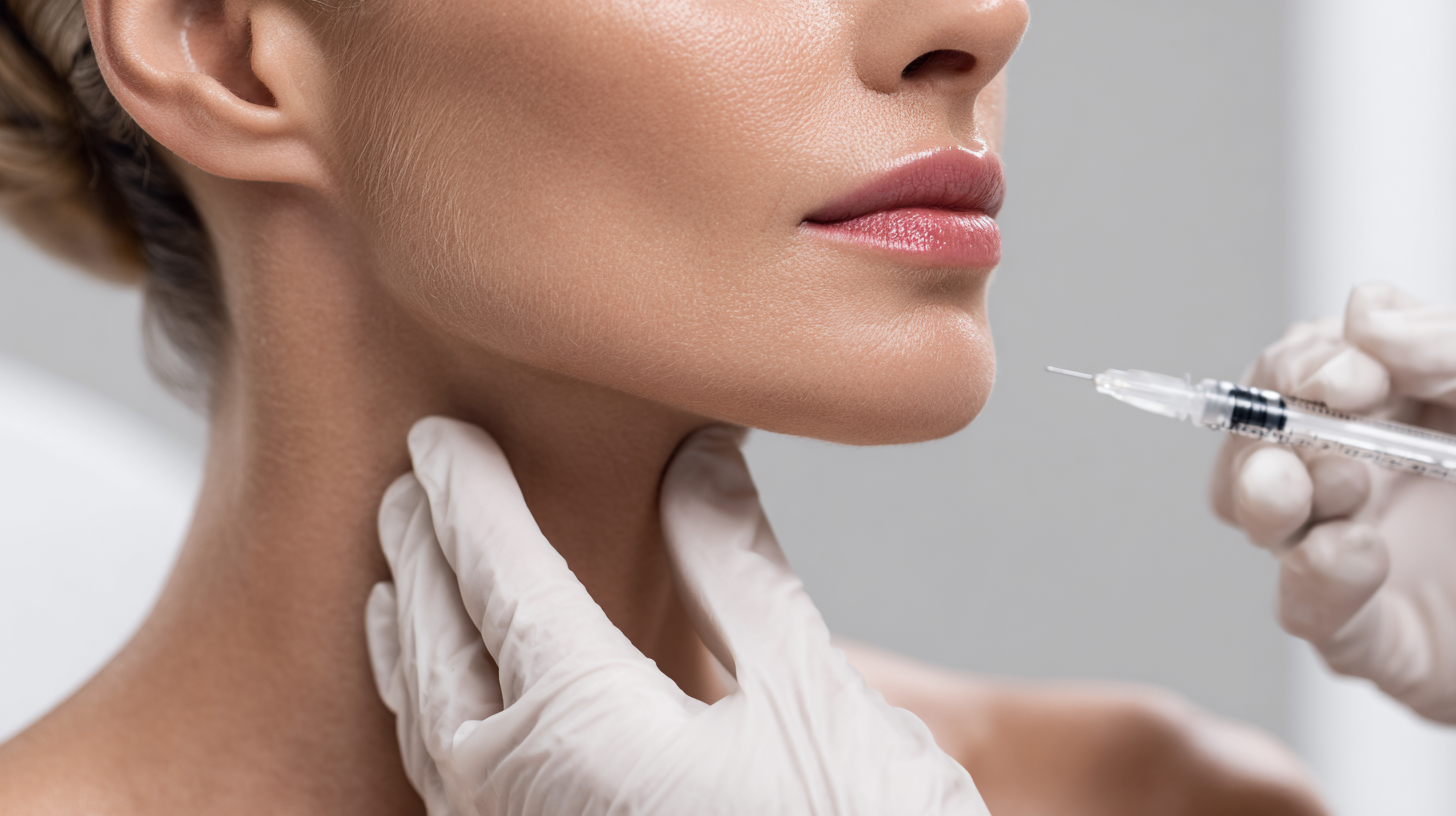

Scheduling a first Botox appointment can come with both excitement and uncertainty. Patients who have never received injectable treatments may not know how the visit is structured, what the injections feel like, how soon results appear, or what to avoid afterward. Understanding each step can help patients arrive prepared and make informed decisions.
Botox is a type of neuromodulator used to temporarily reduce selected facial muscle movement. It may help soften dynamic wrinkles, including forehead lines, frown lines, and crow’s feet, when treatment is planned carefully. It does not replace lost volume, resurface the skin, or stop the aging process, so expectations should be realistic from the beginning.
At Blue Point Medical Spa in Las Vegas, first-time Botox patients begin with a consultation before treatment. The provider evaluates facial anatomy, muscle movement, medical history, and aesthetic goals to determine whether Botox is appropriate and how the treatment should be planned.
Preparing Before a Botox Appointment
Preparation for a Botox appointment often begins several days before the visit. Patients should prepare a current list of medications, supplements, and vitamins so the provider can review potential bruising risks or contraindications. This includes prescription medications, over-the-counter products, and herbal supplements.
Some products may increase the chance of bruising at the injection site, including blood-thinning medications, aspirin, ibuprofen, fish oil, vitamin E, and certain herbal supplements. Patients should not stop prescribed medication unless directed by their prescribing physician. Instead, they should disclose everything during the consultation so the provider can guide them safely.
Alcohol may also increase bruising risk, so many providers recommend avoiding it for about 24 hours before treatment. Arriving well hydrated and with clean skin can also help the appointment go more smoothly. Patients should avoid heavy makeup or thick skincare on the areas being treated when possible.
There is usually no need to fast or arrange a driver after Botox injections. The treatment does not require sedation or general anesthesia, and many patients return to normal daily activities afterward. However, patients should plan to follow aftercare instructions for the rest of the day.
Patients who have received prior injectable treatments elsewhere should share what product was used, which areas were treated, how many units were injected, and whether they liked the result. This information helps the provider build a more accurate treatment plan.
Consultation and Facial Assessment
Every first-time Botox patient should receive a consultation before injections. This step is not a formality. It helps the provider determine whether the patient is a good candidate and whether the patient’s concerns are best addressed with Botox or another option.
The consultation usually includes a review of medical history, current medications, allergies, pregnancy or breastfeeding status, prior cosmetic treatments, and any history of facial weakness or neuromuscular conditions. These details help identify contraindications or reasons to delay treatment.
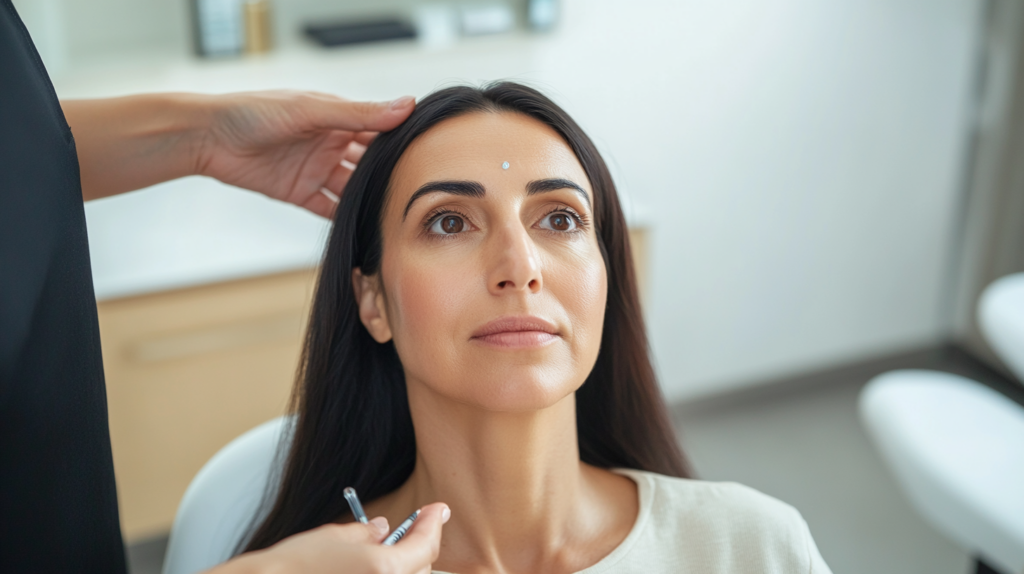
The facial assessment focuses on facial anatomy, skin quality, symmetry, brow position, muscle strength, and expression patterns. The provider may ask the patient to raise the eyebrows, frown, smile, or squint to see which muscles are creating the most visible dynamic wrinkles.
Treatment goals are also discussed during this step. Some patients want a noticeable softening of forehead lines, while others prefer a subtle result that maintains more movement. For many first-time patients, a conservative approach may be appropriate so the provider can see how the patient responds.
The patient should understand the proposed treatment areas, expected timeline, potential side effects, aftercare, and cost before agreeing to proceed. Blue Point’s consultation process helps patients know what to expect before treatment begins.
The Injection Process Step by Step
The injection phase of a Botox appointment is usually shorter than patients expect. For many first-time treatments, the injection process may take about 10 to 20 minutes, depending on the number of areas being treated.
The provider begins by cleansing the treatment areas. In some cases, small marks may be placed on the skin to identify the exact injection points. These points are selected based on muscle movement, facial structure, and the agreed-upon treatment plan.
A fine needle is used to place small amounts of Botox into selected muscles. Each injection usually takes only a few seconds. Most patients describe the sensation as a quick pinch, mild sting, or light pressure at each injection site.
The number of injections varies by area. Forehead treatment may involve several small injection points across the frontalis muscle. The glabellar area between the brows often requires multiple points to target the muscles that create frown lines. Crow’s feet may involve a few small injections around the outer corners of each eye.
Most patients tolerate the treatment without numbing. For patients who feel nervous about discomfort, the provider may discuss options such as ice or topical numbing cream. The experience is typically brief, and no incisions are involved.
Patients can learn more about available injectable services before booking, but the final plan should always be based on an in-person assessment.
The First 24 Hours After Botox
Immediately after Botox injections, patients may notice small raised bumps at injection sites. These usually fade within a short period of time. Mild redness, tenderness, or pinpoint swelling may also occur and often resolve quickly.
The provider gives specific aftercare instructions before the patient leaves. Patients are commonly advised not to rub, massage, or apply pressure to the treated areas for several hours. This helps reduce the chance of unnecessary product movement.
Patients may also be asked to stay upright for several hours and avoid lying flat or bending forward for an extended period immediately after treatment. These instructions may vary by provider, so patients should follow the guidance given at their appointment.
Strenuous exercise is often avoided for the rest of the day. Activities such as weightlifting, running, hot yoga, saunas, hot tubs, and prolonged heat exposure may increase blood flow, swelling, or bruising. In the Las Vegas desert climate, patients should also be mindful of sun exposure and heat after treatment.
Alcohol and non-essential blood-thinning supplements may also be avoided for a short period after treatment when appropriate. Patients should not stop prescribed medications unless instructed by their physician. Blue Point’s pre- and post-treatment care guidelines can help patients understand general recovery expectations.

Botox Results Timeline
Botox results do not appear immediately. The product needs time to affect the nerve-muscle connection. Most patients begin to notice reduced movement within three to five days, although the timeline can vary.
The full effect is typically evaluated around two weeks after treatment. By that point, the targeted muscles have relaxed more fully, and the overlying fine lines and wrinkles may appear softer. Patients should avoid judging the final result too early because the effect develops gradually.
A two-week follow-up may be recommended, especially for first-time Botox patients. This visit allows the provider to evaluate symmetry, muscle movement, and patient satisfaction. If the result is too subtle, a small touch-up may be considered when appropriate.
The first appointment provides useful information about how the patient responds to neuromodulator treatment. Future treatments can be adjusted based on onset, strength, duration, facial movement, and the patient’s preferred level of relaxation.
For many patients, results last around three to four months. Duration varies based on metabolism, muscle strength, dose, treatment area, exercise habits, and individual response. Maintenance appointments may help sustain results over time.
Realistic Expectations for First-Time Patients
First-time Botox patients may have expectations shaped by social media, before-and-after photos, or stories from friends. A well-planned Botox result is usually a softening of lines rather than a complete erasure of all movement.
The goal is often natural-looking results. Patients should still be able to show expression, smile, and look like themselves. An overly frozen look is usually related to excessive dosing, poor placement, or a treatment plan that does not match the patient’s anatomy.
A conservative first treatment may be a good option for patients who are unsure how much movement reduction they want. Starting gradually allows the provider and patient to evaluate the response before making stronger adjustments at future visits.
It is also important to understand what Botox does and does not treat. Botox works best on dynamic wrinkles, which are lines created by muscle movement. Static wrinkles, which remain visible when the face is relaxed, may soften but may not disappear with Botox alone.
For deeper lines, skin texture changes, or volume loss, the provider may discuss complementary options such as dermal fillers, chemical peels, laser treatments, or microneedling. These treatments address different concerns and may be part of a broader plan.
Choosing the Right Provider for a First Treatment
The quality of a Botox treatment depends heavily on the provider’s training, technique, and understanding of facial anatomy. Product choice matters, but placement and dosing matter even more.
Patients should look for a medical spa where injectable treatments are performed by licensed professionals with appropriate aesthetic training and medical oversight. The provider should complete a consultation, explain the treatment plan, and answer questions before injecting.
A rushed appointment or lack of facial assessment may be a warning sign. Botox should not be applied with the same pattern for every patient. Muscle strength, brow position, wrinkle type, gender, age, and expression patterns all influence treatment planning.
At Blue Point Medical Spa, patients receive individualized injectable care in a professional environment. Patients can also explore the spa and learn more about available services before scheduling.
A qualified provider should explain both benefits and limitations. They should also be willing to recommend a different treatment if Botox is not the best match for the patient’s concern.
Botox as Part of a Long-Term Aesthetic Plan
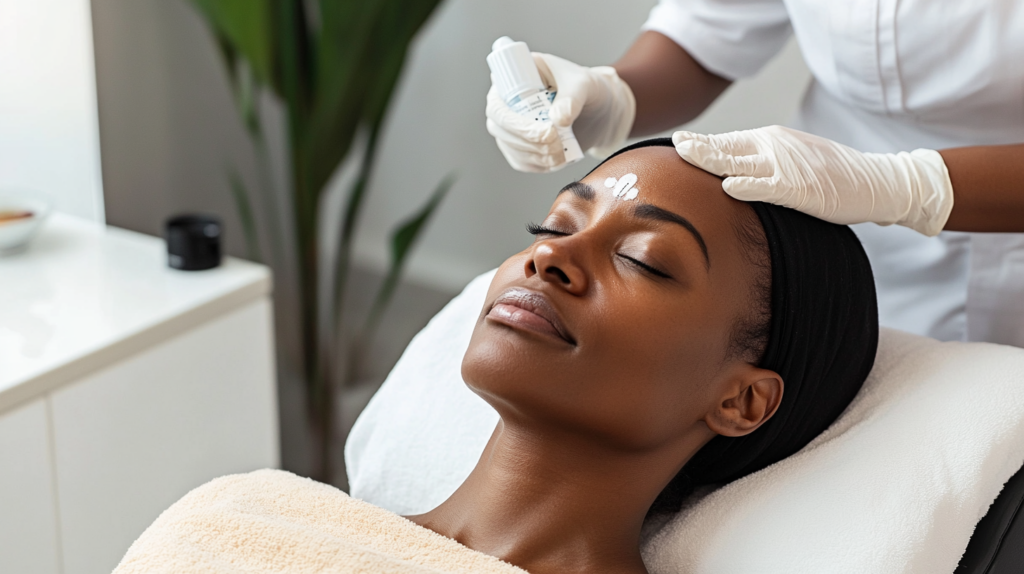
Many patients start with Botox because it is brief, targeted, and commonly used for expression lines. Over time, some patients may choose to add other treatments to address skin quality, volume loss, or collagen support.
Medical-grade facials may support hydration, congestion, and overall skin quality. Chemical peels may help with tone, dullness, mild pigmentation, and texture. Laser treatments may be discussed for sun damage or resurfacing goals.
Dermal fillers may be appropriate when the concern is hollowing, facial volume loss, or deeper folds. Fillers and Botox work differently, so they may complement each other when planned carefully.
A long-term plan should evolve with the patient’s goals and skin condition. Some patients only want occasional Botox. Others prefer a broader maintenance plan that includes injectables, skincare, and collagen-supporting treatments. A consultation helps create the right level of care without over-treating.
FAQ
Is bruising or swelling normal after a first Botox appointment?
Mild bruising, redness, or swelling can happen after Botox injections, although many patients have little visible reaction. Small bumps at injection sites usually fade quickly. Avoiding alcohol and unnecessary blood-thinning supplements before treatment may help reduce bruising risk.
Can Botox Be Combined With Other Treatments at the Same Appointment?
Some patients may receive Botox and dermal fillers during the same visit when appropriate. Other treatments, such as facials, microneedling, chemical peels, or laser services, may need to be scheduled separately. The provider determines timing based on safety, recovery, and treatment goals.
How Painful Are Botox Injections?
Most patients describe Botox injections as mild and brief, similar to a quick pinch. The needles used are very small, and the treatment is usually completed quickly. Ice or topical numbing may be discussed for patients who are nervous about discomfort.
Conclusion
A first Botox appointment should feel clear, structured, and informative. The process includes preparation, consultation, facial assessment, carefully placed injections, aftercare, and a gradual results timeline. Patients should leave with realistic expectations and clear instructions.
At Blue Point Medical Spa, patients receive injectable care guided by consultation, education, and professional oversight. If you are considering Botox for the first time, book your first consultation to discuss whether treatment may be appropriate for your goals.
Individual results vary. A consultation with a licensed provider is required to determine whether Botox or another neuromodulator is appropriate. Aesthetic services are elective and may involve risks, side effects, contraindications, bruising, swelling, asymmetry, temporary weakness, limited response, or other outcomes. Recommendations may vary based on anatomy, medical history, medications, prior treatments, treatment goals, and individual response.