
A long weekend outdoors in Las Vegas, whether at a pool party, a backyard barbecue, or watching fireworks from a rooftop, puts skin through more than it looks like at first glance. By the time the redness shows up, skin has usually been dealing with two separate problems for hours: direct UV exposure, ultraviolet radiation from the sun that damages skin cells, and heat-driven fluid loss from hours in triple-digit temperatures.
Treating both matters, because they respond to different kinds of care. This post walks through what’s actually happening to skin after a day like that, how to tell sunburn apart from skin dehydration, what helps at home, and when in-office support might be worth a conversation with a licensed provider.
How a Las Vegas Summer Day Affects Your Skin
Las Vegas summers combine three stressors at once: intense UV index, extreme heat, and low humidity. Each one affects skin differently, but together they compound.
UV rays penetrate the skin’s surface and trigger an inflammatory response, which is what produces the redness, warmth, and tenderness associated with sunburn. Heat, meanwhile, accelerates sweating and fluid loss, while the desert’s dry air pulls moisture out of the skin’s outer layer faster than it can be replaced. Dermatologists sometimes refer to this as increased transepidermal water loss, a process where skin loses hydration through evaporation more quickly than normal.
The result is that a single afternoon outside can leave skin sunburned, dehydrated, or both at the same time. Recognizing which one, or both, you’re dealing with makes it easier to know what to do next.
Signs of Sunburn and Heat-Related Skin Dehydration
These two conditions overlap often enough that people tend to lump them together, but they show up differently and call for different first steps.
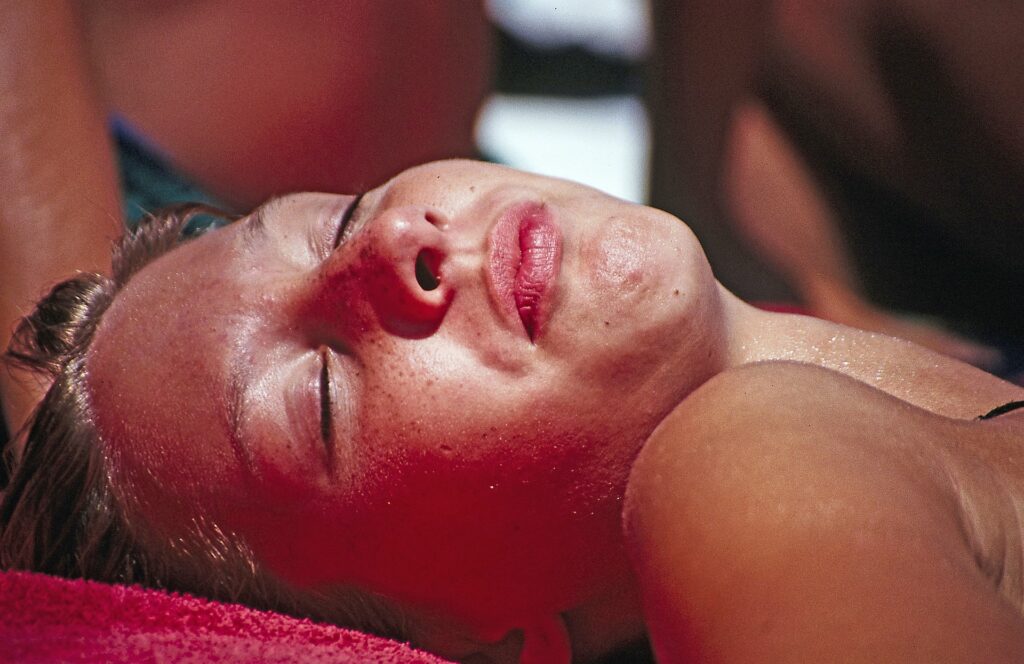
Signs of sunburn include redness and warmth to the touch, usually appearing within a few hours of exposure, as well as tenderness or pain in the affected area. More significant cases may involve swelling, while blistering signals a more severe burn that needs gentler handling.
Signs of heat-related skin dehydration include a dull, flat, or tight-feeling complexion, visible flaking or rough texture, and fine lines appearing more noticeable than usual. Dehydrated skin may also be slower than normal to bounce back after a gentle pinch test.
It’s common to have both after a long day outside: sunburned in some areas, generally dehydrated overall. Most cases fall into the range that responds well to home care, but a smaller set of symptoms points to something that needs medical attention rather than a spa visit or an at-home routine.
Seek medical care rather than home or in-office skin care if sunburn is accompanied by fever or chills, nausea or vomiting, dizziness or confusion, or blistering across a large area of the body. These can be signs of sun poisoning or heat-related illness, and they need a doctor, not a moisturizer.
At-Home Care for Sunburned or Sun-Fatigued Skin
For the more common, milder cases, at-home care addresses most of the discomfort. The American Academy of Dermatology’s guidance centers on a few consistent steps. Get out of the sun, since continued exposure only adds to the damage already done. Take a cool shower or bath, not an ice-cold one, which can shock already-irritated skin.
Moisturize while skin is still slightly damp, using a product with aloe vera or soy to help trap moisture in. Use an over-the-counter hydrocortisone cream on areas that feel especially uncomfortable, and avoid “-caine” numbing products like benzocaine, which can irritate sunburned skin or trigger an allergic reaction.
Cover skin with lightweight, breathable fabric rather than leaving it exposed to more sun or friction. Let any blisters heal on their own instead of popping them, since broken blisters are more prone to infection. Replace fluids and electrolytes, since heat exposure depletes both even when sunburn isn’t severe.
For skin that’s more dehydrated than burned, the same hydration and moisturizing principles apply, paired with looking at your broader skincare routine. Patients recovering from a particularly dry, hot stretch sometimes find it useful to revisit professional sun damage repair options once the initial irritation has settled, especially if sun exposure is a recurring pattern rather than a one-time event.
In-Office Support After Sun Exposure and Dehydration
Home care resolves most mild to moderate sunburn and dehydration. For patients who want additional support, particularly after a stretch of heavy heat exposure, a few treatment categories are worth understanding.
IV Hydration After Heat Exposure
IV hydration therapy delivers fluids and electrolytes directly into the bloodstream rather than through the digestive system. The appeal after a hot, dehydrating day is straightforward: it may support faster fluid and electrolyte replacement than drinking water alone, particularly for someone who is significantly depleted.
IV hydration does not reverse UV damage to skin cells, and it is not positioned as a treatment for the burn itself. It’s more accurately framed as support for the systemic side of heat exposure, fatigue, headache, and general depletion that often accompanies a long day outdoors. Readers who want a fuller comparison between IV and oral rehydration can look at how IV hydration compares to drinking fluids for more detail on when each approach makes sense. General background on the treatment category is also covered in IV therapy at a medical spa.
Calming and Barrier-Focused Facials
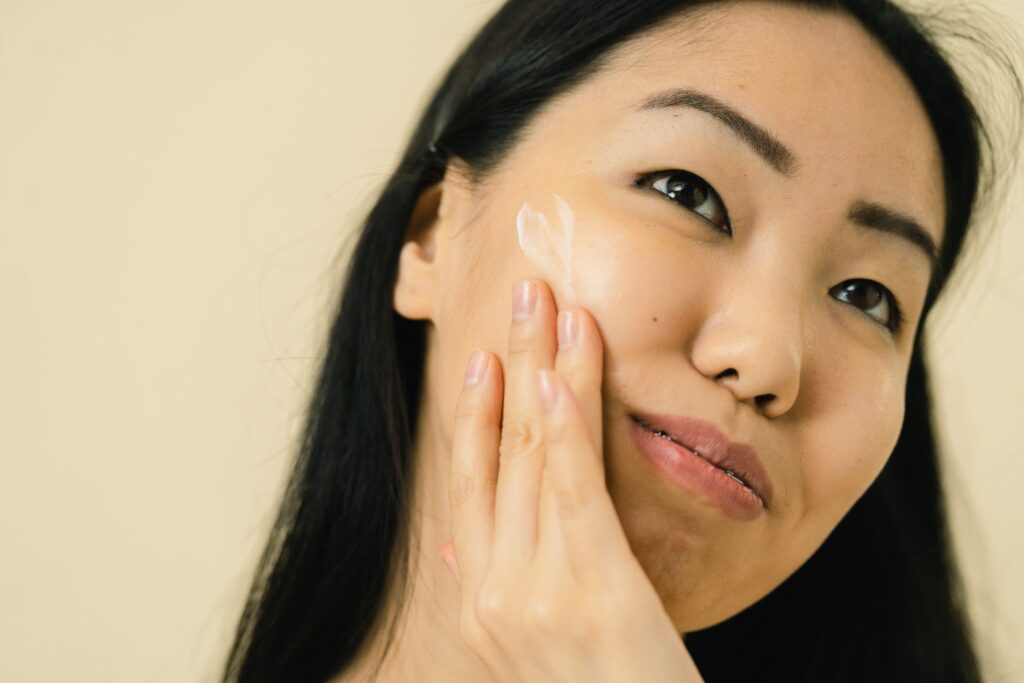
For skin that’s irritated or dehydrated rather than severely burned, calming, barrier-focused facials can offer comfort while the skin barrier, the outermost layer that keeps moisture in and irritants out, recovers. These treatments are intentionally non-exfoliating and low-intensity during an active recovery period, since aggressive treatments on compromised skin can slow healing rather than help it.
None of these options are framed as a guaranteed fix or a way to undo sun damage that’s already occurred. Individual results vary based on the severity of sun exposure, skin type, and overall health, and a licensed provider evaluates each patient’s history and current skin condition before recommending any treatment plan. Board-certified oversight matters here specifically because skin that’s actively irritated needs a different approach than skin in normal condition, and an experienced provider can tell the difference.
Protecting Your Skin for the Rest of the Las Vegas Summer
The Las Vegas heat doesn’t end after one holiday weekend. Sun exposure and dehydration risk stay elevated through most of the summer, which makes ongoing habits more useful than a single recovery routine.
Reapply broad-spectrum sunscreen throughout the day rather than using it only once in the morning. Build hydration into the day consistently instead of waiting until skin begins to feel dry or tight. Adjust skincare products for the desert climate, since formulas that work in cooler, more humid conditions may not provide enough support in Las Vegas. When possible, plan outdoor activities and sun exposure around peak UV hours to reduce cumulative exposure.
For a more complete approach to year-round skin care in this climate, a desert-specific skincare routine addresses the ongoing dryness that Las Vegas conditions create even outside of a single heat event. Anyone spending regular time at the pool this summer may also find it useful to review pool season skin protection for habits that reduce cumulative sun and chlorine exposure over the season.

FAQ
How can I tell whether my skin is sunburned or dehydrated?
Sunburn usually causes redness, warmth, tenderness, swelling, or blistering. Dehydrated skin is more likely to feel tight, look dull, develop rough or flaky texture, and show fine lines more prominently. Both conditions can occur at the same time after prolonged heat and sun exposure.
How long should I wait before scheduling a facial after sun exposure?
Skin should no longer feel actively hot, painful, irritated, or severely inflamed before an in-office facial is considered. A licensed provider should evaluate the skin first and determine whether a gentle, barrier-focused treatment is appropriate.
Can IV hydration treat sunburn?
IV hydration does not reverse UV damage or treat the burn itself. It may support fluid and electrolyte replacement for patients experiencing systemic dehydration, fatigue, or depletion after prolonged heat exposure.
Conclusion
Sunburn and heat-related skin dehydration usually respond well to consistent home care, and most cases don’t require anything more. For patients dealing with recurring sun exposure, ongoing dehydration, or skin that isn’t bouncing back the way it used to, a consultation can help sort out what’s actually going on and what support makes sense.
Cooling the skin, restoring moisture, replacing lost fluids, avoiding additional sun exposure, and monitoring for symptoms that require medical care are the most important first steps. Once the initial irritation has resolved, a licensed provider can evaluate whether additional barrier support or professional skin care may be appropriate.
Individual results vary. A consultation with our team can help set realistic expectations for your goals.Schedule a consultation with Blue Point Medical Spa to talk through skin recovery and summer skin care options.