
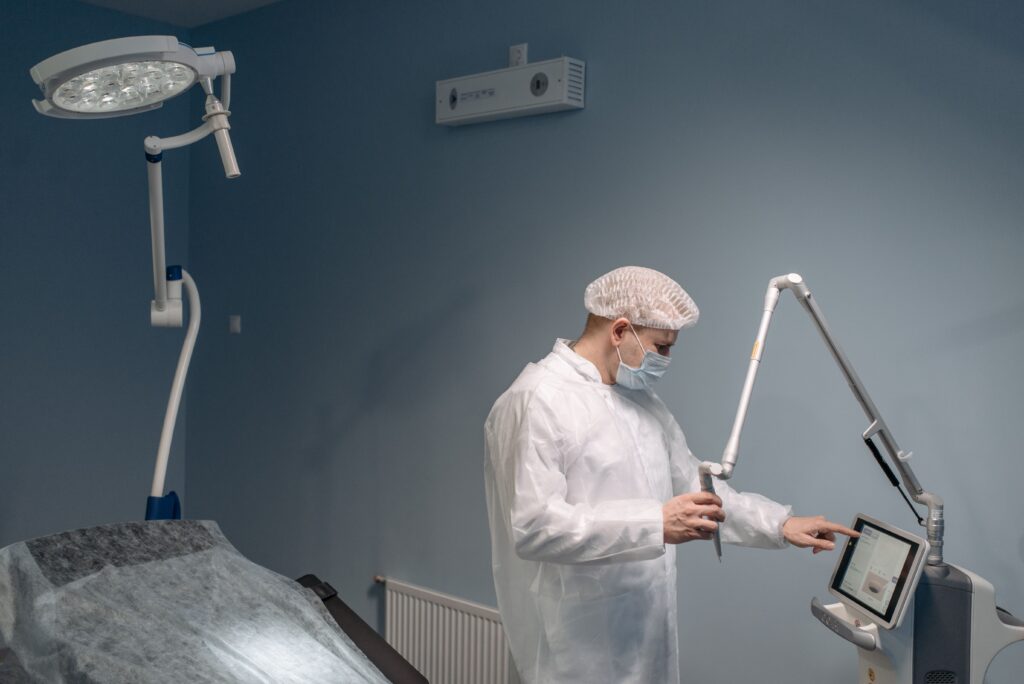
Most Phoenix Thera-Lase content, including Blue Point’s own introductory guide to the device, speaks to a broad audience: patients recovering from a procedure, athletes managing soreness, people curious about a new recovery tool. Patients living with chronic pain, pain that persists for three months or longer after the original injury or condition has otherwise resolved, are a different audience with a different question. They are not asking whether a laser session feels relaxing. They are asking whether this device does anything meaningful for a condition that other treatments have not fully resolved.
This post answers that question directly: what Phoenix Thera-Lase is actually FDA-cleared to do, what independent research on its proposed anti-inflammatory mechanism supports, and how it realistically fits into managing a chronic pain condition rather than curing one.
Chronic Pain Compared With Acute Pain
Acute pain follows an injury or procedure and typically resolves as tissue heals, often within weeks. Chronic pain persists well past that expected healing window, whether from long-standing arthritis, an old injury that never fully settled, or a musculoskeletal condition with no single clear cause. The distinction matters clinically because the tissue-level picture is different: acute pain usually involves active healing, while chronic pain often involves a nervous system that has become sensitized to pain signals even after the original tissue damage has stabilized.
Blue Point’s introductory Phoenix Thera-Lase content covers the device broadly, including post-surgical recovery and sports-related soreness, both largely acute applications. This post focuses specifically on the chronic pain use case and what a patient managing a long-standing condition should actually expect.
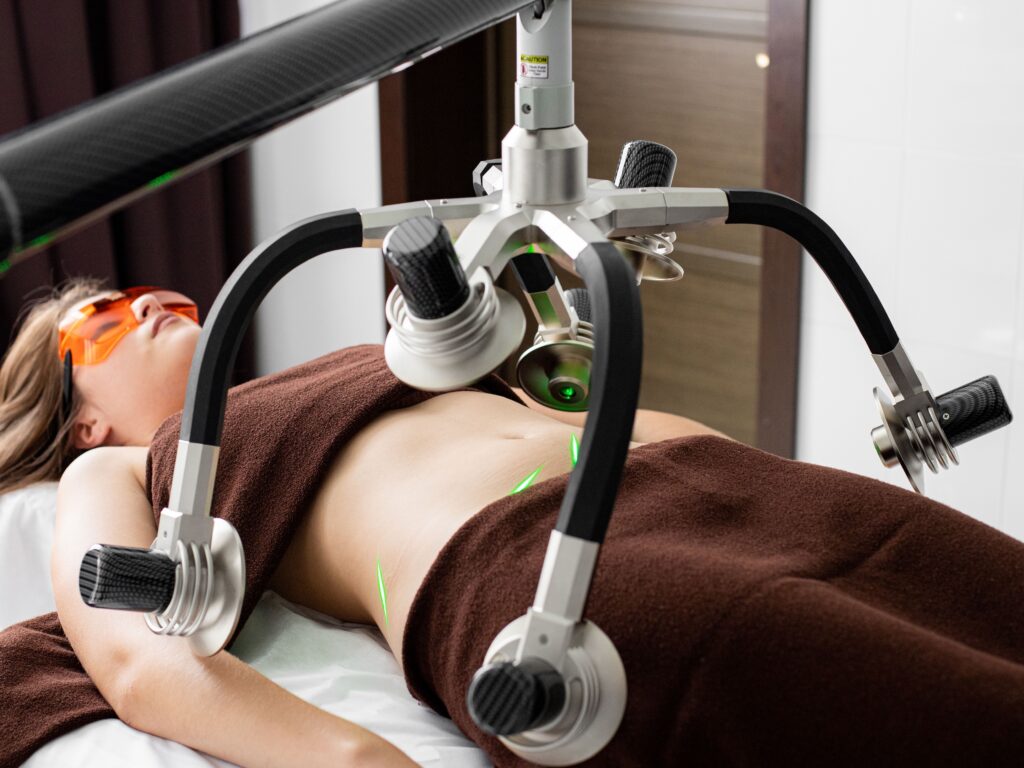
Phoenix Thera-Lase FDA Clearance and Approved Uses
The Phoenix Thera-Lase System received FDA 510(k) clearance in 2015 (K151521) as a Class II infrared lamp device under 21 CFR 890.5550. The cleared indications for use are specific: temporary relief of minor muscle and joint pain, muscle spasm, and pain or stiffness associated with minor arthritis, along with a temporary increase in local blood circulation.
That clearance is worth reading carefully, because it is narrower than some marketing language around laser therapy devices suggests. It is a symptomatic relief indication, not a claim that the device treats, cures, or reverses an underlying chronic inflammatory condition. “Temporary relief” is the operative phrase: for a condition that persists over months or years, temporary relief generally means a recurring series of sessions integrated into a longer-term pain management approach, not a single visit that resolves the issue permanently.
Patients considering Phoenix Thera-Lase for a chronic condition should walk in with that framing already in mind. It is a tool for managing symptoms alongside other care, not a stand-alone cure, and no licensed provider should present it as one.
Photobiomodulation and the Proposed Anti-Inflammatory Mechanism
Phoenix Thera-Lase works through photobiomodulation, sometimes called low-level laser therapy or cold laser therapy, a process where specific wavelengths of light interact with cellular structures rather than heating or cutting tissue. Blue Point’s introductory post on cold laser therapy explains the wavelength ranges and session mechanics in more depth; this section focuses on the piece most relevant to chronic pain, the anti-inflammatory pathway.
Independent research identifies cytochrome c oxidase, an enzyme in the mitochondria, the cell structure responsible for producing energy, as the primary site where light energy is absorbed. Photon absorption at this enzyme is associated with increased adenosine triphosphate (ATP) production, the cell’s energy currency, along with changes in nitric oxide release and calcium signaling. Researchers studying these pathways have proposed that this cellular-level activity may help reduce the release of inflammatory mediators such as prostaglandins and pro-inflammatory cytokines, including IL-1β, IL-6, and TNF-α, in the tissue being treated.
That mechanism is genuinely studied, but it remains an area of active research rather than settled science. Reviews of photobiomodulation’s anti-inflammatory effects describe the pathway as a proposed mechanism supported by laboratory and preclinical findings, not a fully mapped clinical process. Patients should understand the difference: there is real scientific interest in how light-based therapy might influence inflammation at the cellular level, but that is not the same as a guarantee that a given patient’s chronic inflammatory pain will respond in a specific, predictable way.
Clinical Research on Phoenix Thera-Lase and Chronic Pain
Independent systematic reviews, separate from Phoenix Thera-Lase’s own manufacturer, have examined low-level laser therapy across several chronic pain conditions.
For chronic low back pain, a systematic review and meta-analysis found statistically significant pain-score improvement with laser therapy compared to placebo, though the same review noted weaker evidence for improvement in functional outcomes like mobility and daily activity.
For chronic neck pain, reviews of infrared-wavelength laser trials reported positive effects in most studies, with more research available for chronic neck pain than for acute cases.
For broader musculoskeletal pain, reviews covering conditions such as knee osteoarthritis, plantar fasciitis, and lateral epicondylalgia tennis elbow) found laser therapy showed efficacy for both pain reduction and functional improvement, though researchers consistently flag that differences in laser wavelength, dose, and treatment protocol across studies make direct comparisons difficult.
The pattern across this research is consistent: studies suggest a real pain-relief benefit for several chronic musculoskeletal conditions, with the strength of evidence varying by condition and outcome measured. That is a meaningfully different claim than saying the device treats chronic inflammation as a disease process, and it is the claim the current research actually supports.
Phoenix Thera-Lase Chronic Pain Treatment at Blue Point
Every Phoenix Thera-Lase candidacy decision at Blue Point Medical Spa starts with a consultation, where the provider reviews the patient’s condition, its duration, prior treatments attempted, and any contraindications. Blue Point’s team works under the oversight of Dr. Danka K. Michaels, M.D., and this oversight matters more for chronic pain patients than for cosmetic patients, since a chronic condition often has a more complicated medical history behind it.
Chronic conditions generally call for a longer series of sessions than the acute, post-procedural applications covered elsewhere on the site, sometimes reaching 10 to 15 sessions before a patient and provider can assess whether the approach is producing a meaningful, sustained change. Providers typically reassess at intervals along the way rather than committing a patient to a fixed, lengthy protocol from the outset.
Phoenix Thera-Lase also works best as one piece of a broader pain management approach rather than a stand-alone solution. Patients managing chronic pain often combine laser sessions with physical therapy, an anti-inflammatory nutrition plan, and, where appropriate, ongoing care from a physician managing the underlying condition. Framing it this way, as a complementary tool rather than a replacement for medical care, is consistent with both the narrow scope of its FDA clearance and the current state of the research.

Realistic Expectations for Chronic Pain Treatment
Individual results vary. Some patients notice a meaningful reduction in pain and stiffness within the first several sessions; others need a longer course of treatment before change becomes apparent, and some do not respond as strongly as others to this particular modality. No provider can promise a specific outcome or timeline, and any provider who does should raise a red flag.
Phoenix Thera-Lase is not a substitute for a physician’s diagnosis or treatment plan, particularly for chronic pain with an unclear cause or a condition that has been worsening rather than stable. Patients should continue working with their physician for diagnosis and ongoing medical management, and use a Phoenix Thera-Lase consultation to explore whether it makes sense as an added piece of that plan rather than a replacement for it.
FAQ
Is Phoenix Thera-Lase a cure for chronic pain?
Phoenix Thera-Lase is not presented as a cure for chronic pain. Its FDA clearance covers temporary relief of minor muscle and joint pain, muscle spasm, minor arthritis pain or stiffness, and a temporary increase in local blood circulation.
How many Phoenix Thera-Lase sessions may be needed?
Chronic conditions may require a longer series than acute or post-procedural applications, sometimes reaching 10 to 15 sessions before the patient and provider can assess whether the treatment is producing a meaningful, sustained change.
Can Phoenix Thera-Lase replace medical care or physical therapy?
Phoenix Thera-Lase is intended to work as a complementary part of a broader pain management approach. Patients should continue working with their physician for diagnosis and medical management and may combine laser sessions with physical therapy, nutrition support, or other appropriate care.
Conclusion
Phoenix Thera-Lase’s FDA clearance covers temporary relief of minor muscle and joint pain, muscle spasm, and minor arthritis pain, and independent research on its proposed anti-inflammatory mechanism is genuinely promising but still developing. Patients managing a chronic condition deserve that accurate picture before deciding whether it belongs in their care plan.
The treatment is best understood as a tool for symptom management rather than a cure for an underlying condition. A licensed provider can review the patient’s medical history, previous treatments, current symptoms, and existing care plan to determine whether Phoenix Thera-Lase may be appropriate as an additional form of support.
Schedule a consultation with Blue Point Medical Spa to discuss whether Phoenix Thera-Lase fits your chronic pain management plan and to review how it might work alongside your existing medical care.