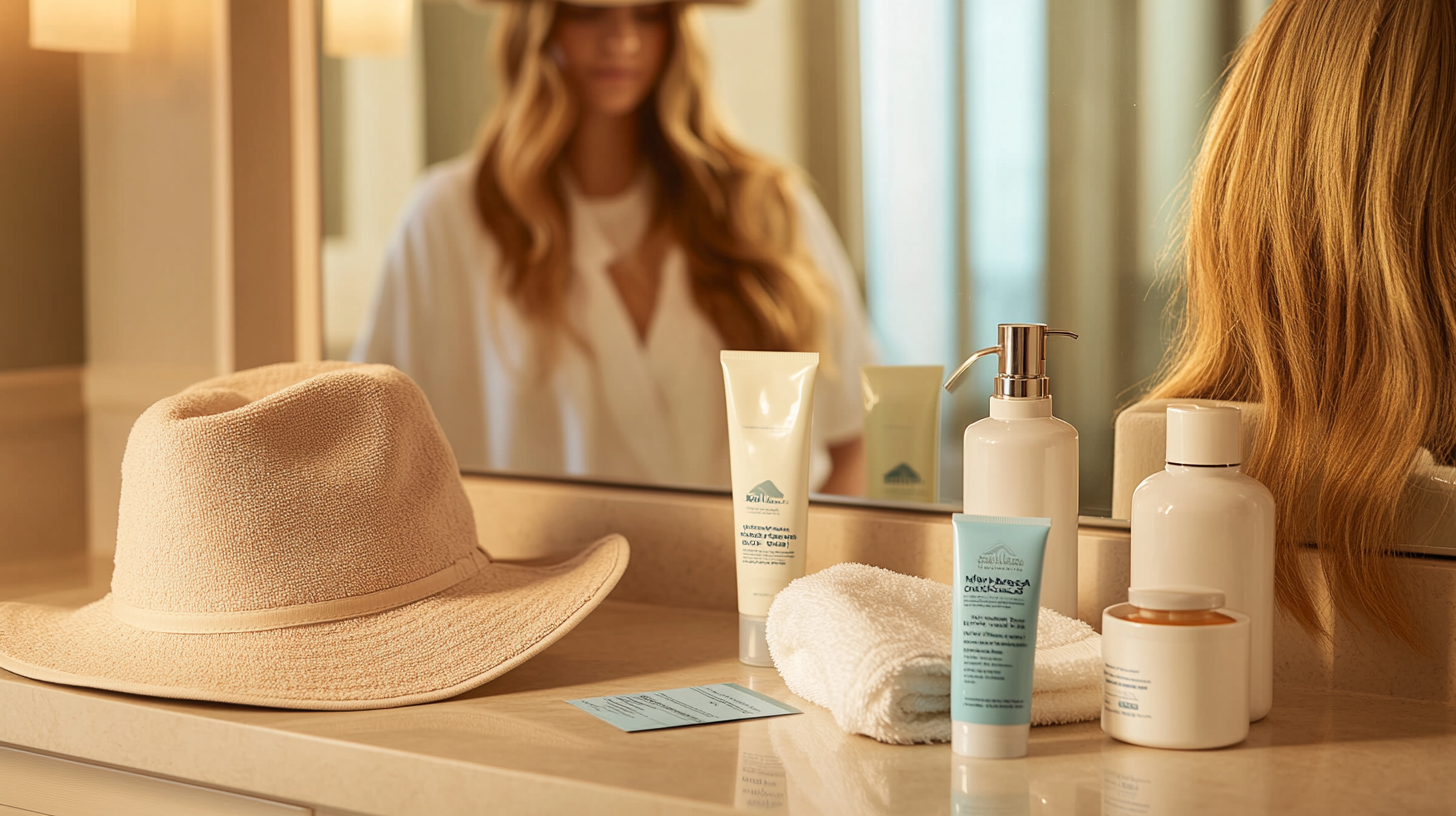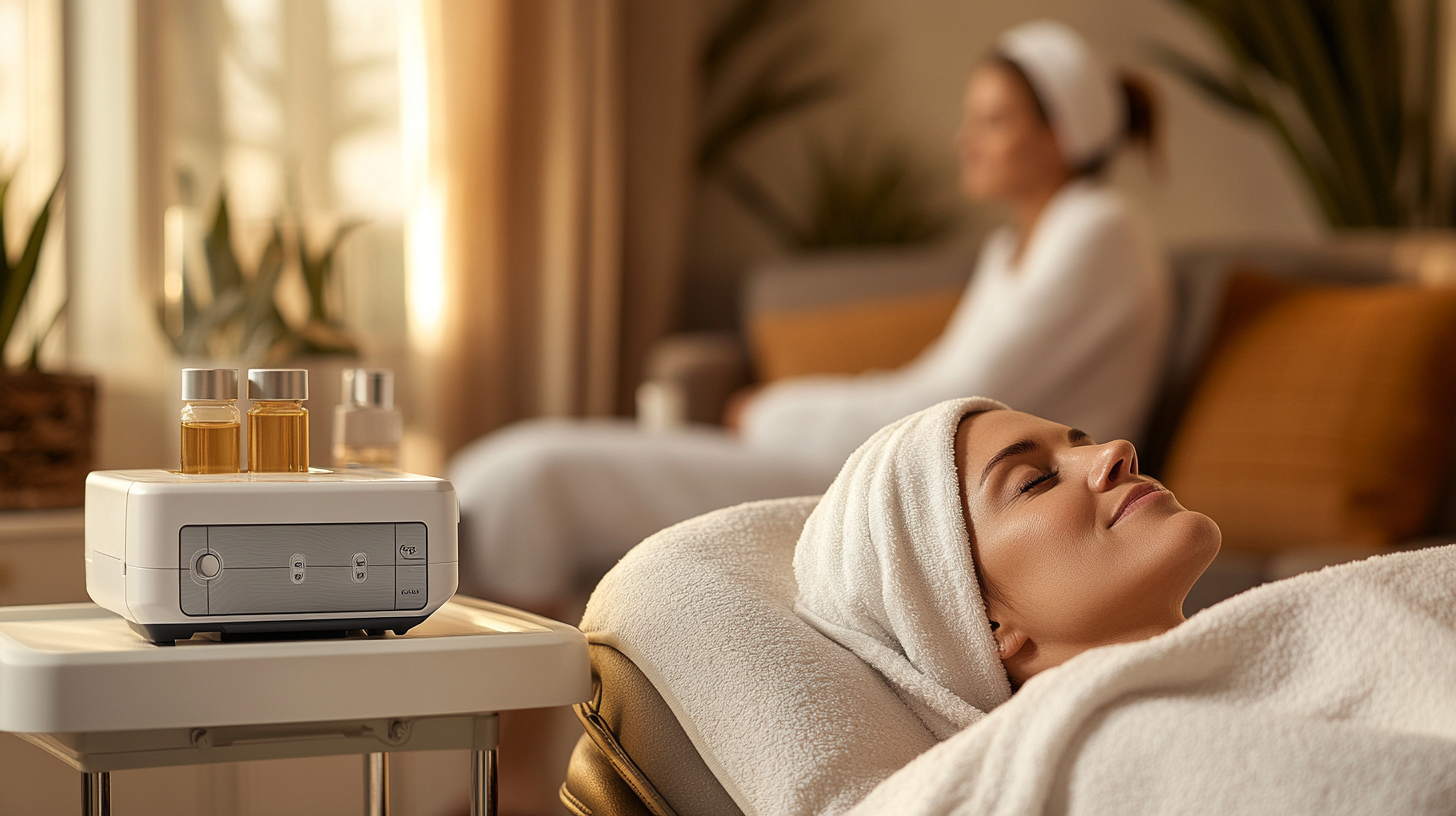
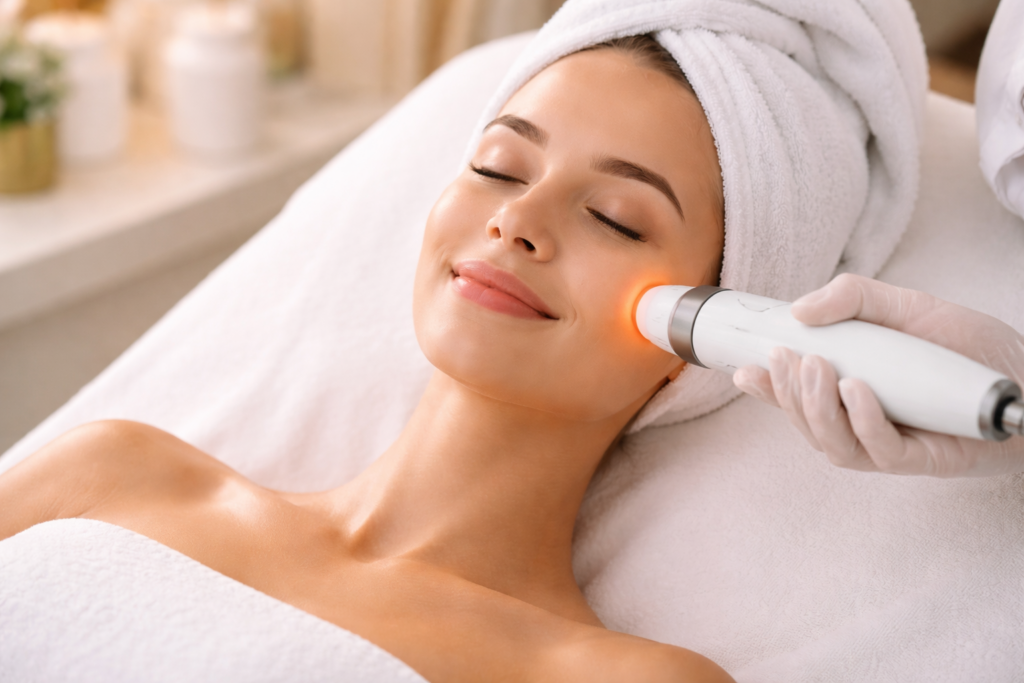
When the early signs of aging begin to appear, many patients notice subtle changes before they see dramatic ones. Fine lines, mild uneven skin tone, dullness, and shifts in skin texture can affect how the skin reflects light and how confident someone feels in their appearance.
At BluePoint Medical Spa, conversations around skin rejuvenation treatments should begin with education, not pressure. Patients often want to understand what may be contributing to aging skin, what options exist, and which treatments may support healthier skin in a way that respects their goals, timeline, and comfort level.
Why Early Signs of Aging Appear Sooner Than Expected
The natural aging process affects everyone differently, and the skin often reflects these changes first. A gradual decline in collagen and elastin, repeated facial expressions, and cumulative sun exposure can all contribute to visible shifts in firmness, tone, and smoothness.
For some patients, premature aging becomes noticeable in the form of crow’s feet, mild sagging skin, or more visible pores. These changes may not indicate a serious medical issue, but they can influence how the skin feels and how patients perceive their overall appearance.
Early Changes in Skin Texture and Tone
Many people first notice rougher skin texture or patches of uneven skin tone before they notice deeper wrinkles. Skin may look less luminous, feel less smooth, and show lingering discoloration from sun damage, inflammation, or prior breakouts.
This is also why acne scars, mild redness, and visible blood vessels can become part of the conversation about skin rejuvenation. Even when structural aging is still mild, changes on the skin’s surface can make the face appear more tired than it feels.
How Skin Rejuvenation Treatments Target Early Aging
How skin rejuvenation treatments target early signs of aging depends on the layer of skin involved and the concern being treated. Some options focus on removing dead skin cells, some support the skin’s natural healing process, and others work within the deeper skin layers to encourage renewal.
Rather than offering a one-size-fits-all result, facial rejuvenation treatments are typically selected to address specific concerns such as dullness, fine lines and wrinkles, early laxity, or discoloration. This individualized approach helps patients make informed decisions based on skin condition, lifestyle, and treatment goals.
How Collagen Production Affects Facial Aging
A major factor in skin aging is the gradual slowing of collagen and elastin production. These structural proteins help keep the skin resilient, supported, and smooth, which is why their decline may contribute to loose skin, reduced skin elasticity, and softer facial definition.
Treatments that focus on stimulating collagen production or promoting collagen growth are often used early because they may help support firmer-looking skin over time. When collagen remodeling improves, patients may notice smoother skin, a more even texture, and a more refreshed appearance.
Why Sun Exposure and Facial Expressions Matter
Daily sun exposure can accelerate visible aging by affecting pigment, texture, and collagen integrity. Over time, this may lead to sun damage, dullness, and changes in overall skin tone, even in patients who are otherwise consistent with skincare.
Repeated facial expressions also contribute to dynamic wrinkles, especially around the eyes and forehead. These lines often begin as movement-related creases, but with time, they can remain visible at rest and become part of long-term facial aging.
The Medical and Wellness Context of Skin Rejuvenation
At a medical spa, facial rejuvenation is not simply about appearance. It is also about supporting skin health, improving comfort with one’s appearance, and helping patients choose evidence-informed treatments that fit their needs and tolerance for downtime.
A careful consultation matters because not every concern responds the same way. Skin types, pigment patterns, history of acne scars, degree of laxity, and current skincare routines all influence which facial rejuvenation procedures may be appropriate.
How Facial Rejuvenation Supports Healthier Skin
Many patients seek a more youthful appearance, but they also want skin that behaves better day to day. This may include fewer rough patches, less congestion from clogged pores, and a more stable barrier that supports brighter skin and improved comfort.
In that sense, some rejuvenation treatments may contribute to improved skin health in addition to cosmetic changes. When the skin reflects light more evenly and tolerates skincare better, patients often describe the result as looking more rested and naturally refreshed.
Chemical Peels for Uneven Tone and Dull Skin
Chemical peels are commonly used for early pigment concerns, congestion, and rough texture. By exfoliating damaged surface cells, they may help improve skin tone, refine skin’s surface irregularities, and support clearer, more luminous skin.
For patients with mild discoloration or roughness, light chemical peels are often chosen because they can offer gradual improvement with relatively minimal downtime. These treatments may be useful when the goal is fresher-looking skin without a more intensive recovery period.
When Deep Chemical Peels Are Appropriate
Deep chemical peels are more intensive and are not appropriate for every patient. Because they reach further into the skin, they are typically considered more carefully and require a clear discussion about healing, expected recovery, and skin safety.
In the right setting, deeper peels may help address more noticeable texture changes or pigment irregularities. Still, they should be evaluated cautiously, especially in patients with sensitive skin, complex pigment histories, or limited tolerance for downtime.
Laser Resurfacing for Fine Lines and Texture
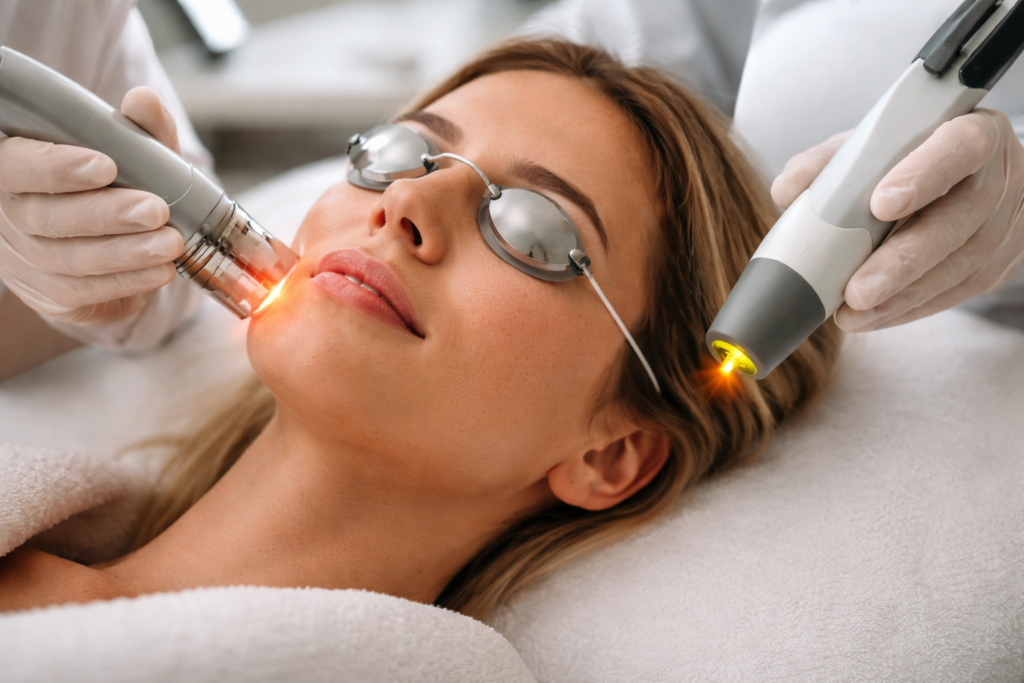
Laser resurfacing is often considered when patients want to address fine lines, textural irregularities, and early photoaging. These skin resurfacing treatments work by targeting controlled areas of the skin to encourage skin repair and renewal.
Because laser energy can affect both the skin’s surface and deeper layers, it may support collagen growth while also smoothing visible imperfections. This dual action is one reason laser treatment remains a common option in facial rejuvenation procedures.
Ablative Laser Treatments vs. Lighter Options
Ablative laser treatments remove a portion of the outer skin layer and generally involve more recovery. They may be considered for more advanced textural concerns, but they also require thoughtful planning and close attention to aftercare.
Lighter laser options may offer a gentler path for patients focused on early signs rather than severe damage. These approaches can be appealing when someone wants visible improvement with a more manageable recovery window.
Intense Pulsed Light for Sun Damage and Visible Vessels
Intense pulsed light is often used when discoloration, redness, or visible blood vessels are contributing to an uneven complexion. It is not the same as a traditional laser, but it may help improve overall skin tone and reduce the appearance of certain pigment-related concerns.
Patients with early sun damage often ask about this treatment because it can address color irregularities that make the skin look older. When appropriate, it may support a clearer, more even complexion and a brighter overall appearance.
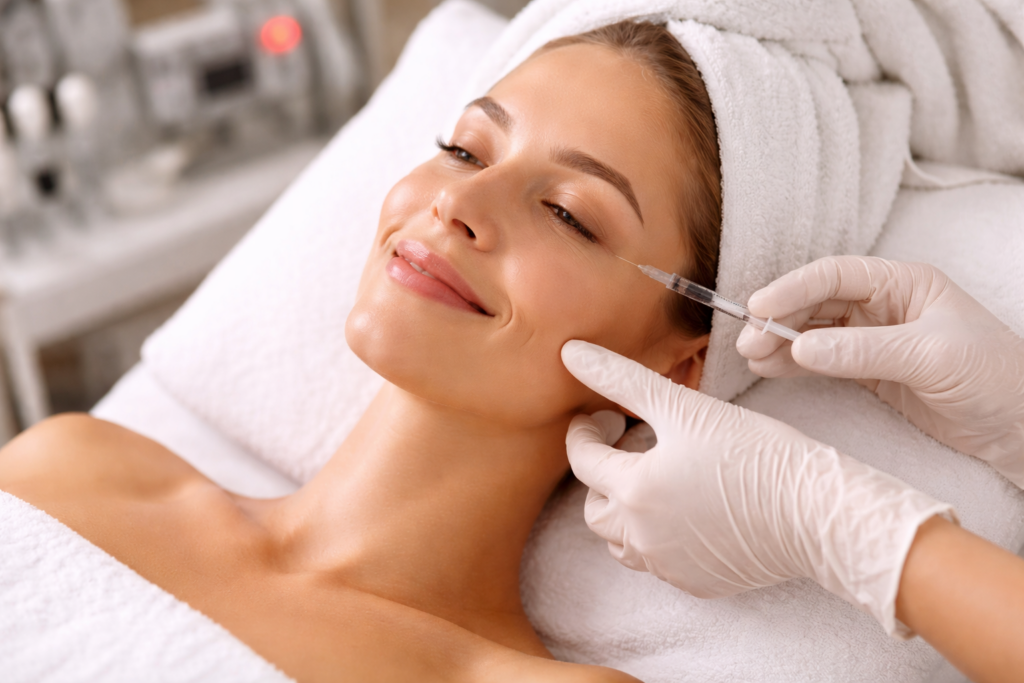
Dermal Fillers and Hyaluronic Acid for Early Volume Loss
Not all aging starts on the surface. Mild volume loss around the cheeks, under-eyes, or mouth can soften facial contours and contribute to a more tired appearance, even before significant wrinkles develop.
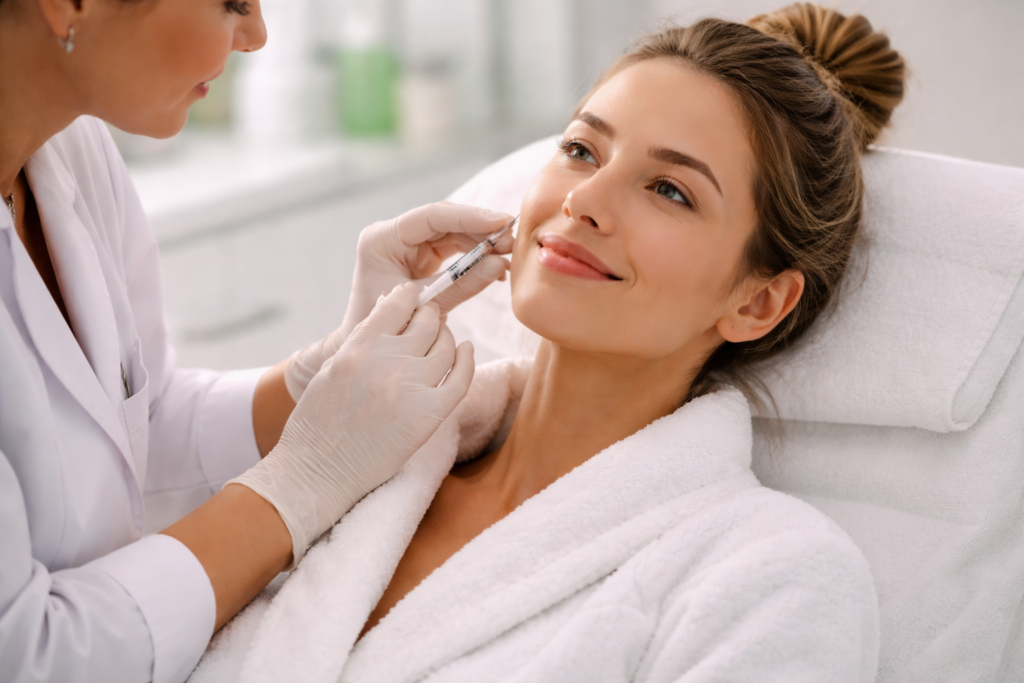
Dermal fillers, often formulated with hyaluronic acid, may help restore subtle support and enhance facial contours in selected patients. When used conservatively, they can contribute to a smoother transition between facial features and a more balanced, refreshed look.
How Nonsurgical Facial Rejuvenation Helps Sagging Skin
For patients concerned about mild sagging skin or reduced firmness, non-surgical facial rejuvenation may include energy-based therapies designed to support skin tightening. These treatments aim to stimulate activity within the deeper skin layers rather than simply treat the top layer alone.
While outcomes vary, these options may be useful for patients who are not ready for more invasive procedures. They are often chosen to support skin firmness and gradual improvement rather than dramatic change.
Treating Dark Circles, Acne Scars, and Deeper Wrinkles
Concerns such as dark circles, acne scars, and deeper wrinkles usually require a more tailored plan. Different causes can create a similar appearance, so proper assessment matters before selecting a treatment.
For example, dark circles may relate to volume loss, pigment, or vascular visibility, while scars may respond better to resurfacing-based approaches. A customized plan helps avoid overtreatment and improves alignment between the treatment and the underlying concern.
How Topical Treatments Fit Into a Rejuvenation Plan
Not every patient needs an in-office procedure right away. Topical treatments may support skin turnover, hydration, and pigment management, especially when concerns are mild or when patients want to prepare the skin before a procedure.
These products can also help extend the benefits of professional care. When chosen appropriately, they may reinforce a smoother texture, support skin cell renewal, and help maintain radiant skin between visits.
Why Minimally Invasive Procedures Appeal to Early Treatment
Many patients exploring early intervention want results that look natural and do not interrupt daily life. Minimally invasive procedures can be appealing because they often balance measurable improvement with a more practical recovery experience.
This matters emotionally as well as physically. Patients often feel more comfortable pursuing care when the plan respects their schedule, supports their natural beauty, and focuses on realistic, gradual change instead of exaggerated transformation.
Choosing Skin Resurfacing Treatments
Choosing among skin resurfacing, fillers, light-based devices, or other rejuvenation treatments should involve more than trend appeal. Skin type, pigment sensitivity, current inflammation, previous procedures, and treatment goals all play a role in safety and suitability.
It is also important to discuss potential risks, expected recovery, and the fact that results vary. Some treatments may help improve skin texture, support brighter skin, or create a more youthful appearance, but no approach is universal for every concern or every patient.
FAQ
Which treatment is best for uneven skin tone and sun damage?
That depends on the cause and depth of the discoloration. Chemical peels, intense pulsed light, and certain laser resurfacing options are often considered when sun damage and uneven skin tone are part of the concern.
Are facial rejuvenation treatments safe for all skin types?
Not every treatment is ideal for every skin type. A consultation helps determine which procedures may be appropriate based on pigmentation risk, sensitivity, history of scarring, and overall skin health.
How much downtime do skin resurfacing treatments involve?
Recovery varies by treatment intensity. Some options involve minimal downtime, while others, such as more intensive resurfacing, may require a longer healing period and closer aftercare.
Do dermal fillers make the face look unnatural?
When used conservatively and for the right reasons, dermal fillers can support subtle balance rather than dramatic change. Treatment planning should focus on facial harmony, realistic outcomes, and preservation of natural beauty.

Conclusion
Addressing the early signs of aging is not about chasing perfection. It is about understanding how changes in skin texture, skin tone, and firmness develop over time, and choosing skin rejuvenation treatments that align with your skin’s needs, comfort level, and long-term goals. When treatment is personalized, patients are better positioned to support healthier skin, a smoother appearance, and results that feel natural rather than overdone.
Because concerns like uneven skin tone, fine lines, mild laxity, and sun damage can respond differently to different therapies, a thoughtful evaluation is an important first step. The right plan may involve chemical peels, laser resurfacing, intense pulsed light, dermal fillers, or other facial rejuvenation treatments, depending on your skin type, lifestyle, and treatment priorities. Individual results vary, and all treatments should be evaluated with appropriate medical guidance.
At BluePoint Medical Spa, patients can receive personalized recommendations in a supportive, professional setting focused on safety, education, and realistic outcomes. Schedule a consultation to discuss your concerns, explore your options, and take the next step toward radiant skin and a refreshed, confident appearance.