Changes in skin texture and skin tone often happen gradually. A patient may first notice rough texture, fine lines, acne scars, age spots, or uneven pigmentation, then realize that skin no longer reflects light the same way it once did. These concerns are common after sun exposure, acne, and normal collagen loss over time.
At a medical spa, the goal is not to promise perfect skin. The goal is to evaluate skin concerns carefully and determine whether laser treatments or other skin resurfacing methods may help support healthier-looking skin with a smoother, more even surface.
When patients search for how advanced laser technology improves skin texture and tone, they are usually asking a practical question: Can this treatment help my skin look clearer, brighter, and more refined without unnecessary downtime? The answer depends on skin types, the type of laser, and whether the treatment plan matches the skin’s actual needs.
That is why a consultation matters. A personalized review of medical history, current skincare, skin color, and the treatment area helps determine whether laser resurfacing, fractionated lasers, chemical peels, or another option is the safest and most appropriate next step.
Why Skin Texture and Tone Change
The surface of the skin changes as the outer layers accumulate damage from UV exposure, acne inflammation, and daily wear. Over time, sun-damaged skin may show uneven skin texture, discoloration, and loss of clarity.
Below the surface, collagen naturally declines with age. As that support network weakens, skin elasticity may decrease, making sagging skin, shallow wrinkles, and textural irregularity more noticeable.
For some patients, acne leaves behind visible depressions or irregularly treated tissue patterns. For others, years of sun damage create a mix of dark spots, dullness, and deep wrinkles that topical products alone may not adequately address.
Laser Resurfacing for Acne Scars and Rough Skin
In many cases, laser skin resurfacing is commonly used to address acne scars, textural irregularities, and signs of photoaging. Ablative resurfacing works by removing damaged surface tissue so new skin can emerge during the healing process.
For patients with roughness rather than deep scarring, non-ablative or fractionated lasers may offer a gentler path. These approaches create controlled thermal injury in the skin to support stimulating collagen production while leaving portions of the surrounding skin intact.
How Sun Damage Impacts Skin Texture and Tone
Chronic sun exposure does more than darken the skin. It can contribute to fine lines, uneven pigment, dryness, and visible changes in the layers of skin, making the complexion appear less uniform.
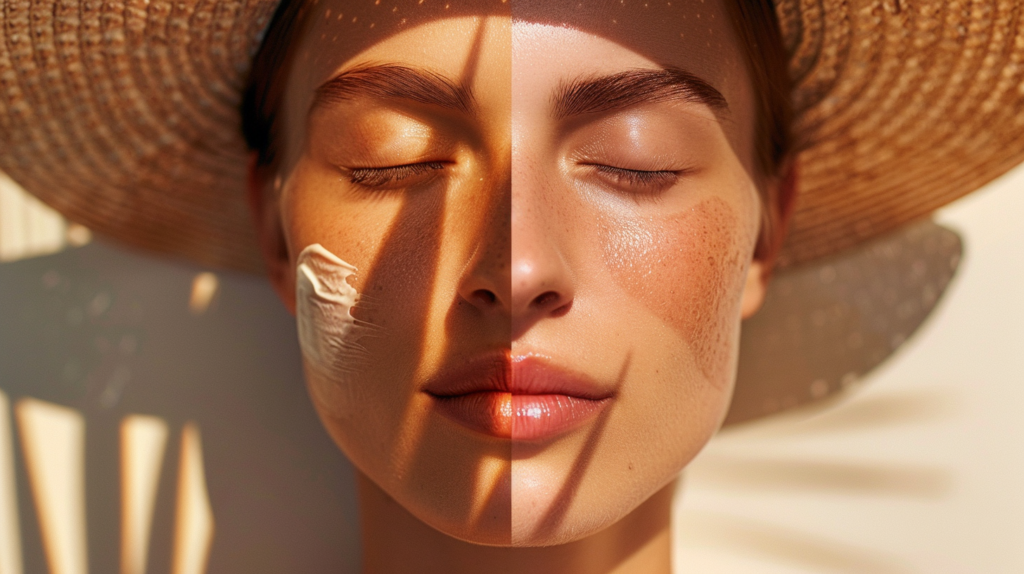
That is why laser resurfacing treatments are often paired with strict sun protection. If recently tanned or sunburned skin is treated, the risk of burns or discoloration can increase, especially while the treated skin is healing.
How Advanced Lasers Work in Resurfacing
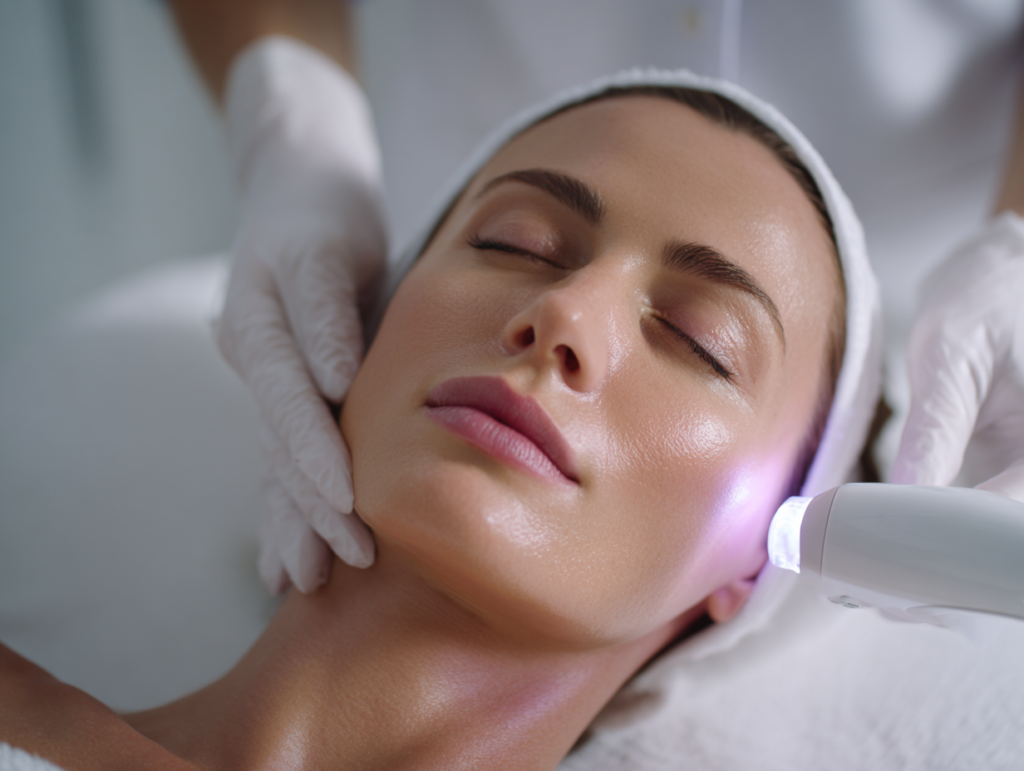
Modern laser technology uses concentrated light energy to target damaged tissue with precision. Depending on the device, laser energy may remove damaged outer layers, heat deeper tissue, or do both in a controlled way.
That controlled injury is the reason resurfacing can improve skin quality. As the skin repairs itself, healthy skin cells replace damaged surface cells, while collagen remodeling can support smoother skin and better tone over time.
Results are rarely instant. Even when early brightness appears, much of the visible change comes later as the skin heals and collagen growth continues.
Ablative Lasers for Advanced Skin Concerns
Ablative lasers remove portions of the skin surface and are often used for wrinkles, scars, and more significant texture concerns. The two most discussed options are carbon dioxide lasers and erbium lasers.
Carbon dioxide resurfacing is often chosen for more noticeable wrinkles and scarring, while erbium lasers are commonly used for superficial to moderately deep lines and may involve fewer side effects than CO2 in some settings.
Fractional Lasers and Reduced Downtime
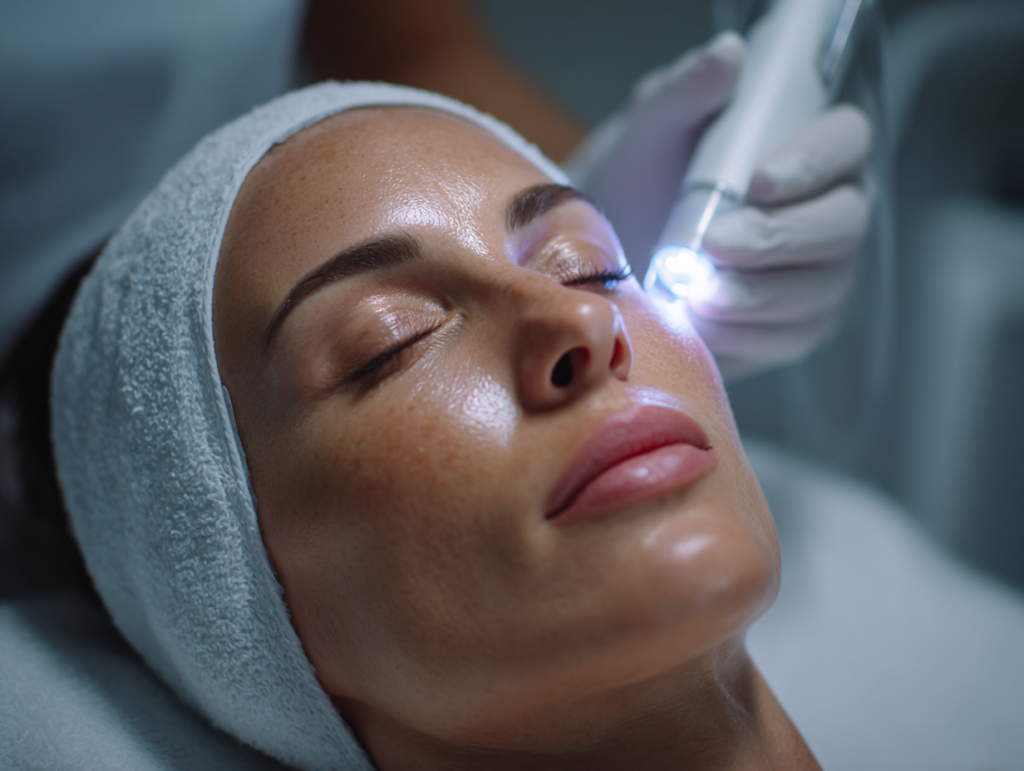
Fractional lasers treat microscopic zones instead of the entire surface at once. Because untreated areas remain between those columns, the skin may recover more efficiently than with full-field resurfacing.
This is one reason some patients ask about minimal downtime options. Fractionated treatments may be appropriate when the goal is gradual skin rejuvenation with a balance between improvement and recovery time.
Intense Pulsed Light vs. Laser Resurfacing
Intense pulsed light is a light-based treatment rather than a traditional resurfacing laser, and it is generally discussed separately from ablative or non-ablative laser resurfacing.
Still, some patients with pigment concerns or visible photodamage may hear both options during consultation. The right recommendation depends on whether the main issue is texture, redness, discoloration, scarring, or a combination of concerns.
Patients Who Require Special Planning
Patients with darker skin tones, ethnic skin, or a history of pigment change often need especially careful device selection. Incorrect settings or the wrong device may increase the risk of hyperpigmentation or hypopigmentation.
This does not mean patients with darker skin cannot be treated. It means the treatment plan should be individualized, conservative when needed, and guided by a qualified provider familiar with different skin types and pigment response.
Importance of Medical History Before Resurfacing
A thorough review of medical history helps identify issues that can affect recovery. Medications that increase sun sensitivity, a tendency toward pigmentation problems, or a history of poor wound healing can all influence planning.
Patients should also mention recent cosmetic procedures, active infections, and whether they have used prescription acne medications. Safe resurfacing depends as much on candid screening as it does on the device itself.
Treating Acne, Pigmentation, and Sun-Damaged Skin
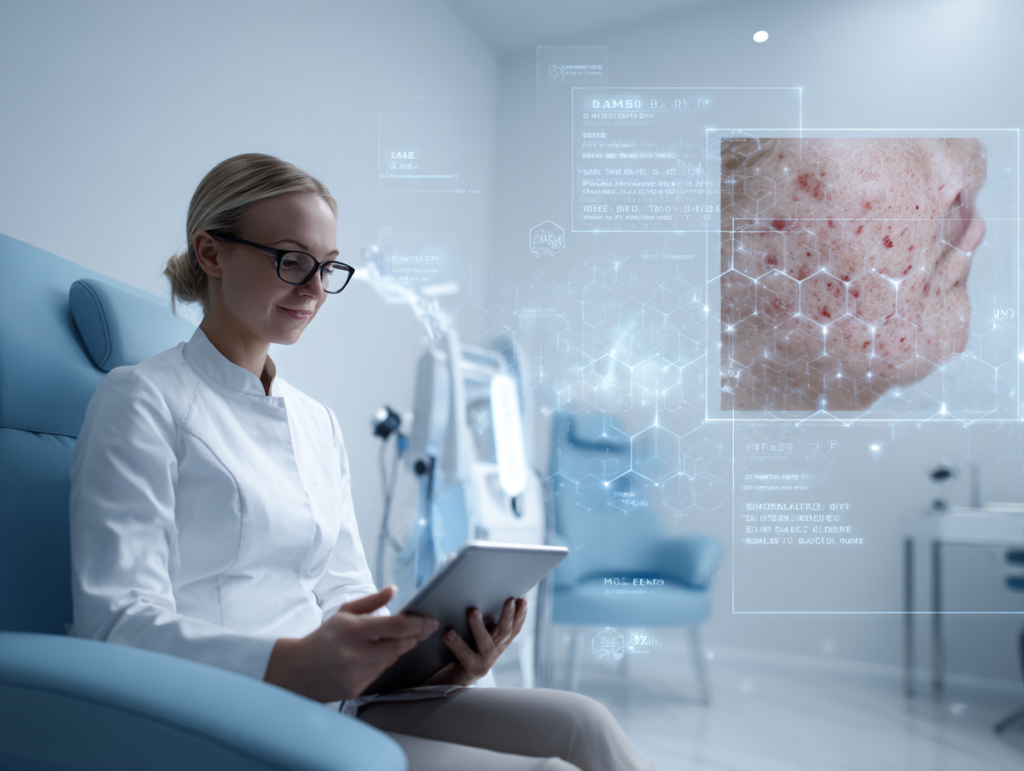
When active acne is present, many patients benefit from controlling inflammation first. Resurfacing is often more helpful once the skin is calmer and the provider can better assess scars, pores, and pigment changes.
For uneven pigmentation or extensive sun damage, treatment may need to be staged. In some cases, a series of lower-intensity sessions or alternative resurfacing treatments can be more appropriate than one aggressive procedure.
Comparing Laser Resurfacing with Other Methods
Laser-based treatments are not the only option for improving skin tone and skin texture. Chemical peels, including formulations that may contain glycolic acid, are also used to address superficial pigment and roughness.
The difference is depth, precision, and recovery pattern. Some patients are better candidates for peels, while others benefit more from targeted laser systems, especially when scars, wrinkles, or mixed textural concerns are present.
Benefits of Laser Resurfacing
Appropriately selected laser resurfacing may help soften fine lines, improve wrinkle reduction, reduce the look of some age spots, and support a more even, radiant complexion. Patients may also notice that their skin feels smoother and reflects light more evenly.
These are conditional benefits, not guarantees. Improvement depends on the starting condition of the skin, the depth of treatment, aftercare, and how the skin responds as collagen forms and remodeling continues.
Healing and Downtime Expectations
Most patients should expect some degree of mild redness, swelling, sensitivity, or flaking in the treated area. With more intensive resurfacing, redness can persist for weeks or longer, even after the skin has closed.
Some procedures are typically performed in the office with topical numbing or local anesthesia, depending on the depth and coverage area. Recovery instructions matter because proper wound care supports comfort and promotes faster healing.
FAQs
Can laser skin resurfacing improve skin texture and tone at the same time?
Yes, it may help both concerns when texture irregularities and pigment changes are part of the same condition. The exact improvement depends on the device, your skin type, and how your skin heals.
Is laser resurfacing safe for darker skin tones?
It can be, but planning is especially important. Device choice, settings, and provider experience matter because pigment changes are a known consideration in darker skin tones.
How long does it take for treated skin to heal?
Recovery varies by treatment depth. Some patients see short-term redness and flaking, while more intensive resurfacing can involve a longer healing period and lingering redness.
Do I need to avoid sun exposure after laser treatments?
Yes, patients are generally advised to avoid sun exposure and protect healing skin carefully, since UV exposure can worsen discoloration and interfere with recovery.
Conclusion
Laser resurfacing can be a meaningful option for patients who want to address uneven skin texture, tone irregularities, and visible signs of sun damage with a more tailored, medically guided approach. While results vary based on the skin’s condition, the type of laser used, and the healing process, the right treatment plan may support smoother-looking skin, improved clarity, and a more refreshed overall appearance.
Because every patient’s skin concerns, goals, and medical history are different, treatment decisions should be made carefully. A professional consultation helps clarify what laser resurfacing may help improve, what recovery may involve, and whether other options should also be considered as part of a broader aesthetic plan.
If you are exploring laser resurfacing treatments in the Las Vegas area, contact BluePoint Medical Spa to schedule a consultation. A licensed provider can evaluate your skin, discuss realistic expectations, and help you decide on the next step for healthier-looking, more radiant skin.