Patients often begin researching which skin concerns respond best to modern laser treatments when they feel their usual skin care products are no longer enough. Changes in skin tone, lingering acne marks, visible wrinkles, and persistent redness may gradually affect how the skin looks and feels, especially after sun exposure, normal aging, or past breakouts. Authoritative dermatology sources note that lasers and light-based procedures are commonly used for resurfacing, vascular concerns, pigmentation, and scar revision when matched appropriately to the patient and the concern being treated.
In a medical spa setting, that search is rarely only about appearance. It is often about comfort, confidence, and the desire for a more even, healthy-looking complexion without choosing a treatment that feels too aggressive for a patient’s schedule or lifestyle habits. That is why the conversation around laser treatment should stay grounded in realistic outcomes, proper evaluation, and the understanding that different devices are designed for different skin issues.
Modern laser technology works by directing laser energy or light energy into selected targets in the skin. Depending on the device, that energy may reach pigment, blood vessels, scarred skin tissue, or the outer layers involved in laser skin resurfacing. Some devices focus on texture and collagen production, while others are used for spider veins, facial redness, or pigment reduction.
For BluePoint Medical Spa readers, the most useful question is not whether lasers are “good” in general. It is whether a certain laser resurfacing treatment or light-based option fits a patient’s skin type, medical history, recovery preferences, and desired outcomes. That patient-first lens is what makes laser care safer, more precise, and more meaningful.
Why Many Skin Concerns Respond to Laser Therapy
Many common cosmetic concerns begin in different layers of the skin, which is why laser therapy options are so varied. Some treatments target surface-level irregularities in the thin layers of damaged skin, while others are designed to reach deeper structures where collagen loss, excess pigment, or visible vessels are contributing to the problem. This range is one reason lasers are used across very different-looking concerns rather than just one category of treatment.
Another reason is that many lasers work alongside the body’s natural healing process. Controlled energy delivery encourages renewal in the treated area, and certain resurfacing approaches are specifically chosen to stimulate collagen production and support new collagen formation over time. That gradual remodeling is part of why results often continue evolving after the appointment rather than appearing all at once.
For patients, this matters because treatment planning is not only about what device is available. It is about how lasers work on a specific concern, how much surrounding tissue is left intact, and whether the treatment approach balances visible improvement with minimal downtime or minimal recovery time. Those practical details shape both satisfaction and safety.
Laser Resurfacing for Acne Scars and Marks
Acne scars are one of the most common reasons patients consider laser resurfacing. According to dermatologic surgery sources, laser skin resurfacing is often used for superficial acne-related textural changes because it removes or remodels damaged surface tissue so fresher skin cells can appear as the healing process moves forward.
This is especially relevant when breakouts have left behind uneven texture instead of only discoloration. A patient may notice shallow depressions, rough areas, or skin that no longer looks smooth in certain lighting. In those situations, a resurfacing approach may address texture more directly than topical care alone, particularly when the goal is a more refined surface rather than only reducing active blemishes.
Some patients are better candidates for non-ablative laser therapy rather than aggressive resurfacing. These options may involve less disruption of the surrounding skin, which is important for people who want a non-invasive option with shorter recovery demands. The tradeoff is that improvement may be more gradual and may require more than one session.
Because active breakouts can complicate planning, the consultation should also consider whether bacterial infections, inflamed lesions, or persistent acne are still present. In some cases, active acne should be treated first so the provider can focus later on scar texture, color changes, and long-term resurfacing goals.
Treating Dark Spots, Age Spots, and Discoloration
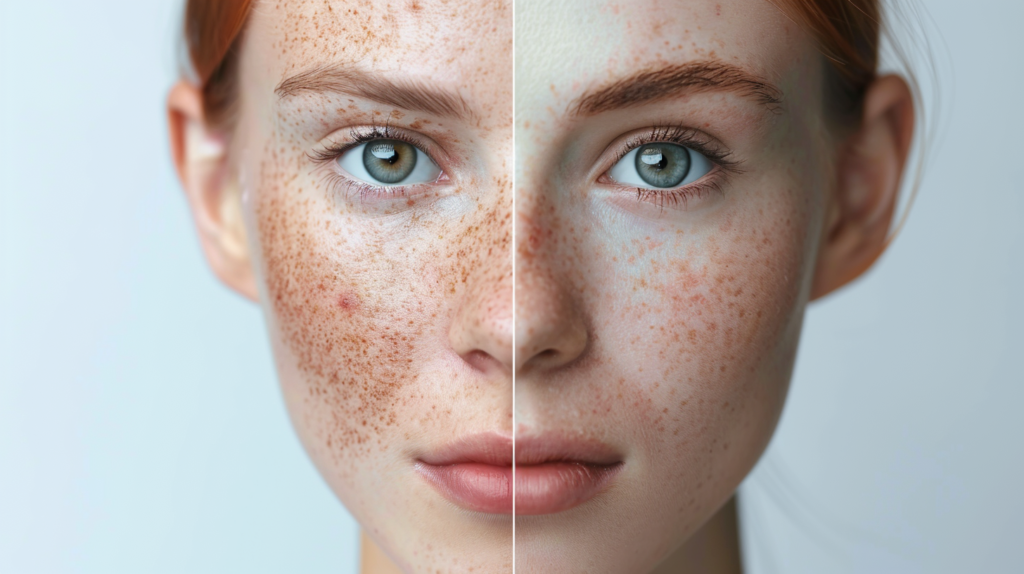
Not every patient seeking laser care is focused on scarring. Many are more concerned with dark spots, age spots, or generalized skin discoloration that makes the complexion appear uneven. These concerns are often linked to cumulative sun damage, hormonal changes, or post-inflammatory pigment left after irritation or acne.
For pigment-focused concerns, the treatment goal is not to strip the skin unnecessarily. It is to choose an approach that addresses excess pigment while respecting the patient’s skin type and tolerance for downtime. Light-based approaches, such as intense pulsed light, are often discussed for signs of photoaging and uneven pigment because they target color irregularities without the same resurfacing depth used for deeper texture correction.
This distinction matters because patients sometimes assume all devices do the same thing. In reality, a person with mild discoloration may be guided toward one form of treatment, while someone with rough texture plus pigment change may be better served by skin resurfacing or a combined plan. Matching the device to the main concern usually produces a more coherent and safer outcome.
Patients should also know that pigment concerns require thoughtful aftercare. Freshly treated skin is more vulnerable to recurring discoloration, which is why strict sun protection and a supportive skin care routine remain essential after laser sessions. Ongoing sun exposure can undermine progress and make uneven tone return more quickly.
Laser Treatment for Redness, Spider Veins, and Visible Vessels
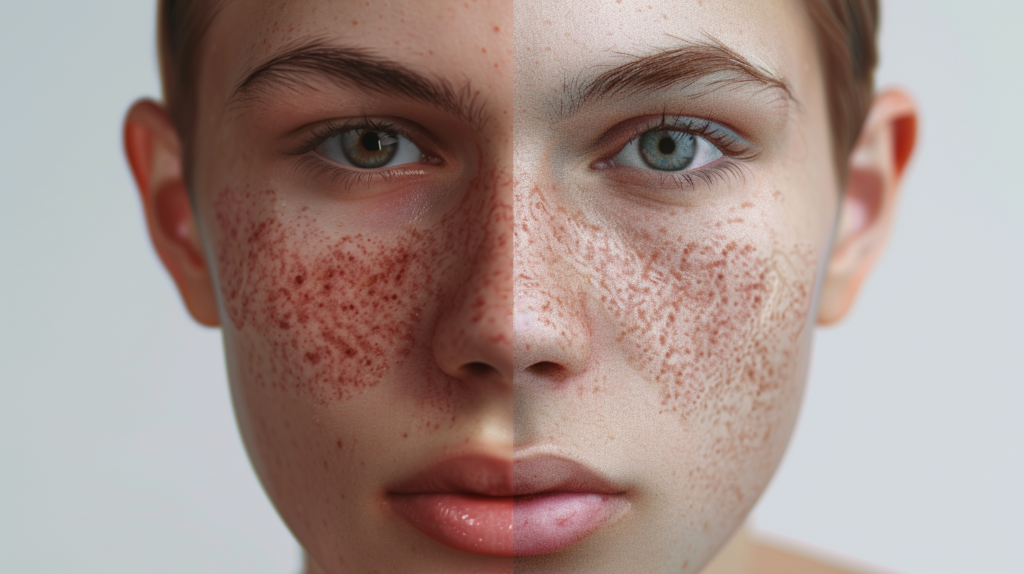
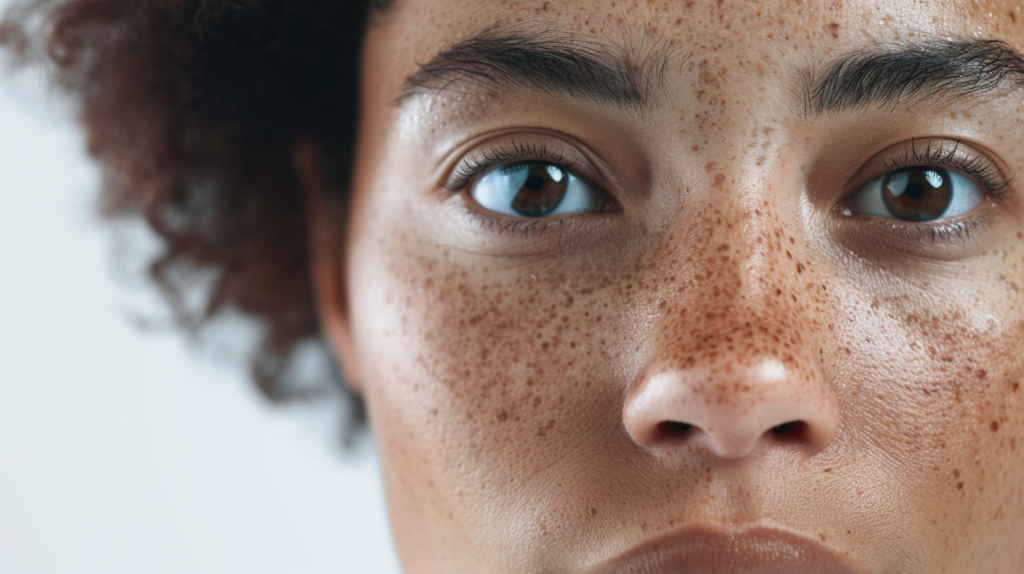
Yes, vascular concerns are among the few common conditions that often respond especially well to light-based care. Dermatology sources explain that lasers and lights are frequently used for facial redness, rosacea-related vascular changes, broken blood vessels, and certain vascular lesions because the energy is absorbed by blood in the targeted vessels.
Patients usually notice these issues as diffuse flushing, thin red lines near the nose and cheeks, or stubborn visible vessels that do not respond to creams. For those concerns, the purpose of treatment is to reduce the appearance of the targeted blood vessels rather than to resurface the entire face. That difference is important because the mechanism and expected recovery are not the same as a laser resurfacing treatment for wrinkles or scars.
Light- and laser-based therapy is also used for spider veins and some visible veins, although the best option depends on size, location, and the specific vessel pattern. Some patients seeking body treatments may learn that a vein-focused option differs from facial laser care, even though both involve laser technology or controlled light energy.
This area of treatment tends to appeal to patients who want focused improvement with relatively limited interruption to routine. ASDS guidance notes that many vascular laser and light procedures involve little downtime for most patients, although bruising, swelling, or temporary discoloration may still occur.
Laser Resurfacing for Wrinkles, Sagging Skin, and Aging
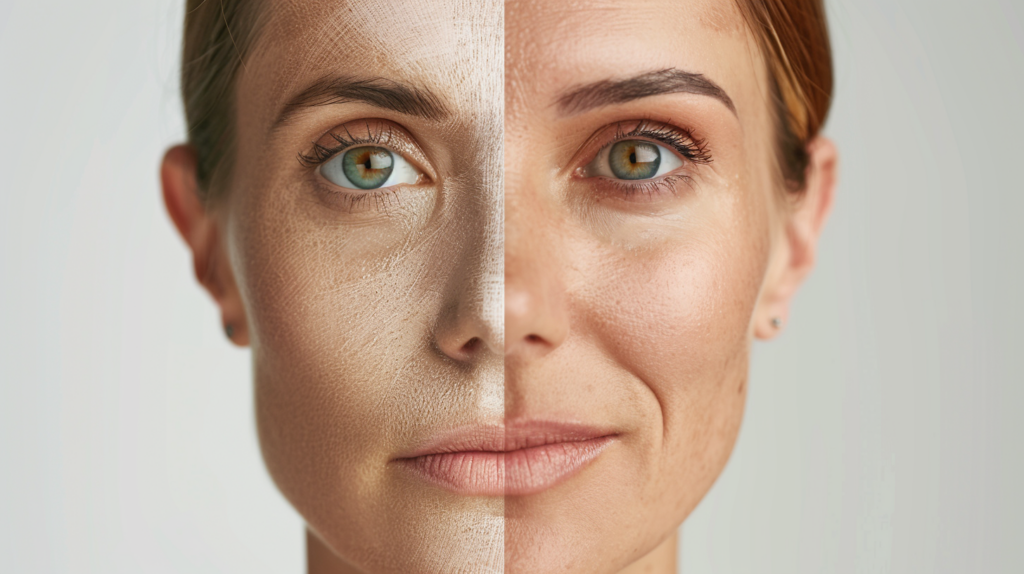
For patients noticing early to moderate signs of normal aging, lasers are often considered because they go beyond simply polishing the surface. Resurfacing and certain light-based procedures are selected in part because they support collagen growth, which may improve texture and soften the look of wrinkles over time.
That said, not every age-related concern responds the same way. Fine lines, roughness, and irregular tone often respond differently than more advanced laxity. A patient with mild textural aging may do well with a treatment designed to stimulate collagen production, while more pronounced sagging skin may require a broader aesthetic plan rather than relying on one laser session alone.
This is where realistic counseling becomes essential. The phrase more youthful appearance should be understood as a conditional cosmetic outcome, not a guarantee. The practical question is whether the skin has enough collagen reserve, enough healing capacity, and the right kind of aging pattern for a laser-based approach to meaningfully improve the patient’s concern.
Patients often appreciate that these options are usually chosen because they are non-invasive or less invasive than surgery. Even so, laser care should not be framed as a substitute for every other option, particularly when the main issue is advanced laxity rather than texture or tone.
How Skin Type Affects Laser Treatment
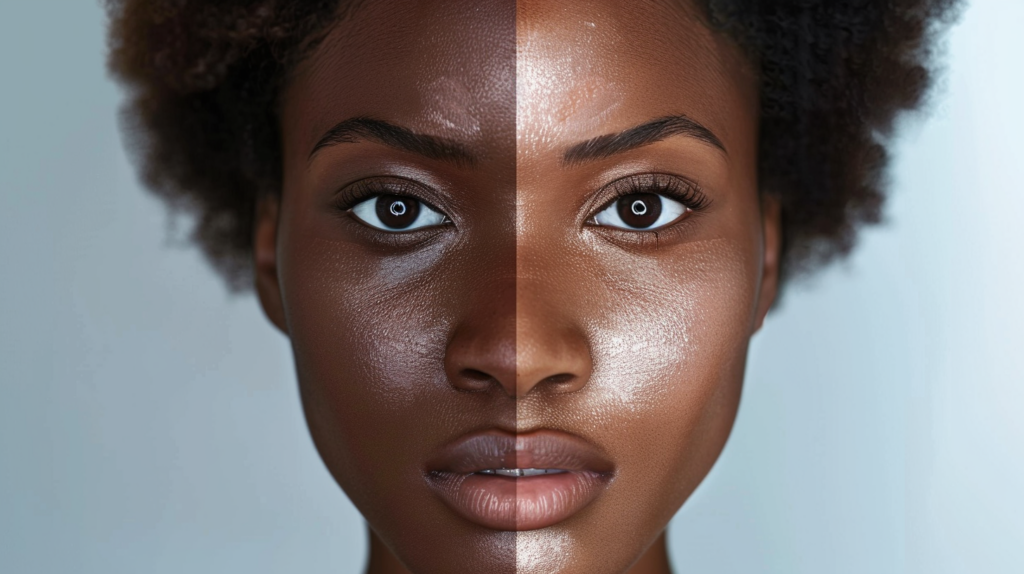
Absolutely. Dark skin and richly pigmented skin require especially careful planning because some devices and settings carry a higher risk of post-treatment discoloration. When providers evaluate skin type, they are not simply documenting color; they are assessing how the skin may react to heat, inflammation, and pigment-triggering injury.
This is one reason credentials and experience matter. A board-certified dermatologist or similarly qualified licensed provider familiar with laser selection is better positioned to distinguish between concerns that are good candidates for treatment and those that require a more conservative approach. For some patients, that may mean spacing sessions out, lowering intensity, or choosing a device that leaves more surrounding skin intact.
Patients should not interpret caution as exclusion. Many people with deeper complexions pursue aesthetic laser care successfully, but the treatment plan should respect the biology of melanin-rich skin and the reality that pigment shifts may take time to settle if they occur. That kind of transparency supports trust and better decision-making.
Pre-Treatment and Recovery Considerations
A thorough consultation begins with medical history, current medications, and an honest discussion of desired outcomes. This is where providers assess recent sun exposure, prior procedures, skin sensitivity, and whether a patient has a history that raises concern for delayed healing, cold sore reactivation, or irritation in the treatment area.
For some resurfacing procedures, providers may discuss topical numbing or a local anesthetic, especially when deeper treatment is planned. In selected cases, pre-treatment medication may also be used, including antiviral medication when there is concern about reactivating a history of herpes simplex around the mouth after facial resurfacing.
Recovery planning should be just as detailed as the procedure itself. Patients need to understand cleansing instructions, sun avoidance, how to protect the treated area, and how the skin heals over days or weeks. Good aftercare does more than improve comfort; it supports recovery, lowers avoidable complications, and promotes healing in a controlled way.
Making an Informed Laser Treatment Decision
The most effective laser plan usually begins by identifying the main concern clearly. Some patients are the strongest candidates for laser skin resurfacing because texture and scar remodeling are the priority. Others are better served by intense pulsed light, vascular-focused therapy, or another targeted approach because their main issue is color, redness, or visible vessels rather than roughness.
An informed decision also requires accepting that various factors shape the result, including skin type, extent of damage, consistency with aftercare, and the amount of recovery time a patient can realistically manage. The best aesthetic outcome is rarely about choosing the strongest treatment available. It is about choosing the most appropriate one for the person in front of the provider.
Modern lasers remain an effective treatment category for many cosmetic concerns because they allow precision, customization, and a meaningful range of options. For patients who want thoughtful guidance rather than hype, that individualized approach is what makes laser care worth considering in the first place.
FAQ
What skin concerns respond best to modern laser treatments?
Modern laser treatments are often used for acne scars, uneven texture, facial redness, visible vessels, and some pigment-related concerns such as age spots or sun-related discoloration. The best option depends on whether the main issue is texture, color, vascular change, or signs of aging.
Is intense pulsed light the same as laser resurfacing?
No. Intense pulsed light is a light-based treatment commonly used for pigment and photoaging concerns, while laser resurfacing is more directly focused on removing or remodeling layers of skin to improve texture and related concerns.
Are laser treatments safe for dark skin?
They may be appropriate for many patients with dark skin, but device choice and settings matter because pigment changes are an important consideration. A qualified provider should evaluate skin type, history, and treatment goals before recommending a plan.
Conclusion
Modern laser care responds best when the treatment is matched to the actual concern, whether that involves acne scars, sun-damaged skin, facial redness, visible vessels, uneven pigment, or textural changes related to aging. The most important takeaway is that lasers are not one single treatment category. They are a group of technologies used for very different goals, and those differences matter when comfort, downtime, and safety are part of the decision.
Patients also deserve clear guidance about what a laser procedure may improve, what it may not address fully, and what recovery will reasonably involve. Concerns such as dark spots, wrinkles, spider veins, and mild laxity may respond well when the device, energy settings, and aftercare plan are chosen carefully with the patient’s skin and history in mind.
For patients in the Las Vegas area who want a medically guided approach to cosmetic skin concerns, contact BluePoint Medical Spa for the next steps. A personalized consultation is the right place to review your goals, evaluate treatment options, and decide whether laser therapy fits your skin, schedule, and expectations.