Skin changes such as acne scars, sun-damaged skin, uneven tone, and early textural aging can be frustrating because they often do not respond fully to topical products alone. Many patients start searching for answers when they notice that the skin’s appearance no longer reflects how healthy they feel, or when fine lines, rough patches, and visible marks begin affecting confidence.
For patients in that stage, the question is usually not whether laser treatment exists, but when laser treatments are recommended for skin repair and whether laser skin resurfacing makes sense for their goals. In aesthetic medicine, the answer depends on the concern being treated, the depth of the issue, skin types, recent sun exposure, and a careful review of medical history. Treatments are elective and personalized, not medically necessary for everyone.
Laser Skin Resurfacing as an Option for Damaged Skin
Patients often ask about laser resurfacing when they are dealing with sun damage, age spots, uneven texture, or shallow to moderate acne scars. These concerns usually involve changes in the outer layer and deeper support structures of the skin, which is why topical care may only offer partial improvement. A professionally selected laser skin resurfacing treatment may be considered when the goal is smoother skin texture, more even tone, and a fresher overall surface.
Another common reason is early laxity or mild sagging skin. While lasers are not a substitute for cosmetic surgery when excess skin is significant, certain resurfacing approaches may support visible refinement by stimulating collagen production and collagen growth. That makes them part of a broader skin rejuvenation conversation rather than a one-size-fits-all fix.
What Happens During Laser Resurfacing Treatment
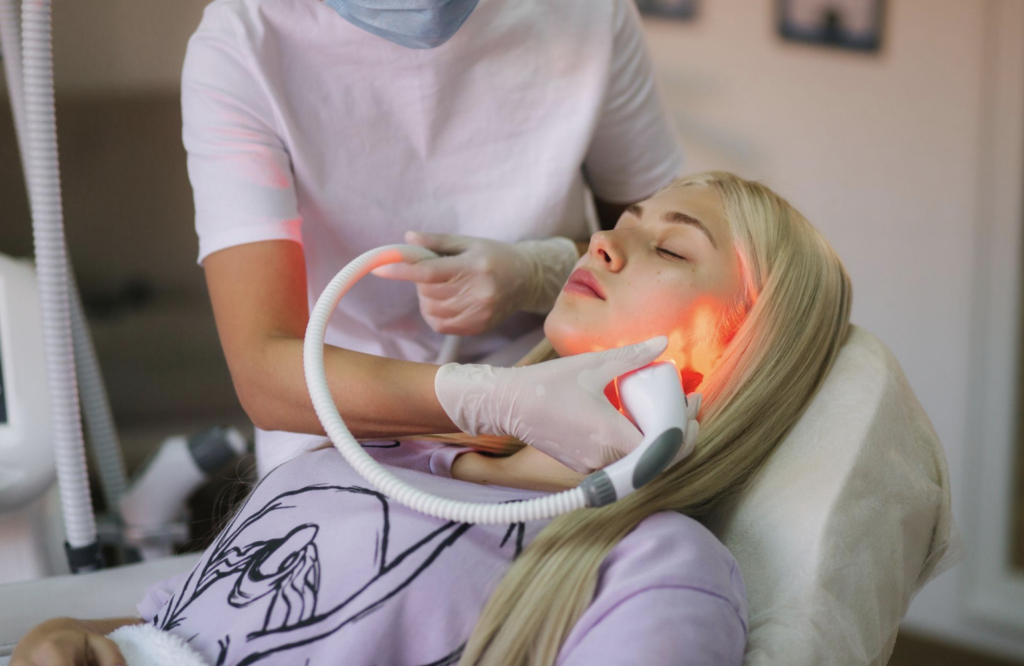
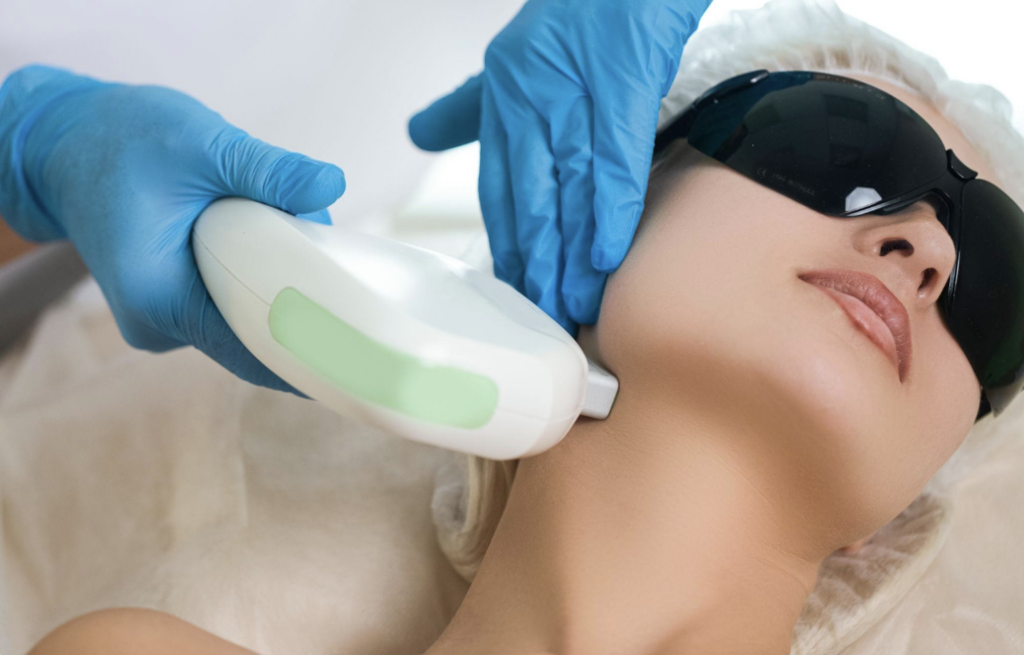
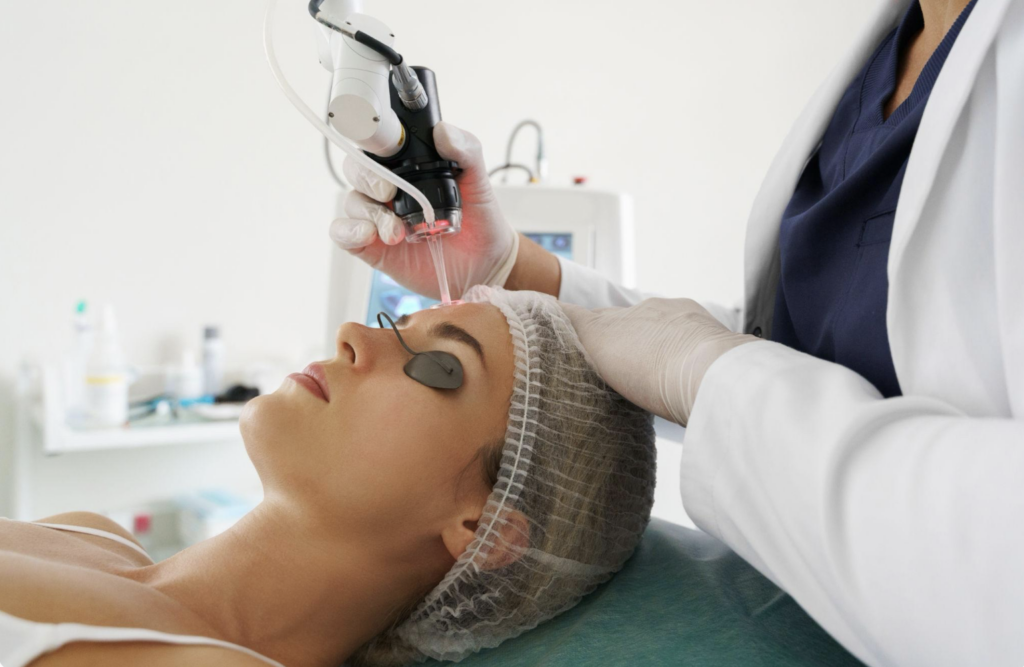
In simple terms, laser technology uses focused laser energy or light energy to treat selected layers of skin. Some devices remove part of the outer layer, while others heat deeper tissue without fully removing the surface. That controlled response is what encourages the formation of new skin and remodeling beneath the treated area.
This is where the difference between ablative lasers and non-ablative lasers matters. Ablative laser resurfacing works more aggressively on the surface and is often chosen for more visible textural change. Non-ablative laser treatments and related options may involve less downtime, but they often require multiple treatments and are generally better for milder concerns or patients who want a gentler approach.
When Ablative Laser Treatments Are Usually Recommended
Ablative laser treatments, including CO2 lasers, carbon dioxide systems, and erbium lasers, are usually discussed when skin repair goals involve more advanced sun damage, etched fine lines, moderate scars, or rougher damaged skin. These approaches work by removing targeted surface tissue and heating deeper layers, which may improve skin resurfacing outcomes when texture change is the main priority.
Erbium laser resurfacing is often considered for more superficial to moderately deep concerns and may involve less injury to surrounding tissue than traditional CO2 approaches. CO2 lasers and some fractional lasers may be considered when a bigger change is needed, although recovery can be more involved. Patients with deep wrinkles, significant laxity, or extensive excess skin may still need other options beyond resurfacing alone.
Non-Ablative Lasers and IPL for Mild Skin Rejuvenation
For patients with earlier signs of aging, patchy redness, pigment concerns, or mild textural change, non-ablative laser treatments may be more appropriate. These treatments usually aim to heat deeper tissue while leaving more of the surface intact, which can shorten recovery time and reduce interruption to daily life. The tradeoff is that results often build more gradually.
In some cases, a provider may also discuss intense pulsed light (IPL) or pulsed dye lasers, depending on whether discoloration or visible redness is part of the concern. These light-based treatments are not the same as classic ablative methods, but they may fit a treatment plan when the priority is tone correction rather than deeper resurfacing.
Patients Who May Need Extra Caution Before Laser Skin Treatment
Not every patient is an immediate candidate for laser skin procedures. Extra caution is often needed with active acne, recent tanning, cold sores, certain medications, a history of scarring, or untreated skin conditions in the treatment area. A consultation should also clarify whether the concern could require medical evaluation first, especially if a lesion raises concern for skin cancer rather than a cosmetic issue.
Skin tone matters too. Some devices may carry a higher risk of pigment change in darker skin, while selected approaches may be safer for lighter skin tones or for patients whose skin color is prone to post-inflammatory discoloration. That is one reason device selection should be individualized and supervised by qualified medical professionals rather than chosen from marketing language alone.
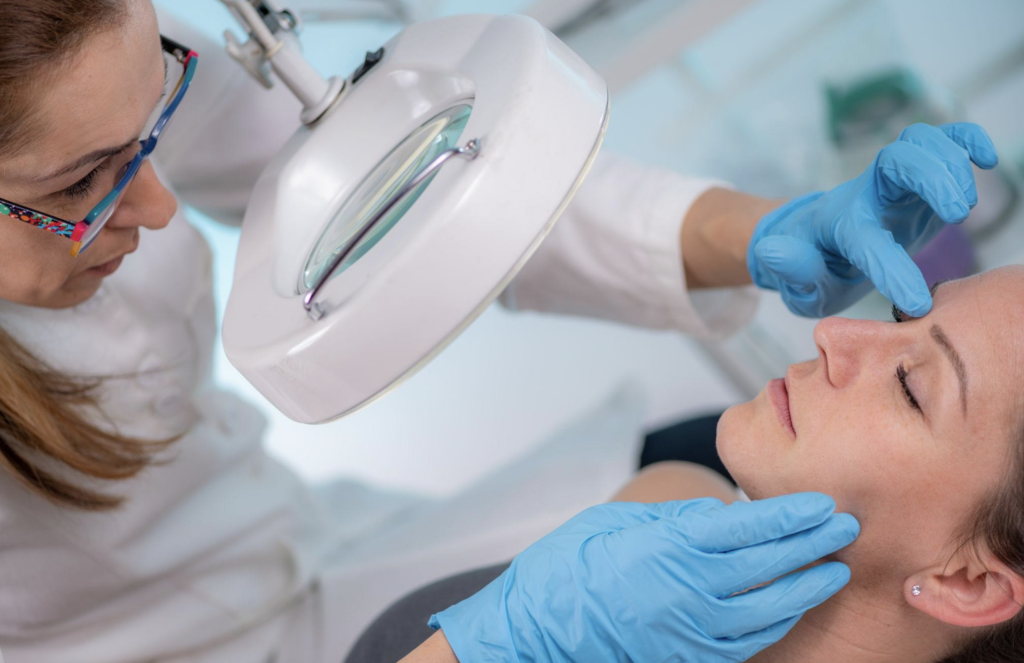
What Patients Should Expect on Treatment Day and During Recovery
Many resurfacing procedures are performed as an outpatient procedure. Depending on the depth and size of the treated area, comfort measures may include topical numbing cream, local anesthesia, or, in select cases, deeper sedation or general anesthesia, especially for patients considering their first laser facial treatment. The exact approach depends on how much skin is being treated and how intensive the procedure is.
After treatment, it is common to see redness, warmth, and mild swelling that can feel like a mild sunburn. As skin heals, the treated skin may peel, crust lightly, or feel tight for several days. For many patients, the first phase of the healing process lasts about one to three weeks, while pinkness can persist longer and in some cases fade gradually over months, even up to a year.
Why Aftercare Matters So Much After Laser Resurfacing
Aftercare protects the surrounding skin, supports comfort, and helps promote healing. Patients are commonly told to cleanse gently, keep the area moisturized, and strictly avoid sun exposure. Freshly resurfaced skin is more vulnerable, and repeated sun exposure can interfere with recovery and worsen pigment issues, which is why following detailed pre- and post-care guidelines for laser treatments is so important.
This is also why pre-treatment instructions matter. Patients may be advised to pause certain products, delay chemical peels, disclose any history of fever blisters, and follow medication guidance before the procedure. These steps do not guarantee a perfect result, but they reduce avoidable complications and improve how safely the skin moves through recovery.
Benefits and Considerations in Laser Skin Resurfacing Decisions
The main benefit of well-selected fractional laser treatment or other resurfacing approaches is that they may improve skin texture, tone irregularities, and the look of some scars while supporting firmer-feeling skin through collagen remodeling, especially when combined with long-term facial treatments for texture. Many patients choose treatment because they want a more rested appearance, not because they expect perfection. Realistic planning usually leads to a better experience than chasing dramatic promises.
The main considerations are downtime, risk, and fit. Ablative lasers may offer greater change but more recovery. Gentler options may involve multiple treatments. There can also be temporary redness, irritation, pigment change, or infection risk, which is why treatment choice should reflect your goals, schedule, and skin biology. For a medical spa setting, physician oversight remains an important part of quality and safety.
FAQ
When laser treatments are recommended for skin repair, what are doctors usually treating?
Most often, they are treating sun damage, superficial to moderate acne scars, uneven tone, rough texture, and early visible aging. The right option depends on how deep the concern goes and how much downtime you can accept.
Is laser skin resurfacing the same as IPL?
No, laser skin resurfacing uses focused laser energy, while intense pulsed light IPL uses broad-spectrum light. Both may be useful, but they are chosen for different treatment goals.
How long is the recovery after ablative laser resurfacing?
Initial recovery may take about one to three weeks, depending on the device and treatment area. Redness can last longer and may continue fading over several months.
Can patients with darker skin have laser treatment?
Sometimes yes, but device selection and settings require added caution. A medical evaluation helps reduce the risk of pigment changes and identify the safest approach.
Conclusion
At BluePoint Medical Spa, the most useful starting point is not choosing a device name on your own. It is understanding whether your concern involves surface damage, pigment, redness, scar texture, or skin laxity, because those patterns guide whether laser resurfacing, fractional lasers, IPL-based care, or another option is more appropriate.
A thoughtful consultation should review your goals, timeline, prior procedures, and medical history before recommending treatment. Schedule a consultation** with BluePoint Medical Spa** to discuss the safest next step for your skin goals and get a treatment plan built around your needs, downtime preferences, and skin type.