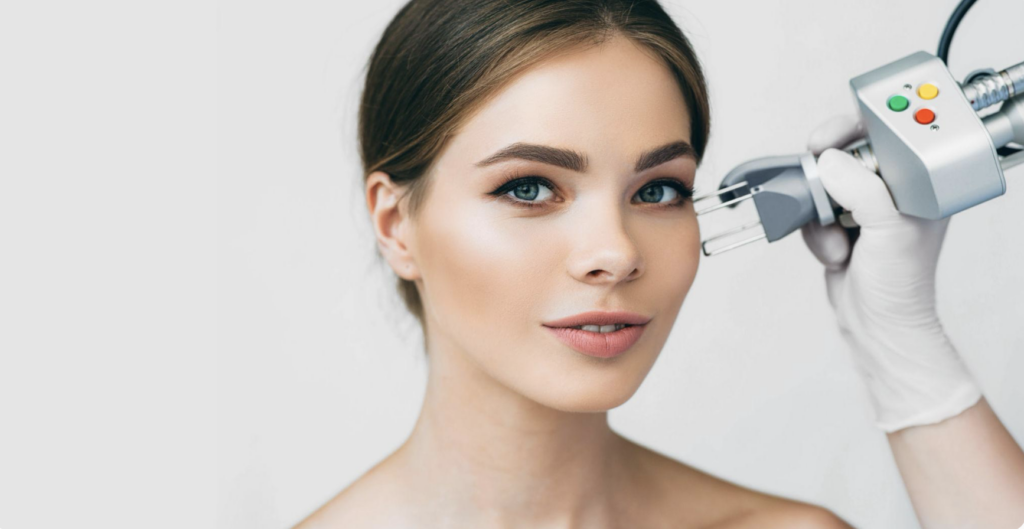
Patients exploring aesthetic care often want a treatment that addresses visible concerns without making their routine feel more complicated. That is part of the appeal behind modern lasers and other energy-based devices. They are used in cosmetic dermatology because different forms of laser technology can target pigment, texture, redness, and other common signs of skin change with more precision than many older approaches.
The phrase “effortlessly” should still be understood in a realistic way. Laser treatments are not passive or one-size-fits-all. They work best when the right device is matched to the right concern, when the patient’s medical history, skin type, and recent sun exposure are reviewed carefully, and when aftercare supports the healing process. That is how patients move toward clearer-looking skin with fewer unnecessary steps and more informed expectations.
Laser Treatments Remain a Popular Option for Skin Clarity
Most patients are not dealing with a single cosmetic issue. They may notice fine lines, mild redness, age spots, rough skin texture, early wrinkles, or visible changes related to sun-damaged skin at the same time. One reason laser skin treatments remain popular is that different platforms can be selected to address different concerns while still fitting into a broader skin care plan.
This matters because clearer skin is rarely about one symptom alone. A patient may want smooth skin, better skin tone, softer fine lines and wrinkles, or help with acne scars and enlarged pores. In practice, the benefit of laser-based care is not that one device fixes everything, but that clinicians can choose among several types of lasers to match specific goals and skin characteristics.
Laser Skin Resurfacing for Better Texture and Tone
Laser skin resurfacing works by using focused energy on the skin’s surface and, in some approaches, into the deeper layers of skin. Mayo Clinic notes that resurfacing is used to improve wrinkles, scars, and uneven color, while non-ablative rejuvenation creates heat in the skin without injuring the surface in the same way. That controlled response may support natural collagen production and gradual renewal of the treated skin.
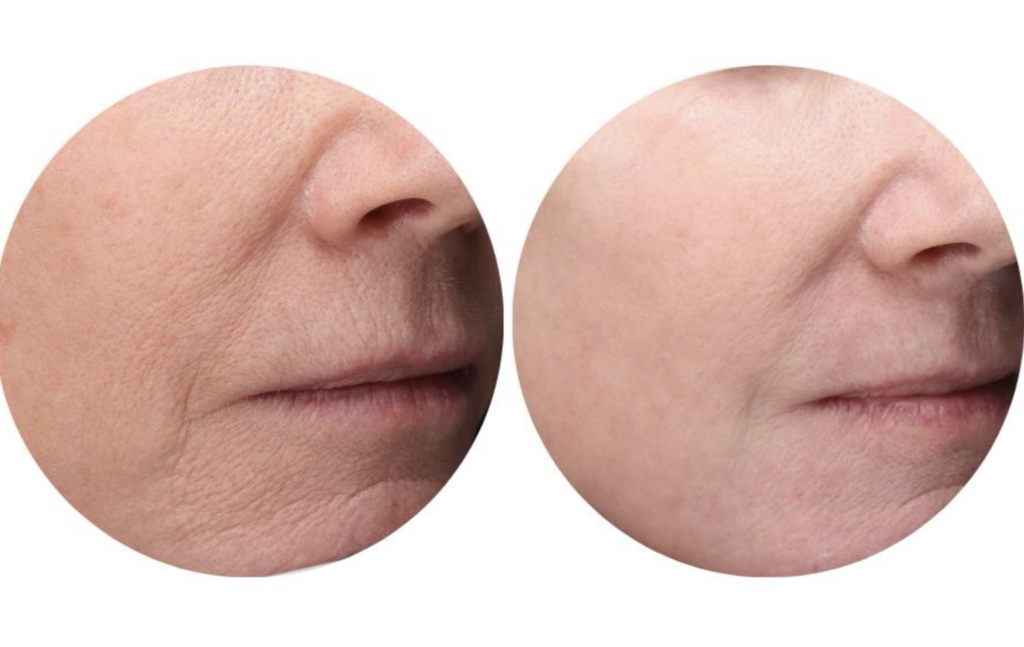
For patients, that often translates into smoother-looking skin over time. Depending on the device and treatment depth, resurfacing may improve skin texture, soften discoloration, and contribute to new skin formation as the skin heals. It may also support skin rejuvenation in patients who want a more refined appearance without turning immediately to surgical care.
The Difference Between Ablative and Non-Ablative Laser Treatments
Ablative lasers remove part of the outer skin layer while heating tissue underneath, which is why they are often used for more pronounced textural change, deep wrinkles, and scar concerns. Mayo Clinic and ASDS both describe this category as more intensive, with stronger resurfacing effects but a longer recovery time. Erbium lasers are one ablative option often used for superficial to moderately deep lines and wrinkles.
Non ablative lasers or non-ablative lasers work differently. ASDS explains that they create controlled heat in the skin without injuring the surface in the same way, which may stimulate collagen production with less downtime. Fractional lasers often deliver energy in narrow columns, leaving surrounding skin untreated to support faster healing. That distinction matters when building a treatment plan around work schedules, comfort, and how much recovery a patient is willing to accept.
Skin Concerns That Modern Lasers Can Address
Different laser and light systems are used for different targets. Resurfacing approaches may be used for acne scars, fine lines, wrinkles, age spots, and uneven texture. Other devices are chosen for vascular issues because they focus on blood vessels, helping reduce visible redness, spider veins, or other superficial vascular changes. AAD notes that lasers and lights are used for rosacea-related redness and visible vessels, often with little downtime.
Laser-based care also extends beyond resurfacing. Depending on the system, it may be used for unwanted hair, tattoo ink, some pigment changes, and selected structural issues in the skin. Still, not every concern responds equally. Mayo Clinic notes that resurfacing may improve surface quality and wrinkles, but it does not correct significant sagging skin or loose skin on its own.
Does Skin Type Matter When Choosing a Laser Procedure?
Skin color, skin types, and a patient’s history of tanning or irritation all affect device choice and settings. Mayo Clinic specifically notes that darker skin and darker skin tones require careful selection because the risk of pigment changes may be higher if the wrong approach is used. That does not mean patients with more pigment cannot be treated. It means evaluation and experience matter more.
This is one reason consultations should not feel generic. A provider needs to review medical history, recent products, history of cold sores, healing tendencies, and how much downtime the patient can tolerate. That discussion helps determine whether a person is a good candidate for a specific resurfacing approach and which strategy is most appropriate for their goals.
Healing and Recovery Time After Laser Treatment
Recovery depends on the depth of treatment. Mayo Clinic says up to two weeks may be needed for early healing after more intensive resurfacing, and full recovery can take at least a month in ablative cases. Cleveland Clinic notes that fractional lasers may involve about a week of recovery, while non-ablative options often have minimal downtime and a temporary flushed look.
Patients should also expect the treated area to look temporarily red, swollen, or irritated. Those short-term changes are part of how the treated skin recovers. Noticeable results may begin earlier for some concerns, but collagen-related improvements often continue developing over several weeks as the skin remodels.
Sun Protection Matters After Laser Treatment
After resurfacing or light-based procedures, the skin becomes more vulnerable to UV injury. Mayo Clinic advises patients to avoid sun exposure without protection before and after resurfacing because excess sun can cause lasting color changes in the treated areas. AAD recommends broad-spectrum sunscreen with SPF 30 or higher, along with shade and protective clothing.
This matters for both safety and results. Ongoing sun damage can interfere with recovery, worsen pigmentation, and work against the clarity patients are trying to improve. For many patients, aftercare is where the long-term value of treatment is either protected or undermined.
FAQ
Are laser skin resurfacing procedures good for acne scars and enlarged pores?
They may be. Depending on the device, laser skin resurfacing procedure options may improve acne scars, enlarged pores, and uneven texture over time.
Do modern lasers always require a long recovery time?
No, ablative laser treatments usually involve more downtime, while nonablative lasers and some fractional options often have shorter recovery periods.
Can patients with darker skin tones still have laser treatments?
Often, yes. Patients with darker skin tones may still be candidates, but device choice and settings need extra care to reduce pigment-related risks.
Will laser resurfacing tighten loose or sagging skin?
Only to a point. Some treatments may support firmer-looking skin through collagen remodeling, but resurfacing alone does not fully correct significant sagging skin.
Conclusion
The reason how modern laser technology helps improve skin clarity is such a common patient question is that lasers can address several visible concerns through different mechanisms. Some treatments refresh the surface, some target vessels or pigment, and some work deeper to support collagen production and gradual textural improvement. The key is matching the procedure to the concern rather than assuming all laser care is the same.
Patients usually get the best experience when addressing concerns with realistic expectations, thoughtful aftercare, and a plan built around their skin rather than marketing claims. Schedule a consultation with BluePoint Medical Spa to review your goals, skin history, and the laser or light-based options that best fit your needs.