Patients often hear the word laser treatments and assume it refers to one procedure with one purpose. In reality, laser skin treatments include a range of technologies designed to address very different goals, from hair removal and skin resurfacing to pigment changes, redness, and certain vascular findings. That versatility is one reason laser-based care remains important in cosmetic dermatology and medical aesthetics.
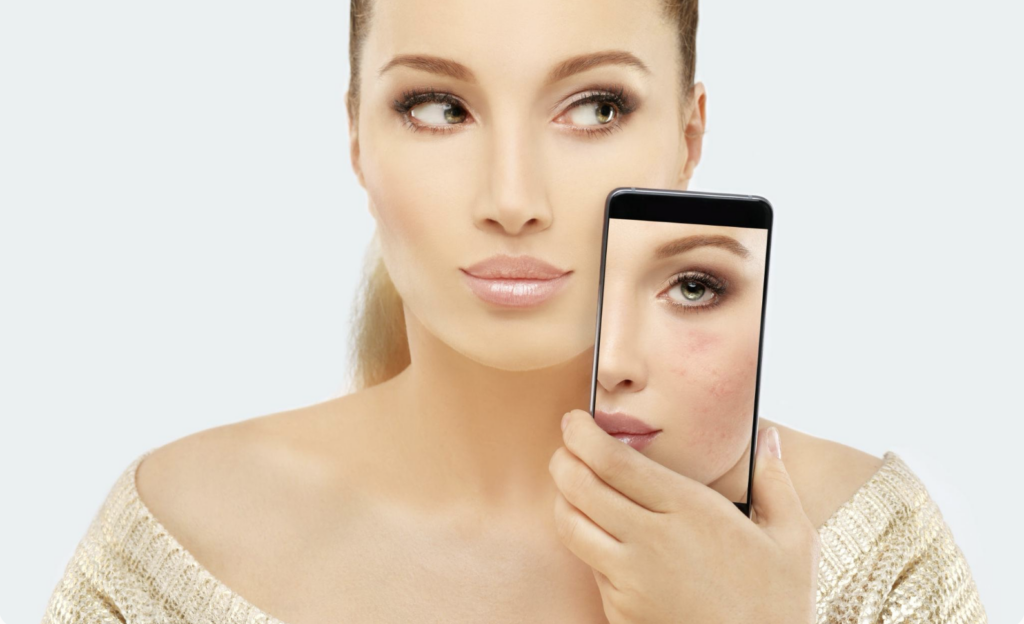
The reason this matters for patients is simple. Many people are not dealing with just one issue. They may have acne scars, uneven texture, dark spots, mild redness, and concerns about early aging at the same time. A thoughtful laser consultation helps connect the right technology to the right concern instead of treating all skin issues as if they respond the same way.
One Category of Treatment Can Address Different Skin Concerns
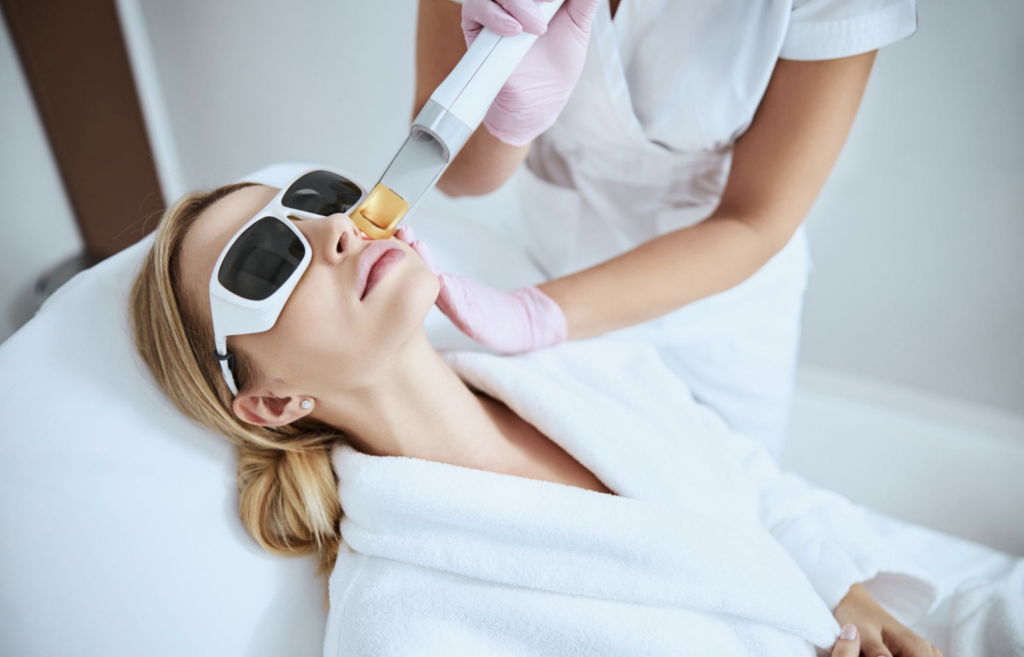
Lasers work by delivering controlled laser energy into targeted structures within the skin. Depending on the wavelength and device, the treatment may target pigment, water in skin tissue, or even abnormal blood vessels. That is why different systems can be used to address unwanted hair, vascular redness, textural irregularities, and signs of sun damage without treating every concern in the same way.
This ability to target specific skin issues is what makes laser-based care so adaptable. Some devices focus more on the outer layers, while others reach into the underlying skin to encourage remodeling. In aesthetic care, the value is not that one laser does everything. It is that modern laser technology includes several approaches that can be selected based on skin type, history, and desired outcomes.
Laser Skin Resurfacing and Skin Rejuvenation for Texture Improvement
Laser skin resurfacing and other laser resurfacing approaches are often used when patients want smoother-looking skin, softening of fine lines, or improvement in acne marks, mild scars, and uneven texture. Mayo Clinic notes that resurfacing is commonly used to improve fine lines, age spots, and uneven skin color, while Cleveland Clinic describes it as an option for wrinkles, scars, pigmentation issues, and tightening.
Part of that benefit comes from controlled injury and repair. Non-ablative rejuvenation devices may heat the skin without injuring the surface and may stimulate collagen production, while fractional approaches create tiny zones of treatment that support healing and collagen growth over time. That process may improve skin texture, support smoother skin, and contribute to skin rejuvenation with less recovery than fully ablative methods.
Different Types of Lasers for Redness, Veins, and Pigment Concerns
Not all visible skin changes come from the same source. Some concerns are vascular, meaning they relate to blood vessels, while others are pigment-related. That distinction helps explain why pulsed dye lasers are often discussed for redness-related concerns such as broken blood vessels, spider veins, and other vascular lesions, while other systems are chosen when the main target is excess pigment or textural change.
Patients with facial** redness**, scattered vessels, or discoloration from sun-damaged skin often need a more tailored conversation about professional treatments for sun-damaged skin because one person may need a vascular approach and another may be better suited for intense pulsed light or resurfacing. In practice, intense pulsed light IPL is not the same as a laser, but it is often discussed alongside laser therapy options because it can address pigment and redness in selected patients.
Can Laser Treatments Also be Used for Hair Removal and Tattoo Removal?
Laser hair removal is one of the best-known examples of how this category extends beyond resurfacing. In that setting, the device is chosen to affect pigment in the follicle so it can reduce unwanted hair over time. That makes it very different from resurfacing, even though both fall under the broad category of laser procedures.
The same broader principle applies to tattoo removal, where the goal is to fragment ink particles rather than resurface the skin. This is why patients should not assume that many laser treatments are interchangeable. The technology, target, and recovery pattern differ depending on whether the goal is pigment reduction, hair reduction, scar remodeling, or vascular care, and understanding how laser skin treatment heals over time can help set realistic expectations.
Factors That Determine Which Laser Therapy Options are Appropriate
Selection starts with the patient, not the machine. Skin type, history of sun exposure, sensitivity, tendency toward pigment changes, past cold sores, and broader medical history all matter. Mayo Clinic notes that resurfacing risks and candidacy depend on these details, and sun exposure before or after treatment can raise the chance of irregular pigmentation, especially for patients considering their first laser facial treatment.
Skin color also matters when choosing settings and devices. Patients with darker skin or a range of skin colors can often be treated, but treatment choice and experience are especially important because the risk of unwanted pigment change may be higher if the wrong device or settings are used. This is one reason consultation quality matters as much as the treatment itself.
The Benefits and Limits of Laser Skin Treatments
One of the main benefits of laser care is precision. A well-matched device may effectively treat focused concerns while limiting injury to nearby tissue. Some options offer minimal downtime, especially non-ablative and fractional treatments, which are appealing to patients balancing aesthetic goals with work and daily life.
At the same time, realistic limits matter. Lasers do not replace every treatment category, and they may not fully correct sagging skin or every big structural change. Mayo Clinic specifically notes that resurfacing may improve surface quality and discoloration, but it cannot fix sagging skin. Safe planning also includes pre- and post-care such as avoiding sun exposure, using broad-spectrum sunscreen, and protecting healing skin as directed.
FAQ
Are laser treatments and intense pulsed light the same thing?
Intense pulsed light IPL is a light-based technology, but it is not a true laser. It is often discussed alongside laser care because it may be used for some pigment and redness concerns in selected patients.
Can laser skin resurfacing treat acne scars and dark spots at the same time?
Sometimes, yes. Depending on the device, laser skin resurfacing may improve acne scars, dark spots, and uneven texture in the same overall treatment strategy, but the exact result depends on the skin and the device chosen.
Do patients with darker skin need special precautions?
Yes. Patients with darker skin can often be treated, but device selection, settings, and sun protection are especially important because pigment changes may occur more easily if care is not well matched.
Is laser treatment appropriate for sagging skin?
Not always. Some treatments may improve texture and support collagen remodeling, but significant sagging skin may need other approaches because resurfacing alone does not correct laxity.
Conclusion
Understanding why laser treatments are used for multiple skin concerns starts with recognizing that different devices are built to interact with different targets in the skin. That is why one category of technology can be relevant to acne scars, pigment, redness, hair removal, and selected vascular changes without treating all of them the same way. The right choice depends on the concern, the skin, and the treatment goal.
For patients, this means the best next step is not choosing a device name first. It involves a careful evaluation of your specific skin concerns, your history, and what level of recovery fits your life. Schedule a consultation with BluePoint Medical Spa to discuss your skin goals, treatment options, and whether laser-based care belongs in your plan.