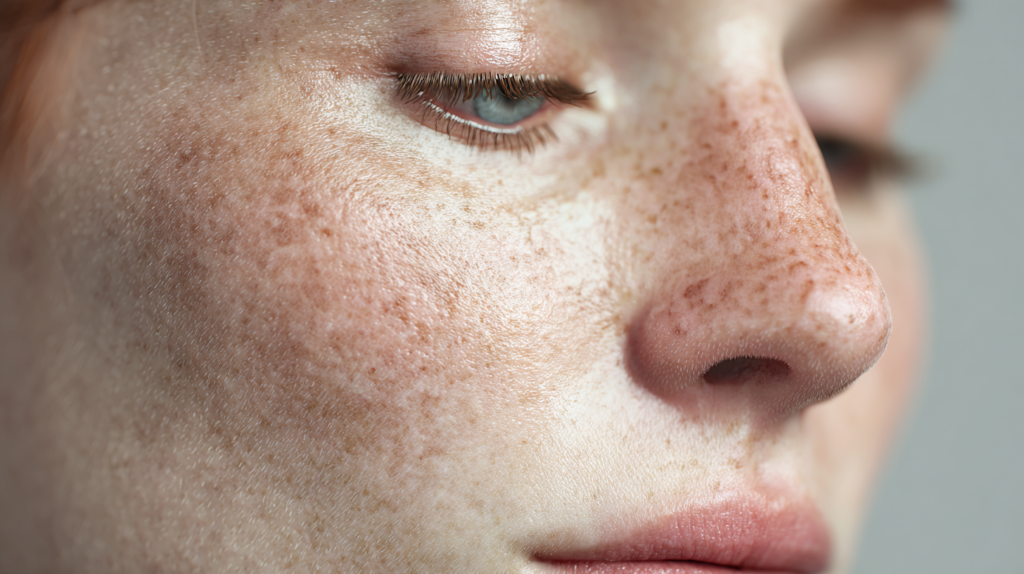
Skin texture is one of the most reliable early indicators of how the skin is aging, yet it is often overlooked until changes become more difficult to address. Many patients focus on wrinkles or dark spots as the primary signs of aging, but subtle shifts in how skin feels—its smoothness, porosity, and overall consistency—frequently appear years earlier. These changes can manifest as rough patches, enlarged pores, or a general loss of that soft, even quality that characterizes well-hydrated, youthful skin. Paying attention to these early signals, rather than waiting for more pronounced signs, is one of the most informed choices a patient can make.
The skin communicates through its surface in ways that reflect internal biological shifts as well as external environmental factors. When collagen production begins to slow—typically starting in the mid-twenties—the structural framework beneath the skin gradually changes, and those changes register on the surface first as subtle roughness or uneven resistance when applying makeup. Patients often describe this as a feeling that their foundation no longer sits the same way, or that their skin looks duller than it used to in photographs. These are not trivial aesthetic concerns; they are often the beginning of a longer pattern that, left unaddressed, can become more visible over time.
Understanding what drives texture changes is the first step toward making informed care decisions. Whether you are evaluating an updated skincare routine, exploring professional treatments, or simply looking to understand your skin better, this article is designed to offer a clear, medically grounded context so that your choices are guided by knowledge rather than uncertainty.
How Collagen Loss and Cell Turnover Shape the Way Skin Feels
Collagen is a structural protein that gives the skin its firmness and resilience. As collagen production declines with age, skin loses some of its ability to maintain a taut, smooth surface. This loss is gradual and begins well before most patients consider it a concern, which is why early signs of aging are so often textural rather than visual. When the collagen network weakens, the skin’s surface may begin to feel less uniform—slightly papery in some areas, or less responsive to moisturizer than it once was. Over time, wrinkles and pores become more visible as this structural support diminishes.
The relationship between collagen and surface texture is also tied to hydration. Collagen fibers help retain moisture in the deeper layers of the skin, and when their density decreases, the skin’s ability to hold water decreases alongside it. This can present as persistent dry skin or increased sensitivity, particularly on areas like the cheeks and upper lip, where the skin is thinner. Patients who have historically had balanced or oily skin may notice this shift as a confusing change in how their skin behaves seasonally or after cleansing.
Cell Turnover and the Build-Up of Dead Skin Cells
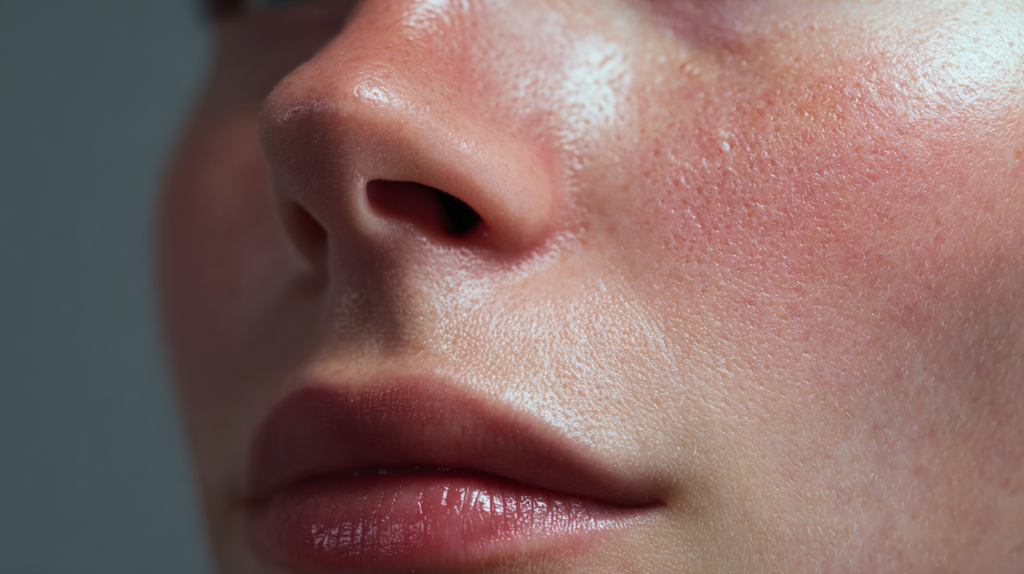
Cell turnover refers to the rate at which the skin sheds old cells and generates new ones. In younger skin, this process occurs roughly every twenty-eight days, keeping the surface fresh and reflective. With age, hormonal changes, sun exposure, and environmental stressors like air pollution, this cycle slows significantly. The result is a gradual build-up of dead skin cells on the surface, which contributes directly to dullness, uneven skin tone, and a rough or congested texture, often prompting patients to explore long-term facial treatment strategies for texture.
When dead skin cells accumulate, they can also interfere with the absorption of topical products, reducing the effectiveness of even well-formulated serums and moisturizers. This is one reason patients sometimes feel their skincare routine has stopped working—it is not always a product failure but a delivery problem. Gentle exfoliation, whether through enzymatic formulas or professionally guided treatments, can support more consistent cell renewal and allow active ingredients to penetrate more effectively. Licensed providers can assess which approach is appropriate based on a patient’s skin barrier health, sensitivity, and overall goals.
Sun Damage and Pigmentation Changes That Affect Skin Tone
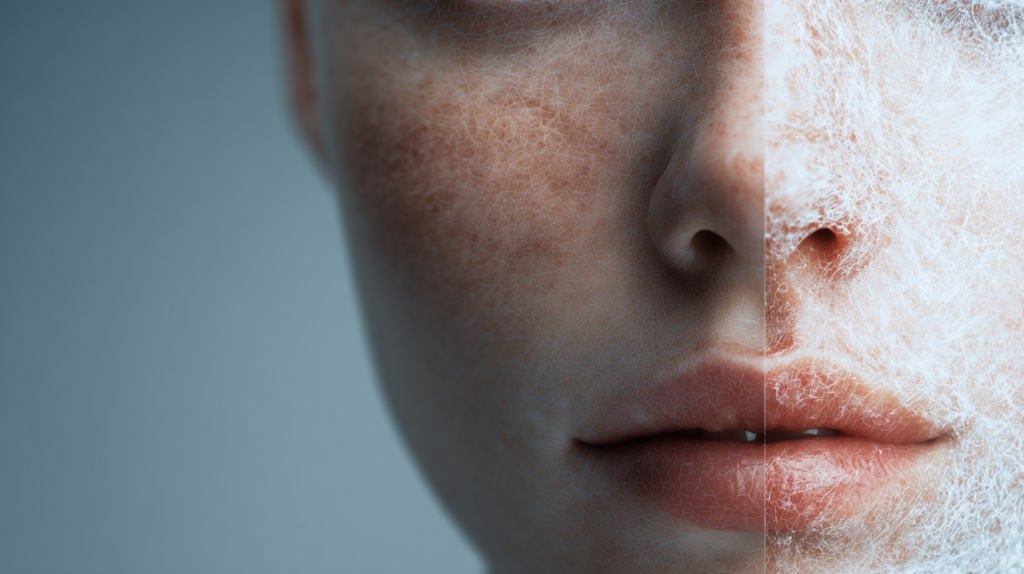
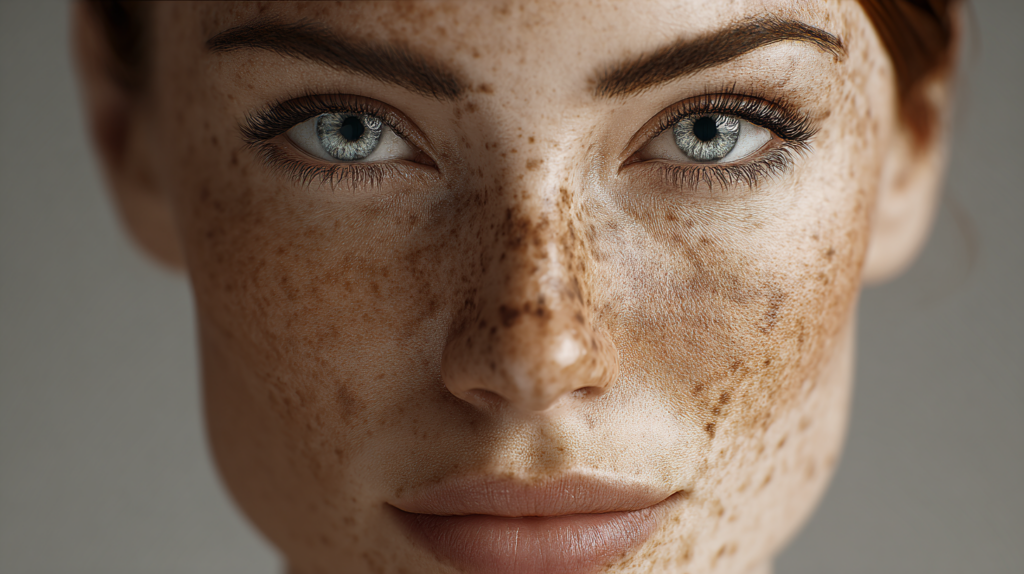
Sun damage is one of the most significant contributors to changes in both skin texture and uneven skin tone, especially for patients seeking tailored skincare for darker skin tones. UV rays penetrate the skin’s surface and trigger an irregular production of melanin, the pigment responsible for skin color. Over time, this irregularity manifests as dark spots, age spots, and dark patches that disrupt the skin’s visual uniformity. On a textural level, sun exposure also breaks down collagen and impairs the skin barrier, which can make skin feel less resilient and more prone to irritation after routine activities.
Sun protection is widely considered the most evidence-based preventive measure for maintaining even skin tone and slowing the visible effects of aging. Daily sunscreen use does not reverse existing sun damage, but it can meaningfully reduce additional accumulation and protect the results of professional or at-home treatment efforts. Patients who have already noticed discoloration or increased pigmentation may benefit from a consultation to determine whether professional interventions could support a more even, radiant skin appearance over time.
Post-Inflammatory Hyperpigmentation and Acne Scarring
Post-inflammatory hyperpigmentation, or PIH, develops when the skin produces excess melanin in response to inflammation, most commonly following acne breakouts or other localized trauma. This type of hyperpigmentation is distinct from melasma—a deeper, hormonally influenced form of pigmentation often triggered by hormonal changes such as pregnancy or contraceptive use—but both contribute to uneven tone and may affect the way makeup applies over the skin’s surface. Dark patches from PIH can fade over time with consistent care, though the timeline varies significantly by skin type and contributing factors.
Acne itself, beyond active breakouts, often leaves behind textural changes in the form of scarring and enlarged pores that persist well after blemishes resolve. These changes alter the way light reflects off the skin’s surface, contributing to an appearance of unevenness even when tone is relatively consistent. Professional treatments such as certain laser therapies, chemical peels, and microneedling are commonly used in medical spa settings to address this kind of textural scarring, though outcomes vary, and consultation with a licensed provider is necessary to determine candidacy.
Skin Barrier Health and Its Connection to Rough, Irritated Skin
The skin barrier—the outermost layer of the epidermis, known as the stratum corneum—serves as the skin’s primary defense against environmental aggressors, moisture loss, and microbial exposure. When this barrier is compromised, whether by over-exfoliation, harsh cleanser use, air pollution, or medical conditions, the skin becomes more susceptible to redness, irritation, and persistent rough texture. A weakened barrier also accelerates aging by allowing moisture to escape more readily, leaving skin looking depleted and feeling tight or uncomfortable.
Restoring and maintaining skin barrier integrity is a foundational principle in both clinical dermatology and aesthetic medicine. For patients experiencing irritation, redness, or reactive skin, attempting aggressive treatments before barrier health is established can worsen symptoms and delay results. Licensed med spa providers are trained to assess barrier function as part of a comprehensive skin evaluation, which allows for a sequenced, skin-safe approach to any improved skin texture protocol. This kind of individualized planning is a meaningful advantage of professional consultation over a generalized product approach.
Lifestyle factors also play a significant role in skin barrier resilience. Adequate hydration, minimizing sun exposure without sun protection, and avoiding prolonged contact with environmental irritants all contribute to a more stable barrier over time. Patients managing dry skin, redness, or cyclical irritation may find that addressing barrier health not only improves texture but also enhances how the skin responds to both at-home treatments and medical-grade facial services.
Professional Treatment Options That Address Texture and Tone
Professional treatments available at a licensed medical spa offer a range of options for patients looking to address skin texture, uneven skin tone, dark spots, enlarged pores, and related concerns, often within a luxury medical spa environment with advanced skin treatments. Chemical peels work by applying controlled exfoliating agents to the skin’s surface, encouraging accelerated cell turnover and supporting a smoother, more uniform appearance over a series of treatments. Laser treatments target specific layers of the skin to address both pigmentation and textural irregularities, including post-inflammatory hyperpigmentation, age spots, and collagen-related laxity. These are not interchangeable options—each has distinct indications, recovery considerations, and patient candidacy requirements.
Microneedling, sometimes combined with vitamin C or growth-factor serums, is another commonly used approach for supporting collagen production and improving texture at a structural level. This treatment creates controlled micro-channels in the skin to stimulate the body’s natural repair response, which may produce a firmer, smoother surface over time. Results are variable and depend on individual factors, including baseline skin condition, age, hormonal status, and adherence to post-treatment care. Consulting with a licensed provider at an advanced Las Vegas medical spa ensures that any selected treatment is appropriate for a patient’s skin type, goals, and medical conditions or contraindications.
It is also worth noting that topical products—including vitamin C serums, retinoids, and gentle exfoliation acids—play a complementary role in any professional treatment plan. These products can support cell turnover, protect against sun damage, and maintain results between in-office sessions as part of a broader skin, body, and wellness program. However, they are most effective when selected and sequenced in alignment with professional guidance, particularly for patients managing sensitive skin, melasma, or compromised skin barrier function.
FAQ
What Are the First Signs That Skin Texture Is Changing with Age?
Early changes in skin texture are often subtle and include a slight increase in roughness, reduced radiance, and a shift in how products absorb. Many patients first notice that their makeup applies differently or that their skin looks less even in certain lighting. These changes typically begin in the mid-to-late twenties and become more consistent through the thirties and forties.
Can at-Home Skincare Improve Skin Texture on Its Own?
At-home care, including gentle exfoliation, vitamin C serums, retinoids, and daily sunscreen use, can support cell turnover and help maintain skin tone over time. However, for more pronounced texture concerns, dark spots, or scarring, professional guidance and staying informed through resources like a dedicated medical spa skincare and wellness blog may allow for more targeted and effective options. A licensed provider can help determine which combination of at-home and in-office care is most appropriate for individual skin needs.
How Does Sun Damage Affect Skin Tone and Texture Together?
Sun damage from UV rays disrupts melanin production, leading to dark spots, age spots, and uneven tone, while simultaneously breaking down collagen and impairing the skin barrier. Over time, this combination produces both textural roughness and pigmentation irregularities that are more difficult to address with surface-level care alone. Sun protection through daily sunscreen is one of the most effective strategies for slowing this process.
Is Enlarged Pore Appearance Permanent?
Enlarged pores cannot be permanently reduced, as pore size is largely determined by genetics and skin type. However, professional treatments and consistent care can minimize their appearance by supporting collagen production, reducing excess sebum—since the skin produces less sebum with age in some patients—and keeping pores clear of congestion. A provider can recommend options appropriate for a patient’s specific pore and skin-type profile.
How Is Melasma Different from Other Forms of Hyperpigmentation?
Melasma is a deeper form of pigmentation driven primarily by hormonal changes and sun exposure, and it tends to be more resistant to standard brightening approaches than post-inflammatory hyperpigmentation or age spots. It commonly appears on the cheeks, forehead, and upper lip, often symmetrically. Because melasma requires a specific treatment protocol and can worsen with certain aggressive interventions, professional evaluation and ongoing education through trusted skincare treatment and wellness articles are particularly important before beginning any pigmentation treatment plan.
Conclusion
Addressing early skin aging requires a realistic understanding of what is achievable and what factors influence outcomes. Age, genetics, sun exposure history, hormonal changes, lifestyle habits, and the current condition of the skin barrier all interact in ways that make individualized assessment essential. No treatment, whether professional or at-home, produces uniform results across all patients, and outcomes are best understood in the context of a longer-term care plan rather than a single intervention. Patients who approach aesthetic care with clear, grounded expectations tend to report greater satisfaction and more consistent progress.
At BluePoint Medical Spa, consultations are designed to provide exactly this kind of individualized perspective. A licensed provider can evaluate the specific texture and tone concerns a patient presents with, explain the mechanisms driving those changes, and outline a sequenced approach that accounts for skin type, sensitivity, prior treatments, and personal goals as part of a broader skin, body, and wellness treatment offering. This process is not about identifying problems but about understanding the skin’s current state and determining what options may support a healthier, more even appearance over time. Results vary, treatments carry potential risks and contraindications, and no consultation can guarantee a particular outcome—but an informed conversation is always the right place to start.
Contact BluePoint Medical Spa to schedule a free consultation at our medical spa with a licensed provider and discuss whether an elective aesthetic treatment plan is appropriate for your goals, skin type, and medical history.